Our Austin Roofing Services

Our Austin Roofing Services

Why Choose LOA for Your Austin Roofing Service?

LOA Construction is your local, trusted Austin roofing company. With a large team of dozens of experienced roofing professionals, we provide years of combined experience in roofing services for homes and businesses alike.

Need to have our roofers assess for hail and wind damage or other roofing problem from recent inclement weather? Our roofing and construction services range from brand new installations or replacements, to repairs, coatings, maintenance, hail damage, emergency services, and general construction work.

Our honest team will equip you with the knowledge you need to know whether you should repair or replace your roof.

Read More: 5 Things You Should Know About Austin Roofing


We Have Been Awarded Among the Top 100 Roofing Contractors in the Country!
LOA Construction was recently awarded as one of the “Top 100 Roofing Contractors” in the United States. In addition, we continue to strive for and maintain a 5+ Google Review rating, with more than 500 5-star reviews. Our company’s reviews demonstrate our commitment to quality in every project we take on, no matter if it’s a small repair on a home, or a huge installation project on a commercial property.

  • • Top 100 Roofing Contractors Award
  • • 1,000+ Five Star Google Reviews
  • • A+ BBB Rating & Accreditation

Austin Roofing Google Reviews

When choosing a roofing company in the Austin area, be sure to find one with good reviews for a peace of mind that your project is in good hands. Our Google reviews back up the quality of work that we do! Please read below to see what satistied clients have had to say about our work:
“Can’t say enough good things about Dan Harvey and the LOA team! We had previously gotten some repair work done on our roof and Dan was very proactive after a recent hailstorm, meeting the outside adjustor and guiding us through the insurance claim process. The entire roof replacement process was expertly managed and executed seamlessly.”

– neoterrapin


“I like the expression “take care”. It means someone’s efficient and thorough – taking care of business, but it also means they show genuine involvement, anticipating your needs and making sure you feel confident and supported in any situation.

The LOA construction team and project manager Johnny Wenberg were an embodiment of “take care” when they replaced our roof. Johnny patiently and thoroughly explained all options without pushing, answered all of our questions, and made sure to guide us through all steps in the process. It seems that there are very few challenges you could throw at Johnny that he and the team wouldn’t have a solution for.

The replaced roof looks excellent, and I am confident that it will serve us for a long time. Happy to recommend their services to anyone.”

– Alec Kanechny


“Working with Kevin from LOA was a great experience! I needed my roof immediately! My insurance company was trying to non renew simply due to the age of my home. They gave me no time. Kevin and the LOA team worked so quickly and had my roof installed the next day. They were very professional, did a great job cleaning up after and picking up most all the nails. Highly recommended!”

– Alicia Donovan

Read more reviews and find directions to LOA here!


Our Lead Process


When you first contact LOA after finding our company, you can expect us to guide you through the following process:

  • • Assessment & Quote: Our roofing team will arrange a site assessment. We will first visit your home or business to evaluate the roofing for the necessary repair to fix any roofing damage, or provide a replacement, installation, or maintenance service. Following the assessment, we will provide a detailed quote covering costs, materials, and expected timelines. We will be clear upfront about the materials, cost, timeline, and installation process.
  • • Negotiation & Agreement: If you are satisfied with our estimate, we will discuss, plan and negotiate pricing, materials, timelines, etc. Once both parties agree, we will draw up a formal contract with all of the information and details of the project.
  • • Project Execution: At this point, LOA’s actual roofing work begins. This phase includes ordering materials, scheduling the work, and executing the roofing project as per the agreed specifications that you agreed to for the installation.
  • • Follow-up & Customer Service: Once the roofing and construction work is complete, we will be sure to follow up with you to ensure satisfaction. We prioritize building customer relationships and want to ensure you’re happy with the work! We also ask for your feedback in the form of customer surveys or online reviews. We welcome any feedback you have!

Throughout the process, you can count on LOA Construction to always provide effective communication, adhere to professionalism, and focus on quality of service. We want to turn your vision for your home or business into a successful project that you’ll be proud of for years to come.


Meet the LOA Team!

LOA Construction has built a team with extensive experience in the roofing and construction industry. We are a large group of nearly 50 team members – including Project Managers, Brand Managers, Sales Directors, Commercial Construction Directors, Production Managers, Commercial Estimators, and Administrators.
Roof Types We Install:

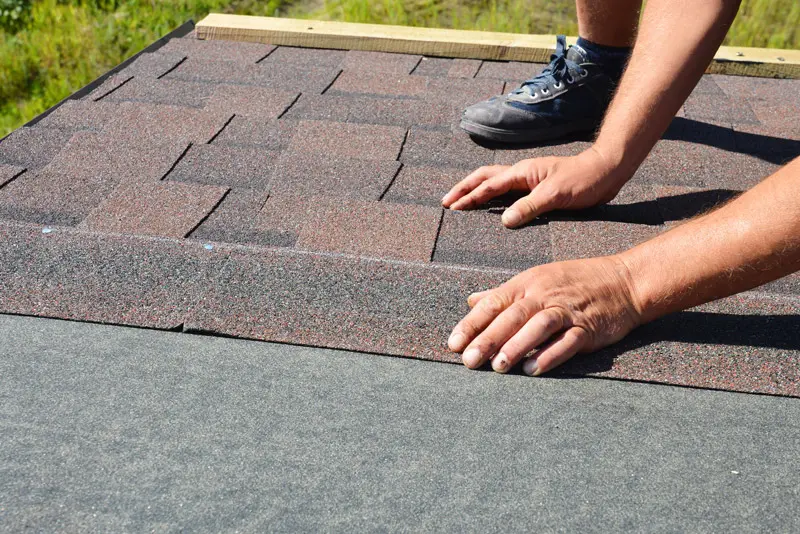
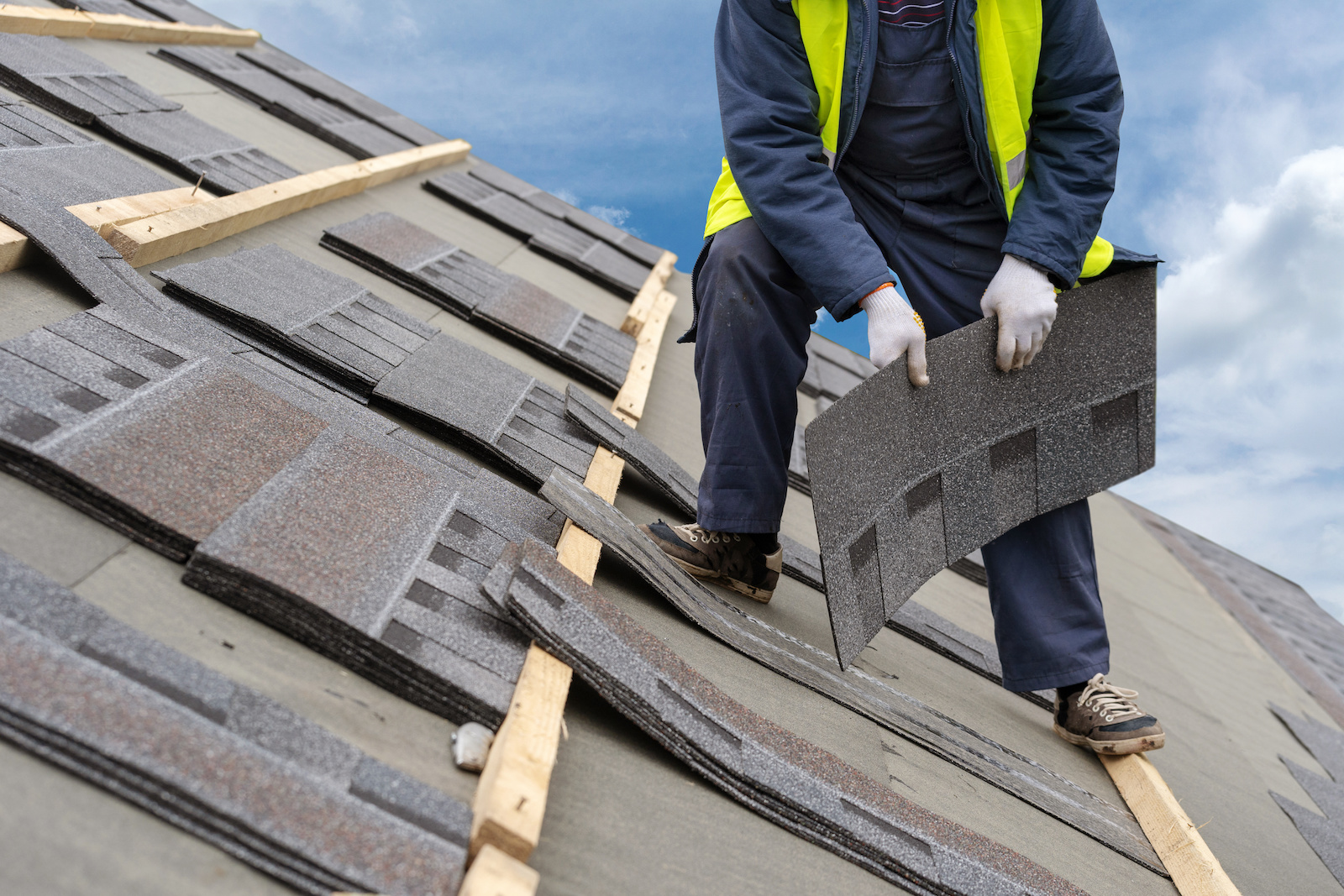
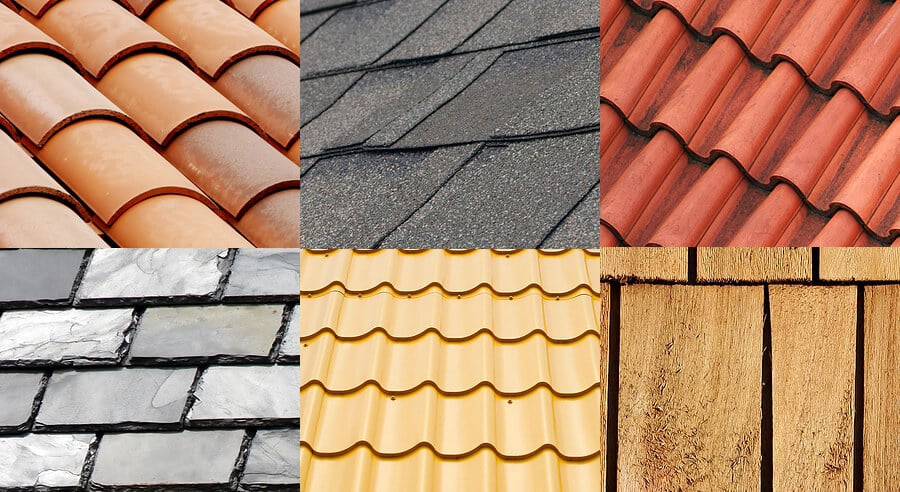
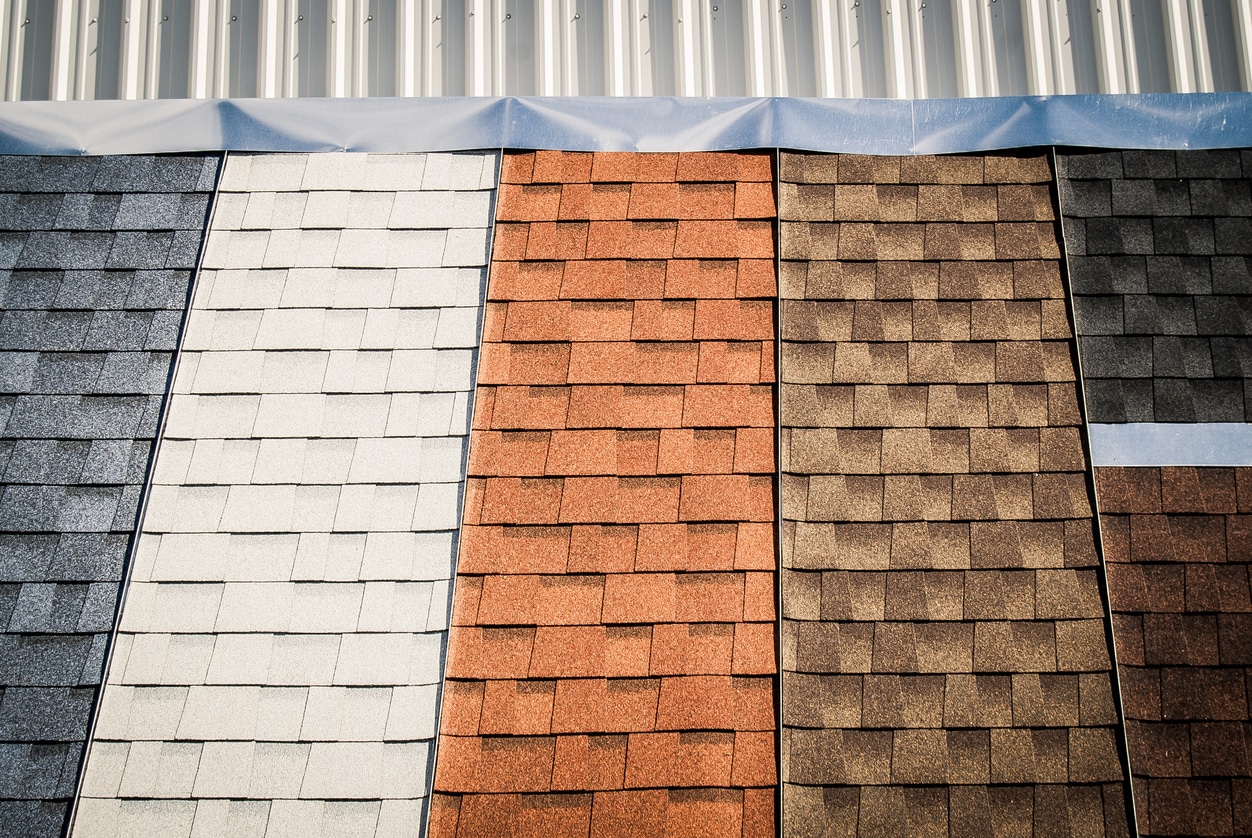
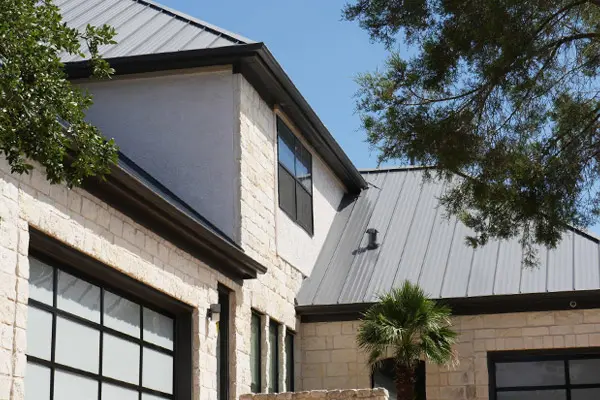
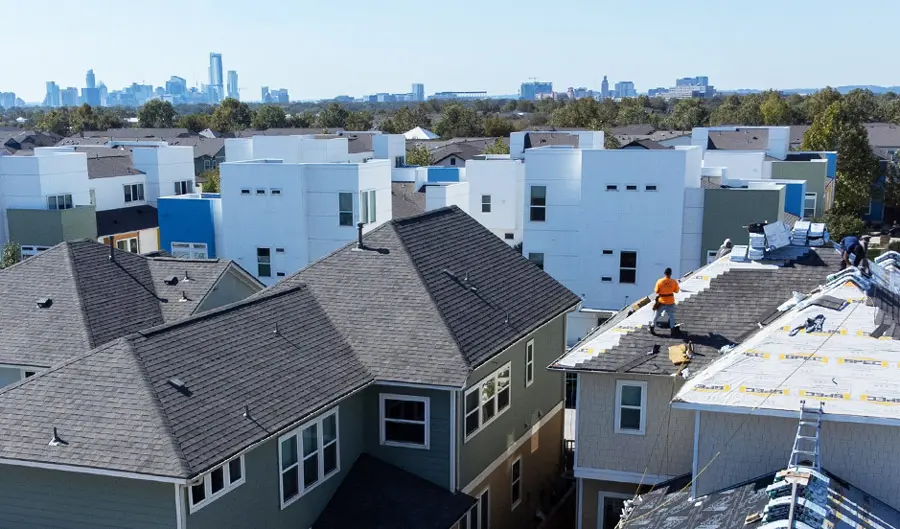
Our Austin roofing services cover a wide range of roofing types. These include the popular choices of asphalt, metal, and clay tile, but also encompass other roofing types such as slate, TPO, flat, Built-Up/Mod-Bit, and EPDM roofing for homes, businesses, and industrial buildings alike.

Asphalt Shingle Info:

Clay Tile Info:

Metal Info:

TPO Info:


Contact LOA for Austin Roofing Services Today!

If you’re seeking quality Austin commercial or home roofing services, don’t hesitate to reach out to our professional roofers. Contact LOA Construction for an inspection and estimate today!

Beyond Austin, LOA also serves the surrounding communities of Houston, San Antonio, Belton, Temple, and Killeen.
How to Handle Ponding on a Flat Roof | LOA

How to Handle Ponding on a Flat Roof

Resolving Pooling on Your Flat Roof

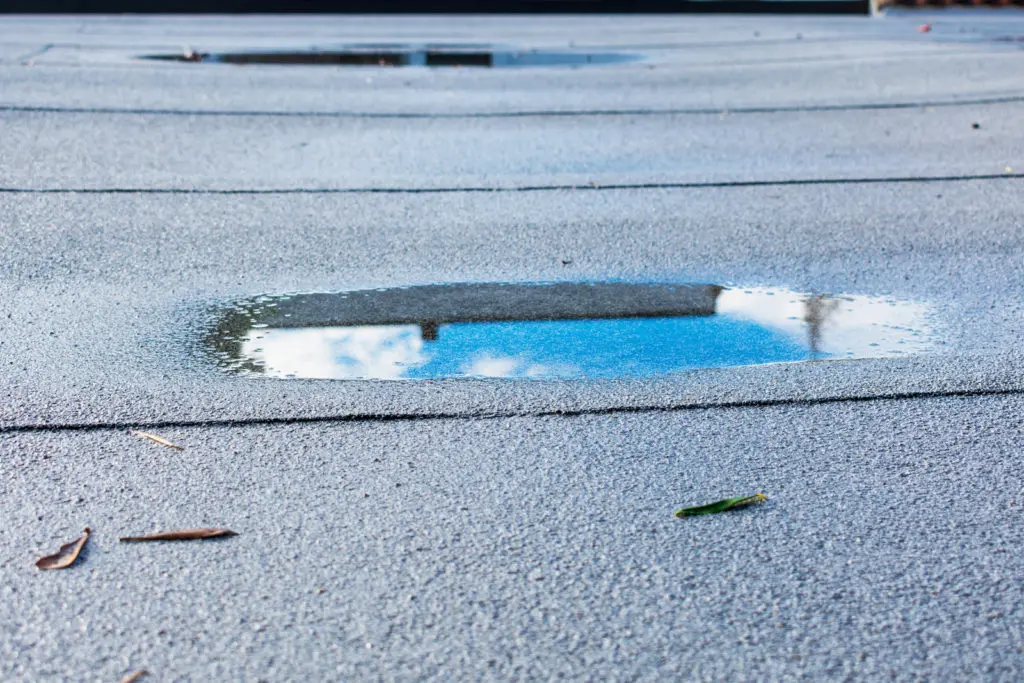
As a home or commercial property owner, you are well aware of the various challenges that come with maintaining your building, and one of the critical areas that demands your attention is your building’s roof. If your property features a flat roof, you may encounter a common issue known as water pooling or “ponding.” Unlike pitched roofs, flat roofs should not retain standing water for extended periods.

Ideally, any water accumulation should drain or evaporate within 48 hours following heavy rainfall. Failure to address this issue promptly can lead to significant problems that could affect both your roof’s integrity and your building’s overall structure.


Understanding Ponding

Contrary to a common misconception, water should not pond on flat roofs. When standing water persists, it can result in extensive damage to your roof and bring about a host of related issues:

  • • Accelerated Roof Deterioration: Prolonged ponding can cause the roofing materials and coatings on your roof to degrade at a faster rate.
  • • Vegetation and Algae Growth: Ponding water can become a breeding ground for vegetation, moss, and algae, further compromising your roof’s condition.
  • • Mold and Insect Infestations: Excess moisture can attract mold and insects, leading to potential health hazards and costly remediation efforts.
  • • Structural Damage: Ponding water can exert additional stress on your roof’s structure, potentially causing it to sag and leak, which may necessitate costly repairs.

Addressing Ponding

To tackle ponding on your flat roof, consider the following steps:

  • Don’t Ignore It: Recognize that ponding water is a problem that requires immediate attention. Ignoring it can lead to more significant issues down the road.
  • Redirect Water: Ensure your roof has an adequate number of drains, and consider widening them to handle more water. This will help prevent water from accumulating on your roof.
  • Clear Current Drains: Regularly maintain your drains, rain gutters, and downspouts by removing debris such as sticks, branches, and leaves to enable proper drainage.
  • Roof Repitching: If ponding is a persistent issue, consult with professional roofers to determine if your roof’s slope is inadequate. They can assess and adjust the pitch to facilitate better water drainage.
  • Repair Low Spots: Identify areas with low spots on your flat roof where water tends to collect. Fill these areas with roof plaster to create a shallower slope, allowing water to flow off the roof more efficiently.

Read More: Flat Roof Repair: How to Know if You Need One


Why is Roofing Maintenance Vital for Preventing Pooling Water?

Proper roof maintenance is crucial to preserving the longevity of your commercial building. When dealing with flat roofs, it’s essential to dispel misconceptions about ponding and take proactive steps to address the issue. Remember that standing water should not linger for extended periods on a flat roof.

If you encounter ponding, act promptly to prevent damage to your roof and the overall structure of your property.

Read More: Why Do Commercial Buildings Have Flat Roofs?


Contact LOA for Help with Pooling Water

Need a professional roofing company you can trust in the Austin, San Antonio, and Houston area? Look no further than LOA Construction!

For more information and expert guidance on flat roof maintenance, don’t hesitate to reach out to the professionals at LOA Construction or via email for Austin roofing services. Your roof’s health is paramount to the well-being of your commercial property.

Schedule a roof inspection today for any roof repair or replacement, maintenance, or emergency service!!

Further Reading:


Easy Ways To Tell Youll Need A New Roof Soon

Easy Ways to Tell You’ll Need a New Roof Soon

When a house is first built it seems like a long way off before any major structural elements need to be replaced. That’s true for the most part, but a roof may need to be replaced sooner than you’d think. After all, it’s the part of the structure that’s protecting everything else.

But how do you know when your roof needs to be replaced? Roof replacement depends on a number of factors. Even if you can’t climb up on the roof there are some easy ways to tell that you’ll need a new roof sooner rather than later.

Material and Age of Your Current Roof


Do you have an asphalt shingle roof that’s nearing 30 years old? Is the metal roof original on your 60-year old home?

Roofing materials have an average lifespan that can serve as an indicator of when it’s time to replace the roof. If you know the age of the current roof and the material you have a good indicator of whether or not you need a new roof installation soon.

Selecting a new roof is a big decision that should be partly based on how well the current roof held up over time. Use it as a gauge of if it’s a material you want to use again and how soon you may have to replace it.

Recent Weather


If you’ve ever experienced a Texas hail storm then you know why a relatively new roof may need to be replaced. There have been instances where the hail was as large as baseballs. Golf ball size hail is a somewhat regular occurrence. After bad weather rolls through we get a lot of calls from home and business owners that need storm and hail restoration services.

Central Texas is also known to freeze over from time to time. The freezing weather can damage a roof by causing materials to contract, increasing the likelihood of cracking and warping. The extreme heat of summer can also lead to premature wear and tear on a roof.

If the recent weather has been rough on your home, look for the other signs noted here to catch issues on the roof before they cause more damage.

Leaks and Water Damage on Ceilings


When you notice leaks from up above and water damage on the ceilings it could be from a few things, the roof being one of them. If the water isn’t coming from the HVAC unit then there’s a good chance there’s a leak in the roof somewhere. If you noticed the leak or water damage after a rainstorm that’s a sure indicator it’s from a leak in the roof.

At minimum roof repair is needed to address the leak. If it isn’t repaired it can lead to more extensive water damage.

The Shingles Look Worse for Wear


If you drive up to your house and notice that some shingles are missing, you may need to consider if it’s time for a new roof. Or if you are outside and can tell that there are warped and curling shingles in some spots that’s another indication that your roof may need replacing soon.

Gutters Aren’t Working Properly


The gutters run along the roofline aiding in water drainage. When the gutters aren’t working properly that’s a sign the roof may be past its prime. If the roof is warping and buckling it can throw off the alignment of the gutter system and impede water drainage. In addition to the water not draining properly, you may notice debris building up at certain points in the gutters.

There’s another way the gutters can tell you a roof needs to be replaced soon. If the roof is made of asphalt shingles and you see the granules in the gutter it lets you know that the protective top layer is coming off.

Things Are Growing on Your Roof


You should never see anything green on your roof. Mold, algae, moss – whenever something is growing on your roof you need to get it gone. This is more common on roofs that are in the shade most of the day or all day long. You’re most likely to see it in alcoves and eaves where moisture can build up.

Growth on the roof is an issue for a few reasons. It can cause damage by causing moisture to remain against the roof. The moisture retention can also cause damage if the temperature drops below freezing.

You may be able to clean the roof off to remove mold and moss, but this will probably cause some degree of damage to a shingle roof. If the growth covers a significant amount of the roof and it’s past 15 years old you may want to consider new roof options.

The Absolute Easiest Way to Tell You Need a New Roof Soon – A Free Inspection From LOA!


The easiest way to tell if you need a new roof soon is to schedule a free inspection with an LOA roofer. We’ll take a look up top and give you our professional estimation on how much longer your current roof will last.

The roofing contractor will provide recommendations for new roof options that will provide the longest lifespan and best value. Want to know how much a new roof cost? We can provide a free estimate too!

At our Austin roofing company, we prioritize quality in every project. For a same-day, stress-free inspection, contact our Central Texas roofers. Schedule your free inspection by calling 512-375-3654.

Reach out today to schedule a roof inspection.


Common Shingle Repairs to Call a Roofer About

Common Shingle Issues That Require Professional Repair

There are a lot of different styles of roofs, but shingles are by far the most common type of residential roofing. With a shingled roof flat, rectangular pieces of roofing are placed in an overlapping step pattern. Together the shingles form the protective outer layer of the roofing system that does most of the water shedding.

The shingles can be made of asphalt, metal, wood, clay or a composite material. No matter what the roofing material is made of, it’s common for shingles to need repair from time to time. It may seem like a minor issue, but all the shingle repairs below should be handled quickly to avoid bigger problems from developing.

Missing Shingles


One of the most common, and obvious, issues is when a shingle goes missing. This is something that definitely needs to be remedied immediately since it completely exposes the underlayment to the elements. When that happens it can quickly lead to a leak that does damage beyond the roof.

The Repair: As you might expect, replacing the missing shingles will fix the issue. The material will need to be matched, and the new shingles need to be fitted into the existing system precisely.

Cracked Shingles


Although shingles are really solid, they can get cracked by just about anything that knocks into the roof. Tree limbs and hail are common causes for cracked shingles. People walking on the roof is another culprit of cracks. Age is also a factor. Due to regular wear and tear, cracks are more likely the older the roof gets.

The Repair: One of the benefits of shingles is that isolated damage doesn’t require a complete replacement and is relatively easy to repair. You have to first completely remove the cracked shingles. You can then replace the cracked shingles or the portion of roofing containing the cracked shingles. Again, this requires sourcing the same roofing material and knowing how to fit the new shingles into place.

Loose Shingles


It’s possible for some shingles to come loose. This is usually the result of heavy winds, inadequate nailing, misalignment during installation or the sealant giving way. Any time a shingle isn’t fixed securely water can penetrate down beneath the shingles.

The Repair: The fix depends on why the shingles came loose. All that may be required is additional nailing or sealant. Tightening down loose shingles is an easy repair so long as the shingle isn’t damaged. If it is, the shingle will need to be replaced.

Shingle Shrinkage


In addition to cracking, loosening and going missing, roofing shingles can also shrink. In fact, shingle shrinkage could be the cause for the other issues you may encounter. Often shingles shrink as a result of the membrane underneath contracting. The membrane, and in turn the shingles, can shrink due to:

  • • Age
  • • Drying out
  • • Improper installation
  • • High winds
  • • Temperature changes

There’s also something known as differential shrinkage. This is when the outer layer of the shingles that are exposed to the elements shrink at a faster rate than the interior layer of the shingle. Differential shrinkage usually leads to cracks in the shingle surface.

The Repair: Once shingles shrink, they are usually damaged or can’t be restored to their original size, therefore they won’t lay properly and need to be replaced. Unfortunately, membrane shrinkage is usually an issue that’s more widespread and will require more extensive repairs, possibly even roof replacement.

Worn Top Coating


Asphalt shingles have a top layer of granules that enhance the look and performance of the roof by:

  • • Blocking UV rays
  • • Dispersing heat
  • • Increasing fire resistance
  • • Preventing water from collecting

Many people think that when the top layer of asphalt shingle roofing wears away it’s a strictly cosmetic issue when in fact it degrades the performance as well. It indicates that the shingles are damaged and need to be replaced. However, if you notice that it’s a problem all over the roof, this is an indicator that it’s probably time for a roof replacement.

The Repair: Using a roof coating can help to restore shingles that have gotten worn. You may want to replace the shingles if it’s only a few.

Mildew, Mold or Algae Growth


If debris collects on the roof it can cause water to dam up and trap moisture. If the debris isn’t removed, mildew, mold and algae can grow on the shingles. While this isn’t a structural issue, it is something you’ll still want to correct.

The Repair: Removing debris and cleaning the roof with a 50/50 solution of bleach and water should remove mildew, mold and algae.

Curled Corners


You may notice the corners of some shingles curling upward or downward. This is an indicator that the roofing is aging. If the shingles aren’t laying flat it can allow water to penetrate beneath the shingles and lead to water damage.

The Repair: You can prolong the lifespan of a shingle roof by straightening out the curling with roofing sealant. After sealing underneath the corners of the shingles they have to be weighted down for 24 hours for the sealant to work properly.

The team at LOA can handle all of the shingle issues above and much more. From maintaining your roof with regular cleaning to an entire roof replacement, our experienced roofers will have your roofing looking and performing its best.

Contact us to schedule a FREE roof inspection to see if shingle repairs are needed!


Common Roofing Terms to Know – LOA Construction

Common Roofing Terms to Know

Common Roofing Terms Every Home & Business Owner Should Know

Navigating the world of roofing can be complex for homeowners, especially when faced with the industry’s specialized vocabulary. Understanding these terms is crucial when discussing a significant investment like a new roof. This guide elaborates on common roofing terms, to help homeowners better understand roofing terminology.

The team at LOA Construction can help you understand these roofing terms better:


Decking

Decking, typically made from plywood, encloses and reinforces the roof structure, providing a sturdy base for shingles. If water breaches the outer layer and underlayment, reaching the decking, prompt roof repairs are necessary to avoid extensive damage.


Dormers

A dormer is a protruding section of the roof, often housing a window, creating its own mini roof structure. Dormers not only add architectural interest but also provide natural light and space within the attic or upper floors.


Drip Edge

A drip edge is an L-shaped metal molding attached to the roof’s edge. It guides water away from shingles near eaves and gutters, preventing water infiltration while reinforcing the roof’s structure.


Eaves

Eaves are the horizontal borders where your roof meets the gutters. These edges play a crucial role in water management, protecting your home from leaks and water damage. Beneath the eaves, you’ll often find an eave membrane under the shingles, which guards against water infiltration, especially from ice dams in colder seasons.

Read More: 4 Tips for What to do When Your Roof Starts Leaking


Fascia

Fascia are the long boards running along the lower roofline, supporting the bottom row of shingles or tiles. They block moisture, carry the weight of the gutter system, and enhance the roof’s aesthetic by offering additional color options. Materials vary from wood to vinyl and aluminum.


Flashing

Flashing is a weather-resistant material (like aluminum or steel) used to prevent water infiltration. Commonly found in valleys, around chimneys, and roof vents, flashing can be flexible or rigid. Step flashing is used for inclined areas, installed in a step-like pattern.


Hips

Hips are the downward-sloping ridges at the intersection of two roof planes. Not present on all roof types (like flat roofs), hips are characteristic of various styles like Hip and Valley, Cross Hipped, or Pyramid Hipped roofs. They project outward, opposite to valleys.


Rakes

Rakes refer to the sloped edges of your roof. Although similar to eaves, the key difference is their angle; rakes are slanted, unlike the horizontal eaves. If an edge isn’t parallel to the ground, it’s a rake.


Ridges

The ridge is the top horizontal line of your roof, usually the highest point of the roof’s frame. Most homes have a single ridge, but larger buildings might have multiple. Ridge vents installed here aid in ventilating the attic, allowing warm, moist air to escape.


Roof Vents

Roof vents are crucial for a well-ventilated home. They draw air from soffit vents and regulate temperature and moisture. With open sides and fins made of metal or plastic, they efficiently pull air through the system. Solar vents are a sustainable option, potentially reducing energy costs.

Read More: Is Your Roof Leaking by a Vent Pipe?


Soffits

Soffits are the enclosed underside of overhanging eaves. They provide an aesthetic finish by hiding visible rafters and are functional in allowing air circulation through the roof and attic, aiding in temperature regulation and moisture prevention.


Starter Shingles

Starter shingles are pre-cut roofing materials installed at the eaves and rakes before the main shingles. They provide a crucial initial layer of protection, ensuring proper alignment and sealing of the first course of shingles.


Underlayment

Underlayment is a layer of asphalt-saturated felt or synthetic fabric between the roof deck and the outer layer. It offers extra weather protection, helping the roof shed water and protecting the outer layer from decking resin. Many warranties require its installation for added protection.


Valleys

Valleys are the inward-dipping angles formed where two roof slopes meet. These areas are susceptible to water damage and often reinforced with special underlayment or valley flashing to direct water towards gutters. They’re critical in cold climates to prevent ice dam formation.

How to Avoid Common Roofing Mistakes – LOA Construction

How to Avoid Common Roofing Mistakes


Common Roofing Mistakes to Avoid

Recently, we wrote in our article about 12 common roofing problems and how to prevent them. In a similar fashion, it’s also important to discuss the common roofing mistakes that can result from improper roof work.

Roofing is a critical aspect of home maintenance and construction, yet it’s often where costly mistakes occur. For example, failed roofing inspections, voided warranties, and issues with insurance companies can all stem from roofing errors.

As a home or commercial property owner, it’s important to understand what some of the most common roofing mistakes are. Specifically, in this article, we’ll discuss what inexperienced or substandard contractors might make and what to watch for.

Let’s take a look below at 20 of the most common roofing mistakes to pay attention to:


13 Common Roofing Mistakes to Watch Out For

1. No Roofing Insurance/Permit

To start, you should note that hiring uninsured contractors poses a risk, as they may not cover injuries or damages during roofing work. Generally speaking, a reputable roofing contractor won’t have any problems providing their proof of insurance before beginning any work on your roof. When in doubt, however, you should contact the insurance company to double check their policy.

Similarly, working without a permit can lead to job suspension and legal issues. Always ensure your roofing contractor has the necessary permits for the job. Fortunately, there are many professional roofers out there who can provide evidence of permits, for a peace of mind.

Read More: What Questions Do I Need to Ask My Insurance Provider About Replacing My Roof?


2. Too Short of Roofing Nails

Let’s talk about the importance of using the correct length of nail. In order to properly secure shingles to the decking, you need to make sure you or your roofing contractor are using long enough nails for the job.

As you may have guessed, incorrect nail length might not be immediately obvious, however, it can lead to shingles shifting and an overall compromised roof lifespan.


3. Exposed Roofing Nails

Similarly, another consideration is whether your roofing nails are exposed. The nails will need to be driven into a specific location in your roofing system (the nail should be installed beneath a layer of shingles for protection).

Failure to install the nails correctly will result in exposing them to the elements, leading to corrosion and the need for leak repairs in the future. DIY enthusiasts – make sure you are correctly installing your nails!


4. Mismatched Shingles

Using shingles from different suppliers can result in a mismatched appearance, impacting both aesthetics and property value.

If you are a DIY roofing enthusiast, make sure you aren’t purchasing shingles from various suppliers. Also, a reliable roofing contractor will always use shingles from one supplier.

Related:What Are The Different Types of Shingles: How To Choose The Best Shingles for Your Home


5. Incorrect Shingle Overhang

Incorrect overhang measurements can either cause wind damage. For your reference, the proper shingle overhang is 7-10mm, at the eaves. AVOID overhang that’s more than this.

Similarly, if your shingles overhang is less than 6mm, your roof is likely subject to water penetration from rain and inclement weather, which will lead to leaks in your roof. Find out more here about the cost of fixing roof leaks.


6. Poor Attic Ventilation

An important aspect of your roofing system is the attic. If your home experiences poor attic ventilation, especially during the hot Texas heat, it can be detrimental to the health of your home’s roofing system and even the interior of your home.

Why? Poor attic ventilation can increase energy costs and lead to roof decking failure. Be sure to check with the team at LOA Construction if you have questions or concerns about your attic ventilation, humidity, etc.


7. Not Installing Starter Shingles/Strips

Your roofing contractor should always install start shingles or strips along the eaves and then rake the edges. This is for proper sealing.

Neglecting starter shingles at the edges can result in water damage due to inadequate sealing. Typically, the installation of starter shingles and strips will be included in your contract.


8. Improperly Installed/Sagging Roof Gutters

During the installation of the gutter system on the roof, it’s essential to properly place the screws – otherwise, you may end up with sagging gutters. Another common roofing issue happens whenever your gutters are too narrow.

Incorrect gutter installation or inadequate sizing can lead to water backup and sagging, causing both gutter and roofing damage. If you have questions, be sure to ask our team. A qualified roofing company will ensure proper gutter installation.


9. Not Handling Ice Dams

An ice dam on your roof occurs when melting snow freezes at cold temperatures, which can form beneath the roof’s shingles. This can cause a lot weight and pressure on the eaves. As such, not preparing for ice dams can lead to significant structural damage, especially in colder climates.

To properly prevent an ice dam, have your roofing contractor install a barrier to cover your roof’s edge. Many cities in the United States do require the ice dam barrier due to building codes. Make sure you’ve hired a reliable contractor that won’t neglect this important step!

Related: General Guide to Roofing Codes in Austin, TX


10. Not Installing Underlayment

Your roof is comprised of several layers: the decking, (the foundation of your roof), the underlayment (the part that adds a layer of protection from water damage), and then the upper layer (types of roofs like asphalt, clay tiles, metal, slate, flat, TPO, etc).

A good roofing contractor won’t skip the underlayment. The underlayment is comprised of a sheet made of paper or organic material that’s treated with asphalt and is invaluable when it comes to the health of your roof. Don’t skip the underlayment!


11. Reusing the Flashing

You always want to replace your existing flashing. However, a sketchy roofer may decide to cut corners and reuse/recycle the flashing.

Your roof’s flashing serves as a protecting layer of thin metal sheets which help to waterproof your roof. Since it plays an important part in your roof’s health, make sure that it gets replaced during the roof replacement project.


12. Disregarding Slope

To avoid the common roofing mistake of incorrect slope, you first need to understand a little bit about the proper slope for an asphalt, metal, or other type of roofing material.

Ensure that your DIY contractor or professinal roofing company has accurately accounted for the slope and uses the proper material. Check out our articles linked above for more information about proper slope.


13. Not Following Manufacturer Instructions

Lastly, let’s discuss a little bit about a common roofing mistake that’s sometimes easy to make – simply not following the manufacturers’ instructions.

Many seasoned roofers need to priortize that the roof installation is done not only professionally, but also to the standards the manufacturer set – otherwise the warranty may be voided. Worse case scenario, the materials may not be properly installed.

Related: 5 Things You Should Know About Austin Roofing


Why Hire a Professional at LOA to Avoid Roofing Mistakes?

At LOA Construction, all of our roofers are fully licensed and ensured, with the proper knowledge, tools, and materials for the job. We follow manufactuer instructions to ensure that the common roofing mistakes discussed in the article above are avoided.

Choosing a professional team means peace of mind, knowing that every aspect of of your roofing project – from nail length to material choice – is properly handled. With LOA, you’re not just paying for roof repairs or installation; you’re investing in long-term reliability and safety for your home.

Contact Us

Our team proudly serves the cities of Austin, Houston, San Antonio, Belton, Temple, and Killeen. Our services range from roofing installations/replacements, to repairs, maintenance, hail damage assessmtents, emergency services, roof coatings, and general contracting services.
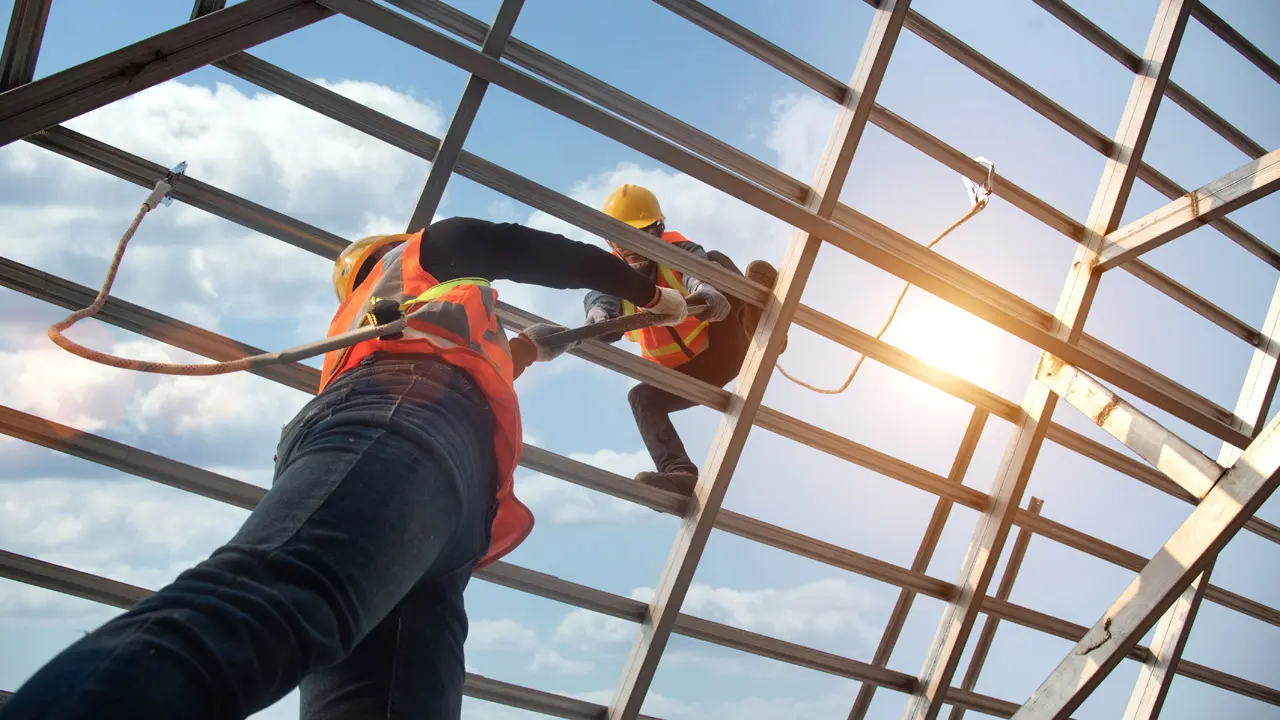
Need a roof inspection and an estimated roof cost for your asphalt, metal, clay, TPO, flat, built-up/mod-bit, EPDM, or other roofing type? Contact us today!


Further Reading:


Commercial Roofing Repair: Do You Need One? | LOA Construction

What Does a Commercial Roofing Repair Look Like & How To Tell If Your Roof Needs One

Do I Need a Commercial Roofing Repair?

While both residential and commercial roofs serve the function of protecting the building and its contents, there are some differences in how they are constructed. Because of the contrast in building materials and construction protocols, finding a roofing company that specializes in commercial buildings is key.

This commercial roofing specialization is often crucial to ensuring the proper care is given to the structural component that protects your business. The vast majority of commercial buildings have flat roofs, which can present unique challenges for both owners and roofers. Without this commercial specialization, your flat roof may begin to deteriorate or become damaged by roofers unfamiliar with keeping commercial roofs in good condition.

Whether you’ve owned a commercial building for a while or you’re new to ownership, knowing the signs that your roof needs to be repaired is important. A roofing repair pushed off for too long can lead to some serious trouble down the road. Let’s take a look at some important things to know when it comes to figuring out if your roof needs to be fixed and for finding someone that can successfully take on the job.

Signs Your Commercial Roofing Needs a Repair

When it comes to problems with your roof, catching damage as soon as possible is crucial. The longer a problem goes undetected or ignored, the more severe the damage can get. Here are some signs you should keep an eye out for, as they can all indicate that your roofing system is beginning to fail.

Moisture Issues

One of the first signs that there is damage to a roof is when moisture issues arise. If you notice water stains on the ceilings, high humidity, a damp or musty aroma, or an increase in rodent and insect activity, you could leak into your roof somewhere. A leaky roof can lead to roofing damage to the building’s walls and insulation.

Increasing Energy Bills

If your roof no longer has much reflectivity remaining, your cooling system is likely working on overdrive. For those running a business in a place with a hot and sunny climate, you will see a change in your cooling costs pretty quickly. This loss can be a huge money drain, so it’s important to address the problem as quickly as possible.

Ponding Or Pooling

No roof is entirely flat or pitched perfectly, and as a result, there will occasionally be spots where water will collect and “pond”. This is often no more than a small damp spot, or an extremely small puddle on the rooftop after a rain.

In more serious situations where there is too much water to quickly evaporate, however, water from ponding can begin to seep into the roofing materials, causing damage to interior components and eventually leading to sagging or more serious damage.

Sagging

When a roof begins to sag, it is often due to water damage that has gone undetected for a while. Your roof could be sagging due to ponding or you could have structural damage. While ponding can often be remedied with relatively simple repairs, other damages aren’t so easily fixed.

More extensive damage to the roof or building’s structure, such as a broken joist, will often require a more extensive repair and remediation. If you notice sagging in your ceiling materials, such as drywall or joists, you must get it fixed quickly to avoid a roofing collapse.

Bubbles

This is not a sign that you’ll be able to notice from inside. You should do regular walkthroughs of your building, roof included, to ensure issues aren’t overlooked. If you notice bubbles during a roof inspection, it is likely due to moisture build-up underneath the surface of your roof. More bubbles mean there is more moisture hiding in there.

The bubbles are due to moisture and air getting underneath the roofing coating, becoming trapped, and then subsequently expanding and contracting with environmental changes. Since many roofing coatings are meant to be a moisture barrier, installing them before the subsurface is totally dry can lead to bubbling in the future. 

Gaps

One of the main functions of a roof is protecting the structure below from water. When a roof is installed, there are seams where the waterproof materials are, to guard the roof’s decking connect to each other. If there are cracks, tears, or gaps in a seam, this compromises the waterproof barrier that these materials provide, leaving your roof vulnerable to water damage.

Blocked Gutters

When rain falls on your roof, the gutter system is supposed to allow the water to drain off. If your gutters are clogged, the water has no way of leaving, so it pools or ponds on the roof. A blocked drainage system could lead to serious water damage, as water just sitting on your roofing materials can soak in over time, getting into areas that won’t dry easily.

Read More: How to Know When It’s Time to Replace a Roof?

Why You Need To Get Your Commercial Roofing Repaired Immediately

Part of the responsibility of being a business owner is ensuring that your property and business are functioning safely and properly. When it comes to major problems, especially those that are related to the structure of the building, having it repaired promptly is crucial.

One of the most damaging things to a roof is a leak. Keep an eye out for this issue, because roof leaks from heavy rain can lead to serious problems down the line. These include:

Water can get into your walls and cabinets, which can cause damage to any electronics or documents that may come in contact with the water, as well as potential electrical issues.An increase in humidity, as well as a higher risk of mildew and mold, can result in health problems and even business closure.Water damage can impact a business’ inventory, which can be problematic for warehouses and stores that rely on effective climate control measures.

Paying attention to the warning signs of roofing damage can save you and your business a lot of time and money in the long run. Many roofing issues can be fixed affordably if caught in the early stages, but the more extensive the damage, the more expensive the repairs will be. Contact LOA Construction today for a roof leak repair service. More on the cost of a roof leak repair here.

What To Look For When Hiring Out a Commercial Roofing Repair Company

There are more roofers than ever before, and while they may all be able to do the job satisfactorily, choosing one can seem like a pretty monumental task. These tips should help you research any roofer you’re thinking of potentially working with, and can help you find the right commercial roofer for your roofing job.

Word Of Mouth

Even with the advent of social media, good old-fashioned word of mouth is still the most reliable way of getting trusted referrals for commercial roofers. 

If your friends or family own businesses, ask them if they’ve ever needed to use a roofer, and if so, who they used and what they thought of the experience. Ask other business owners in your general area. If you own a business in a densely populated area, you should be able to get a significant number of recommendations relatively easily. 

Read More: What Is the Best Time of Year to Install a Roof?

Online Reputation

One of the most powerful and underleveraged tools for looking into potential businesses is the internet. The internet, and large impartial platforms, in particular, are incredibly valuable for getting reviews of roofers.

By researching reviews and ratings on platforms where the business owner cannot remove bad feedback is crucial to getting a well-rounded picture of the perception of the business by its clients. Be sure to check the Better Business Bureau as well, just to be sure you’re choosing a team of professional roofers for the job.

Qualifications & Licensing

The company should be able to easily demonstrate that they have both a current business license as well as the appropriate commercial and liability insurance coverage for them and their employees. Take this opportunity to ask them about the work you plan to have them perform, and ask any questions you have at this stage. They should be able to answer your questions easily and with demonstrated technical knowledge.

Be sure you inquire about permits for work in your area also. Many times commercial facilities are required to obtain permits before starting any work on their buildings, and performing the work without the required permits can leave the business owner open to potential fines. 

Inspection Flexibility

One final thing your potential commercial roofer should offer is a free roof inspection with no further obligation. They should allow you to schedule the inspection at your convenience, and when completed they should discuss the results with you. Not only the repairs that they feel are needed, but the level of urgency that they would assign to the repairs.

If you feel that your commercial roof may need some repairs, or if you have noticed roofing damage on a recent visual inspection, talk to licensed professionals today. You can schedule it for a time and date that work best for you and your business.

Types of Roofs for a Commercial Repair or Replacement

If you’re looking at getting a replacement instead of a repair, you should consider the best type of roof for the project. Some of the most popular types of commercial roofing include built-up (BUR) membrane, metal, EPDM, TPO, and modified bitumen roofing. Each has their own pros and cons to consider. Overall, some roof types to choose from LOA’s list of services include metal, slate, TPO, tile, clay, shingles, and more.

Why LOA?

At LOA, we serve commercial and residential clients in Austin, Houston, San Antonio, and Belton, Temple, and Killeen. If you’re seeking a commercial roofing repair that’s backed by hundreds of 5-Star Google Reviews, look no further than LOA Construction.

If your commercial metal or TPO roof needs a repair, or it’s nearing the end of it’s lifespan, you need a maintenance service, or you need an emergency repair, contact us today!

Further Reading:


Choosing the Right Roofing Material: Pros and Cons of Popular Options | LOA Construction

Choosing the Right Roofing Material: Pros and Cons of Popular Options

Choosing the Right Roofing Material: Pros and Cons of Popular Options

Choosing roof materials isn’t always easy when there are a lot of options to choose from. Some options, like clay tiles, have been used as a roofing material for thousands of years, but there are also brand new materials that are being developed to meet modern day needs. Roofing is getting so advanced there are even solar shingles that provide protection from the elements while generating electricity.

You may not be in the market for a solar roof, but you might be among the thousands of people across Texas that do replace their roofing each year. What part of Texas you live in, the current condition of the property and your goals are just some of the key factors that go into selecting a type of roofing.

Use the information below as a jumping off point for better understanding your options and the best roofing materials for your property before contacting a roofing contractor.

Asphalt Shingles


THE PROS:

  • Affordable
  • Great selection of colors
  • Widely available
  • Easy to install
  • Easy to replace and repair

You can’t beat the price per square foot of asphalt shingles. Asphalt shingle roofs are a more affordable option compared to wood shingles while providing a similar look.

THE CONS:

  • Shorter lifespan
  • Moisture can easily cause damage
  • More vulnerable to high winds
  • Not as environmentally friendly

The big downside with an asphalt shingle roof is it has a shorter lifespan compared to other roofing materials. Architectural shingles can last significantly longer, however, they cost more than 3-tab asphalt shingles.

Wood Shingle Roofs


THE PROS:

  • Classic look with broad appeal
  • Good insulation
  • Highly customizable

Few roofing materials can compete with the natural beauty of cedar shake roofing. Wood shakes have been used for centuries before composite shingles existed because they can handle the wind and rain.

THE CONS:

  • Expensive
  • High maintenance
  • Not fire resistant
  • Attracts pests

A wood shingle roof is going to be about twice as expensive as an asphalt shingle roof to install, and roof maintenance is going to cost more. Wood roofing requires a lot more maintenance because the natural material isn’t as resilient against moisture and UV rays in comparison to today’s synthetic materials. It’s not the ideal material for environments with high heat and humidity levels.

Metal Roofing


THE PROS:

  • Low maintenance
  • Longevity
  • Great warranties
  • Handles high winds well
  • Good energy efficiency
  • Environmentally friendly

Metal residential roofing may cost more than asphalt, but it’s going to last a lot longer. When it’s installed properly standing seam metal roofing materials can last up to 70 years. Plus, you can get warranties that last 30+ years. Being able to withstand winds up to 140 miles per hour is another huge benefit in Texas.

THE CONS:

  • Cost
  • Easily damaged by hail
  • Noise
  • May not be approved by some HOAs

Metal roofs can be fairly affordable, but they can also be extremely expensive to install. This is certainly the case if you decide to go with metal shingles that blend the aesthetic appeal of asphalt roofing with the durability of metal roofing. Another consideration for property owners in Texas is hail damage. You may not have to replace the roof, but it may not look the same after a hailstorm.

Clay Tile Roofs


THE PROS:

  • Longevity
  • Durability
  • Can be used with rainwater capture systems
  • Great energy efficiency
  • Fire resistant
  • Resistant to hail damage
  • Wind resistant
  • Eco-friendly

If you want your roof to last as long as possible, terra cotta clay tiles are the way to go. Clay tiles are so resilient they can get hit by 2-inch hail balls without a crack. It’s also the only roofing with better wind resistance than a metal roof. You also won’t find a more eco-friendly roof material.

THE CONS:

  • High price
  • Little variation in the look
  • Difficult to install
  • May need structural reinforcement

The cost is the limiting factor for clay tile roofs, and that doesn’t even account for the potential cost of making structural improvements. Cement tile roofs are another option. Concrete tiles are typically more cost effective than clay tiles. You can also opt for slate tiles if you want to get even more years out of the roof.

Flat Roofs


THE PROS:

  • Better roof accessibility
  • Modern aesthetic appeal.
  • Less expensive installation
  • More usable space
  • Absorb less heat

Flat roofs are becoming more popular in Texas, and they offer the benefit of affordability. Ultimately, a flat roof is a design choice that people make largely based on the style of home they prefer and having the ability to use the roof for other purposes such as outdoor living or storage.

THE CONS:

  • More maintenance
  • Shorter lifespan
  • Higher risk of leaks and ponding water
  • More prone to invasive plant growth

A flat roof is easier to walk around on, but the low slope means that there’s more maintenance and the roofing material isn’t going to last as long. You will need regular roof maintenance to get 10-20 years out of a flat roof.

To really know for sure which roofing material will provide the best balance of affordability, performance, aesthetics and energy efficiency contact the team at LOA Roofing. We provide free roof inspections with expert recommendations and accurate estimates for different roofing materials.

Contact us today to schedule a free roof inspection!


Choosing the Best Roof Material Color for Energy Efficiency | LOA Construction

The Impact of Roof Color on Energy Efficiency and Home Aesthetics


The Impact of Roof Color on Energy Efficiency and Home Aesthetics

In Austin, like the rest of the U.S., the majority of homes have an asphalt roof. One of the reasons asphalt shingles are the most common residential roofing material, beyond affordability, is the vast color selection. With asphalt roof shingles colors are virtually limitless because the granules on top are covered with a ceramic coating that can give them color.

When we look at installation data for roofing shingles it’s clear that some colors are much more common than others. In Texas brown, grey and charcoal are very popular options for roofing materials. In Austin, charcoal grey is a favorite for its sleek, modern appearance.

Aesthetics are the primary reason homeowners tend to choose a brown, grey or black roofing material. They are neutral colors that compliment just about any color of exterior paint, which is much easier to update than a roof. Another benefit is that darker colors also hide discoloration, dirt and debris better.

However, the tendency to go with darker colors is changing for one very practical reason. Dark roof colors are less energy efficient.

How Color Affects a Roof’s Energy Efficiency


The reason color matters so much is because of the way it either reflects or absorbs sunlight and the solar heat it produces. In scientific terms, color affects a material’s solar reflectance index (SRI). This is a measurement of how much solar energy a material reflects, which affects the temperature of its surface and how much the material transfers heat around it.

Several factors go into measuring a material’s solar reflectance index, but sunlight reflection is the most influential factor. Below is a breakdown of how much sunlight different colors reflect:

Black – Reflects 0-10% of sunlight

Brown – Reflects 10-20% of sunlight

Grey – Reflects 30-50% of sunlight

Light Grey – Reflects 60% of sunlight

Off-White – Reflects 80-90% of sunlight

White – Reflects 90-98% of sunlight

Berridge Manufacturing Company, a manufacturer of metal roofing materials, has provided a great guide with the solar reflectance index for their roofing products. The SRI measurement ranges from 0-1. The closer a material is to 1 the more energy efficient it will be. As you can see, the color makes a huge difference in the SRI, with lighter colors being much closer to the 1 value.

Many environmentalists are now promoting the idea of white roofs because their solar reflectance is far superior to other colors. White is becoming a popular color for metal roofs, which isn’t too surprising. One of the main reasons many people choose a metal roof over asphalt shingles is because it’s more energy efficient. If you want the most energy efficient roof possible in Texas, then white metal is a safe choice.

Of course, if you live in a climate that is cold much of the year a darker colored roof makes more sense. To cut down on heating needs a black, charcoal grey or dark brown asphalt shingle roof would be one of the most energy efficient roofs.

Color is a Main Consideration for Cool Roof Design


It doesn’t matter what type of roof you have in terms of color and energy efficiency. Even energy efficient roofing materials perform better when they are a lighter color. That’s why color plays a significant role in cool roof design.

A cool roof is a roof that is designed to be cooler and more energy efficient by reflecting sunlight and absorbing less heat than traditional roofing materials. Cool roofs can be up to 50 degrees cooler in the summer than conventional roofing, helping to reduce air conditioning use and energy costs.

This is particularly beneficial in areas like Texas where it gets very hot for a good part of the year and the electric grid gets strained from the peak electricity demand of air conditioners. Additionally, cool roofs have been shown to decrease the urban heat island effect, which is a huge plus in Austin.

Improving Energy Efficiency Without Changing the Color of an Existing Roofing System


If you’re among the homeowners that prefer the aesthetics of a dark roof but want to save energy, increase comfort and reduce energy bills there’s another option. You can make an existing roof energy efficient with a coating.

Cool roof coating helps any roofing material reflect more sunlight by increasing the amount of infrared radiation that’s reflected. This is sunlight that can’t be seen. As a result, cool roof coating can help dark colored roofing reflect 30-60% of sunlight, getting it close to the reflective level of light grey.

This type of reflective coating can be applied to built up roofs, metal roofs and tiles. However, you have to be careful with asphalt shingle roofs. Coating them after installation can cause problems with moisture retention and void the factory warranty.

If you want to work with a roofing contractor that thoroughly understands how to keep a roof cool in Texas, then contact us at LOA. We also provide general contracting services and can help you improve energy efficiency in other ways. Give us a call to schedule a free onsite evaluation.


Choose quality roofing for a lasting investment in your home.

Request an Inspection

Dedicated to excellence, our Austin roofing company ensures quality in every project. Contact our skilled Central Texas roofers for a same-day, hassle-free inspection. Call +1 (512) 375-3654 to book your free inspection.

Accessibility: If you are vision-impaired or have some other impairment covered by the Americans with Disabilities Act or a similar law, and you wish to discuss potential accommodations related to using this website, please contact our Accessibility Manager at 855-661-3431.
Contact Us