Roof Inspections in Austin, TX: How to Know If You Need One
Need a roof inspection in the Austin, TX area for your residential property or business?
You’ve more than likely have heard your friends or neighbors discuss getting a roof inspection after a recent bad storm, or just as a matter of regular home maintenance, and wondered about one for your home. Maybe you thought about getting one, but just don’t know if you need one.
When it comes to roof inspections in Austin, TX, you should know that it is something that every homeowner can benefit from, both in the short term and the long term. A professional inspection will help identify any detrimental conditions that post an immediate risk to your home, as well as projected maintenance or replacement needs for many years in the future.
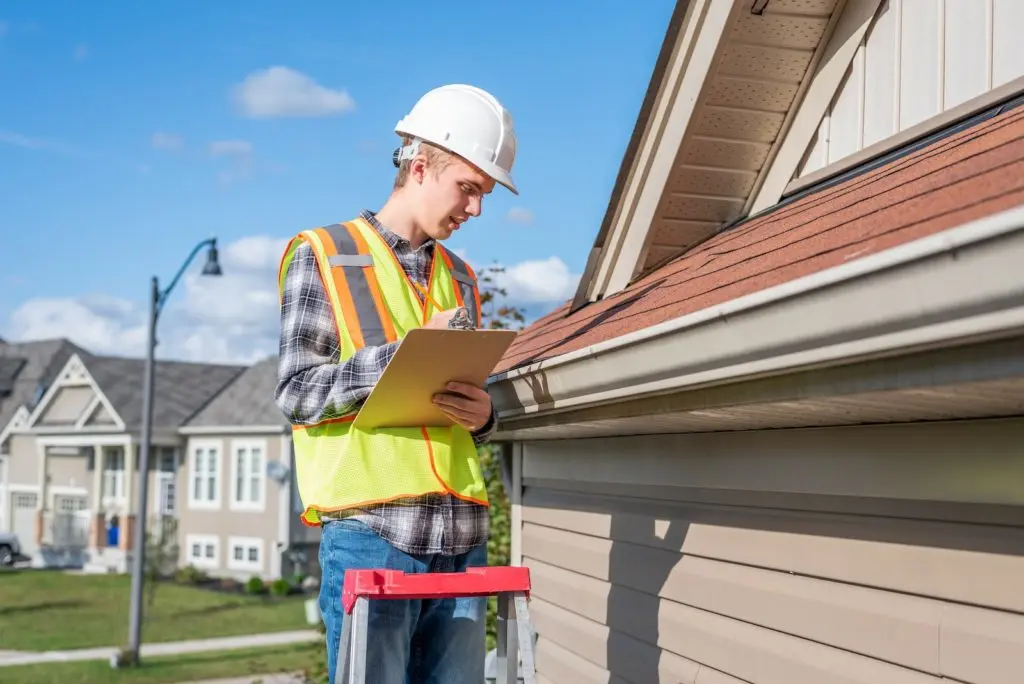
If you feel like you could benefit from a roof inspection, you are likely right. Any potential problems can be addressed, and if there aren’t any, then your mind can be set at ease. Here’s more information on what the roofer will be looking at and looking for, during an inspection as well as what you can look for that may indicate that you need one.
Read More: What Happens at a Roof Inspection?
What Roofers Look For When Doing An Inspection of Your Roof
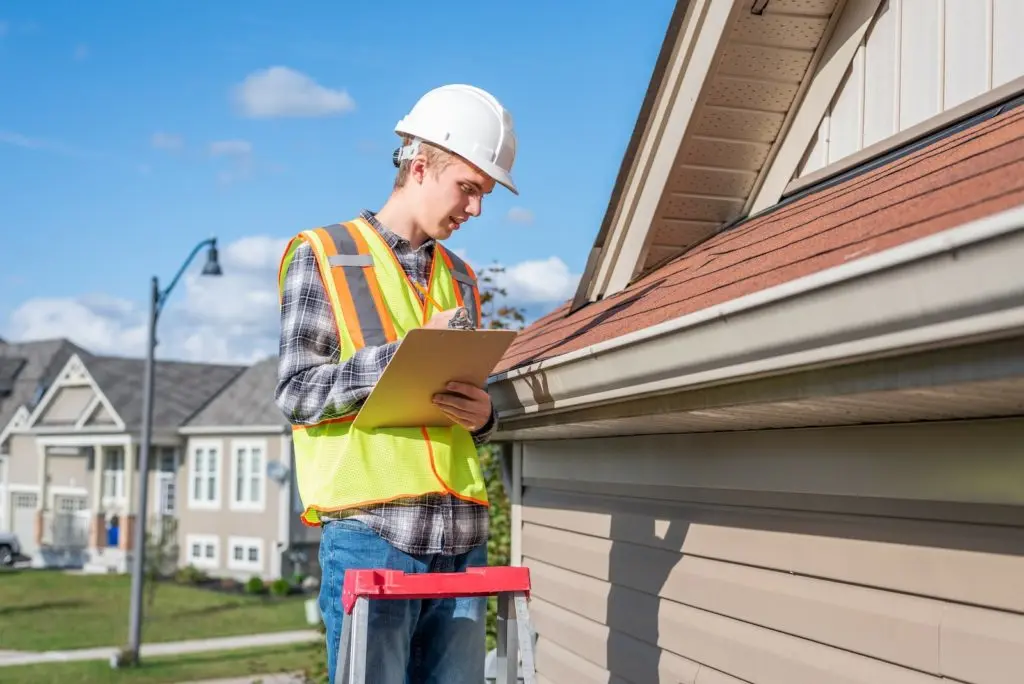
There are countless things that a professional roofer will look for when inspecting your roof, however, here are some of the most common. You can also use this information during your own periodic or post-storm visual inspections to determine if you need to call a roofer for repairs or in the worst case scenario, a replacement. More information here in our article: Should I Repair or Replace My Roof?.
Shingle Damage
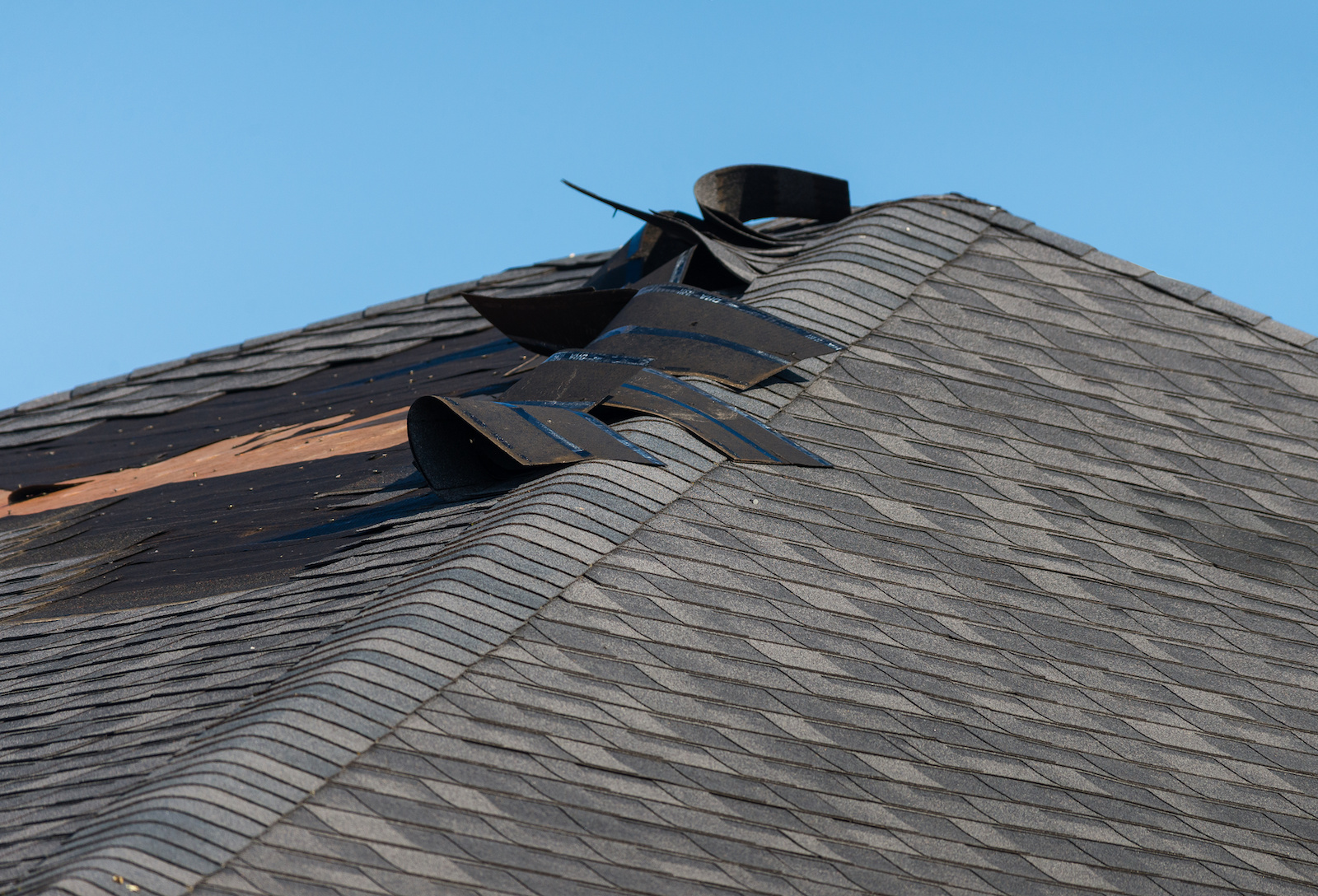
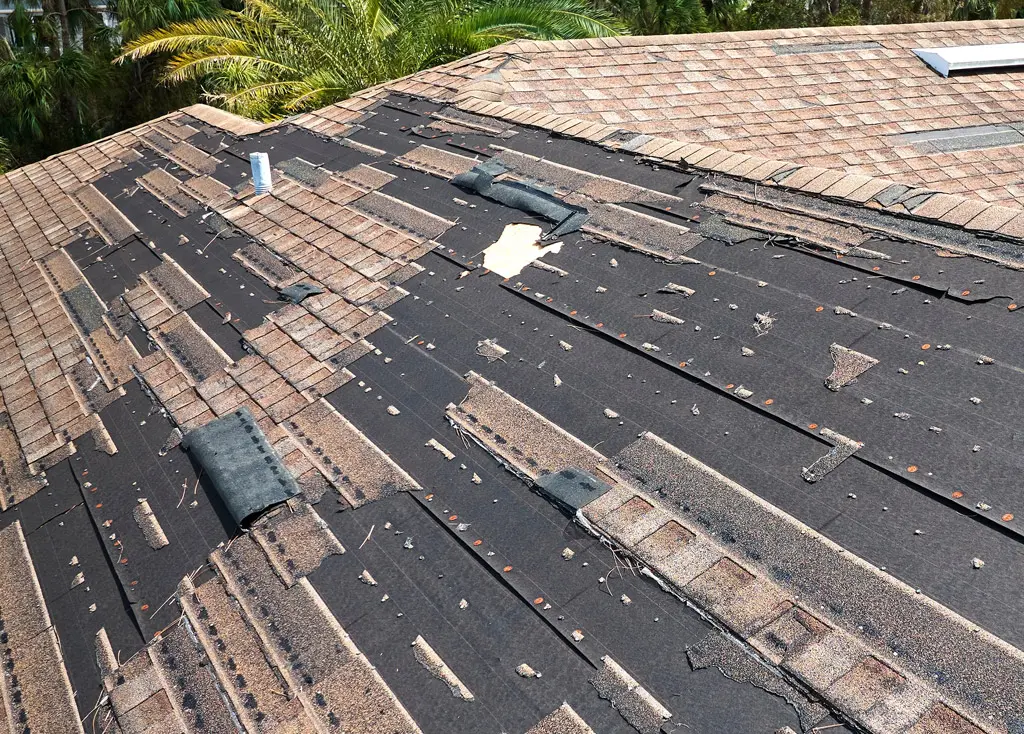
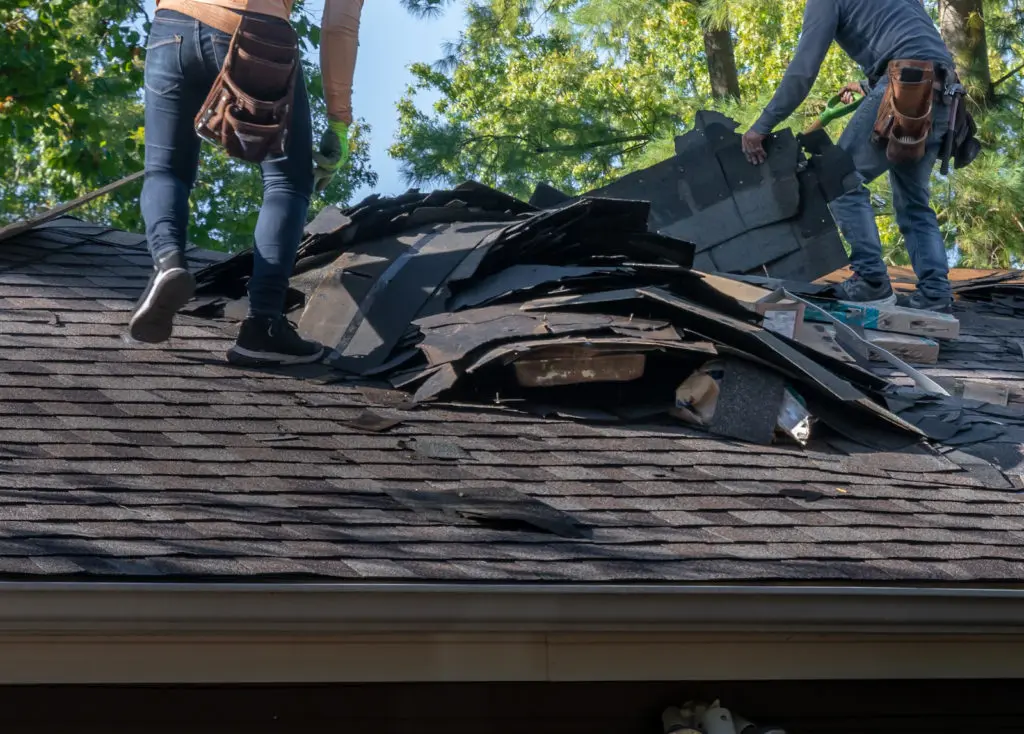
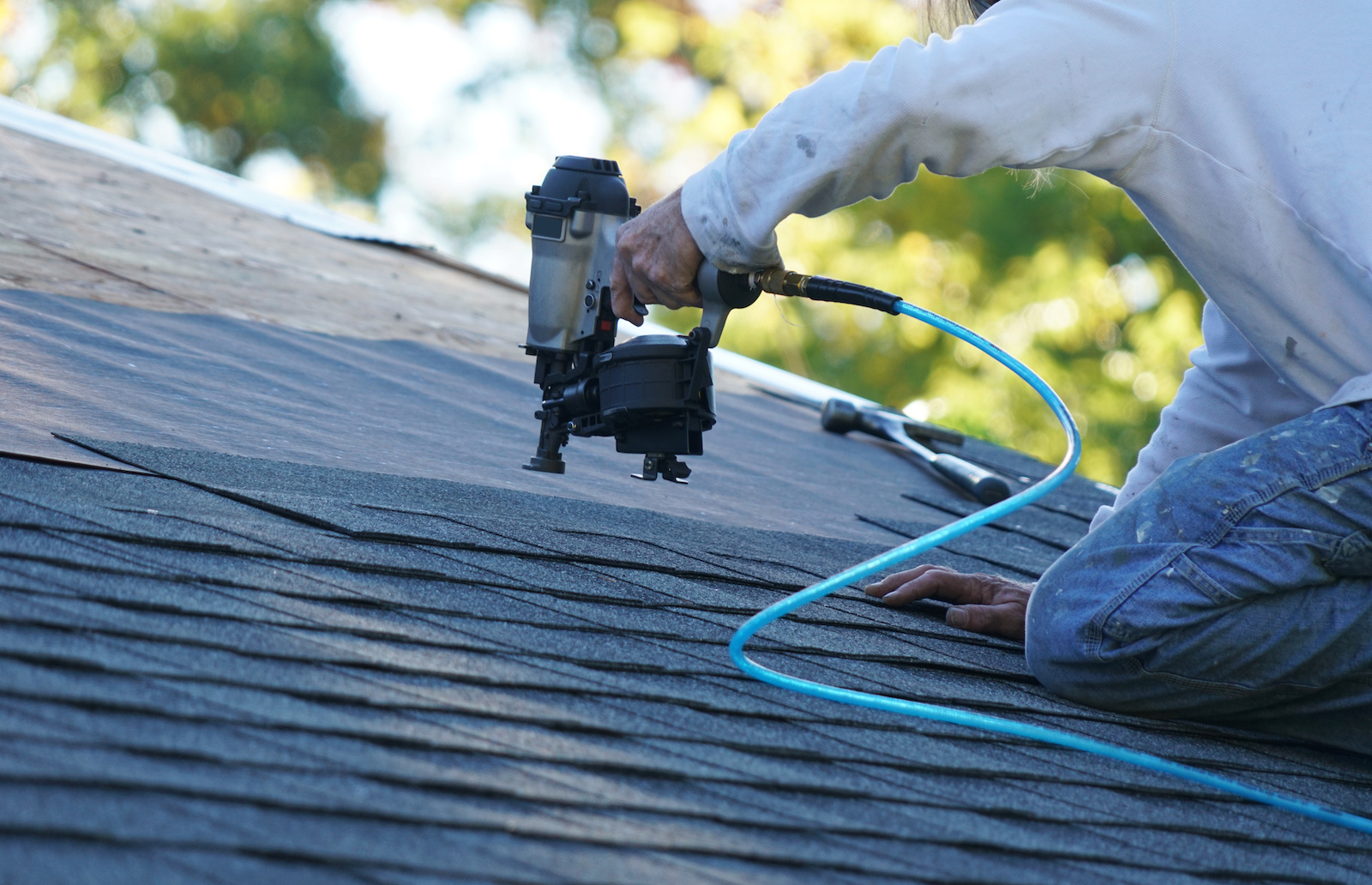
During an Austin roof inspection, a roofer will look for many different types of damage that shingles can sustain. There may be entire shingles missing after a particularly bad storm, or a period of neglect. They may also be cracked, broken, or loose.
Poorly installed shingles can also lead to issues down the road, as they can let water seep underneath or in between the shingles. There is also the possibility that a nail came loose, which often presents as a small bump in the otherwise flat shingled surface.
To help choose the most durable roof shingle types, please take a look at our article about the best types of shingles.
Signs Of Water Damage
There are countless signs of water damage that a roofing professional will look for during a roof inspection in Austin homes and businesses. One common sign is inspecting the attic for visual signs of moisture. They will also generally get on the roof to check the condition of the decking.
The decking is the flat wooden surface that the shingles or other roofing materials are attached to. If the decking has water damage, it will often feel spongy, and the roofer will recognize this when they step on the damaged area.
Mold
The Austin roofing inspection will always include checking for signs of mold growth in the home. The first place this will often be evident is in the attic, which can be compounded in attics with poor ventilation or where roof ventilation is obstructed or damaged.
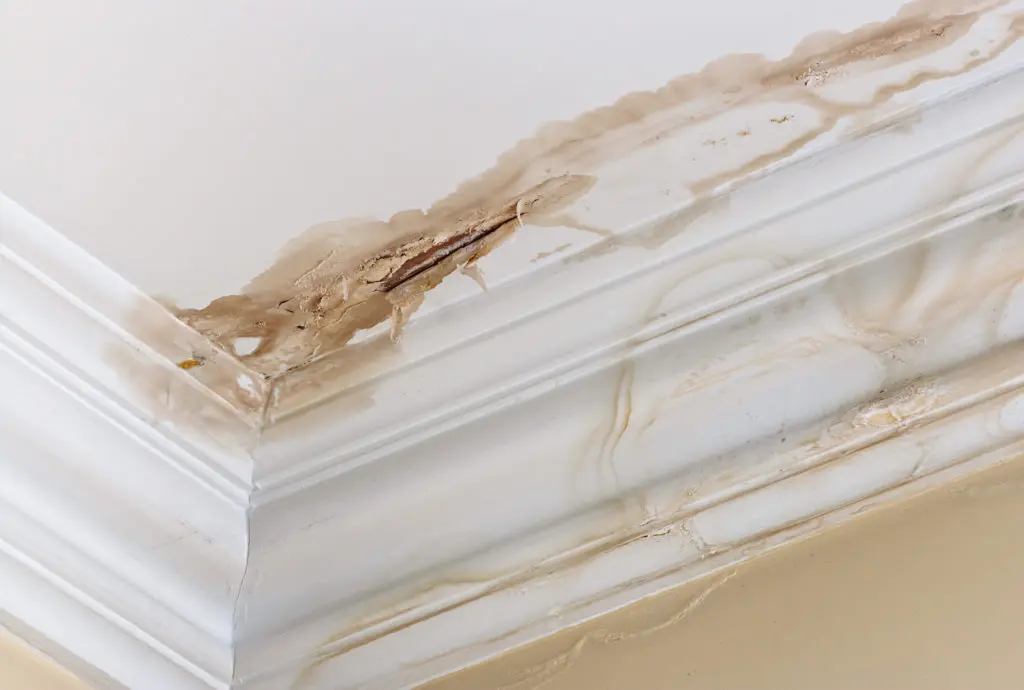
This can also be seen in the home, frequently on ceiling and wall materials like drywall or plaster. The mold will often be recognizable as discoloration or spots. Many times these will be on perimeter walls and corners, though this is not always the case.
Clogged Gutters
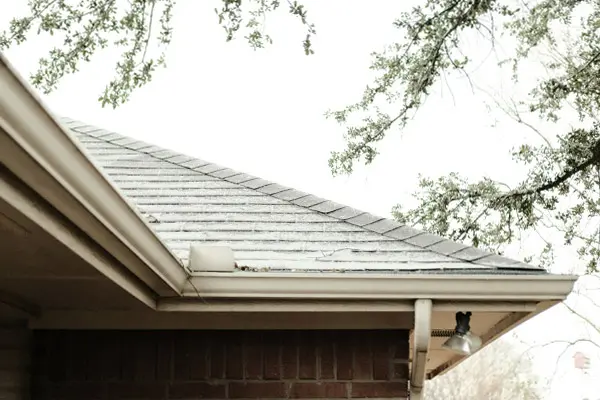
Clogged gutters are something that a roofer will look for as an indication of potential damage since they are so often the cause of water damage. They will look for obstructions, open seams, poor attachments, and more that can indicate possible water exposure over time.
When the gutters become clogged, they begin to fill with water as they back up, which can cause water to seep underneath the shingles. Once moisture has penetrated the roofing layers by backing up underneath the shingles, the water damage can become irreversible.
Signs That Your Roof Could Need An Inspection
There are many signs of roofing damage and deterioration, however, many are hidden from the naked eye and only able to be found by professionals. Here are some signs and indications that you can look for during your own visual inspections that could point to a potentially more serious problem.
Bald Shingles
Shingles are usually topped with grit for two reasons, to give them resistance to UV rays which degrade them quicker and make them brittle, and to give them significant added weight resulting in better wind resistance. This means, however, that bald shingles are broken shingles.
Keep an eye out for any obviously bald shingles. You can also watch the bottom of your downspouts for grit build-up. If your shingles are losing grit, the grit will end up in the gutter and much of it will leave via the downspout, resulting in a small pile of sandy grit where your downspout stream settles.
Read More: What To Do When You Have Roof Damage From Wind?
Cracked, Damaged, or Missing Shingles
These are even easier to spot than bald shingles. Cracked and broken shingles will be able to be spotted by their irregular or jagged appearance. Missing shingles will also be incredibly obvious, being a completely vacant spot in the line of shingles.
All of these situations represent an urgent need to get in contact with a qualified roofer. Not only will the problem lead to much more severe water damage as time goes on, but it become much more expensive to fix as well. Ideally, this is a problem you have fixed before the next rainy day.
Discoloration
Discoloration is a symptom of water damage that you will be able to see from the inside of your home. Slow leaks and moisture infiltration will often result in ceilings and the upper portion of walls getting some of the moisture. Over time, this causes visible discoloration in the plaster or drywall. This is a sign that your roof has had a relatively minor leak for an extended time.
Sagging
Sagging is where overhead materials become wet and spongy and start to sag or buckle under the added weight. When an entire roof begins to sag or any large portion of it, t can often be seen from outside with the naked eye.
Sometimes, however, slow leaks will allow interior overhead materials like drywall ceilings to become wet and sag. This can become noticeable when in the home, and can eventually lead to the materials failing and falling down, potentially causing injury or more property damage.
Roof Leaks
Looking at the inside of your roof can be a simple yet valuable method for being aware of any roof leaks that occur from heavy rain and inclement weather. Most homeowners can view the inside of their roof from their attic or crawlspace. Take note of any spots or discoloration that you see, and be sure to call a roofer if they grow or change shape at all, as this can indicate an ongoing moisture issue.
Read More: What Does a Roof Leak Repair Cost?

Dampness
Obvious dampness and high levels of humidity is one of the “dead giveaways” that a roof may have a potential moisture penetration problem. When examining crawlspaces, attics, and upper-level ceilings and walls, any detectible dampness indicates there is an issue with water getting past the roof and should be investigated and repaired immediately.
What To Look For When Hiring a Company To Perform Your Roof Inspection
There are a lot of companies out there to choose from, and sometimes this can make choosing one a more stressful task than it should be. Here are some tips to help you find the best company for your roof inspection needs.
Solid Local Reputation
It’s challenging to find a better referral than a friend, family member, or co-worker giving a glowing endorsement of a roofing company that they have recently used. Asking neighbors is also a great way to identify local leaders in roofing excellence.
Favorable Online Presence
Once you have a couple of potential roofing companies, do a bit of digital research and see what the internet has to say about them. Make sure you read a good number of both favorable and unfavorable reviews so that you have a well-rounded idea of their service level. It’s also smart to gather information from public platforms that do not allow business owners to pay for the removal of bad reviews, like Google.
Willing To Do A Free Inspection
Any respectable local roofing company will allow you to schedule a roof inspection with no further obligation. This means they will give you an honest evaluation of the condition of your roof, knowing that you still have the option to go anywhere else to have the work done or additional inspections made.
Friendly Technical Expertise
Following your roof inspection, the roofing company should be able to easily, simply, and clearly explain any of the evidence they found and discuss the work they feel is needed. They should be able to answer any questions you have in a clear and friendly manner, as well as detail what items they feel are higher priority, and what items can be fixed at the nearest convenience.
A good roofing inspector will also help you choose the roofing with the longest lifespan possible, in relation to your needs, preferences, and overall budget. More information here about the cost of a new roof.
Read More: What to Know Before Getting Your Roofing Repair in Austin
Hire Us for an Austin Roofing Inspection!
Ready to speak with someone about scheduling a free roof inspection in Austin? Get started by contacting our trusted roofing professionals in your area today! Not only will you be able to schedule your Austin roofing inspection at a time that works best for you and your busy life, but you can get answers to any questions you may have as well. LOA Construction handles various services such as roofing installations, replacements, repairs, maintenance, hail damage repairs, roof coatings, and general contracting services for both residential and commercial clients.
We are skilled in roof inspections for asphalt, metal, clay, TPO, EPDM, tile, flat, slate, Built-Up/Mod-Bit, and more. Our roof inspectors have years of experience working with various types of roofs, and will give you the best recommendations for the right type of shingle or material for your specific needs. More information about the best roof types for Texas here.
Get a roofing inspection in Austin, Houston, San Antonio, or the surrounding areas of Belton, Temple, and Killeen!