Category: Uncategorized
Benefits of a TPO Roof – LOA Construction
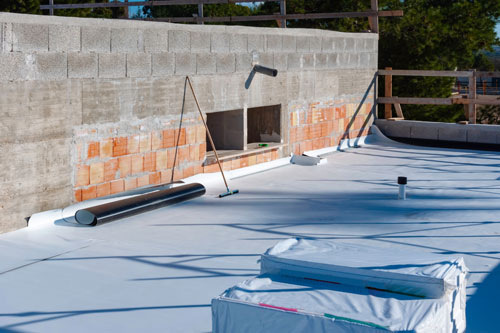
8 Benefits of TPO Roofing
One of the most common and quality choice of roof a commercial property owner can make is a TPO roof. At LOA, we’ve personally seen TPO roofing explore in popularity as more and more people learn about it and its benefits.
If you’re not familiar with TPO roofing, it’s a thin and reflective type of roof that’s commonly used for commercial roof projects. It is made from single-ply TPO (Thermoplastic polyolefin) roofing and is comprised of three layers:
- • TPO polymer base
- • Polyester-reinforced scrim
- • TPO compounded top ply
There are many benefits to opting for a TPO roof when compared with some of the other types of commercial roofs. For example, it is environmentally friendly, cost-effective, and easy to install. Here’s more about what to know about Thermoplastic Polyolefin roofing material.
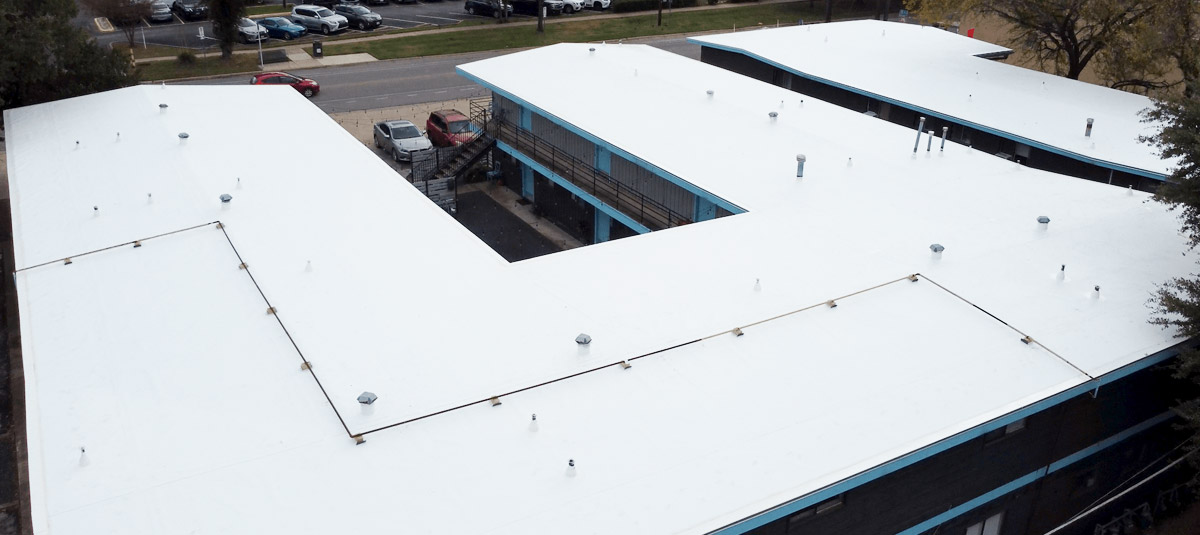
8 Benefits of TPO Roofs:
Here’s a breakdown of just some of the reasons why the experts at LOA Construction love to work with TPO roofing:
1. Cost Effectiveness
Compared with other types of commercial roofing, we tend to recommend TPO roofing because it’s a more affordable option. However, while TPO has a lower price tag, it doesn’t sacrifice on quality.
For instance, a TPO roof has strong seams and offers excellent puncture-resistance, fire-resistance, and can even hold up well when exposed to certain chemicals.
2. Versatility
If you’re looking for a more versatile and flexible roofing option, TPO is the roof type for you! Thanks to its flexibility, it can easily adjust to a wide range of roof types – both commercial and residential.
Adjustability also makes it a bit easier for our roofers to work with.
3. Easy Installation
Thanks to its lightweight makeup and it coming in wide sheets, TPO roofing is pretty easy to install. Also, when a commercial property has a roof installation, the business will likely have to shut down for a few days.
As a result, you’ll need to choose a roofing type that’s easy to install and as quickly as possible. So that re-opening your business isn’t too delayed, you should try TPO for your next roofing installation!
4. Protection Against Leaks
TPO roofing is welded with hot air, making it highly resilient against leaks. In addition, since TPO roofing seams are melded together, this makes leak repair quite a bit easier for our team in the instances when leaking occurs.
If you aren’t checking for leaks, you can always contact your local roofing company for preventative maintenance services and request an appointment with them.
5. Low Maintenance
Another great reason to choose TPO is due to its overall low maintenance. A TPO roof’s surface generally needs only to be cleaned (to prevent too much buildup of debris or pests) and washed using a pressure washer.
If the roof is still dirty following a thorough cleaning and washing, repeat the process again until it is clean. You should also check for any signs of damage (check the seams and transitions between the membrane) or poor drainage. Read more about TPO maintenance here.
6. Energy Efficiency & Environmental Friendliness
Commercial property and homeowners will benefit from the heat-reflective properties that come with TPO roofing. In addition, they are highly resistant to ultraviolet rays, ozone, and chemical exposure alike.
Thanks to these factors, TPO roofing can help you save on cooling expenses, especially throughout Texas heat. It’s also worth noting that TPO roofs are 100% recyclable, making them environmentally friendly.
7. Great Longevity
While not as long lasting as a metal roof, your TPO roof will still last you quite a while. You can expect a TPO roof installation to last around 30 years or more.
Keep in mind that TPO roof longevity is dependent on how well it’s installed, and how well you maintain it throughout its lifetime.
8. Aesthetic Appeal
Lastly, TPO roofing is an aesthetically appealing, clean look for any commercial building. Its clean appearance will even work well for some residential properties.
There are several colors available for TPO roofing, including white, black, and gray. Because of its versatility and clean appearance, TPO can look great on a number of different types of buildings.
Further Reading: Is TPO a Good Roof?
Considering TPO Roofing?
Before moving forward with an Austin or Houston TPO roof project, make sure to check with your local roofing team about a number of points:
- • TPO is a Newer Material: Since it’s a newer type of roofing material, it doesn’t have the proven track record and data when compared with other roofing types.
- • TPO is Currently Being Improved: To go along with this, since it’s a newer roof type, there are continuous improvements being made. Your local roofing company will adjust as necessary with your TPO installation or repair.
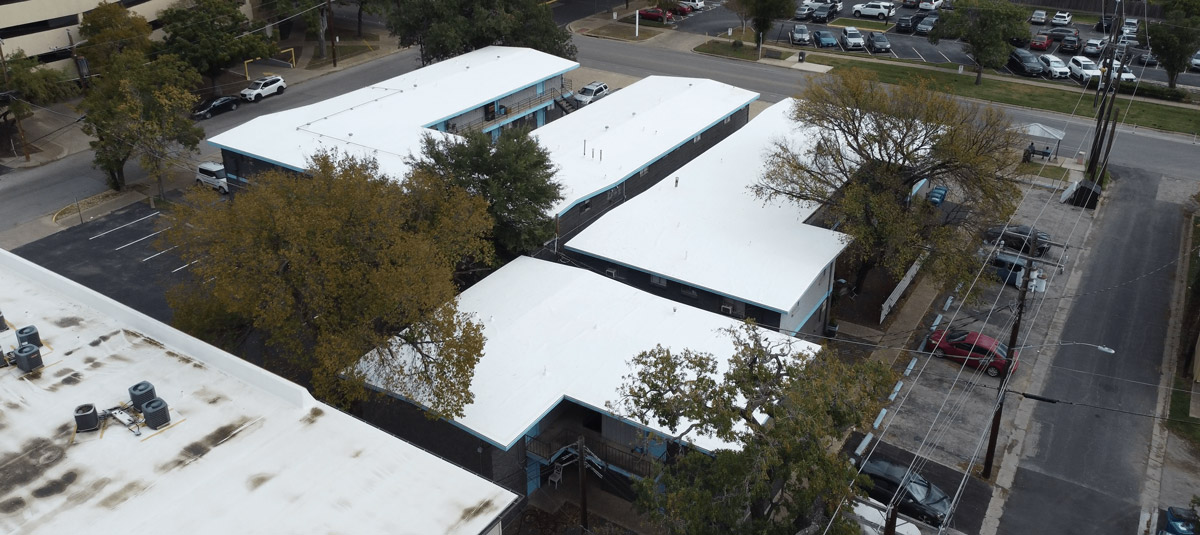
Ready to talk about your TPO roofing project? Request an appointment here.
Why Choose LOA for TPO Roofing?
There are many benefits to choosing TPO roofing over other roofing types. While it’s most often used for commercial properties, some homeowners are finding value in TPO also. When it comes to cost effectiveness, versatility, ease of installation, leak protection, energy efficiency, environmental friendliness, and aesthetic appeal, you should consider TPO for your next roofing project!
Have questions about TPO roofing? Contact our Austin roofing team today! We also serve the communities in and around Houston, San Antonio, Belton, Temple, and Killeen, and beyond. If you would like to check out our work on other TPO roofing project, take a look at our gallery here.
Points to Consider with Clay Tile Roofing – LOA Construction
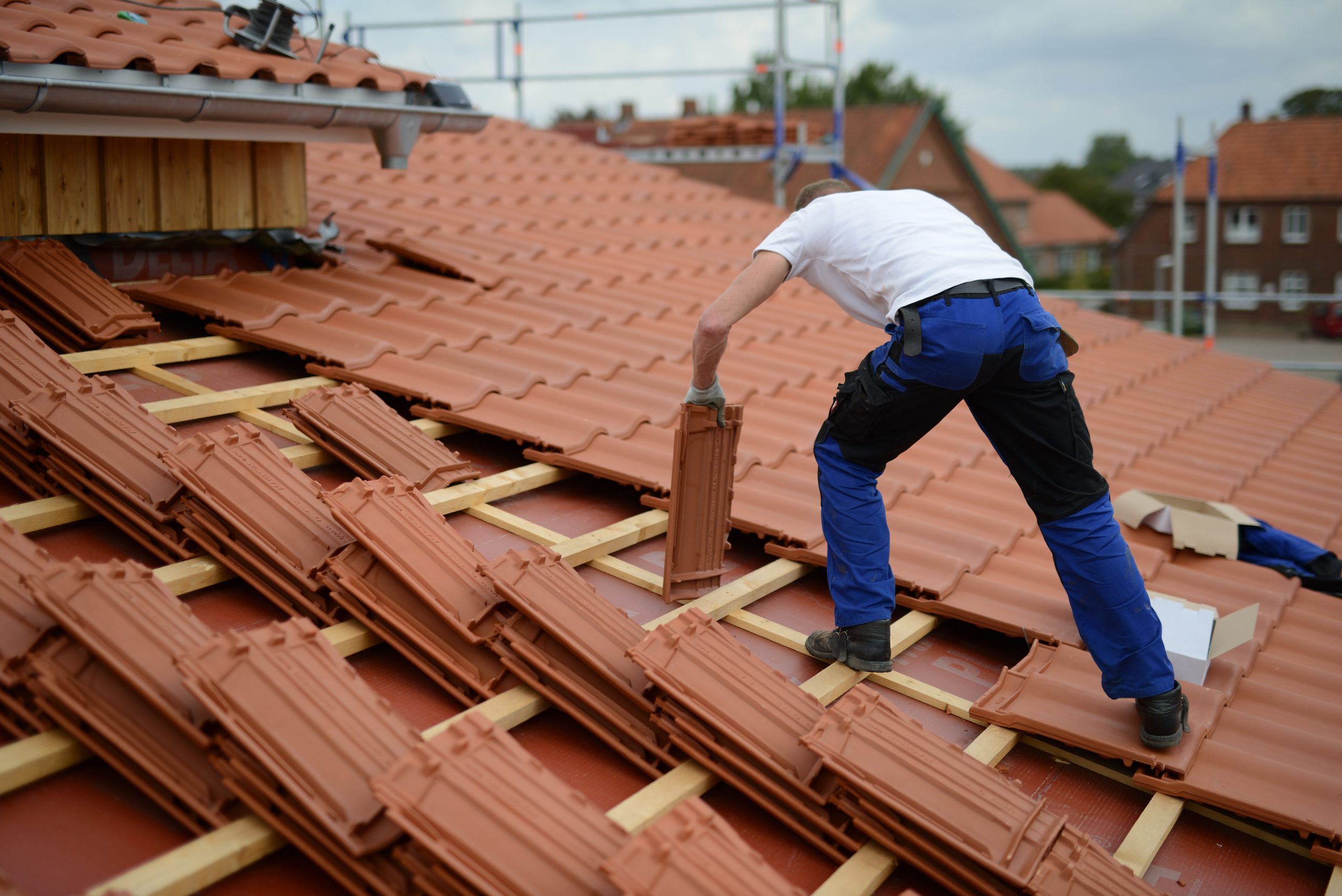
6 Points to Consider for a Clay Tile Roof Installation
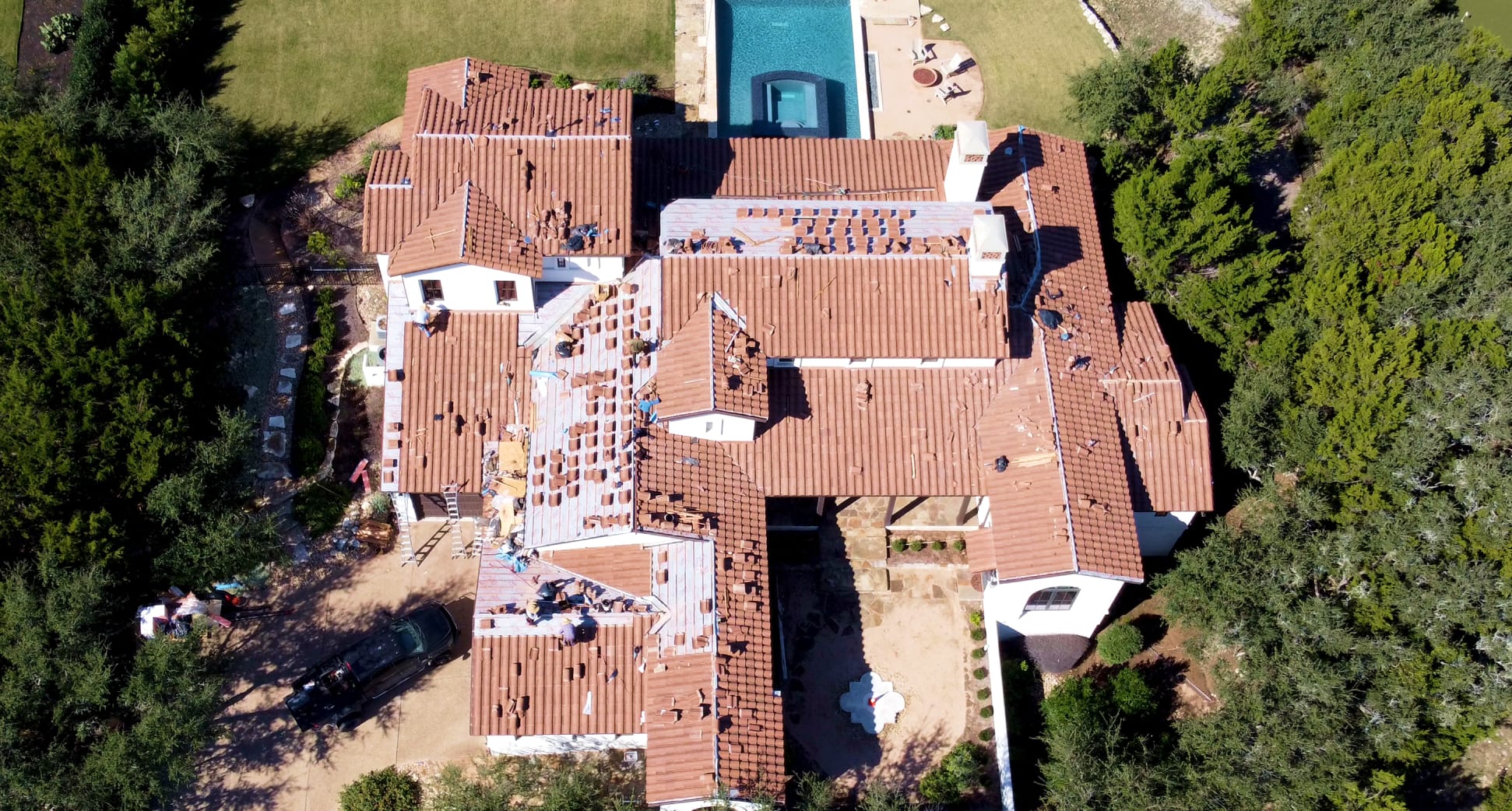
There are many attractive qualities to a clay tile roof. With that in mind, there are several considerations to keep in mind when it comes to a clay tile roofing installation for your home.
Overall, when it’s time to replace a roof, or there’s enough storm damage that an emergency roof fix can’t resolve, many homeowners choose clay tile roofing because of its classic appearance and incredible durability. While clay tiles are heavier than other roofing materials, they can last 50 years or more.
On the downside, roofing systems such as clay tile roofs represent a significant initial investment that can be destroyed if not installed and taken care of properly.
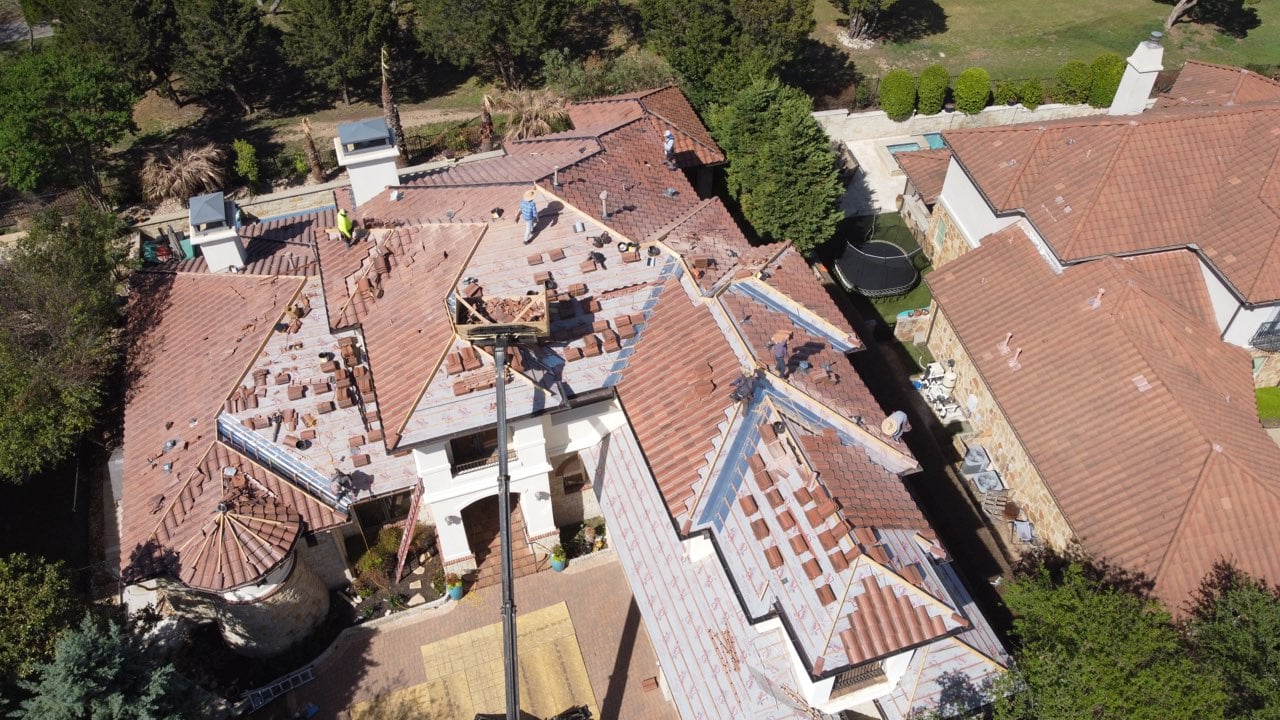
The process of installing roof tiles is lengthy and requires a lot of pre-installation setup, such as finding appropriate underlayment for the specific type of tile and measuring all of the materials. From there, once the actual installation starts, the roof tiles must then be installed in a specific pattern to make sure they stay in place and the roof will not leak.
Here are some key requirements for long-lasting clay tile roofs.
1. Upfront Cost
When compared to other types of roofing, keep in mind that clay tile roofing will be a bigger investment than some. However, when you consider a clay tile roof’s lifespan (which is estimated at between 50 and 100 years), you’ll find that the investment is worth it.
If you have questions about a clay tile roof’s upfront cost, please don’t hesitate to reach out to the team at LOA Construction! Find out about the different types of tile roof and the best way to install them here.
2. Weight
Another important consideration is the weight of clay tiles. Compared to a roofing system such as asphalt, your clay tile roof will be much heavier.
It will be important to have your roof structure inspected by a local roofing company in Austin to ensure that your home will be able to support the extra weight that comes with a clay tile roof.
Read More: 4 Tips For Choosing A Roof Type
3. Materials Used
Now, let’s talk about the materials required for a clay tile roof installation.
Clay tiles tend to vary in their performance, and many roofs show damage not long after they were installed. A good rule is that the tiles should have a high success rate in the climate where they will be installed. For example, if you live in a colder climate, be sure to check if the clay tiles you are tested and perform well for your area. The materials and tiles should be tested for impact, wind, and heat resistance.
4. Underlayment
Clay tile roofs are designed to shed water when it is raining or snowing. Although, it is almost inevitable that some water run-off will find its way underneath the roofing material. Experienced roofing companies will assemble a layer of self-adhered waterproofing membrane, which sticks to the roof deck and prevents a leaking roof when water backs up behind ice dams and also seals around roof fasteners.
One important caveat to keep in mind for clay tile underlayment: self-adhered membranes can invite condensation in some buildings and climates.
5. Gutters and Flashing
During the roof installation process, the other components should have the same life span as the clay tile material. For clay roofs, it’s important that the perimeter flashing and gutters are made with durable materials such as heavy-gauge copper or stainless steel.
6. Attachments
For clay tiles to adhere securely to the roof deck, use rust-resistant copper or stainless steel nails. This will help to prevent noise created when tiles rattle against each other when it’s windy. For along the roof perimeters, look for nose clips that restrain the front edge of the tiles.
The Benefits of Clay Tile
Wondering if you should repair or replace your roof? With all the considerations and pros and cons that come with clay roofing tiles, their beauty, long lifespan and an array of cost-saving benefits tend to outweigh these considerations. Make sure you work with a company that can meet all these considerations and more.
When investing in a clay tile roof, you’ll want to ensure that you have chosen the right roofing company for the job. Ask friends, family, coworkers, and acquaintances about a solid roofing company in the area. Review Google, Yelp, and Facebook reviews, read through their testimonials, and reach out to the company to compare pricing and get more information about how they handle projects.
Hiring a professional roofing company may be a large financial investment up front, but it’s something you definitely don’t want to shortcut on.
Why Choose LOA for a Clay Tile Roof Installation?
Need to get a roof estimate? With decades of combined experience in the roofing industry, look no further than LOA to be your source for installations, replacements, repairs, maintenance, how to eradicate humidity, what to do when you have roof leaks from heavy rain, emergency services, and more.
Beyond the Austin, TX area, the roofers at LOA Construction also serve Houston, San Antonio, Temple, Killeen, and Belton, and beyond.
Further Reading:
Should I Repair or Replace My Roof? – LOA Construction
What Is the Best Time of Year to Install a Roof? – LOA Construction
Best Roof Types for Texas – LOA Construction
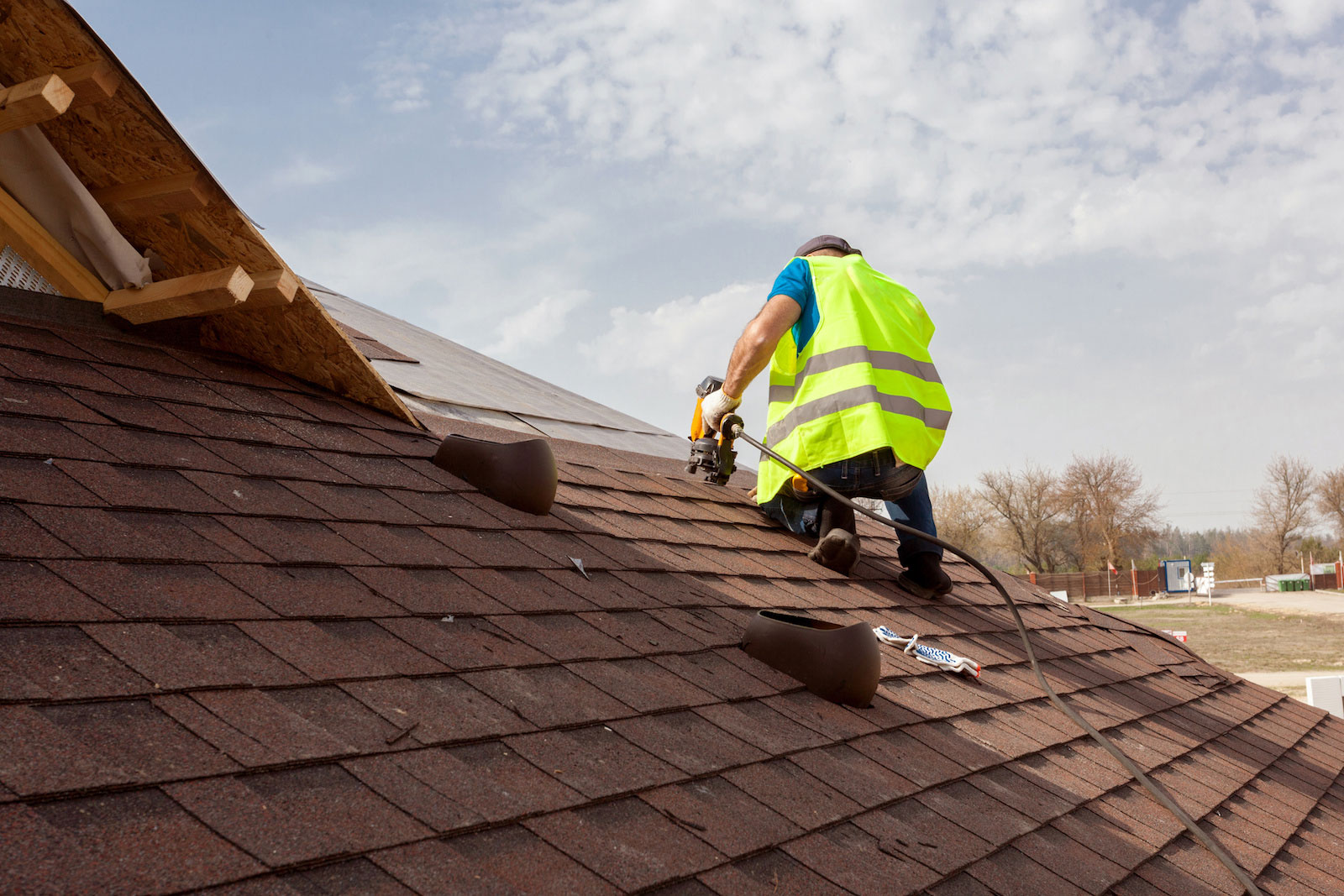
Is it time to replace your roof or you notice signs of roofing damage? When it comes to roofing materials, the truth is that all roofs are ‘good.’
That said, our professional roofers understand from personal and professional experience that certain roof types are better suited for certain environments. For example, some are more durable against the elements, some provide a better lifespan, and some come at an affordable cost, (yet still don’t sacrifice quality).
It’s important to note that every region has its own climate and culture, and property owners want to be sure that what they choose will complement their property.
Read More: What Are the Different Types of Shingles
The Best Roof Types
If you’re looking for a quote for a roof replacement service, there are various roofing types to research and have a good understanding of. Some of the best roof types for the state of Texas include asphalt shingles, clay tiles, slate tiles, and metal roofing.
Read More: Need to Get a Roof Estimate?: Here’s How to Find the Right Roofing Company
Asphalt Roofing
Asphalt shingles are hands down the most common roof style for both commercial and residential properties found in the United States. They come in a variety of colors and styles at various prices, giving property owners plenty of options when it comes to finding the right look for their home or business. Read more info here for the different types of asphalt shingles that are perfect for your roof.
Beyond their aesthetic appeal, asphalt shingles are also fire-resistant. This increases their value greatly, as they give the home added protection. Another factor adding to their value is that asphalt shingles are more energy-efficient than alternative options and are incredibly resistant to high winds (a new improvement in recent years).
Considering how versatile and cost-effective asphalt shingle roofs are, it’s no surprise that they are widely regarded as the most popular type of roof in the United States. They usually come with a warranty of between 20 and 40 years.
So if you’re planning on investing in a roof, we highly recommend asphalt shingles!
Read More: Minimum Slope For An Asphalt Roof
Clay & Slate Tile Roofing
Clay and slate tiles come with an incredible amount of aesthetic appeal. While this option is more costly in the beginning, clients will ultimately save money in the long run. They are incredibly durable, allowing homeowners to spend less on maintenance and roof fixes. They also help keep energy bills low with their elite insulation capabilities.
Clay and slate tile roofs naturally resist rot, mold, insects, and even fires. They also absorb less heat than other roofing systems, meaning that they will cool down faster on excessively hot days. Best of all, they are known to last for up to 150 years. As such, they typically come with 50-year warranties.
An important consideration with clay and slate tiles, however, is that they are a bit heavier than other roofing systems. As such, a home may need additional weight support in order to install a clay and slate roof system safely.
For this reason, it is vital to have the property inspected by a certified construction company before going forward with any roof installations. Take a look at our 4 things to know about getting a slate roof article for more valuable information the topic of tile roofs.
Read More: What is the Best Time of Year to Install a Roof?
Metal Roofing
In recent years, metal roofing systems have become increasingly popular in Texas. As both an incredibly versatile and durable roofing option, these roofing systems provide property owners with both efficiency and aesthetic appeal simultaneously.
There are different types of metal roofing styles and their estimated price windows. In that article, we go into more detail of the pros and cons of each kind of metal roof, but here’s a brief summary:
- Aluminum Roofing: $300-600
- Copper Roofing: $1,000-$2,000
- Corrugated Metal Roofing: $150-$250
- Standing Seam Roofing: $40-$140
- Steel Roofing: $300-$500
- Tin Roofing: $300-$1500
- Zinc Roofing: $600-$1200
Of course, the price windows listed above for each metal roof type will fluctuate over time. You should check approximate metal roofing cost here.
When choosing a roofing system in Texas, one must account for the various types of weather we get year-round. Metal roofing systems come with the advantage of being able to deflect the sun’s powerful rays, keeping homes cool throughout the hot summer months. This makes for a much more energy-efficient solution than asphalt.
They are also the ideal roofing option for fending off more unpleasant weather conditions, such as high winds, heavy rains, hail, or roof leak issues. Metal roofs are also great for handling snow and will not crack like asphalt shingles tend to do.
Like clay and slate tile roofing, metal roofing is known to last for a very long time. They typically come with warranties of 40 years or longer.
Here’s some information about the minimum slope of a metal roof.
Other Roof Types
There are other types of roofs that you should be aware of that are well-suited to residential, commercial, and industrial properties alike. Please talk with your local roofing contractors about which roofing type suits your needs best:
- TPO Roofing
- Flat Roofing
- Wood Shingles/Shakes
- Concrete Tiles
- Built-Up/Mod-Bit
- Rubber Roofing
- EPDM Roofing
Read More: What are the Best Shingles for Your Roof?
We Can Help You Choose the Best Roof Type!
When installing or replacing a roof, there are multiple factors that property owners must consider. Before making any decisions regarding a roofing service, it is a good idea for property owners to reach out to an experienced roofing company to ensure they receive the most quality and cost effective option. Here are 4 tips for choosing a roof type to help get you started.
At our roofing company, we provide our clients with only the best materials available, setting them up for years of happy living. Take a look at our main roof types page here.
Why Choose LOA?
What makes our company stand out from the competition? LOA has recently been honored as among the Top 100 Roofing Contractors in the country! Our team serves the Austin, Houston, San Antonio, and Temple, Killeen, and Belton, TX areas and beyond.
Additionally, we have nearly 500 five-star Google Reviews that attest to the quality of our services. Our team is fully licensed and experienced when it comes to roof installations, repairs, storm damage, windows, gutter systems, and more.
We also focus on integrity with every project we handle. This means that we will always provide an honest assessment of your roof’s condition, and won’t pressure you to replace your roof if a repair is all that’s needed. More info in our should I repair or replace my roof article?
Read More: 10 Tips for Choosing a Roofing Company
Contact LOA
Need a roof inspection? Please contact our roofing team today about installations or repairs for asphalt shingles, metal roofs, or clay and slate tiles.
Besides residential and commercial roofing services, we also provide services for roof coatings, maintenance, repairs from storm and hail damage, emergency roof repairs, and more. Request an appointment here.
Further Reading:
- How Humidity Affects Your Roof During Winter
- Flat Roof Repair: How to Know if You Need One
- TPO Roofing Maintenance
- Is Your Roof Leaking by a Vent Pipe?
- Is TPO a Good Roof?
- Need a Roof Leak Repair ASAP?
- What Does a Roof Leak Repair Cost?
- Leaking Roof? Why You Need to Fix It Immediately
- What is the Longest Lasting Roof For Inclement Weather?
The Best Options for Roofing in Austin: Materials and Styles Explained
Write your section heading here
Use the Visual / Code editor to write your content, add links, and build lists.
8 Signs Your Roof Needs a Repair – LOA Construction
What Is the Lifespan of a Roof? – LOA Construction
Best Shingles: Pros & Cons Of Each Type Of Shingle | LOA Construction
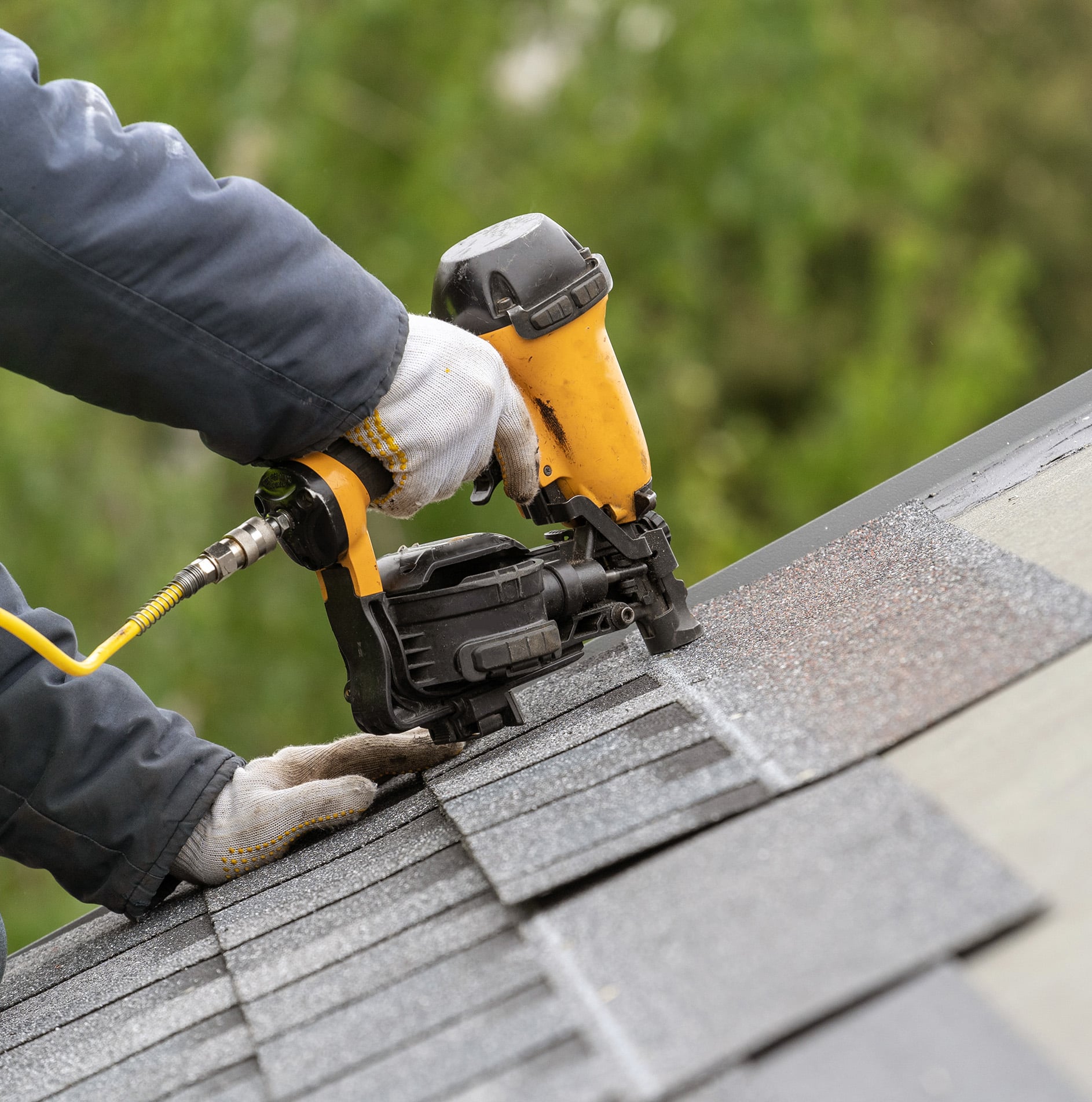
When it’s time to replace your roof, you want to make sure you pick the best shingles for your roof. If you’re not familiar with the different types of shingles that are available, you may be wondering what your options are and which will be right for your home. Each type has its pros and cons, so we’re going to take a look at the more common ones so you can pick the best kind for your roof.
The Best Shingles For Your Roof
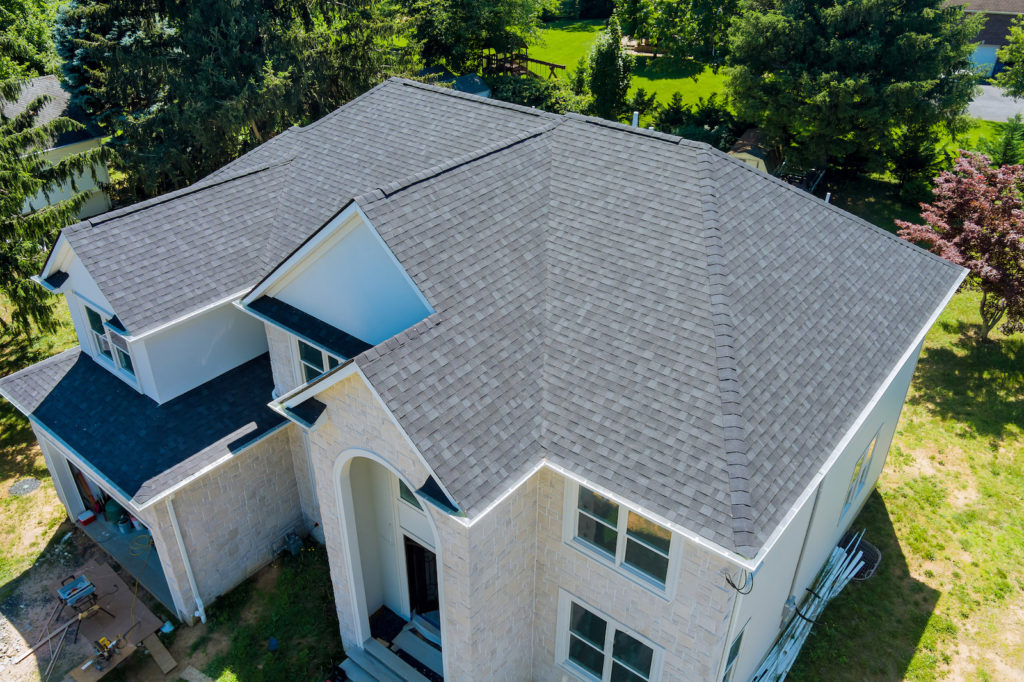
Before you decide which shingles are the best ones to go with, you need to know what you’re looking for and what the different types of shingles offer. The most common choice is asphalt, as they are fairly affordable and simple to install. They come in a wide range of colors and can fit any style.
Tile, metal, and slate are all stylish alternatives to the traditional asphalt shingles, but they are more expensive. On that note, asphalt shingles do come in a variety of looks these days and get be a great choice for most homeowners. Slate is a popular choice for older homes, such as Gothic and Victorian houses from the 1800s. In Florida and the Southwest, the Mediterranean and Spanish-style homes are popular, so you often see homes that have tile roofing. Tile is ideal in these regions because it helps reflect heat.
As you can imagine, because asphalt tiles are such an affordable option, they are the most popular choice. Some other common types of shingles include:
Asphalt Shingles
Pros: Inexpensive, easy to install, easy to replace, looks great on most homes
Cons: Can be vulnerable to wind uplift (especially if installed improperly), can crack
Slate Shingles
Pros: Thin material, long lifespan, looks great on Victorian homes
Cons: Heavy overall, difficult installation means higher labor cost
Wood Shingles
Pros: Relatively affordable, lightweight, rustic aesthetic
Cons: Easily damaged by water without proper drainage
Metal Roof Shingles
Pros: Comes in a variety of options: copper, steel, aluminum, tin. Very long lifespan, modern appearance
Cons: Can be very expensive
Solar Shingles
Pros: Each is a tiny solar panel, so you can use them to power your home, advanced technology
Cons: One of the most expensive options
Tile Shingles
Pros: Helps block heat, reducing energy costs, pest resistant, long lifespan
Cons: Heavier weight
Rubber Shingles
Pros: Lasts long with low maintenance, environmentally friendly, repairs are easy
Cons: Installation can be tricky
How To Determine What the Best Shingles For Your Roof Will Be
There are more than a dozen popular types of shingles and roofing materials available on the market. Choosing the best ones for your roof can certainly be overwhelming if you don’t know what you’re looking for or if you’re unfamiliar with the many varieties of shingles on the market. When it comes to picking the best shingles, there are a handful of things you’ll want to think about before deciding on the right shingles.
Lifespan
One of the biggest things to think about when picking out shingles is how long they are likely to last you. No matter what type of roofing materials you choose, they will all need to be replaced at some point. The lifespan of your roof is impacted by several factors, such as weather conditions and climate.
Various roofing types have different estimated lifespans. Regular maintenance and mild weather can keep your roof in better condition. Depending on the material you can expect:
Asphalt: 20 years
Fiber Cement: 25 years
Wood Shake: 30 years
Metal: 50 years
Tile: 50 years
Slate: 100 years
Cost
With most home improvement projects, the cost can often make or break things. If you are working with a smaller budget, you’ll likely want to look into asphalt shingles. Keep in mind that, not only will you have to pay for the materials, but you will also have to factor in installation and labor costs. For a new roof, most homeowners can expect to spend anywhere from $4,500 and $10,500.

Architecture
The slope of your roof can impact what shingles would be best for your home. If your roof has a really steep slope, heavier materials such as clay tiles or slate may not be the best option for your home. You should also take into consideration the weight limits of your structure. The dead load tolerance of a building refers to the total amount of weight a structure can hold safely. The average home can generally hold about 15 pounds per square foot.
Climate
If you live somewhere with mild weather year-round, you don’t have to worry so much about how the climate will impact your roof, but most people deal with some extremes, at least part of the year. If you want something that will help keep your home cool, clay tile is a great choice. If you have lots of wind, avoid rubber shingles.
Aesthetics
While it’s not the number one thing to consider, curb appeal is a big deal, especially if you ever decide to sell your home. If your home has a certain architectural style, most people want to stick with the style. So if you have a Mediterranean-style home, asphalt shingles would likely look out of place. You can also use your choice of shingles to stick with a color scheme that you like.
Companies That Will Help You Determine & Install The Best Shingles For Your Roof
When choosing a company to help you get the most out of your roofing choices, you should consider a few factors to make sure you get the best value for your money.
Be sure they come highly recommended, both online as well as in-person. This means check impartial resources like Google, as well as word of mouth from people locally that you trust.
Make sure they are fully insured. Not only in the event that something goes wrong with the roof but in the event of an injury while they’re working. They should also have current business licensing.
If you are in the Austin, San Antonio, or Houston areas and need shingles installed or serviced, reach out to expert local roofers to help identify the right materials for the job, and to have them expertly installed.