Category: Uncategorized
Why Choose a Professional for Your Residential Roof?
Roof Installations for Businesses – LOA Construction
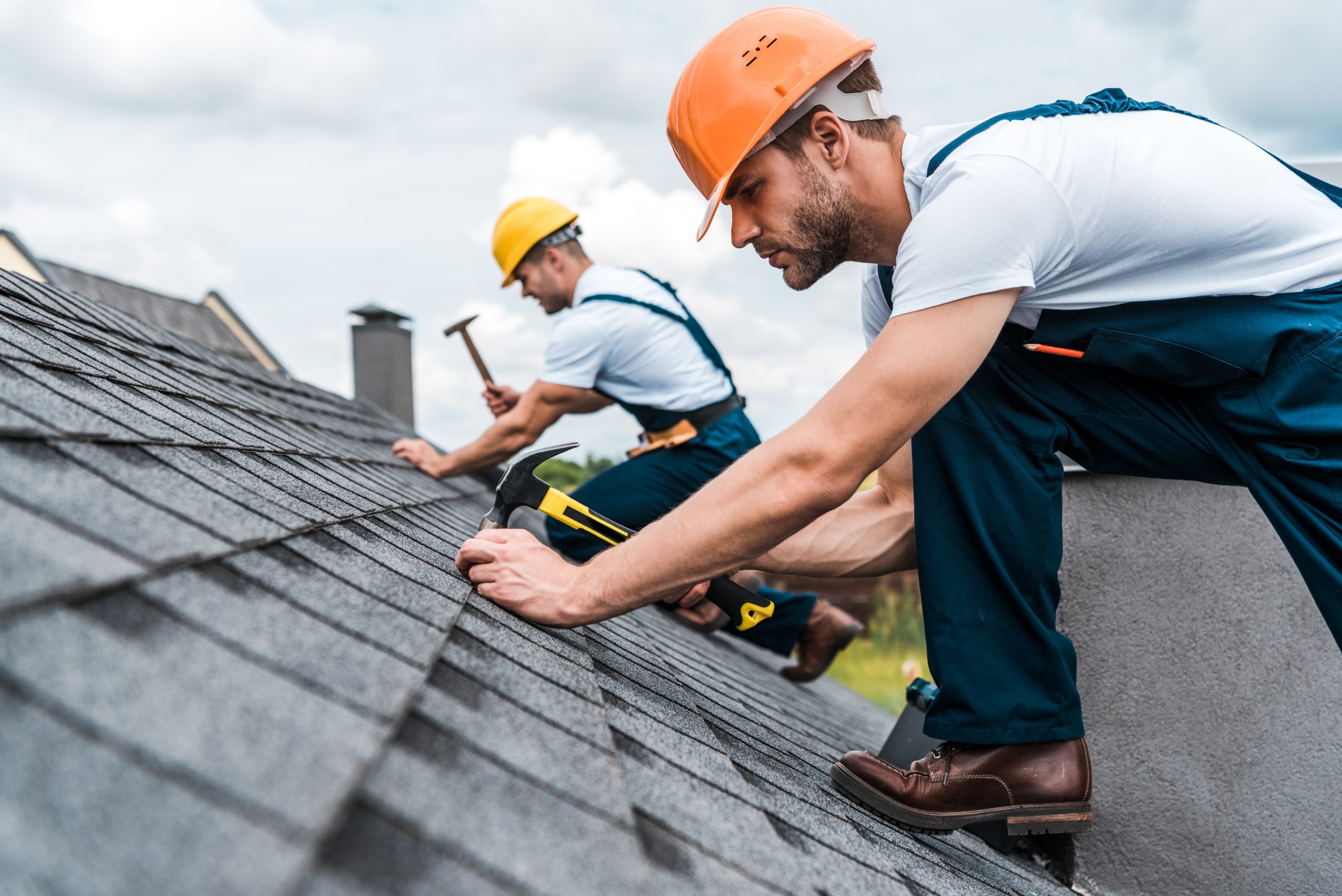
Need a Roof Installation for Your Business?
Looking for a roof installation for your business? When it comes to running a successful company, ensuring the safety and integrity of your commercial property is paramount. One crucial aspect of maintaining your business property is the roof. A sturdy and well-maintained roof not only protects your assets but also plays a significant role in creating a positive impression on clients and customers.
In this article, we’ll explore the importance of roof installations for businesses and provide valuable insights into the process. Read more information here about knowing when it’s time to replace a roof.
The Importance of a Solid Roof for Your Business
Asset Protection
Your business property houses valuable assets, including inventory, equipment, and technology. A robust roof shields these assets from the elements, preventing roofing damage from heavy rain, wind, snow, and other environmental factors.
Energy Efficiency
An efficiently installed roof can contribute to energy savings. Proper insulation and ventilation can help regulate the temperature inside your commercial building, reducing heating and cooling costs.
Curb Appeal
A well-maintained roof enhances the overall appearance of your business property. It creates a positive first impression and can attract more customers, clients, and tenants.
Safety & Compliance
A structurally sound roof ensures the safety of occupants and complies with building codes and regulations. Neglecting your roof can lead to safety hazards and legal issues.
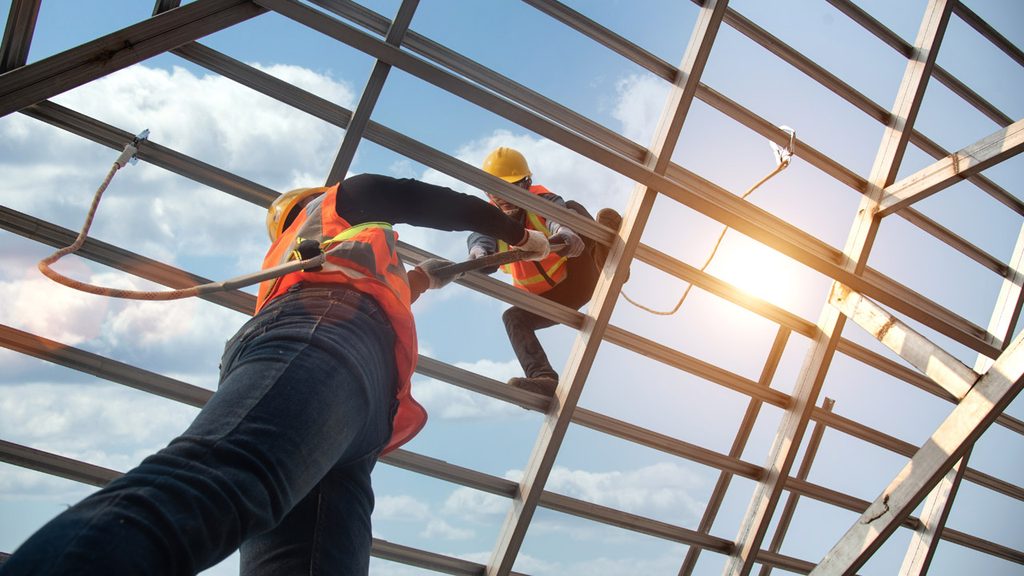
Choosing the Right Roofing Material
Selecting the appropriate roofing material is a critical decision for your business. The choice depends on various factors, including budget, climate, and aesthetic preferences. Here are some common types of roofing materials for commercial properties:
Asphalt Shingles
Affordable and versatile, asphalt shingles are a popular choice for many businesses. They come in various styles and colors and provide reliable protection. Check out some of the best shingles for your roof here.
Metal Roofing
Metal roofs are known for their durability and longevity. They are resistant to extreme inclement weather conditions, making them an excellent choice for businesses in areas prone to severe weather. Check out 5 benefits of metal roofs here.
Single-Ply Membrane (TPO/EPDM)
Single-ply membrane roofs such as TPO and EPDM roofing materials offer excellent waterproofing properties. They are energy-efficient and often preferred for flat or low-slope commercial roofs. More information here about the benefits of a TPO roof and TPO roofing maintenance.
Modified Bitumen
Ideal for flat or low-slope roofs, modified bitumen roofing is known for its durability and resistance to wear and tear.
Tile & Slate
Tile and slate roofing materials are valued for their aesthetics and longevity. They provide an upscale appearance and are often chosen for high-end commercial properties.
Related: 4 Tips For Choosing A Roof Type
The Roof Installation Process
A successful roof installation for your business involves several key steps:
Assessment & Planning
A professional roofing contractor assesses your property’s unique needs, inspects the existing roof, and develops a comprehensive installation plan.
Material Selection
Working closely with your contractor, you’ll choose the right roofing material based on your budget and requirements.
Preparation
The existing roof is prepared, which may involve removing the old roofing material and repairing any underlying issues.
Installation
The chosen roofing material is installed according to industry standards and manufacturer guidelines.
Quality Assurance
Your roofing contractor should conduct thorough roof inspections to ensure the installation meets quality standards and is watertight. More information here about what happens at a roof inspection.
Clean-Up
After the installation, the site is cleaned up, and any debris is removed.
Maintenance Plan
A proactive roof maintenance plan is established to prolong the lifespan of your new roof and prevent future issues.
There are a number of things to keep in mind as you prepare for your business’ roof replacement. For more information, check out some of the best roof replacement tips here.
Read More: Why Is Roof Maintenance Important in Texas?
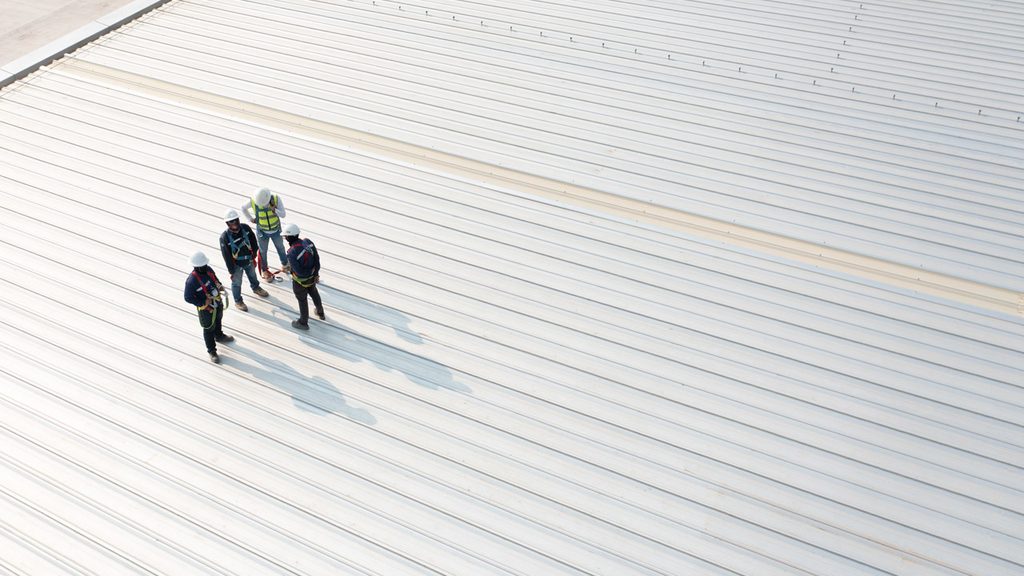
Hiring Professional Contractors for a Roof Installation for Your Business
Hiring a professional roofing contractor is crucial for a successful roof installation. Experienced contractors have the expertise, tools, and resources to complete the project efficiently and ensure it meets industry standards. They also provide warranties on their work, giving you peace of mind knowing your investment is protected. You’ll want to make sure to compare quotes, look at their reviews, get word of mouth feedback, etc. to make sure you’re working with the right fit.
In conclusion, roof installations for businesses are a vital aspect of maintaining a safe, efficient, and aesthetically pleasing commercial property. Choosing the right roofing material and working with professional contractors can help you achieve a robust and dependable roof that contributes to the long-term success of your business. Don’t overlook the importance of your commercial roof – invest wisely to protect your assets and create a positive image for your business.
Why Hire LOA Construction for Your Business Roof Installation?
Not sure whether your business requires a repair or a replacement? At LOA, we’ve got you covered – literally!
LOA Construction is a trusted local roofing company that proudly serves the communities of Austin, Houston, San Antonio, and the surrounding areas of Belton, Temple, & Killeen. Our team provides both residential and commercial roofing services – which includes roof replacements, installations, repairs, hail damage repair, roof coatings, emergency roof repairs, and more.
We have years of experience working with roofing types such as metal, clay, asphalt, EPDM, TPO, Built-Up/Mod-Bit, flat, and slate roofing. Need a roof estimate for your business? Contact LOA Construction today!
Further Reading:
- What Does a Commercial Roofing Repair Look Like?
- What Questions Do I Need to Ask My Insurance Provider About Replacing My Roof?
- Advantages of Metal Roofing Over Other Roofing Materials
- General Guide to Roofing Codes in Austin, TX
- 12 Common Roofing Problems and How to Prevent Them
- How Much Does A New Roof Cost?
- What Does a Roof Leak Repair Cost?
- Minimum Slope Of A Metal Roof
- How Humidity Affects Your Roof During Winter
- Is Your Roof Leaking by a Vent Pipe?
- Leaking Roof? Why You Need To Fix It Immediately
- Need An Emergency Roof Fix?
- Need a Roof Leak Repair ASAP?
- Minimum Slope For An Asphalt Roof

Choosing The Right Roof Type Based on Storm Exposure
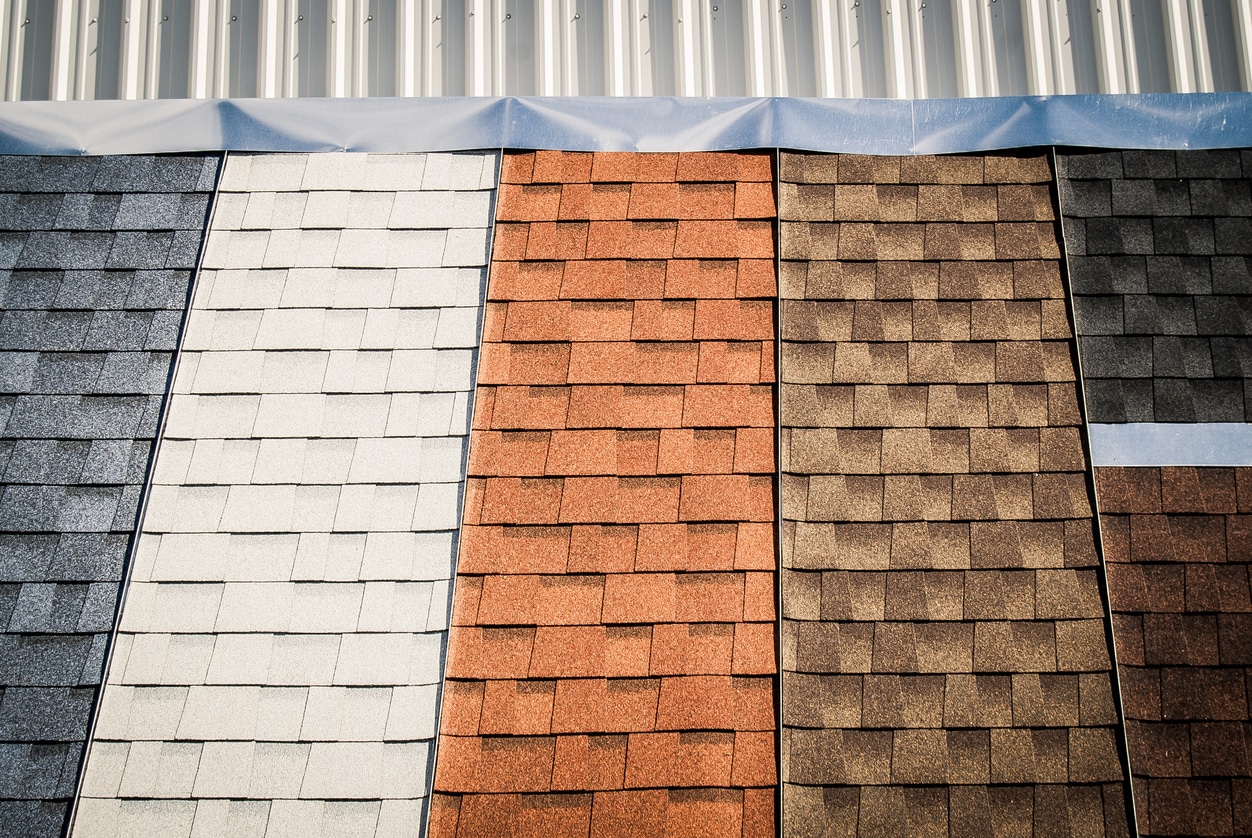
Learn how different roofing materials hold up when they’re exposed to Central Texas storms.
Living in Central Texas means your roof faces a unique mix of threats. There’s the possibility of giant hail, straight-line winds, occasional tornadoes, freezes every so often and the rare tropical storm system that rolls through.
But not every neighborhood sees the same storm intensity. West Austin’s Hill Country homes deal with high winds sweeping over ridges, while East Austin properties face more frequent hail events from the Blackland Prairie.
Choosing the right roofing system isn’t one-size-fits-all. It’s about matching materials and the design to your specific storm exposure and the roof style you have. What’s recommended for a gable roof in West Lake isn’t the same as a hip roof in East Austin.
At LOA Construction, we’ve helped our fair share of Central Texas homeowners select roofing systems that stand up to our weather. Here’s how storm risk varies across the region and which roofing choices make the most sense for each area.
Central Texas Storm Exposure Zones
West Austin and The Hill Country (High Wind, Moderate Hail)
Areas: West Lake Hills, Rollingwood, Bee Cave, Lakeway, Dripping Springs
Storm Profile:
- High wind exposure from the topography where hills funnel and accelerate wind gusts
- Moderate to large hail (1-2″), but less frequent than east of I-35
- Debris impact from trees and rocky terrain
- Lower tornado risk than plains areas
- High possibility of wind driven rain
Roof Design Recommendations:
- Architectural or Luxury Asphalt Shingles (Class 4 impact rating, 130-150 mph wind warranty)
- Standing Seam Metal Roofs (superior wind uplift resistance, long spans without clips pulling out)
- Synthetic Underlayment + proper ventilation to handle heat buildup
Why it works: These roofs lock down tight in high winds and shrug off occasional hail better than 3-tab shingles. Metal excels where wind consistently tests seams and edges making the roof vulnerable to uplift.
Central Austin and Northwest Suburbs (Hail Storms, Moderate Wind)
Areas: Northwest Austin, Arboretum, Avery Ranch, Cedar Park, Leander, Round Rock
Storm Profile:
- Frequent large hail (1.5-2.5″) from “hail alley” positioning
- Moderate winds (80-110 mph)
- Urban tree canopy means fewer flying debris impacts
- Good drainage that reduces ponding issues
Roof Design Recommendations:
- Class 4 Impact-Rated Asphalt Shingles (hail cores like those tested to UL 2218 Class 4)
- Metal Roofing with Kynar 500 or similar roof coatings (hail dent resistance + 40+ year color warranty)
- TPO or Fully Adhered Single-Ply Membranes on low-slope roofs
Why it works: Impact-rated shingles and metal survive multiple hail events without granule loss or cracking. Critical for areas seeing hail insurance claims every 2-3 years.
East and Northeast Austin (Extreme Hail, High Wind Variability)
Areas: East Austin, Manor, Pflugerville, Hutto, Taylor
Storm Profile:
- Severe hail alley with the largest, most frequent hail events (2-4″ possible)
- Variable winds depending on supercell rotation (80-130+ mph)
- Flat terrain allows full storm development
- Higher tornado risk from proximity to “tornado alley”
Roof Design Recommendations:
- Premium Metal Roofing that’s standing seam or mechanical lock with 24-gauge panels or thicker
- Class 4 Impact Asphalt Shingles with synthetic underlayment and proper ventilation
- Clay or Concrete Tile where pitch and structure support it for excellent hail resistance
Why it works: East Austin sees the biggest hailstones and most claims. Metal and tile have been known to survive multiple “hail apocalypse” seasons. Asphalt works but needs top-tier impact resistant shingles and frequent inspections. For commercial roofing a metal roof is a good option as long as roof access isn’t needed for equipment maintenance.
South Austin and I-35 Corridor (High Wind, Tropical Moisture)
Areas: South Austin, Buda, Kyle, San Marcos, New Braunfels
Storm Profile:
- Straight-line winds from Gulf moisture interacting with dry lines
- Tropical remnants bringing 50-70 mph sustained winds
- Moderate hail (1-1.75″)
- Poor drainage on clay soils leads to ponding
Roof Design Recommendations:
- Standing Seam or Exposed Fastener Metal (wind-resistant clips and seams)
- Architectural Shingles with high wind ratings (140+ mph 3M polymer-modified self-sealant)
- Roof-Overs with TPO where valleys or low slopes exist
Why it works: South Austin catches tropical wind events that test edge metal and drip edge. Roof systems with continuous seam strength and proper flashing hold up best.
Roof Material Matchups: What Each Roof Type Handles Best
| Best Storm Zone | Hail Resistance | Wind Resistance | Longevity | Notes | |
|---|---|---|---|---|---|
| 3-Tab Asphalt | None—avoid in all zones | Poor (Class 1-2) | 90 mph max | 10-15 yrs | Budget option only; fails first in hail/wind |
| Architectural Asphalt (Class 4) | Central/Northwest Austin | Excellent | 110-140 mph | 25-35 yrs | Sweet spot for most homes; impact-rated |
| Standing Seam Metal | All zones | Very Good | 150+ mph | 40-70 yrs | Gold standard for wind; dent-resistant coatings |
| Clay/Concrete Tile | East Austin | Excellent | 120-140 mph | 50+ yrs | Heavy; needs roof structure evaluation |
| TPO Membrane | South Austin commercial | Good | 120 mph | 20-30 yrs | Low slope only; fully adhered best |
Key Roofing Features For ALL Central Texas Homes
No matter your neighborhood, these upgrades pay off when there’s a storm. If you’re installing a new roof keep these key roof features in mind:
Impact-Resistant Underlayment and Roof Deck
- Choose synthetic underlayment over felt
- Use self-adhered membranes in valleys, eaves, penetrations
- Select durable roof deck material in case hail breaches the shingles
Wind-Resistant Fastening and Sealing
- 6-nail pattern for asphalt shingles
- Floating clips on standing seam metal
- Polymer-modified sealants at all flashings
Ventilation and Heat Management
- Ridge vents sized for your roof area
- Soffit intake matching exhaust capacity
- Keep shingles cooler to extend granule life
Edge Metal Protection
- Wind-resistant drip edge that’s locked under the underlayment
- Heavy-gauge step flashing at walls
- Proper valley metal (W-style or open metal valleys)
The Benefits of Roof Ice and Wind Shields in Austin, TX
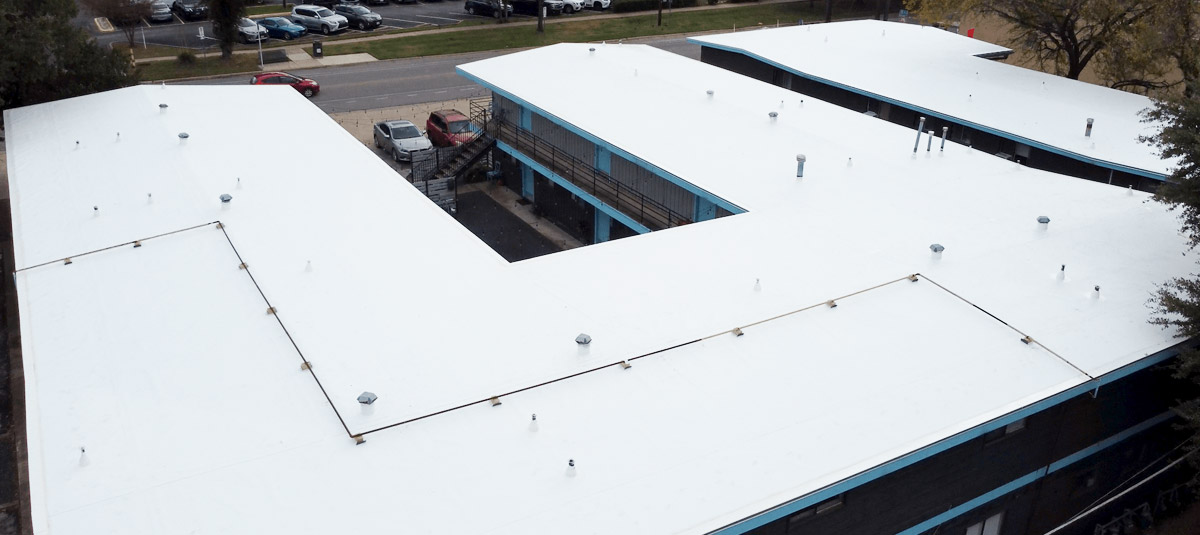
Why Austin Roofs Need Ice and Wind Shield Protection
You might think that since Austin rarely gets ice, why bother with installing an ice and wind shield. Here in Central Texas the ice part may be rare, but it’s needed. And the wind resistance alone is worth it just about anywhere in the state.
Heavy, Wind-Driven Rain Events
Austin thunderstorms routinely dump 2-4 inches in hours with 40-70 mph gusts. Wind drives rain up and under shingles, especially at eaves and valleys. Standard felt can wick water sideways; ice shields stop it at the source.
Brief But Intense Cold Snaps
Winter freezes (20-30°F) followed by 50°F melt days create mini ice dams on north-facing slopes and shaded eaves. Even 1/2″ of ice can back water 3-6 feet up your roof. Ice shields prevent leaks from reaching your roof deck.
Hail Damage Creates Secondary Leaks
When golf-ball hail dents shingles, it compromises the seal around nail holes. Wind-driven rain then finds these weak spots. Ice shields provide backup protection until roof repairs can be made.
Insurance and Longevity Benefits
Many insurance carriers understand that harsh weather is a possibility. That’s why they offer wind mitigation discounts for continuous waterproof underlayment. Plus, ice shields extend your entire roof’s service life by preventing the #1 cause of deck rot: edge leaks.
Key Benefits For Austin Homeowners
Benefit 1: Prevents the Most Common Roof Leaks
Statistics show 72% of roof leaks originate at eaves, valleys and penetrations. Ice shields cover exactly these high-risk zones for leak prevention that dramatically reduces interior water damage.
Benefit 2: Extends Roof Lifespan
By keeping your deck dry, ice shields prevent:
- Rotted sheathing around eaves
- Damaged rafter tails
- Mold growth in attic insulation
A $1.50/sq.ft. upgrade can add 5-10 years to your roof’s life.
Benefit 3: Reduces Insurance Claims
Homeowners with ice/wind shields file 43% fewer leak claims after wind/rain events. Insurance companies recognize this protection with premium credits in many cases.
Benefit 4: Handles Multiple Threats
One product solves:
- Wind-driven rain
- Ice dam backup
- Gutter overflow
- Hail secondary leaks
- Low-slope ponding
Benefit 5: Easy Retrofit During Re-roofing
Installing ice shields doesn’t require structural changes. The perfect time to install is during shingle replacement or roof repairs.
Which Austin Roof Types Benefit Most?
Asphalt Shingle Roofs (90% of Austin homes)
Best Benefit: Ice shields pair perfectly with asphalt shingles. The membrane handles water backup while shingles provide impact resistance.
Installation: Eaves (36-72″), valleys, around all penetrations.
Metal Roofing
Best Benefit: Provides backup if standing seams are damaged or edge flashing fails. Essential in West Austin where there are high winds.
Installation: Same zones + transition flashings.
Tile Roofs
Best Benefit: Tiles crack in hail; ice shields catch water that gets through.
Installation: Full coverage under starter course + valleys.
Low-Slope Commercial Roofs
Best Benefit: Critical for TPO and modified bitumen where ponding is common.
Installation: Perimeter and penetration zones.
Ice Shield Product Comparison
| Product | Thickness | Coverage | Cost | Best For |
|---|---|---|---|---|
| Ice & Water Shield | 30 mil | Eaves/Valleys | $$ | Asphalt shingle homes |
| Ice & Water Shield | 30 mil | Eaves/Valleys | $$ | Asphalt shingle homes |
| Grace Vycor | 40 mil | Full starter | $$$ | Premium homes |
| Synthetic Peel/Stick | 20-30 mil | Budget option | $ | Repairs/retrofits |
| Self-Adhered Mod Bit | 60 mil | Commercial | $$$$ | Low slop |
Roofing Insurance Claim Denied? Here’s What to Do Next
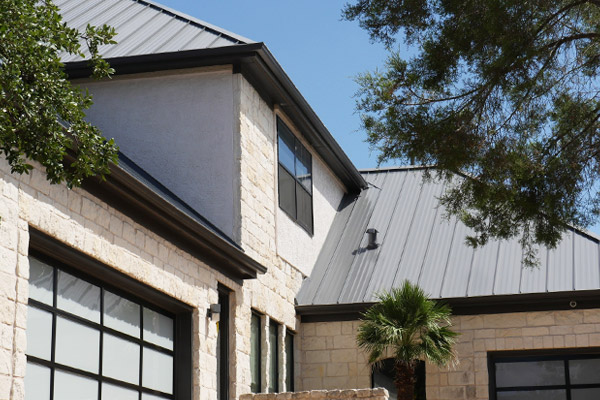
Step-by-Step Guide For Central Texas Property Owners That Need to Navigate the Roof Insurance Claim Process After a Denial
Has this happened to you? After a major storm rolls through the Austin metro you climb up to inspect your roof and see if there’s damage. Sure enough you see missing shingles, loose shingles, dented flashing and tons of granules in your gutters.
You file a roof insurance claim, wait weeks for the adjuster to show up and then the letter arrives. Your roof insurance claim was denied.
If you’re a Central Texas property owner who has been through this, you know how frustrating and unfair it can feel. The good news is that a denial is not the end of the road. Texas law gives property owners rights and specific tools to challenge an insurer’s decision so that you can get your roof repair or roof replacement costs covered.
This guide walks you through exactly what to do step by step after your roof insurance claim is denied in Texas.
Why Roofing Claims Get Denied in Texas
Before responding to a claim denial, it helps to understand the common reasons why most insurance companies deny roofing claims in the Lone Star State:
- Wear and Tear: Insurers frequently argue that deteriorated shingles or aged roofing materials represent normal wear and tear rather than storm damage. Texas courts have consistently held that wear-and-tear exclusions must be narrowly construed against the insurer, but adjusters still routinely use it as reasoning for denial.
- Pre-Existing Damage: If your roof showed damage before the severe weather event, the insurer may attempt to exclude the entire claim or attribute most of the damage to conditions that predated your current policy.
- Cosmetic Damage Only: Some Texas policies include endorsements that exclude purely cosmetic hail damage. That means dents or pockmarks that don’t compromise the roof’s ability to keep water out aren’t covered. The Texas Department of Insurance (TDI) specifically warns homeowners to review their policies for these endorsements before a storm hits.
- Late Notice of Loss: Most policies require you to report damage “promptly.” Texas courts will examine whether a delayed report actually hindered the insurer, but late reporting still gives insurers grounds to challenge your claim.
- Policy Lapse or Exclusions: A lapsed policy due to missed premium payments or a coverage exclusion that genuinely applies, may result in a legitimate denial.
Knowing the specific reason your claim was denied is your starting point. Under Texas law, your insurer is required to explain in writing why they denied the claim.
Your Rights Under Texas Law: What the Insurance Code Requires
You’ll be happy to know that Texas has some of the most specific insurance consumer protections in the country. Here are the key statutes every property owner should know:
The Texas Prompt Payment of Claims Act (Texas Insurance Code Chapter 542)
This is one of the most powerful tools a Texas policyholder has. Chapter 542 of the Texas Insurance Code sets hard deadlines insurers must meet:
- Within 15 days of receiving your claim, the insurer must acknowledge receipt, begin an investigation and request any additional information.
- Within 15 business days of receiving all required documentation, the insurer must accept or deny your claim in writing or notify you that they need up to 45 additional days and explain why.
- If your claim is accepted, the insurer must pay it within 5 business days. This could be the actual cash value for the existing roof or replacement cost value depending on your policy.
- If the insurer delays payment beyond 60 days after receiving all required information, it may owe you penalty interest at a rate of 18% per year on the unpaid claim amount, plus your reasonable attorney’s fees.
Note: For weather-related claims specifically, Chapter 542A of the Texas Insurance Code applies a modified interest rate (currently around 13.5% annually rather than 18%).
Texas Insurance Code Chapter 541 — Unfair Settlement Practices
Chapter 541 prohibits insurers from engaging in deceptive or unfair claims practices. Actions that may violate this law include:
- Misrepresenting the facts of your loss or the terms of your policy.
- Failing to attempt a prompt, fair and equitable settlement when liability is reasonably clear.
- Failing to provide a reasonable written explanation for the denial.
- Compelling policyholders to sue in order to recover amounts clearly owed.
- Conducting an unreasonably inadequate or biased investigation.
If an insurer is found to have knowingly committed unfair settlement practices, a court can award up to three times the actual cost for damages, plus attorney’s fees.
The Texas Consumer Bill of Rights (28 Tex. Admin. Code § 5.9970)
The Texas Department of Insurance (TDI) has established a Consumer Bill of Rights for homeowners and renters. By law, your insurance company must include a copy with your policy and each renewal. This document outlines your right to:
- A fair and prompt investigation of your claim.
- A written explanation of any denial or partial payment for necessary repairs.
- Access to inspection reports, adjuster notes, photographs and internal insurance estimates related to your claim upon written request.
- File a complaint with the TDI at no cost.
- Sue the insurance company for breach of contract or bad faith conduct.
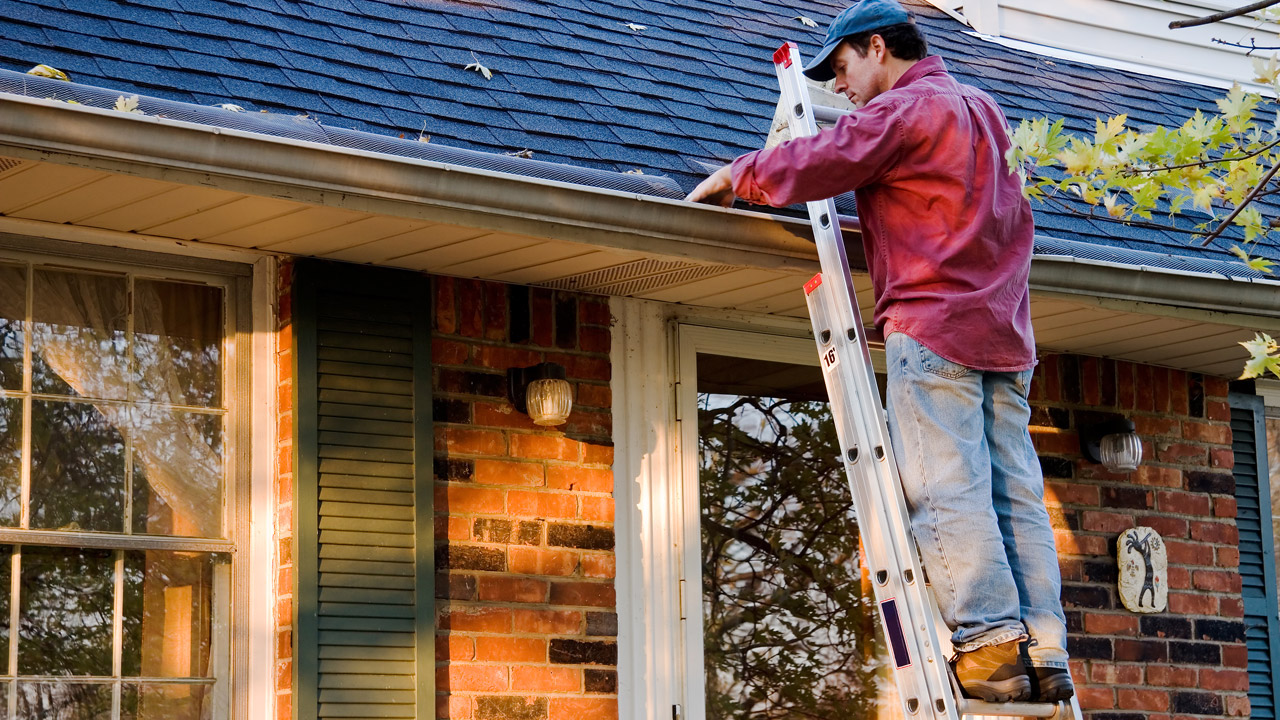
What to Do After a Roofing Claim Denial Step-by-Step
Step 1: Read the Denial Letter Carefully and Request the Full Claims File
Your denial letter must cite the specific policy provision or exclusion on which the insurer is relying. Under 28 Tex. Admin. Code §21.203, this is not optional. Texas law requires it.
Once you have the denial letter, submit a written request to your insurer for the complete claims file, including:
- • The adjuster’s inspection report and field notes
- • All photographs taken during the investigation
- • Any engineering or consultant reports the insurer commissioned
- • The internal estimate or scope of damage assessment
Having this documentation is essential before you do anything else.
Step 2: Get an Independent Roofing Inspection
The insurer’s adjuster works for the insurance company. Their assessment of your damage, and their determination of what caused it, may not reflect the full picture.
Contact reputable, licensed roofing professionals to perform an independent inspection. A qualified contractor can document the damage in detail, identify storm-related causes, particularly hail damage patterns that are well-recognized in the industry. They can also provide a written scope of work for roof repairs or replacement and a cost estimate.
This independent documentation is essential for an appeal. If your claim involves a significant final payment, you may also want to hire a licensed public insurance adjuster. This professional represents policyholders (not insurers) in the claims process. Be aware that under Texas Insurance Code §4102.163, a roofing contractor cannot legally act as your public adjuster if they are also performing the repair work on your property.
Step 3: File a Written Internal Appeal With Your Insurance Company
Most insurance policies include an internal appeals or reconsideration process. Even if yours does not spell it out, you have the right to dispute the denial in writing.
Your written appeal should include:
- • A clear statement that you are formally disputing the denial.
- • The specific reason given for denial and why you believe it is incorrect.
- • Your independent contractor’s inspection report and cost estimate.
- • NOAA storm event data or other weather records documenting the date, size and path of the hail or strong wind event affecting your property.
- • Any photographs, receipts for prior maintenance or other evidence countering the insurer’s rationale.
Send your appeal via certified mail with return receipt requested. This creates a documented paper trail and timestamps your correspondence, which matters enormously if you later pursue legal remedies.
Step 4: Invoke the Appraisal Clause to Get Insurance Coverage (If Applicable)
Most standard Texas homeowner’s insurance policies include an appraisal clause. This provision allows either the policyholder or the insurer to demand an independent appraisal when the two sides disagree on the amount of a covered loss. This isn’t about whether coverage exists but how much it should cost to repair or replace the damaged roof.
Here’s how it typically works:
- • Each side selects a competent, disinterested appraiser.
- • Those two appraisers then select a neutral umpire.
- • If the appraisers cannot agree, the umpire resolves the dispute.
- • The resulting appraisal award becomes binding.
Important caveats to keep in mind: The appraisal process costs money (expect $4,000–$5,000 or more in appraiser fees). It also only addresses the dollar amount of the loss, not insurance coverage disputes. If your insurer denied the claim entirely on grounds of exclusion or policy lapse, appraisal may not be an option.
Consult an attorney before invoking appraisal to understand the strategic implications for your specific claim.
Step 5: File a Complaint With the Texas Department of Insurance (TDI)
If your internal appeal is unsuccessful and you believe your insurer has acted in bad faith, violated statutory deadlines or failed to provide a proper explanation, file a formal complaint with the TDI.
You can do so through TDI’s online complaint portal or by calling the TDI Consumer Help Line at 1-800-252-3439. Attach your denial letter, any engineering or inspection reports and a timeline of your communications with the insurer.
The TDI cannot force an insurer to pay your claim, but it can investigate the insurer’s conduct, issue fines and establish a pattern of documented complaints against a specific insurer. This carries real weight if your case proceeds to litigation, and your complaint also becomes part of a public record.
Step 6: Understand Your Legal Options and Deadlines
If your claim remains denied and you believe the insurer has acted wrongfully, legal action is an option. There are two critical deadlines you must not miss:
- • Breach of Contract: Under Texas Civil Practice & Remedies Code §16.004, you generally have four years from the date of the denial to file a breach-of-contract lawsuit. However, some policies shorten this window, so read your policy.
- • Unfair Settlement Practices (Chapters 541 and 542 claims): You must file suit within two years of the date the unfair act occurred or the date you reasonably should have discovered it.
Pre-Suit Notice Requirement
Under Tex. Ins. Code §542A.003, before you can file a lawsuit against your insurer for a first-party property claim, you must provide written notice at least 61 days before filing. This notice must include a statement of the specific acts or omissions you are alleging, the amount of damages claimed (including attorney’s fees to date) and a reasonable description of the loss.
Failure to provide proper notice can result in your lawsuit being delayed (abated) and may limit your ability to recover attorney’s fees.
If litigation becomes necessary, a Texas attorney who specializes in first-party insurance disputes can evaluate whether you have viable claims under both the breach-of-contract theory and the statutory bad faith provisions as well as if the 18% penalty interest under Chapter 542 applies to your situation.
What NOT to Do After a Texas Insurance Provider Denies a Claim
Avoiding these common mistakes can protect both your legal rights and your wallet:
- • Don’t accept any roof contractor’s offer to waive or absorb your deductible amount. Under Texas Insurance Code §707.002, it is illegal for a roofing contractor to waive, absorb or refund your insurance deductible. Any contractor making this offer is asking you to participate in insurance fraud. Both the contractor and the policyholder can face legal consequences.
- • Don’t make permanent roof repairs before the claim is resolved. Performing permanent repairs before your insurer has had the opportunity to inspect the damage or while an appeal is pending can compromise your claim and give the insurer grounds to dispute the scope of damages.
- • Don’t give a recorded statement without understanding your rights. Insurers routinely request recorded statements after a denial. You are not required to provide one before consulting with an attorney, particularly if you plan to pursue legal remedies.
- • Don’t miss your deadlines. The statutory deadlines for filing suit under Chapters 541 and 542 are firm. Missing them can permanently extinguish your legal claims, regardless of how valid they are.
- • Don’t allow your roofing contractor to negotiate directly with your insurer on your behalf. In Texas, a contractor who also performs or may perform the repair work on your property is prohibited from acting as a public adjuster or negotiating your insurance settlement offer. Doing so violates Texas Insurance Code §4102.163 and could jeopardize your claim.
Texas Insurance Deadlines For Roof Damage Claims
| Requirement | Deadline | Relevant Law |
|---|---|---|
| Insurer must acknowledge claim | 15 business days | §542.055 |
| Insurer must accept or deny claim | 15 business days after receiving all docs (up to 45 more with notice) | §542.056 |
| Insurer must pay accepted claim | 5 business days after acceptance | §542.057 |
| Max delay before penalty interest triggers | 60 days after receiving all info | §542.058 |
| Penalty interest rate (weather claims) | ~13.5% per year (Chapter 542A) | §542A |
| Penalty interest rate (other claims) | 18% per year | §542.060 |
| Pre-suit notice to insurer required | 61 days before filing suit | §542A.003 |
| Deadline to sue: breach of contract | 4 years from denial | Civ. Prac. §16.004 |
| Deadline to sue: bad faith claims | 2 years from the unfair act | §§541.162, 542.064 |
| Policy cancellation notice required | 10 days minimum | §551.105 |
Types of Roof Coating That Are Well-Suited For Central Texas
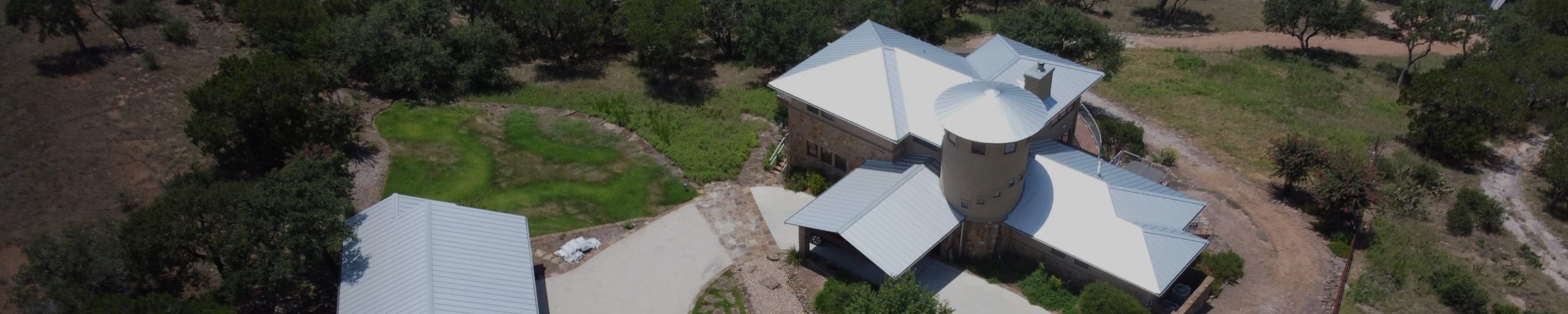
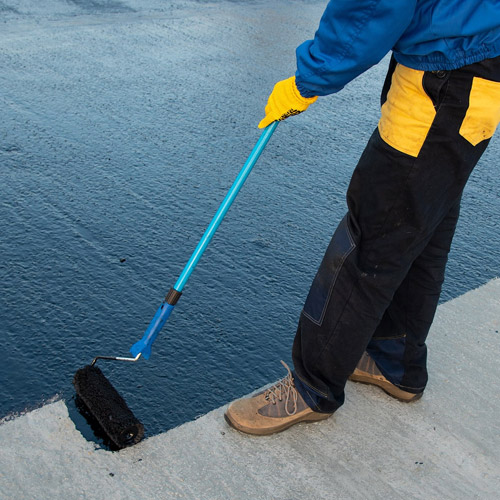
Types of Roof Coating That Are Well-Suited For Central Texas
If you own a home or commercial property in Austin, you deal with environmental factors that can shorten your roof’s lifespan. Summer afternoons push roof surface temperatures past 170°F. UV radiation is intense enough to visibly degrade roofing materials within a few years. Spring and fall storm seasons deliver wind-driven rain and hail.
Roof coatings have become one of the most cost-effective tools Central Texas property owners have for extending roof life, improving energy savings and reinforcing existing systems against this climate’s specific stresses. But not every coating performs equally here, and selecting the right product for your roof type and priorities makes a significant difference in the results.
If you want to know more about the types of roof coating that are well-suited for Central Texas we’ve broken down what each one does, why it works in Austin’s climate and which roof systems the coating is designed for so you have a better idea of what’s best for your property.
A Quick Note on What Roof Coating Solutions Can and Cannot Do
A roof coating is a fluid-applied membrane that’s rolled, sprayed or brushed onto an existing roof surface. It cures into a continuous, seamless layer providing some combination of waterproofing, UV protection and solar reflectance. The right coating can meaningfully extend the time that’s needed for a roof replacement by reducing heat absorption and protecting it from UV rays and thermal cycling that are the primary aging forces in Central Texas.
What coatings cannot do is fix a roof that has already failing structurally. Applied over wet insulation, delaminated membrane or active damage, a roof coating conceals problems temporarily while they worsen underneath. A professional roof inspection before any coating application is essential.
Silicone Roof Coating
What it is: A single-component, moisture-cured elastomeric coating applied as a liquid that cures into a flexible, durable membrane. Available in high-reflectance white formulations and primer-gray base coat versions.
Why it works in Central Texas: Silicone is arguably the most climate-appropriate roof coating for Austin. It has exceptional UV stability. Unlike acrylic coatings that can chalk and lose reflectance over time, silicone maintains its physical properties and white finish across decades of year-round UV assault.
It is inherently resistant to ponding water. Silicone is unaffected by prolonged water contact, which is a significant advantage on Austin’s flat commercial roofs where drainage sometimes fails to clear water after an intense storm event. Most competing coating types soften or delaminate under standing water.
Its high solar reflectance, typically 85-90% for white formulations, directly addresses Austin’s summer cooling load problem. A silicone-coated roof reflects the majority of incoming solar radiation rather than absorbing it. Austin Energy recognizes qualifying cool roof coatings in its energy efficiency programs, and silicone coatings with high solar reflectance index (SRI) ratings typically qualify.
Finally, silicone remains flexible across Austin’s full temperature range from sub-freezing conditions during winter storm events to peak Texas heat in the summer. It can bridge small cracks and accommodate the thermal movement of the roof assembly without delaminating.
Best suited for: Low-slope and flat roofs including TPO roofing, EPDM, built-up roofing (BUR), metal roofing and modified bitumen roofs. Not typically used on steep-slope asphalt shingle roofs, where its surface can create traction hazards during future roofing work.
Austin note: Silicone attracts airborne dirt more readily than acrylic over time, which can gradually reduce reflectance. Properties near Austin’s construction zones or high-traffic corridors may see faster surface soiling that can be restored with a periodic light wash.
Acrylic Roof Coating
What it is: Acrylic roof coating is a water-based elastomeric coating made from acrylic polymers. One of the most widely used and cost-accessible coating options, available in white and tinted formulations for a range of substrates.
Why it works in Central Texas: White acrylic coatings typically achieve solar reflectance ratings of 80-88%, qualifying for Austin Energy’s cool roof rebates and reducing summer cooling loads on commercial buildings across the metro. Acrylic also retains its reflective performance well under sustained UV exposure when applied at adequate thickness — making it a practical option for restoring reflectance on aging dark-membrane flat roofs.
For metal roofing, acrylic formulations accommodate the thermal expansion and contraction that Austin’s temperature extremes impose on metal panels, and can be formulated with rust-inhibiting primers to address the surface oxidation that develops on aging metal roofs in humid conditions.
Limitations in Austin: Acrylic’s primary limitation here is its vulnerability to ponding water. Sustained standing water softens cured acrylic, reduces adhesion, and can cause blistering and delamination over time. For flat roofs with reliable drainage, acrylic performs well. For those with chronic ponding — a real subset of Austin’s older commercial inventory — silicone or polyurethane is the better choice.
Acrylic also needs dry conditions to cure, which requires careful scheduling around Austin’s spring storm season, where afternoon thunderstorms can arrive with limited warning.
Best suited for: Metal roofing, modified bitumen, BUR and flat roof surfaces with adequate drainage. Also used as a top coat over spray polyurethane foam (SPF) roofing systems.
Polyurethane Roof Coating
What it is: A two-component or moisture-cured coating that cures into a hard, durable film with high tensile strength. Most roofing systems use an aromatic polyurethane base layer for waterproofing and an aliphatic top coat for UV protection.
Why it works in Central Texas: Polyurethane’s primary advantage in Austin applications is its exceptional resistance to physical abuse. Commercial rooftops across the metro see regular foot traffic from HVAC technicians, electricians and other trades. Acrylic and silicone are effective water barriers but relatively soft. Polyurethane’s hardness and abrasion resistance make it the preferred coating where rooftop traffic is a known condition.
Polyurethane also performs well in ponding water, and its high elongation properties allow it to bridge cracks and accommodate metal roofing’s thermal movement under Austin’s temperature swings. The aliphatic top coat provides strong UV stability, maintaining the system’s reflective performance and preventing chalking under Central Texas sun.
Best suited for: Metal roofing where foot traffic is a concern, SPF roofing as a protective and reflective top coat and high-traffic commercial flat roofs. Note that two-component application requires specific equipment and expertise so verify that any Austin contractor you consider has specific experience with polyurethane coating systems.
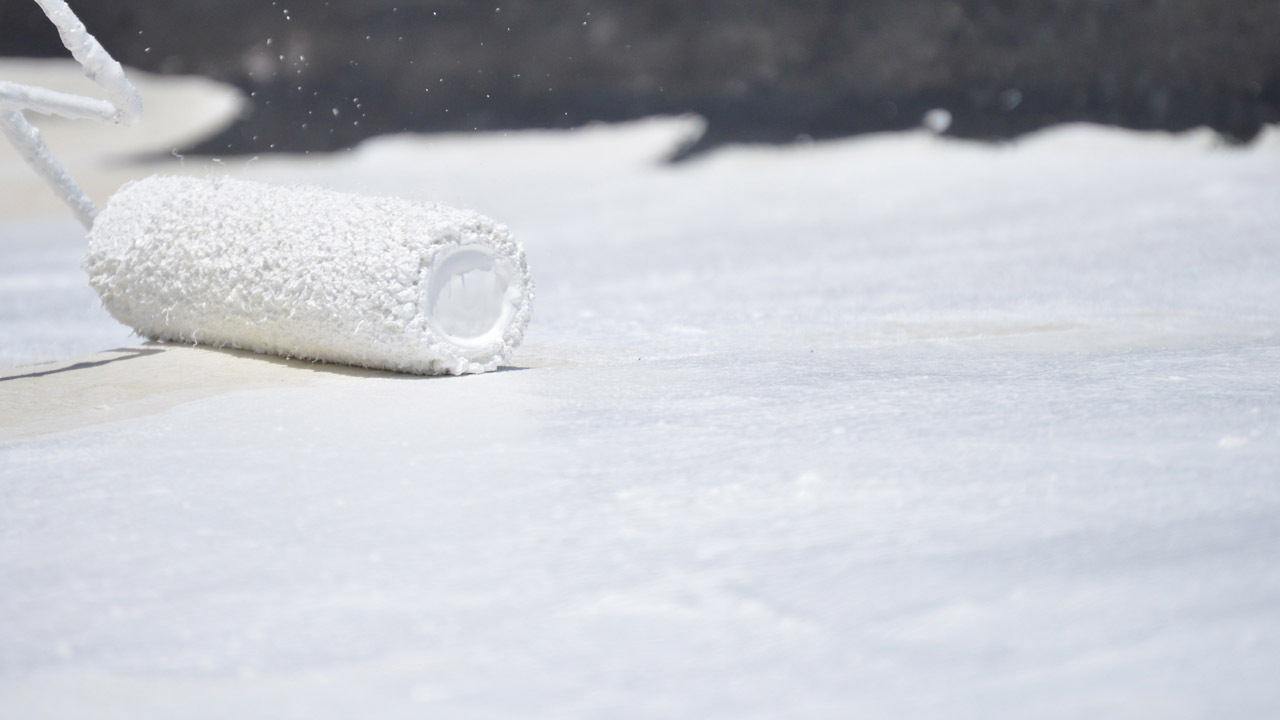
Elastomeric Roof Coating
What it is: “Elastomeric” describes coatings that maintain rubber-like flexibility after curing. In common Austin market usage, it typically refers to high-build acrylic elastomeric products formulated specifically for steep-slope metal roofing and some flat roof applications.
Why it works in Central Texas: The defining performance characteristic of elastomeric coatings in this climate is their ability to accommodate movement without cracking. Austin roof surfaces experience daily and seasonal thermal cycles that cause metal and asphalt substrates to expand and contract repeatedly. A brittle coating cracks at these movement points, creating water entry points. Elastomeric coatings stretch with the substrate and return to their original dimensions, maintaining a continuous waterproof film across the full temperature range.
For metal roofing, elastomeric coating is the standard restoration product. It bridges the lap seams of exposed fastener systems where sealant has aged, reinforces standing seam connections and provides a reflective finish that dramatically reduces the UV and thermal load on the metal panel.
High-build formulations applied at 20 to 30 mils dry film thickness provide meaningful crack-bridging capability on aged modified bitumen and BUR surfaces where UV-driven surface cracking is one of the most common deterioration patterns in Austin.
Best suited for: Steep-slope and low-slope metal roofing, modified bitumen and BUR flat roofing and concrete roof deck surfaces. Widely used as a restoration coating on agricultural and rural properties throughout the Hill Country, where periodic elastomeric restoration is a standard maintenance practice on corrugated and standing seam metal roofs.
Aluminum-Based Reflective Coating
What it is: A solvent-based product combining fine aluminum flakes in an asphalt or fibered asphalt base. Applied coatings orient the aluminum flakes parallel to the surface, creating a metallic, reflective finish.
Why it works in Central Texas: Aluminum coating is one of the most established maintenance coatings on asphalt-based roofing in the Austin market. Particularly on the modified bitumen and BUR systems common on older commercial buildings throughout Airport Boulevard, East 6th Street and South Lamar.
Its primary benefit is UV protection for the asphalt substrate beneath it. Asphalt oxidizes and becomes brittle under Central Texas sun exposure. Aluminum coating reflects a portion of incoming UV radiation before it reaches the asphalt, slowing oxidation and extending the service life of the underlying system. It also has a modest solar reflectance improvement over uncoated dark asphalt, even if lower than white silicone or acrylic options.
Best suited for: BUR and modified bitumen surfaces as a maintenance and UV-protection coating. Also used on steep-slope asphalt surfaces and metal flashings. Aluminum coating is most appropriately a maintenance product applied to a sound existing surface — not a primary waterproofing or full system restoration solution.
Spray Polyurethane Foam (SPF) With Protective Top Coat
What it is: This coating is sprayed as a two-component liquid that expands and cures into a rigid, closed-cell foam adhered directly to the existing roof substrate. Because SPF is UV-vulnerable and mechanically soft on its own, it requires a protective top coat, typically silicone or acrylic, applied over the cured foam.
Why it works in Central Texas: SPF with a reflective top coat addresses two of Austin’s most significant roofing challenges simultaneously: thermal performance and waterproofing continuity. The closed-cell foam provides a seamless insulation layer that eliminates the thermal bridging common in assembly-based insulation systems. Combined with a white silicone top coat, it delivers both high R-value and high solar reflectance in a single installation, which offers valuable for Austin commercial properties where summer cooling costs are substantial.
SPF is also self-draining: the contractor shapes the foam during application to create positive slope toward drains, addressing the drainage deficiencies that plague older Austin flat roofs without requiring structural modification.
Its seamless nature, adhering continuously to all existing penetrations, edges and irregular surfaces, eliminates the transition details at drains, penetrations and parapet walls that are the most common failure locations on conventional flat roof systems.
Best suited for: Existing flat and low-slope commercial roofs where both insulation improvement and waterproofing restoration are needed together. Particularly effective for Austin commercial properties with complex roof lines, heavy penetration patterns or drainage problems that are difficult to solve with a conventional membrane. Note that the protective top coat requires reapplication every 10 -15 years to maintain UV protection.
Choosing the Right Coating For Your Austin Property
The right roof coating depends on your existing system, your primary performance goal and your roof’s drainage characteristics. A few general principles for the Austin roof coating services:
- • Flat roofs with reliable drainage: White silicone or acrylic elastomeric coating delivers the best solar reflectance and waterproofing. Silicone is the premium choice; acrylic is cost-effective where ponding is not a concern.
- • Flat roofs with chronic ponding: Silicone is the appropriate choice. It’s the only elastomeric coating that maintains performance in sustained standing water.
- • Metal roofing: Elastomeric acrylic or polyurethane coating restores reflectance, bridges aged seams and protects panels from the UV and thermal cycling that accelerates metal roof aging in Central Texas.
- • Older BUR and modified bitumen: Aluminum coating offers cost-effective UV protection as a maintenance product. Silicone or high-build elastomeric provides more comprehensive restoration on weathered systems.
- • Commercial roofing systems that need both insulation and waterproofing improvement: SPF with a silicone top coat addresses both simultaneously while correcting drainage deficiencies.
Line Up a Free Inspection Before Roof Coating Services
Roof coatings deliver their best results when the existing roof has been honestly evaluated, properly prepared and correctly specified. In Austin’s competitive market, it pays to work with a contractor who assesses your roof thoroughly, recommends the right system for your specific conditions and applies it with the surface preparation and quality control that determines whether a coating lasts 5 years or 20.
If you are considering a roof coating or simply want to understand the current condition of your roof, LOA Roofing & Construction offers free, no-pressure inspections with honest recommendations. Call today or schedule a free inspection online.
Central Texas Roof Coating Quick Guide
| Coating Type | What It Is | Why It Works in Central Texas | Best Applications | Key Limitations |
|---|---|---|---|---|
| Silicone | Moisture-cured, single-component elastomeric coating | Superior UV resistance, maintains reflectivity long-term, handles ponding water, high solar reflectance (85–90%) | Flat & low-slope roofs (TPO, EPDM, BUR, metal, modified bitumen) | Attracts dirt over time, can reduce reflectivity |
| Acrylic | Water-based elastomeric coating | High reflectivity (80–88%), cost-effective, good UV performance, works well on metal roofs | Metal roofing, flat roofs with good drainage, SPF top coat | Fails under ponding water, requires dry conditions to cure |
| Polyurethane | Two-component or moisture-cured durable coating | High impact and abrasion resistance, ideal for heavy foot traffic, strong waterproofing | High-traffic commercial roofs, metal roofs, SPF systems | More complex installation, higher cost |
| Elastomeric (General) | Flexible, rubber-like coating (often acrylic-based) | Expands/contracts with temperature swings, excellent crack-bridging | Metal roofs, BUR, modified bitumen, concrete surfaces | Performance depends on formulation (often shares acrylic limitations) |
| Aluminum-Based | Asphalt-based coating with reflective aluminum flakes | Protects asphalt from UV degradation, slows oxidation, cost-effective maintenance | BUR, modified bitumen, asphalt roofs, metal flashings | Lower reflectivity than white coatings, not a full waterproofing solution |
| SPF + Top Coat | Spray foam insulation system with protective coating (silicone/acrylic) | Adds insulation + waterproofing, seamless, improves drainage, high energy efficiency | Flat/low-slope commercial roofs with drainage or insulation issues | Requires recoating every 10–15 years, specialized installation |
- How Much Does A New Roof Cost?
- What Questions Do I Need to Ask My Insurance Provider?
- 12 Common Roofing Problems and How to Prevent Them
- 9 Benefits of Regular Roof Cleaning
- Common Roofing Terms
- Common Roofing Mistakes
- How Humidity Affects Your Roof During Winter
- What Happens at a Roof Inspection?
- What is the Best Time of Year to Install a Roof?
- 10 Tips for Choosing a Roofing Company
- Need An Emergency Roof Fix? What To Look For When Hiring A Company To Fix Your Roof
- Roof Estimate
Why the Color of Roofing Materials Matters in Austin
Why the Color of Roofing Materials Matters in Austin, TX
When Austin homeowners and commercial property owners choose new roofing, color is usually treated as a curb appeal decision. But in Central Texas’s climate, roofing color isn’t just a cosmetic detail. It’s a performance variable that directly affects how hot your building gets, how hard your HVAC system works, how quickly your roofing materials age and how long your roof lasts before it needs replacement.
Making an informed color choice, one that accounts for Austin’s specific climate rather than general aesthetic preferences, can meaningfully reduce your energy costs, extend your roof’s service life and protect your investment for years longer than a color selected without that context.
Here is what Central Texas property owners need to understand about how roofing color works and why you have to think about more than matching the building or home’s architectural style.
How Roofing Color Affects Heat Absorption
The relationship between color and heat is straightforward physics. Dark colors absorb more sunlight and convert it to heat. Light colors reflect more of it away. This principle, measured in roofing as the Solar Reflectance Index (SRI), has consequences that are amplified considerably in Austin’s hot climate.
The sun in Central Texas is not the same as in milder regions. Austin has approximately 228 sunny days per year, significantly above the national average. The summer UV intensity regularly reaches the “very high” to “extreme” range. During peak summer afternoons, unless you have cool roof shingles, a dark-colored asphalt shingle roof in Austin can reach surface temperatures of 170°F or higher.
A comparably installed light-colored or white roofing surface under identical conditions may reach 110°F to 120°F. That’s a difference of 50 to 60 degrees on the same day, on adjacent roofs, under the same sun.
That temperature gap is not just a number. It drives every downstream consequence of roofing color in Austin’s climate: energy efficiency, material degradation, attic heat loading and roof system longevity.
Roof Color and a Building or Home’s Energy Efficiency in Austin, Texas
Austin summers are long and intense. The cooling season effectively runs from May through October, and during peak months, residential and commercial HVAC systems in Central Texas work harder than virtually anywhere else in the country. The city’s municipal utility, Austin Energy consistently identifies roof-driven heat gain as one of the primary contributors to peak summer energy demand across its service territory.
The connection is direct: a dark roof absorbs solar radiation, converts it to heat and radiates that heat downward into the attic space below. Attic temperatures beneath a dark roof in Austin can reach 150°F to 160°F on a hot summer afternoon. That superheated air radiates through the ceiling insulation into the living space below, raising the interior temperature and forcing the HVAC system to run longer and harder to maintain the thermostat setpoint.
A lighter roof color reduces this heat transfer significantly. By reflecting more of the incoming solar radiation before it can be converted to heat, a light-colored roof keeps attic temperatures lower. Independent research and field measurements have consistently found that switching from a dark to a light or reflective roof surface can reduce attic temperatures by 20 to 40°F under peak Austin summer conditions. For a home or commercial building with typical ceiling insulation, that translates to a measurable reduction in cooling energy consumption, commonly estimated at 10-30% of peak summer cooling costs.
Austin Energy recognizes this in its energy efficiency programs, which include incentives and recognition for qualifying cool roof installations. For commercial properties, the current Austin building energy code includes minimum solar reflectance requirements for low-slope roofing.
For Austin property owners paying significant electricity bills from June through September, roofing color is one of the few decisions at the time of a roof replacement that has a direct, measurable and ongoing impact on monthly operating costs for the life of the roof.
The Color of Your Roof and Roofing Material Longevity
The energy efficiency argument for lighter roof colors in Austin is well established. Less appreciated but equally significant for the long-term value of a roofing investment is what roofing color does to material longevity.
Asphalt shingles degrade primarily through two mechanisms: UV radiation breaking down the asphalt binder and thermal cycling, which is the repeated expansion and contraction of the material as it heats and cools. Both mechanisms are accelerated by heat, and darker shingles experience more heat than lighter ones under identical sun exposure.
Dark asphalt roofing shingles in Austin that reach 170°F in the intense summer heat experience more thermal stress than lighter-colored shingles that are around 120°F under the same sun. That 50-degree difference may seem abstract, but it compounds significantly over the 20 to 25 years that a quality asphalt shingle roof is expected to last in Central Texas. Accelerated thermal cycling causes shingles to lose their granule coating faster, become brittle earlier and develop cracking and curling sooner than the same product installed in a lighter color.
The practical consequence is that two identical shingle products installed on comparable Austin homes can have meaningfully different effective service lives based primarily on color. Industry data and roofing contractor experience in hot-climate markets consistently support the finding that dark-colored asphalt shingles in climates like Austin’s tend toward the lower end of their rated service life, while lighter colors trend toward the upper end.
For metal roofing, the dynamic is somewhat different but the principle holds. Metal roofs expand and contract with temperature change, and a metal roof that reaches higher peak temperatures because of a darker color experiences greater thermal movement per cycle. Over years of cycling, this adds cumulative mechanical stress to seams, fasteners, and panel connections. Lighter metal roof colors reduce peak temperatures, reduce the per-cycle thermal movement and reduce the long-term mechanical wear on the system.
For flat and low-slope roofing membranes like TPO, EPDM and modified bitumen, the relationship between color colors and longevity is among the most clearly documented in commercial roofing research. Dark roofing membrane surfaces in climates like Austin’s have been shown in peer-reviewed research to age significantly faster than equivalent light-colored or reflective surfaces, primarily due to the accelerated thermal aging of the membrane polymer under sustained high temperatures. This is one of the core technical reasons why white TPO membrane has become the dominant commercial flat roofing specification in Austin and across the Sun Belt.
What Color Roofing is Most Beneficial in Central Texas?
Given the physics and the climate data, the answer for pure thermal and energy performance in Austin points clearly toward lighter colors. White, off-white, light gray, light tan and light beige all significantly outperform dark brown, charcoal and black roofing in terms of solar reflectance, attic temperature management and material longevity under Central Texas sun. This is the case with any roofing materials from asphalt shingles to a slate roof.
For flat and low-slope commercial roofing, this is largely a settled question in the Austin market. White TPO roofing and white-coated roofing systems are the standard specification for energy-conscious commercial installations, and the combination of Austin Energy program recognition and local building code requirements reinforces this in the commercial sector.
For residential steep-slope roofing, the picture is somewhat more nuanced because homeowners balance performance with aesthetics, HOA requirements, neighborhood context and resale considerations. But the performance direction is clear – lighter is better in Austin’s climate, and the gap between light and dark in Central Texas is larger than in virtually any other region.
Light to medium cool gray is among the most popular choices for Austin homeowners who want to balance solar performance with a neutral, widely appealing aesthetic. Light gray reflects significantly more solar radiation than charcoal or dark gray while fitting naturally with the limestone, painted brick and stucco walls common in Austin’s residential architecture.
Weathered wood and light tan tones are a practical middle ground for homeowners whose architecture favors warmer tones. They reflect more heat than dark brown tones while complementing the cedar, warm stucco and terracotta elements common throughout Austin’s established neighborhoods.
White and off-white are most commonly used in metal roofing and flat roof applications, deliver the maximum reflectance benefit and are increasingly seen on residential metal roof installations across West Austin, West Lake Hills and the contemporary custom home market where energy performance is explicitly prioritized.
Charcoal and dark roof colors are currently among the most popular shingle colors in the national market because of their sleek appearance. But they perform the worst for heat management in Austin’s climate. Black, dark grey and brown roofs are not wrong choices from a purely aesthetic standpoint, but Austin homeowners selecting charcoal shingles should understand they are trading some energy efficiency and some shingle longevity for an aesthetic outcome. Pairing darker shingle colors with excellent attic ventilation, high R-value insulation and a quality radiant barrier can partially offset the thermal performance disadvantage.
Other Factors That Work With Color
Roofing color is one variable in a system of interconnected performance factors whether you have architectural shingles, metal shingles, concrete tiles or any other roofing material. Getting the most out of a lighter roof color in Austin requires the supporting system to be in good shape as well.
Adequate attic ventilation determines how quickly the heat that does reach the roof deck is removed from the attic space. Even a light-colored roof will contribute to heat buildup if there isn’t proper attic ventilation. Proper intake and exhaust ventilation works with color to keep attic temperatures in a manageable range.
Insulation is the barrier between attic heat and living space. Austin Energy recommends R-38 to R-60 for attic insulation in Central Texas. Light roof color reduces the heat load that insulation must manage, and adequate insulation levels prevent what heat does accumulate from transferring to the living space.
Radiant barriers are reflective foil products installed on attic rafters that add a third line of defense against radiant heat transfer from the roof deck. They work best in combination with reflective roofing surfaces and proper ventilation.
None of these factors replace the benefit of appropriate roofing color in Austin’s climate, but they compound it. A light-colored roof over a well-ventilated, well-insulated attic performs substantially better than any individual improvement alone.
Making the Right Choice For Your Austin Roof
The best roofing color for your Austin property depends on your performance priorities, your roofing material and your architecture. Personal preference plays a role, but it’s important to remember that roof color affects resale value and maintenance costs because it plays a role in the longevity of the roofing system.
What the data makes clear is that in Central Texas’s climate, lighter colors deliver measurably better energy efficiency, longer material life and a lower total cost of ownership over the life of the roof.
If you are planning a roof replacement and want a clear-eyed assessment of how material and color choices will affect performance, energy costs and longevity for your specific property, LOA Roofing & Construction offers free roof inspections and honest guidance with no obligation.
Call us at (512) 375-3654  Visit us online to schedule a free roof inspection.