Metal Roofs
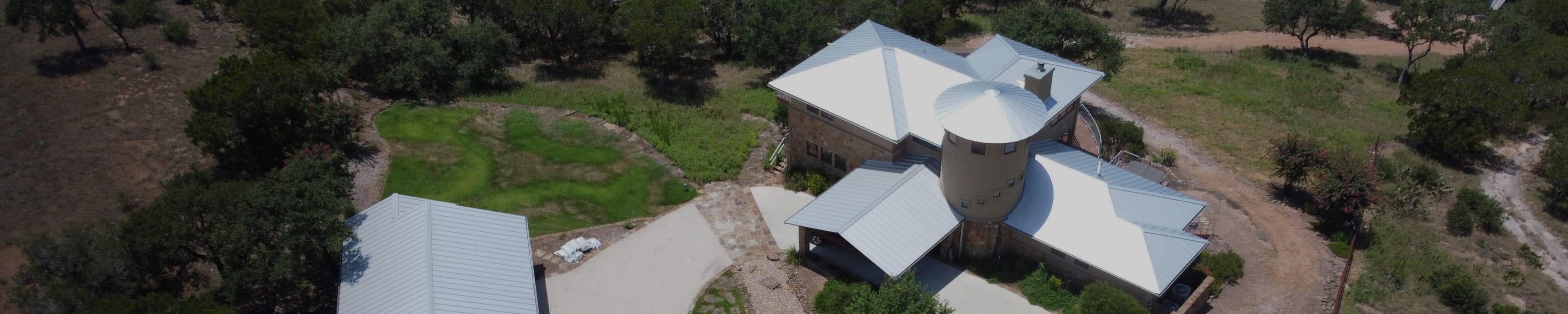
Expected Lifespan: 50+ years
Durable and long-lasting, with minimal upkeep. Materials like aluminum, steel, and copper each have their benefits.
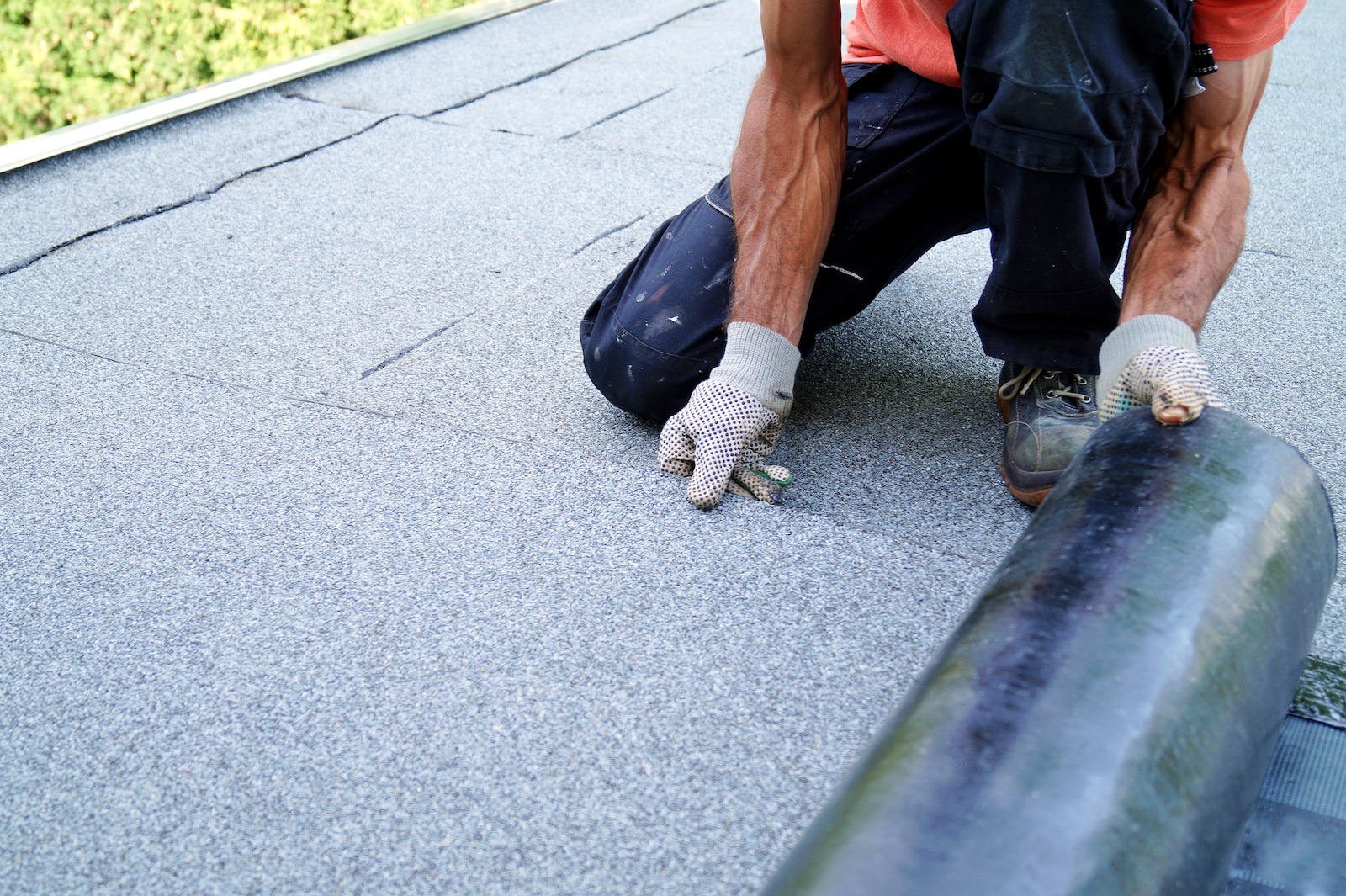
Roof lifespan is determined by many factors, from the type of material to weather conditions and maintenance. On average, a well-installed roof should last between 20 and 50 years. Since roofs are costly to replace, it’s essential to understand when replacement is truly necessary.
The roofing material used greatly affects its longevity. Here’s a breakdown of common materials and how long they typically last:
Expected Lifespan: 50+ years
Durable and long-lasting, with minimal upkeep. Materials like aluminum, steel, and copper each have their benefits.
Expected Lifespan: 50+ years
Clay or concrete tiles offer strength and longevity but need periodic maintenance.
Expected Lifespan: 15–20 years
Affordable and common, though less durable. Regular inspections help extend their life.
Expected Lifespan: 30–40 years
Rot-resistant and visually appealing, especially when maintained with water-repellent sealers.
Expected Lifespan: 30–40 years
Natural look, requires sealing and regular inspections to prevent rot and damage.
Expected Lifespan: 100+ years
Extremely durable and elegant but very heavy and prone to cracking from debris.
Expected Lifespan: 15–20 years
Made from various materials, including asphalt and wood; easy to repair but relatively short lifespan.
Expected Lifespan: Up to 50 years
Durable and suitable for various climates, but require sealing and gutter maintenance.
Expected Lifespan: 20–30 years
Modern and space-efficient, but more prone to drainage issues and require frequent maintenance.
Expected Lifespan: 100+ years
Long-lasting, fire-resistant, and aesthetically appealing, especially in warm climates.
LOA Roofing offers over 30 years of combined experience in roofing services, including installation, repair, and inspection. We educate clients, use durable materials, and back our work with a limited lifetime manufacturer's warranty.
Contact us today for a free roof inspection or consultation!
Ready for a roof estimate? We serve our clients in Austin, Houston, San Antonio, Round Rock, and beyond! Contact us to learn more about roof shingles and clay tile roofs.

Dedicated to excellence, our Austin roofing company ensures quality in every project. Contact our skilled Central Texas roofers for a same-day, hassle-free inspection. Call +1 (512) 375-3654 to book your free inspection.