Roof Laws Austin: How Lawmakers Are Raising Roofing Standards

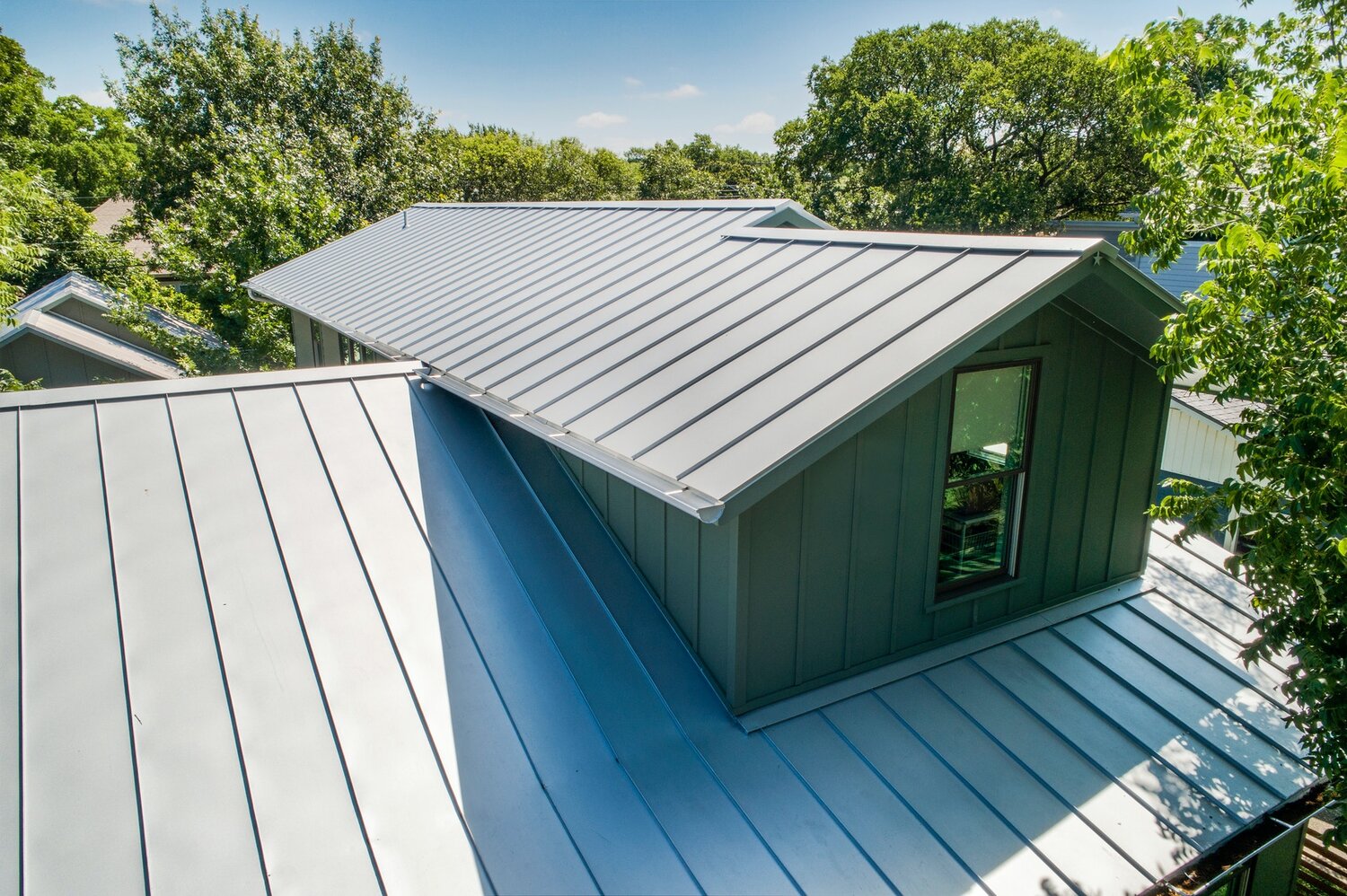
Texas lawmakers are increasing efforts to enhance the state’s roofing standards in response to increasingly severe weather events. This legislative push better protects homeowners, reduces costly property damage, and promotes long-term energy efficiency. As damage from storms, hail, and high winds becomes more frequent, lawmakers in Austin are reviewing and updating building codes to enforce stricter regulations on roofing materials, installation practices, and energy performance.
The urgency for stronger roofing regulations is apparent in Central Texas cities like Austin, where conversations around local roofing legislation are gaining momentum. These proposed updates aim to ensure that residential and commercial buildings have roofing systems capable of withstanding the region’s extreme climate. Ultimately, these changes safeguard property and contribute to a more resilient and sustainable built environment.
Rated 5.0 stars with 1,000+ reviews, LOA Construction is the go-to choice for owners of homes and property owners in Austin, Houston, San Antonio, and Round Rock. Whether you're dealing with storm damage, planning a new installation, or need a reliable repair, our A+ BBB-rated team delivers code-compliant, high-quality results every time.
Call us today at 512-375-3654 to schedule your FREE, no-pressure roof inspection with our trusted Central Texas roofing professionals.
The Driving Force Behind Stricter Roofing Codes
Texas has witnessed a growing number of destructive storms in recent years. The impact on buildings has been devastating from hurricanes along the Gulf Coast to hailstorms and winter freezes in Central Texas. In many cases, subpar roofing materials and outdated construction practices have contributed to the widespread damage. Recognizing this, lawmakers prioritize roofing upgrades that comply with modern building standards.
As the frequency of severe storms increases, there is a heightened focus on fire resistance, hail resistance, and wind durability. These elements are now central to the conversation around new roofing regulations. Homeowners and builders alike are being urged to use better roofing materials and techniques that meet or exceed minimum requirements for safety and wind exposure resilience.
Impact on Homeowners and Builders
For homeowners, shifting toward stricter regulations means better protection and lower long-term maintenance costs. Although upfront costs may rise with more durable materials, such as metal roofs or upgraded asphalt shingles, the investment pays off through increased durability and fewer repairs. Builders and contractors must adapt by staying well-versed in evolving roofing codes and following proper installation techniques.
The trend is also influencing insurance companies, which are increasingly favoring homes that meet new code requirements. As these changes unfold, property owners must work closely with roofing professionals who understand Austin roofing codes and can guide them through a compliant and effective roofing project.
Understanding Austin Roofing Codes in 2025
Austin has some of the most specific and evolving roofing regulations in Texas. The Austin roofing codes are built around safety, efficiency, and sustainability. With the rise in climate-related damage, local authorities have adopted amendments beyond state-level mandates. These updated roofing codes emphasize everything from roof slope and proper drainage to approved roofing materials and fire resistance.
Property owners planning a new installation or roof replacement must consult the latest roofing codes to ensure compliance. Working with a roofing contractor well-versed in local codes can prevent costly delays, failed inspections, and rework. Additionally, permits are now more rigorously reviewed, making it critical for property owners to partner with experienced professionals. Recent changes also include environmentally conscious measures, such as reflective roof surfaces to reduce heat absorption and improve insulation standards. These updates support energy efficiency and help reduce long-term maintenance costs. Staying informed and compliant with these evolving standards is essential for protecting property value and ensuring the longevity of roofing systems in Austin’s challenging climate.
Differences Between Local and National Guidelines
While the International Residential Code (IRC) and International Building Code (IBC) provide the foundation for roofing rules across the U.S., Austin’s unique weather conditions and varying design wind speeds have prompted the city to enforce stricter standards. These include enhanced requirements for ice barriers, fire ratings, and energy efficiency.
For instance, Austin codes might mandate additional layers of underlayment in hail-prone areas or require roofing assemblies that meet higher fire resistance ratings. These adjustments aim to provide greater weather protection and longevity for the roof framework. Builders must ensure all roofing materials used on a project comply with municipal building regulations and overarching national standards.
The Role of the International Building Code
In Austin, the code requirements extend to fire resistance, wind exposure classifications (like exposure C and D), and minimum slope regulations. These elements help determine the roof design, type of roofing materials, and structural design needed for compliance. Whether a project involves asphalt roofing or a metal roof, all elements must meet or exceed the international and local safety thresholds.
Integrating IBC guidelines into Austin roofing codes also supports energy efficiency improvements. For example, reflective roofing materials that minimize heat absorption are encouraged, contributing to lower utility bills and reduced urban heat island effects. As Texas cities grow, aligning with the IBC ensures sustainable development that protects property and the environment.
Asphalt Shingles vs. Metal Roof Options
Texas building codes now provide clearer direction on approved roofing materials, with asphalt roofing shingles and metal roofs remaining two of the most commonly used. While asphalt shingles are budget-friendly and easy to install, standing seam metal roofs offer superior longevity, weather protection, and energy efficiency.
Steel roofing materials are especially advantageous in areas that experience high winds, hail, and wildfire threats. These roofs typically have higher fire resistance ratings and contribute to better drainage on low-slope roofs. Many builders now recommend standing seam metal for homeowners, seeking fewer repairs and longer performance.
Fire Resistance and Weather Protection
Texas’s push toward stronger roofing is partly driven by the need to improve fire and hail resistance. Asphalt shingles must now meet stricter fire classification standards, while metal roofs are often selected for their Class A fire rating. These new standards make it essential for every roofing professional to be familiar with updated code requirements.
Fire resistance ratings, combined with the use of an ice barrier and proper roof slope, contribute significantly to a roof system's overall durability. These components are not just required by code but are vital in safeguarding structures during severe weather events. Roofing contractors must use approved materials that meet the International Residential and local codes.
The Importance of Roofing Codes in Texas
Roofing codes are a set of technical standards and code requirements that ensure roof systems are built to withstand specific environmental conditions. In Texas, these codes serve as both legal and construction guidelines. Adopting modern roofing codes is more critical than ever, with an increased focus on energy efficiency and fire resistance.
Adhering to roofing codes means investing in safety and long-term cost savings for property owners. Roofing codes also dictate the type of roofing materials, roof slope, fire resistance ratings, and proper installation techniques needed to meet local and international standards. Following these codes is essential for roofing contractors to ensure compliance and pass inspections.
How New Rules Affect Your Roofing Project
With updates to local construction standards and the International Building Code enforced more rigorously, any new installation or roofing work must be reviewed under the latest guidelines. From roof decking to roof sheathing, every layer of the roofing project must meet specific fire resistance and energy efficiency benchmarks.
A well-versed roofing contractor will be familiar with Austin roofing codes and guide homeowners in choosing the right materials, be it asphalt shingles, wood shingles, or slate tiles. These updates are especially crucial in areas with severe weather exposure or where ice formation and high winds are standard. Additionally, attention is now given to ventilation and moisture control, critical in preventing mold growth and preserving the roof’s structural integrity. Proper attic insulation and ventilation strategies can improve indoor comfort, lower energy bills, and prolong the roof's life. Compliance not only ensures safety but also contributes to long-term durability and performance.
Roofing Surface Area and Cost Considerations
Understanding the roof surface area of a property is fundamental in planning a compliant and cost-effective roofing project. Since roofing materials are priced per square foot, accurate measurements ensure that homeowners are neither underestimating nor overspending on their roofing work.
In Texas, roofing codes may also influence the amount and type of materials required per square foot, especially in larger or more complex roof designs. Roofs with greater surface area or unique architectural features often need enhanced drainage, better insulation, or higher fire resistance ratings to meet code.
Homeowners should always consult a roofing contractor who is well-versed in calculating roof surface area and optimizing material use based on project scope and regional regulations.
Key Elements of New Roofing Requirements
Ice Barriers and Roof Drainage Systems
Texas codes now emphasize the importance of proper water management, particularly in preventing damage caused by ice forming at the lowest edges of the roof. Installing an ice barrier has become a minimum requirement for new roof projects in areas vulnerable to freezing temperatures. This barrier helps protect the underlying structure by preventing water from backing up beneath the roofing material when melting occurs, a common cause of leaks during winter months.
In addition, modern roofing codes require effective roof drainage systems and appropriate roof coverings, especially on low-pitched roofs where water runoff is naturally slower. These drainage systems help channel water away from the structure, protecting the roof and the building’s foundation. Proper planning and installation are essential to minimize risks associated with standing water, such as rot and structural weakening. Ensuring these systems are part of the roofing plan reduces the risk of water infiltration, mold, and premature material degradation, ultimately extending the lifespan of the entire roofing system and enhancing the overall safety and durability.
Fasteners, Eaves, and Structural Integrity
New code requirements also address how materials are fastened to the roof deck, specifying fasteners required to resist wind forces and accommodate exposure C and D wind zones. Proper fastening contributes directly to a roof's ability to withstand high winds and extreme conditions.
Another important factor is the treatment of eaves, which causes water backup during ice storms. Codes now encourage proper overhang design and reinforcement of the roof structure to maintain integrity during severe weather events.
Special Code Requirements for Harsh Wind Zones
Texas building codes recognize specific wind exposure zones in areas subject to intense storms, such as coastal regions or open plains, including Exposure D. This classification applies to buildings in flat, unobstructed areas where they’re more vulnerable to extreme wind forces.
For roofing structures in Exposure D areas, extra code provisions are required. These include stronger fasteners, reinforced decking, and sometimes the use of two layers of underlayment to improve waterproofing and wind uplift resistance. Meeting these criteria ensures the roof construction holds up during storms and inspection passes.
Roofing professionals must also assess design wind speeds and match their material choices and installation methods to the demands of these high-risk zones.
Minimum Slope and Low Slope Roofs Explained
The minimum slope required for various roof types in Texas depends on the roofing materials and intended use. Flat roofs—commonly found on commercial buildings—must meet specific criteria for waterproofing and drainage.
Austin roofing codes define acceptable roof slope ranges based on asphalt shingles, seam-locked metal roofing, and membrane systems. Builders and inspectors use these slope standards to determine the proper application and ensure long-term roof performance.
Code Compliance for Low Slope Roof Installations
Low-angle roofs require additional safeguards, such as multiple layers of underlayment or membrane materials. These systems must be installed strictly following code requirements and manufacturer guidelines. Proper installation prevents pooling, leaks, and early roof failure.
Using compatible materials and understanding the nuances of low-slope systems ensures that your roofing project complies with local and International Building codes through proper installation.
Fire Resistance Ratings and Fire Classification in Texas Roofing Codes
Fire safety is now one of Texas's most heavily emphasized aspects of modern roofing codes. New roofing work must comply with a strict fire rating system, classifying materials based on their performance in resisting flame spread and combustion. The three primary fire classification levels—Class A, B, and C—guide material selection based on the level of fire exposure a building may face.
Roofing contractors must ensure every material used meets minimum fire resistance standards appropriate to the property’s location. Materials like metal roofs and fire-resistant asphalt shingles are popular because they can withstand high temperatures and prevent the spread of flames. In wildfire-prone or densely built neighborhoods, choosing the proper fire-resistant roofing structure is not just code-compliant—it’s essential for protecting lives and property.
Meeting Texas Fire Safety Standards
Beyond classification, new codes require roof assemblies to be tested as complete systems. This includes evaluating how decking, underlayment, and roof coverings perform together during a fire event. Roofing professionals must be well-versed in fire resistance ratings and understand the nuances between manufacturer-specific and code-mandated testing protocols.
Texas property owners increasingly seek peace of mind through roofing upgrades that improve fire protection. As insurance companies and local governments continue to push for higher resilience, the trend toward robust, fire-compliant roof design will likely grow.
Building Roofs for Energy Efficiency in Texas
Energy efficiency is no longer a bonus—it’s a baseline requirement in many Texas jurisdictions. Updated roofing codes encourage the use of energy-efficient materials and systems to reduce energy consumption, manage indoor temperatures, and lower environmental impact.
Popular solutions include reflective roof coverings that deflect UV rays, upgraded insulation layers, and integrated solar panels. These systems improve efficiency and can also help reduce stress on HVAC units.
As more homeowners in Texas look to reduce their carbon footprint and energy bills, installing solar panels has become a practical and eco-friendly decision. Panels installed on roofs designed for maximum sun exposure deliver optimal return on investment, especially when combined with proper ventilation and code-compliant insulation.
Materials That Support Sustainability
The demand for sustainable roofing materials is on the rise. Products such as cool roof coatings, recycled asphalt shingles, and energy-star rated roofing systems meet Texas’s new energy efficiency benchmarks while supporting the environment.
Roofing contractors must stay informed on materials that offer long-term energy savings, less maintenance, and better durability. The combination of accurate installation, sustainable materials, and smart design ensures that roofs aren’t just built to code—they’re built for the future.
Roofing Systems and Roof Assemblies
Understanding the components of a roofing assembly is crucial when adhering to modern Texas building codes. The roof decking is the structural base, typically made of plywood or OSB, and must be installed correctly for stability and performance.
On top of the decking, roof sheathing and underlayment provide additional weather protection, insulation, and fire resistance. These layers must be installed to meet both local codes and the International Residential Code, ensuring the roof assembly performs under pressure, from high winds to fire threats.
Integrated Systems for Greater Durability
A fully code-compliant roof assembly isn’t just about shingles and tiles. It includes properly fastened components, ventilation systems like exhaust vents, and drainage planning. These integrated systems are vital for long-term durability and compliance with roofing codes.
When each layer—from sheathing to coverings—correctly aligns with Texas building requirements, the result is a roof structure that meets fire ratings, energy standards, and weather resilience benchmarks. Roofing professionals must consider all components and how they interact to deliver maximum protection and performance.
Selecting a Roofing Professional Who Is Code-Compliant
Choosing the right roofing contractor can make or break your compliance with Texas building and roofing codes. Property owners should ask about the contractor’s knowledge of local building codes, including Austin roofing codes and the International Residential Code.
A reputable roofing professional should know all code requirements, fire resistance ratings, and correct installation methods. Ask for proof of licensure, references, and examples of past code-compliant projects. Also, verify that the contractor uses high-quality roofing materials and follows manufacturer guidelines.
Ensuring Long-Term Quality and Compliance
A code-compliant roofing contractor does more than install shingles—they precisely manage your roofing project. They will ensure that the roof slope is appropriate, the correct fasteners are used, roof drainage is efficient, and ventilation systems like exhaust vents are correctly installed.
By working with an experienced and trustworthy roofing contractor, property owners can rest assured that their new roof meets all current roofing codes and stands strong against Texas’s challenging weather conditions.
The Benefits of a Metal Roof in Code-Compliant Construction
Among the roofing materials favored under the new Texas codes are metal roofs—especially standing seam metal—praised for their durability, energy efficiency, and fire resistance. These roofs are designed to perform well in high-wind areas, making them ideal for Texas’s varied climate.
Seam-locked metal roofing features concealed fasteners that improve weather resistance and longevity. Unlike traditional shingles that may degrade or detach over time, metal roofing offers a sleek, low-maintenance solution that meets or exceeds roofing code requirements.
Why Metal Roofs Meet Today’s Standards
Metal roofs provide excellent fire resistance ratings, contribute to energy efficiency, and reduce the need for frequent repairs. Homeowners opting for metal roof installations often see longer life spans and fewer wind forces or hail resistance issues.
Roofing professionals recommend steel roofing configurations for those seeking a future-proof solution that aligns with local and international building codes. Accurate installation is essential to meet all code requirements, from minimum slope to fasteners required and exposure category alignment.
Local Building Codes: What Makes Austin Unique
While Texas has state-wide building code standards, Austin’s local building codes often go further to ensure homes can withstand the city’s unpredictable weather. Austin roofing codes are tailored to the local environment, from energy efficiency requirements to fire classification rules and wind speed design.
Austin mandates specific ice barrier implementations, greater emphasis on roof slope integrity, and additional material certifications. For homeowners, working with a roofing contractor who understands the nuances of local code compliance is not just helpful—it’s necessary.
Staying Compliant in a Changing Regulatory Landscape
Because Austin frequently updates its roofing regulations, staying compliant requires diligence. Roofing professionals and homeowners alike must monitor code changes and adapt to new requirements that affect everything from roof sheathing types to approved roof coverings.
Proper documentation, permitting, and inspections are vital to any Austin roofing project. Following the city’s lead in raising standards ensures stronger, safer, and more efficient regional roofing structures.
Planning for Roof Repairs and Material Lifespan
While new installations get most of the attention, ongoing roof repair remains a crucial part of maintaining code compliance and extending the life of any roof. Texas roofing codes emphasize periodic inspection and maintenance, especially after severe weather. Damage left unrepaired can violate code and put the entire structure at risk.
Different roofing materials age at varying rates. For example:
-
Asphalt shingles typically last 15–30 years.
-
Metal roofing materials often last 40–70 years with minimal maintenance.
-
Slate tiles can last over a century with proper care.
-
Solar panels integrated into the roof structure may have warranties of 25 years or more, but their lifespan is also affected by the condition of the underlying roofing material.
Regardless of the material, Texas property owners are encouraged to schedule regular assessments with a qualified roofing professional to ensure longevity and compliance with updated codes.
A well-maintained roof helps avoid unexpected violations of updated codes. Repairing minor issues early can eliminate the need for full-scale replacement and protect the home's structure and value. Common repairs to roof coverings may include:
-
Sealing cracked or missing tiles
-
Replacing weather-worn or damaged shingles
-
Reinforcing seam joints and flashing around penetrations
-
Adjusting mounts or brackets for solar panels
Understanding the projected life expectancy of various roofing materials and planning routine roofing work ensures structural integrity and financial foresight. Property owners should also consider the compatibility of upgrades like solar panels with their existing roof type to avoid costly retrofitting or premature wear.
How Roofing Codes Impact Home Value and Insurance
Texas roofing regulations protect your home and can boost its resale value and reduce your insurance premiums. Homes with updated, code-compliant roofs are more attractive to buyers and provide peace of mind in high-risk weather regions.
Insurance companies are increasingly factoring roofing codes into premium calculations. A property with recent upgrades to roof materials, proper roof slope, ice barriers, and code-approved roof coverings is considered lower risk. This can lead to premium discounts or faster claims processing during weather events.
Furthermore, properties built with code-forward design often benefit from higher appraisal values. Buyers recognize the investment in compliance and durability and often seek listings where roofs need fewer future upgrades.
Homeowners looking to protect their investment and increase property value should work closely with roofing contractors who understand the connection between code requirements and financial impact. Whether a full roofing project or targeted repair, staying code-compliant translates directly into home equity and protection.
Conclusion: Building Safer Roofs for Texas's Future
Texas lawmakers' push to enforce stronger roofing codes reflects a broader commitment to safety, sustainability, and long-term performance. From updated fire resistance ratings and energy efficiency standards to stricter local building codes in places like Austin, these changes aim to protect homes and businesses from increasingly harsh weather conditions.
For property owners, the path forward is clear: choose roofing materials and professionals that meet or exceed modern code requirements. Whether you're considering a new installation, a roof replacement, or storm damage repair, compliance with the latest roofing codes ensures peace of mind and lasting value.
At LOA Construction, we’re proud to lead the way in code-compliant, high-performance roofing solutions. Our well-versed roofing professionals are ready to guide you through every step of your roofing project—from material selection to final inspection. Let’s build a stronger, safer Texas together.
Ready to Get Started?
Contact LOA Construction today for a free roof inspection and code-compliant consultation tailored to your home’s unique needs. Our roofing experts are easily accessible and just a click away.
Further Reading:
Back to Blog