The True Cost of Delaying Commercial Roof Repairs For Austin Business Owners

The True Cost of Delaying Commercial Roof Repairs For Austin Business Owners
52 Ways Delaying Roof Repairs Becomes a Huge Expense
A roof leak or minor repair never stays a small problem. Left unaddressed, it becomes a financial, legal, safety and reputation problem that gets expensive real quick. This guide offers the most complete breakdown you’ll find of exactly what it will actually cost Austin businesses if timely roof repairs aren’t made.
An experienced Austin roofing company can identify minor roof damage before it develops into costly leaks, structural problems, or business disruptions. A trusted Austin roofing company can provide timely inspections and repairs to help businesses address roofing issues early and avoid more extensive expenses down the road.
1 : 10
Industry rule of thumb – a minor repair ignored can become 10x more expensive within a year
52 costs
Distinct direct, indirect, safety, legal and reputational costs identified below
3rd
Deadliest occupation in the U.S. is roofing – a risk that grows every time someone climbs up for an unplanned fix
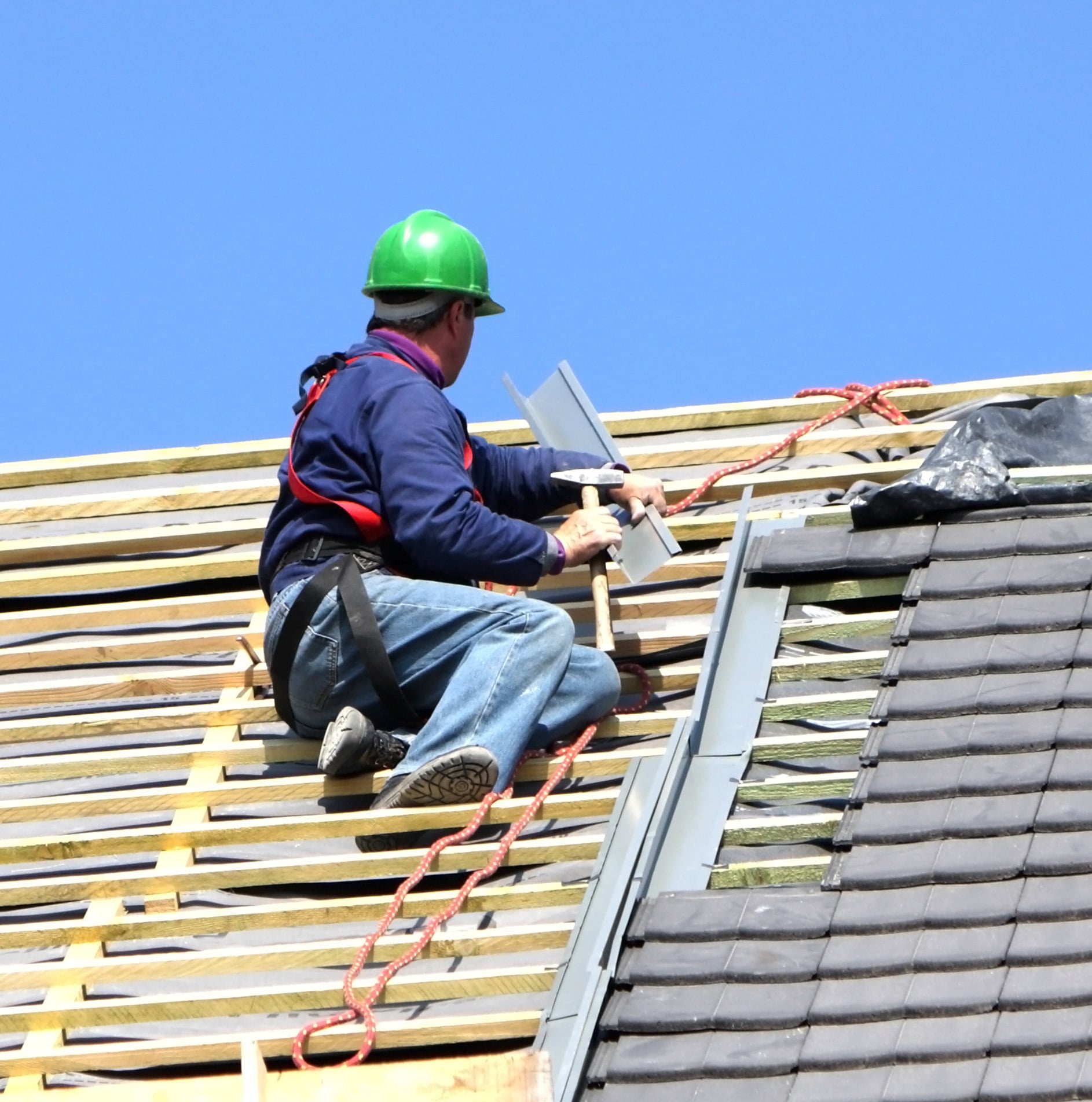
Common Misconception About Simple Repairs That Leads to Preventable Emergency Roof Repairs and Other Problems
Most commercial property owners think of a roof repair as a single line item that doesn’t need immediate attention. In reality, a deferred repair touches almost every part of business operations connected to the building – the lease, the insurance policy, the energy bill, the safety of anyone on the property, the City’s compliance file and the market value of the building.
This common misconception about commercial roofing can be very costly. It’s not a matter of the roofing material or even the age of the roof. In any situation at any commercial property, a roof repair can quickly escalate.
We built the exhaustive list below to give you the full picture of how not paying a few hundred dollars for a needed fix can end up costing much more, including premature roof replacement. Review it by category or read it start to finish. Either way, it’s the most complete accounting for the true cost of delaying commercial roof repairs for Austin business owners.
Minor leak, missed flashing, ponding
Interior damage, wet insulation, mold risk
Structural repair, code violation, claim risk
Full replacement + insurance & legal exposure
The relative scale reflects how cost, scope and risk compound the longer a known roof issue goes unaddressed. It is an illustrative escalation pattern, not a prediction for any specific roof.
I. The Escalation Effect of Small Repairs
WHY DELAYS LEAD TO MORE ROOF DAMAGE, REDUCED ROOF LIFESPAN AND STRUCTURAL REPAIRS
Every other category in this article exists because of this first one. A roof problem doesn’t stay small. It compounds and becomes a series of major repairs for structural damage.
-
01 The 1:10 multiplier. A widely cited industry rule of thumb is a roof issue that would cost roughly $1,000 to fix today can become a $10,000+ problem within about twelve months once it’s allowed to spread.
-
02 Wet insulation that can’t be saved. Saturated insulation can lose the large majority of its thermal resistance and typically has to be replaced because it can’t simply be dried and reused. Delaying roof repairs can easily cost $800-$2,000 or more in insulation replacement.
-
03 Roof deck and structural rot. Sustained moisture turns what would have been a membrane patch into structural carpentry: replacing decking, joists or rafters underneath.
-
04 Lateral water migration. Water entering at one point often travels sideways under the membrane and through insulation layers, saturating a much larger area than the visible interior leak suggests.
-
05 Crossing the repair-to-replacement threshold. Once cumulative repair costs climb toward roof replacement cost, repair stops being the economical choice – and that threshold arrives faster than most owners expect.
-
06 Compounding storm damage. Each major weather event is more severe when repairs are already needed. Central Texas hailstorms and high winds tend to find and exploit already-weakened points, deepening the damage in the gap between repairs.
II. Direct Financial Costs & Future Repairs Beyond the Roofing Invoice
WHAT SHOWS UP ON OTHER LINE ITEMS IN THE BUDGET
The roofing contractor’s invoice is often the smallest part of the real bill. These are the costs that show up everywhere else.
-
07 Emergency / rush pricing. After-hours mobilization, rushed material sourcing, and emergency labor rates cost more than the same work scheduled in advance. Emergency roof services can be 3-5 times higher than planned maintenance.
-
08 Interior restoration. That ceiling stain didn’t get there by chance. Ceiling tiles, drywall, paint, flooring, and insulation damaged by water intrusion all need to be repaired or replaced separately from the roof itself.
-
09 Equipment and systems damage. Rooftop HVAC units, electrical panels, server or IT rooms and fire suppression components are frequently in the direct path of a roof leak.
-
10 Mold remediation. Mold growth can begin developing within 24-48 hours of water exposure according to FEMA guidance and professional remediation costs climb quickly once it’s established in a wall or ceiling cavity.
-
11 Inventory and product loss. Damaged stock, raw materials or finished goods for warehouses, retail spaces, restaurants and manufacturers sitting beneath a compromised roof section.
-
12 A voided manufacturer warranty. Many commercial roofing warranties require documented, regular maintenance to stay valid. Deferred maintenance can void that coverage exactly when it would matter most.
-
13 Code-triggered upgrade costs. A forced roof replacement, instead of a planned repair, can trigger current-code requirements for water damage that significantly reduced insulation R-value and poor drainage capacity that add to the project’s scope and cost.
-
14 Rising costs from decrease energy efficiency. Roofing materials are already degrading due to UV exposure and other climate conditions. Compromised insulation loses thermal resistance, forcing HVAC systems to work harder and raising energy costs well before any leak becomes visible indoors.
-
15 Reduced HVAC equipment lifespan. Rooftop heating and cooling mechanical systems that run harder and longer to compensate for lost roof efficiency tend to wear out and need replacement sooner than they should.
-
16 Reactive financing costs. Capital pulled from a credit line or cash reserves for an emergency repair instead of a budgeted capital improvement, often at a worse cost of capital.
-
17 Lost contractor pricing windows. Scheduled, off-peak roofing work is typically priced more favorably than work crammed into a contractor’s calendar during high-demand storm season.
III. Insurance Costs & Warranty Coverage Risk
WHAT HAPPENS TO YOUR POLICY WHEN YOU WAIT
Commercial property insurance is built to respond to sudden, accidental events, not to a known issue that was never addressed. That distinction matters more than most owners realize until they’re filing a roofing claim in Texas.
-
18 Claim denial for neglect. If an adjuster determines that interior damage traces back to a known, unaddressed issue rather than a sudden storm event, that’s a common and well-established basis for denying the claim.
-
19 The burden of proof falls on the owner. Without dated inspection records, it’s harder to demonstrate that damage came from a specific storm rather than from months of deferred maintenance.
-
20 Premium increases at renewal. Commercial carriers increasingly factor roof age and documented condition into underwriting and pricing decisions at every renewal cycle.
-
21 Actual Cash Value coverage downgrades. Aging or poorly maintained roofs can be shifted from replacement-cost coverage to depreciated actual-cash-value coverage, which pays out significantly less after a covered loss
-
22 Non-renewal risk. A documented pattern of unresolved roof issues or repeat claims can itself be grounds for a carrier to decline renewing coverage altogether.
-
23 Higher wind/hail deductibles. Texas’s shift toward percentage-based wind and hail deductibles means a bigger out-of-pocket cost lands exactly when a deferred roof finally fails during a storm.
IV. Safety Hazards & Liability Costs
THE RISK NOBODY PUTS ON A BUDGET LINE
Roofing is consistently ranked among the most dangerous trades in the country with a fatality rate of roughly 52 per 100,000 full-time workers. it’s behind only logging and commercial fishing. Every additional, unplanned trip onto a deteriorating roof adds to that exposure, and it’s the property owner who carries much of the liability.
-
24 Elevated worker fall risk. Falls are the leading cause of death in construction and the dominant cause of fatalities specifically among roofers. it’s a risk that rises with every unplanned, ad hoc trip onto a deteriorating roof.
-
25 OSHA exposure for informal repairs. Sending untrained maintenance staff up for a “quick fix” without proper fall protection creates direct regulatory liability for the property owner or employer, not just the repair crew.
-
26 Slip-and-fall liability indoors. Water pooling on floors from an active leak is one of the most common sources of injury claims from tenants, customers and employees.
-
27 Falling-material hazards. Deteriorating flashing or roof-edge components can become a hazard to anyone passing below, especially in wind.
-
28 Tenant and customer liability claims. Water damage to a tenant’s inventory, equipment, or daily operations can expose the building owner to claims under the terms of the lease.
-
29 Workers’ compensation exposure. More frequent rooftop access, even just for routine checks on a known problem area, increases recordable-incident risk and the premiums tied to it.
-
30 Affect indoor air quality liability. Mold-related health complaints from occupants can become legal claims that are entirely separate from, and in addition to, the underlying property damage claim.
V. Code Compliance & Regulatory Costs
WHAT THE CITY OF AUSTIN ACTUALLY REQUIRES
This isn’t a gray area. Austin’s adopted Property Maintenance Code (City Code Chapter 25-12) states plainly that “all roof components shall be maintained in good repair and shall be sound, tight and without defects that admit rain,” and that roof drainage must be adequate to prevent dampness or deterioration. A leaking, ponding or poorly draining commercial roof is a code violation on its face, not just a maintenance preference.
-
31 Direct code violation. A roof that admits rain or drains inadequately is, under Austin’s own maintenance code, already out of compliance – independent of whether anyone has filed a complaint yet.
-
32 Notice of Violation and compliance deadlines. Once a violation is filed, the City sets a corrective timeline. Missing it escalates enforcement rather than resolving it.
-
33 Escalating fines. Unresolved violations typically result in repeat citations, with penalties that increase the longer the condition goes uncorrected.
-
34 “Condemned” placarding. In severe, unsafe cases, the City can post a building and restrict occupancy until the hazardous condition is repaired. It’s a direct hit to operations, not just a fine.
-
35 Secondary fire and electrical code exposure. Water intrusion into electrical systems or fire suppression components can create separate code violations beyond the roof itself.
-
36 Permitting complications on future projects. An unresolved roof violation can resurface during permitting for unrelated tenant improvements or renovations, stalling other capital plans you actually want to move forward.
VI. Operational & Business Costs
WHAT IT COSTS THE BUSINESS, NOT JUST THE BUILDING
A roof problem that’s allowed to grow doesn’t just cost more to fix. It costs more to run the business around it.
-
37 Longer downtime. In-depth emergency repairs simply take longer, and are harder to schedule around business hours, than the same work done as a planned project.
-
38 Lost revenue during closure. Every day a retail floor, restaurant, office or warehouse is offline or operating at reduced capacity is a day of lost revenue that doesn’t come back.
-
39 Tenant relocation costs. Multi-tenant buildings may need to temporarily relocate tenants or compensate them for unusable space during extensive repair work.
-
40 Lease disputes and rent abatement. Persistent leaks can breach a landlord’s obligation to provide usable space, triggering abatement clauses or formal lease disputes.
-
41 Tenant complaints and turnover. Tenants frustrated by unresolved leaks often don’t renew, and replacing them costs leasing commissions, build-out allowances and vacancy carrying costs.
-
42 Lost employee productivity. Staff working around buckets, relocated desks or reduced usable square footage simply get less done.
-
43 Customer-facing disruption. Visible damage, closed-off sections or musty odors affect the experience of every client and customer who walks through the door, whether or not they say anything.
-
44 Administrative time cost. Hours spent by ownership or staff coordinating contractors, insurance adjusters and code compliance is time that isn’t spent running the business.
VII. Property Value, Curb Appeal & Reputation Costs
THE COSTS THAT SHOW UP LONG AFTER THE LEAK IS “FIXED”
A history of deferred roof maintenance and failure to do regular inspections will keep costing money, just in less obvious ways.
-
45 Reduced appraisal value. Failure to conduct routine maintenance is a standard red flag in commercial property appraisals and lender due diligence, and it shows up directly in the numbers.
-
46 Slower, harder sales. Buyer inspections reliably surface roof issues, leading to price renegotiation, financing delays or deals falling through entirely.
-
47 A higher buyer-demanded cap rate. Perceived deferred-maintenance risk gets priced directly into a buyer’s offer, lowering what the property is worth to them.
-
48 Poor curb appeal. Stains, patches, ponding water and visible repairs are seen from the street and from every approach to the building by clients, customers and prospective tenants alike.
-
49 Diminished professional image. For offices, medical practices, law firms and other client-facing tenants, a visibly neglected building undercuts the exact image they’re trying to project.
-
50 Difficulty attracting or retaining quality tenants. Sophisticated tenants and their brokers notice poor maintenance during site selection, and it factors into their decision.
-
51 Negative reviews and word of mouth. Leaks, water stains or visible disrepair have a way of showing up in customer reviews and complaints, often before management even hears about the underlying problem.
-
52 Missed efficiency incentives. Proactive roof upgrades can sometimes qualify for utility rebates or efficiency incentive programs that a reactive, emergency replacement simply isn’t positioned to capture.
Directions
Accepted Payments
We accept major credit cards

Services We Provide
- Residential Roofing
- Commercial Roofing
- Roof Coatings
- Roof Service & Maintenance
- Roof Repair
- Roof Replacement
- Hail Damage Repair
Specialized Categories
Proudly Serving
City of Austin, Travis County, Williamson County, Bastrop County, Hays County, Caldwell County
Nearby Places
St. David’s South Austin Medical Center, Bender, Cosmic Pickle, Summer Moon Coffee
Our Reviews and Accreditations
Compromises to the Structural Integrity of Different Roofing Materials
These cost categories apply across every commercial roofing system. The only thing that changes are the specific failure points.
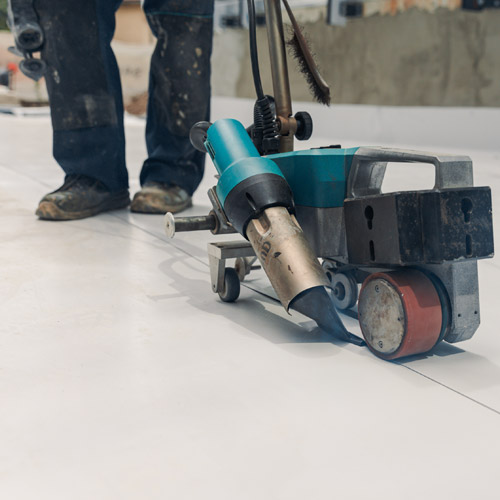
TPO & EPDM (Flat / Low-Slope)
The most common systems on Austin commercial buildings. Seam and flashing failures are usually where small issues start, and ponding water accelerates membrane breakdown.
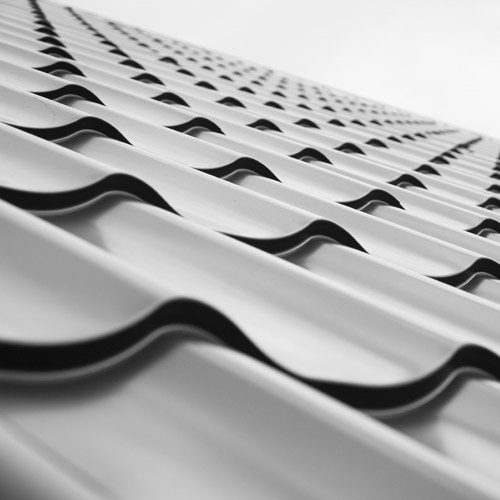
Metal Roofing
Long-lived overall, but fastener backout and seam integrity issues can quietly admit water for months before a visible interior leak appears.
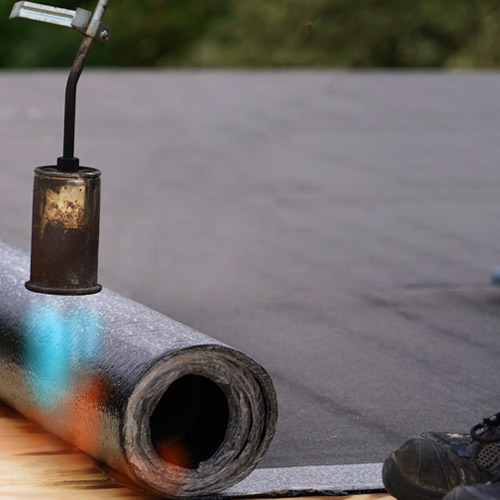
Built-Up & Modified Bitumen
Multi-ply systems can mask early deterioration between layers, so by the time a leak shows up inside, the affected area is often larger than expected.
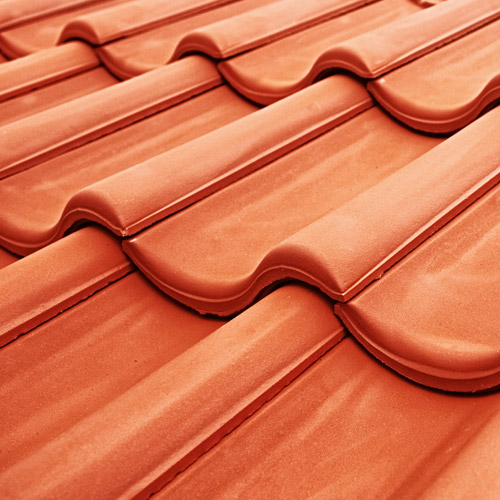
Clay Tile, Slate & Asphalt Shingles
Common on commercial buildings with steeper rooflines; individual unit damage (cracked tile, lifted shingle) is often dismissed as cosmetic until the underlayment beneath it fails.
Testimonials That Prove Complete Customer Satisfaction is Guaranteed
When it comes to roof repair and replacement for your home or business, you don’t want to hire just any contractor. At our roofing company, we’ve repaired and installed roofs all over the area—including Terry Black’s BBQ and other notable businesses across town.
See What Our Austin Roofing Clients Have to Say