Common Roofing Issues: Improper Flashing Material
Work With the Best Roofing Contractors in Central Texas

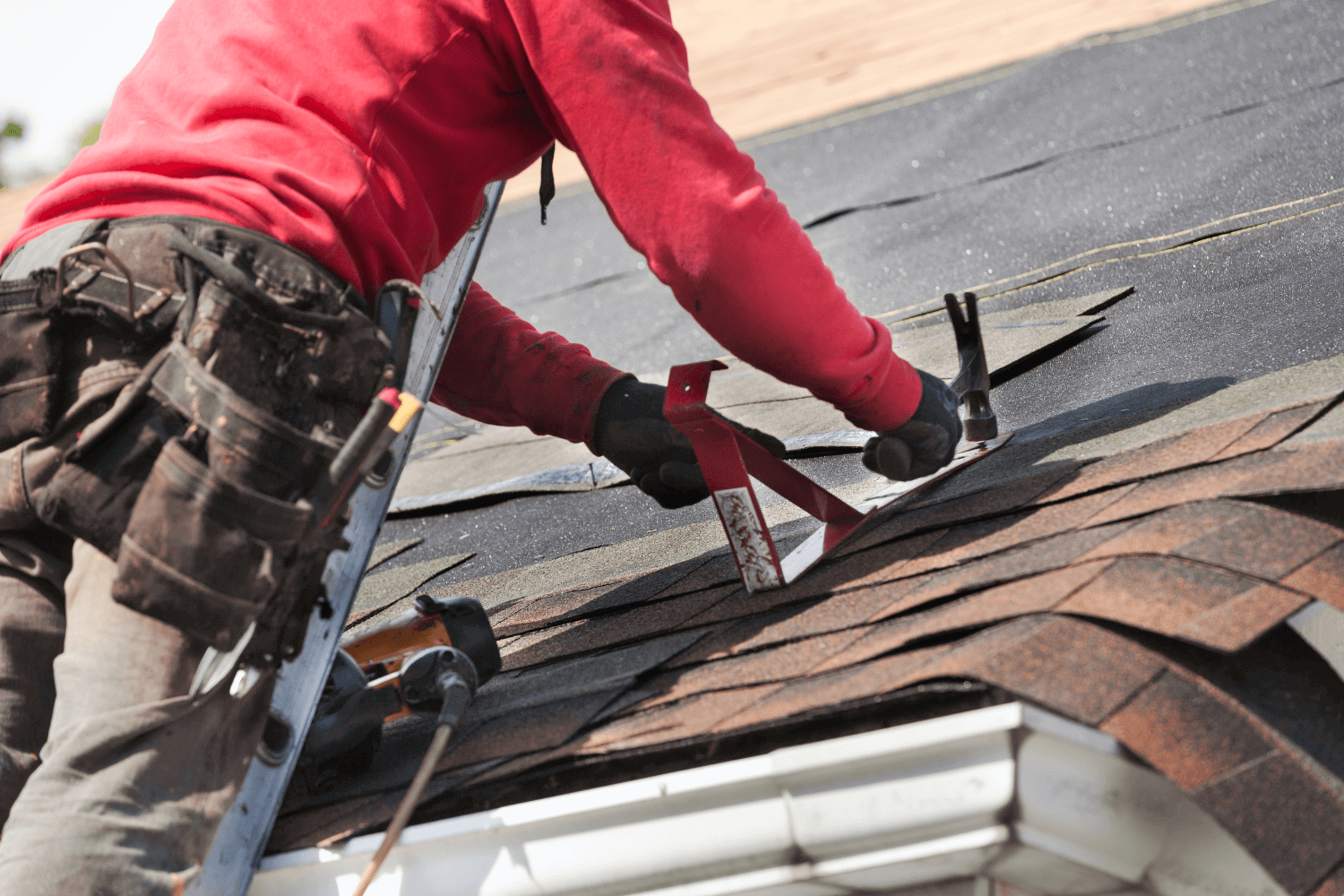
Quality is at the heart of our Austin roofing company in every project we take on. Contact our experienced Central Texas roofers for a same-day, pressure-free inspection. Call 512-375-3654 to book your free inspection.
If you need a new roof installed, LOA is the roofing company to call! Our roofing experts are known for providing quality workmanship at a fair price. If you own a house or business in Central Texas you can’t afford to work with another roofer.
Find out how much roof replacement will cost in Austin, Texas and the surrounding areas.
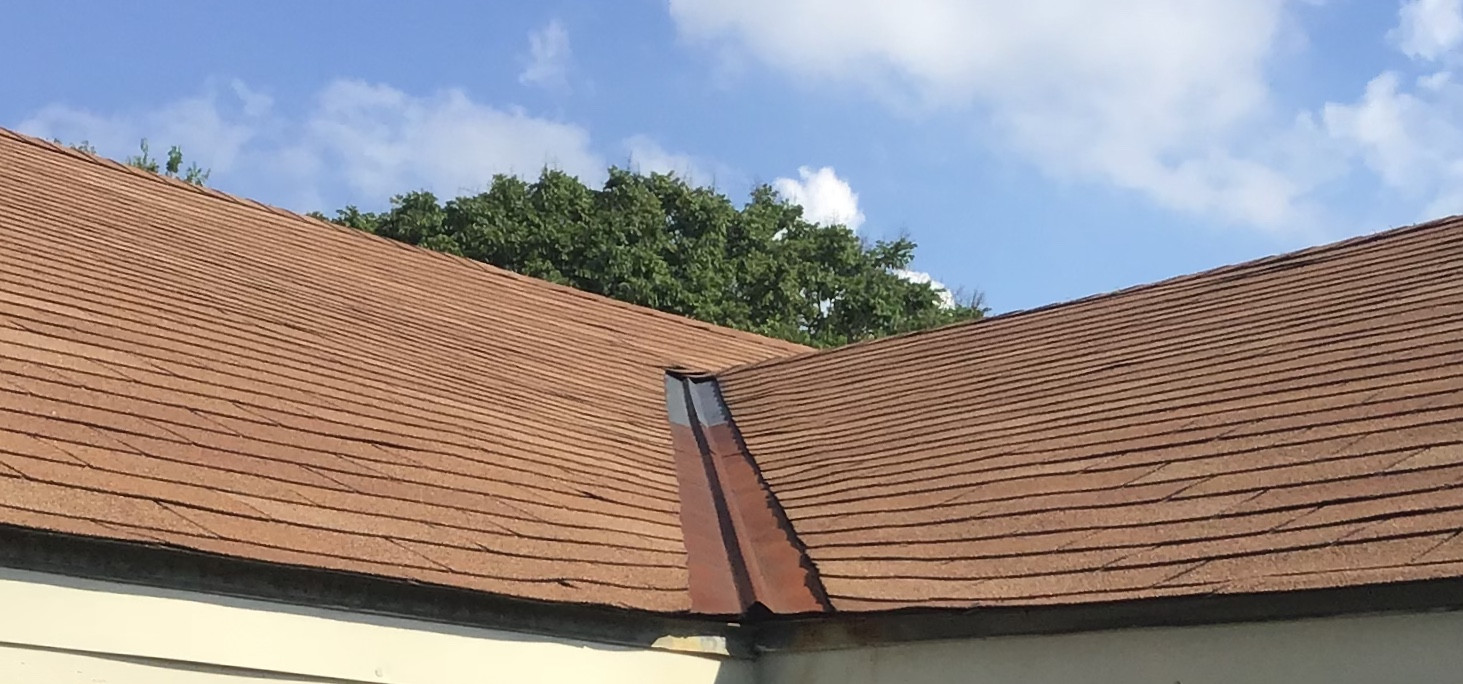
If You’re Facing Roof Flashing Failure It Could Be Because It’s the Wrong Material
Improper flashing is one of those unseen details that quietly sets a roof up for premature failure, hidden moisture damage and expensive repairs over time if it isn’t done right. One of the biggest things that can go wrong is using the wrong type of flashing material.
When the wrong flashing material is used on a roof, you can have leaks and other failures even if the shingles, metal panels or tiles were installed perfectly. Remember, the roofing material on top is just the first layer of protection that is most susceptible to water intrusion. That’s why flashing is used above and below it in the most vulnerable areas. But it won’t work as expected if the flashing material isn’t made for the job.
Why the Wrong Flashing Material is Used
Proper flashing installation starts with choosing the right products. Improper flashing material is usually the result of cost-cutting, inexperience or using a “one-size-fits-all” approach. Common mistakes that lead to incorrect material selection includes:
Using the Wrong Metal For the Roof Type
There’s a real science to proper installation. Some contractors don’t realize that materials can cause each other to react in bad ways when they’re installed together. For example, using galvanized steel next to copper or aluminum flashing where it will react with treated lumber or masonry, sets up galvanic corrosion and rapid deterioration.
Choosing Non‑Roofing Metals or Plastics
Thin, non-structural metals and generic plastics are not designed for UV, heat or water exposure. When these materials are exposed to the elements they can warp, crack or become brittle very quickly.
Installing Material That’s Incompatible With Sealants or Roof Coatings
Some flashing materials don’t bond well with certain mastics, membranes and roof coatings. Poor bonding causes seams and overlaps to fail early. Because flashing is installed at high-risk areas around chimneys, skylights, valleys and roof-to-wall transitions, using the wrong material means water goes exactly where you don’t want it to go.
An experienced Austin roofing company can inspect your flashing materials for improper installation, corrosion, compatibility issues, and other conditions that may lead to leaks. A trusted Austin roofing company can identify flashing problems around chimneys, skylights, valleys, and roof-to-wall transitions and recommend appropriate repairs to protect your roofing system