Choosing a Roof in Austin

Best Roof Types for Austin Weather
★★★★★5.0 Stars 1000+ Reviews
With a commitment to quality, our Austin roofing company excels in every job. For a same-day, no-pressure inspection, connect with our Central Texas roofing professionals. Schedule your free inspection by calling (512) 375-3654.
The roof design is going to influence the look of a home or building in a big way, but it also factors heavily into what roofing materials will work best. Here’s a look at some of the most common roof types in Austin and styles along with details about their design.
An experienced Austin roofing company can help you understand how different roof designs affect material choices, performance, and long-term durability. A trusted Austin roofing company can recommend roofing options that fit your property’s design while addressing your specific needs and project goals.
Ready to get started on your roofing project no matter what type of roof you have?
Flat Roofs vs Pitched Roofs
Before you choose roofing materials you’ll need to consider what type of roof you have. There are two primary roof types: flat roofs and pitched roofs. Of course, there are also combination roofs that can incorporate both a flat roof and a pitched roof.
Flat Roof
You’ll see a lot of flat roofs in Central Texas. They are particularly common in modern design as well as many commercial buildings and industrial buildings. As the name suggests, a flat roof has a minimal slope and is easy to walk on. Flat roofs require roofing materials with enhanced water protection since puddles are more likely to form compared to other roof styles. Flat roof types tend to need more maintenance because of this. Find out more about flat roofs and the materials that are used.
Pitched Sloping Roof
A pitched roof isn’t flat at all. The sides slope down or up at different angles from the center. Double pitched roof simply means that the roof has two sides that slope down and create a triangular shaped gable.
Roofing Materials for Every Type of Roof
Now that you know all the roof types and whether you have a standard gable roof, flat roof, hip roof or something less common, it’s time to take a look at popular roofing material options. Some materials like wood shingles look great, but they aren’t a practical option for the type of roof you have. Whenever we take on a roofing project we always discuss aesthetics with the owner as well as durability, longevity and ease of installation involved with different materials.
Asphalt Shingle Roofing
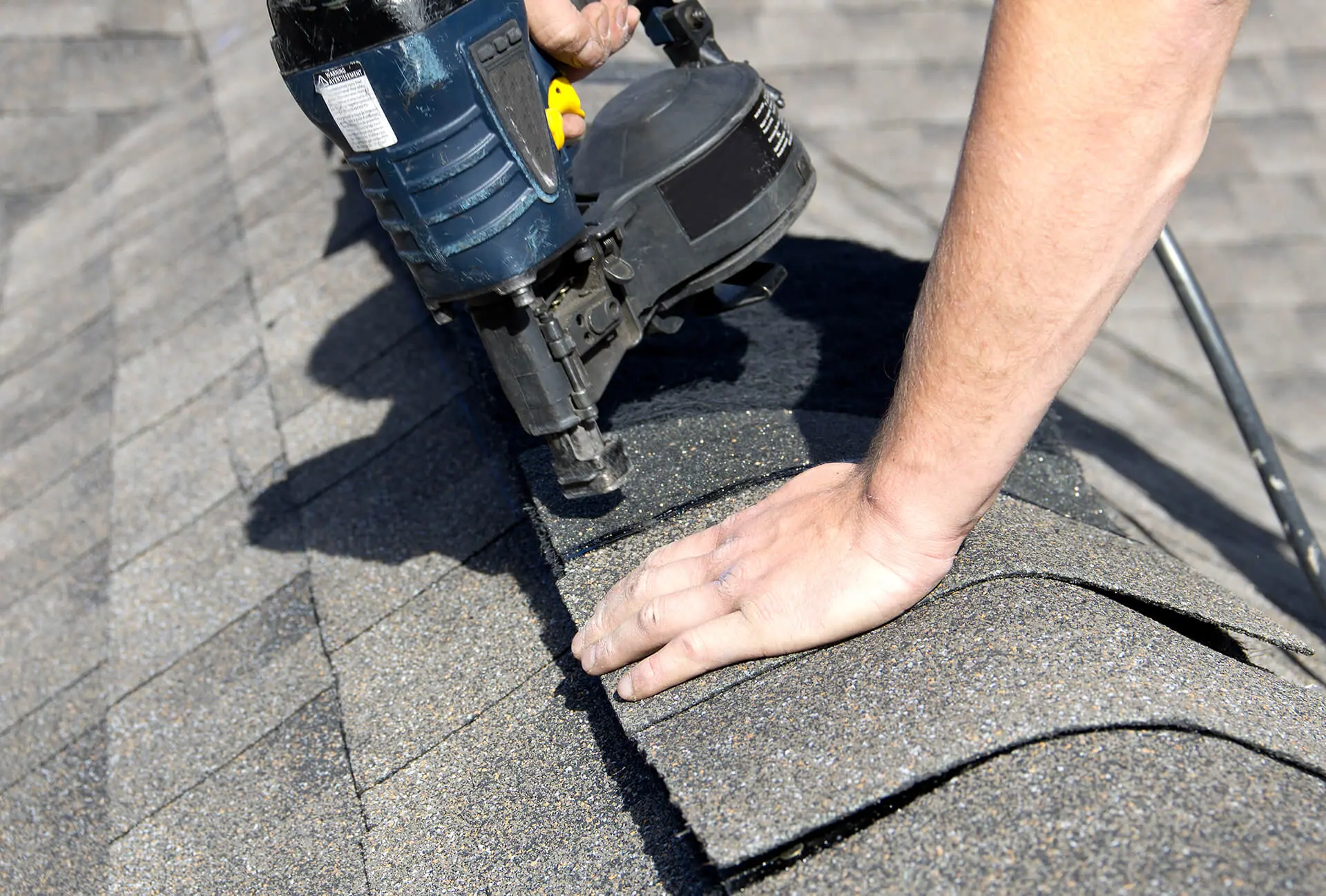
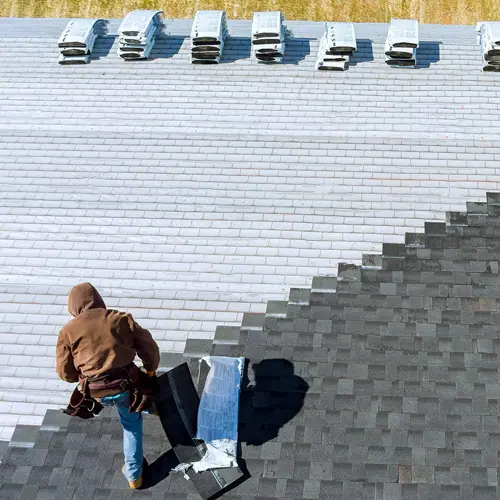
Many roof types, from a clerestory roof to a cross hipped roof, are very suitable for asphalt shingles. Traditional asphalt shingles have a fiberglass or organic base that is put into asphalt and then covered with mineral granules. The granules come in a variety of colors and help to provide good durability for the price.
While asphalt shingles will hold up well in most environments and are relatively affordable to repair, this roof material has a slightly shorter lifespan of 15-30 years depending on the manufacturer. Is it the right option for your roof type? Discover the pros and cons of asphalt shingle roofing to decide.
Clay Tile Roofing
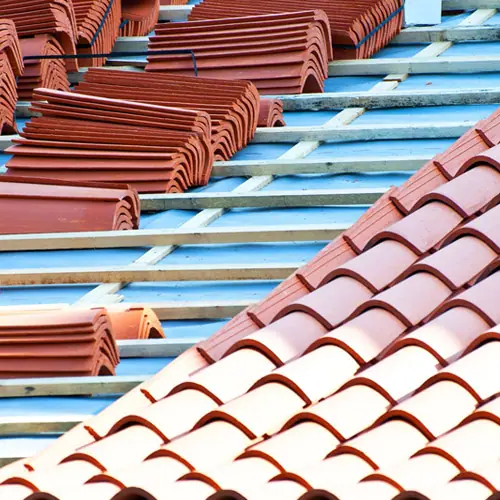
Clay tile roofing is common with certain home designs like Mediterranean and Spanish style homes. The kiln-fired natural clay tiles have a distinct look, but superior durability is another bonus. Clay tiles can last more than 50 years. Plus, they are also great insulators that help regulate the temperature inside better than other roof materials.
The issue with clay tiles is the weight. Not all roof types can support heavy clay tiles. If you are set on using this roof material, extra reinforcement may be needed prior to installation.
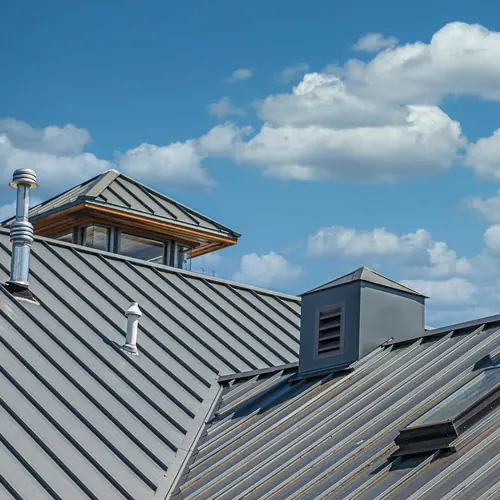
Metal Roofing
Just about every roof style is compatible with metal roofing. The material is easy to work with and cut into various lengths or shapes. And if you have a curved roof there are metal shingles today that provide more versatility while offering the same durability and lifespan of 50-70 years.
A metal roof can be noisier since it’s made of copper, steel, zinc or aluminum, but it has great strength and can handle a storm. The installation is typically a little more expensive than installing asphalt shingles but getting twice the years out of the roof more than makes up for the difference. Take a look at the pros and cons of metal roofs to decide if it could work.
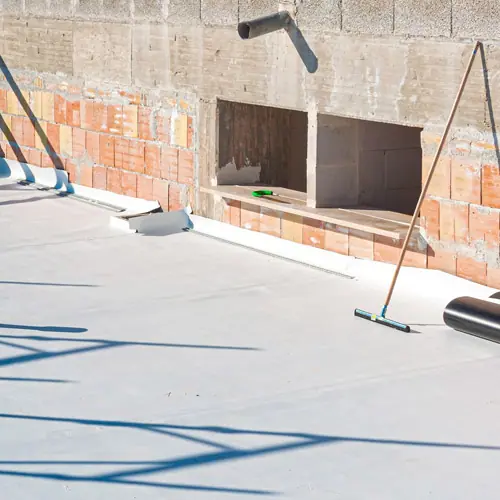
TPO Roofing
TPO roofing is a popular choice for industrial and commercial buildings. It’s made by combining polypropylene and ethylene-propylene rubber to create a single-ply membrane. The rubber material is lightweight yet does a good job of reflecting UV rays and heat for improved energy efficiency. Other benefits particularly for flat roofs is TPO’s resistance to mold and punctures.
With an average lifespan of 20-30 years, TPO doesn’t last as long as some other roof types, but it is generally lower cost and easier to install. Discover more advantages of TPO Roofing.
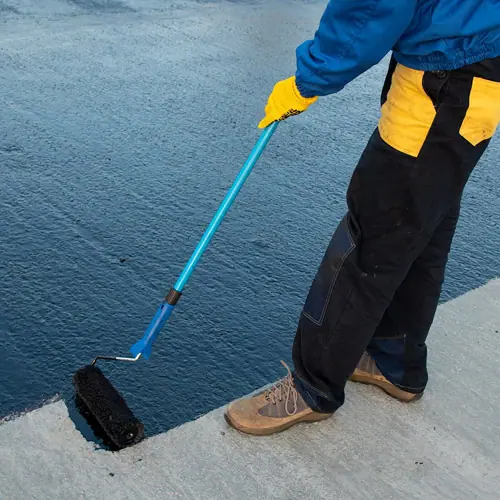
Built-Up/Mod-Bit Roofing
When there’s a low slope or flat roof we often recommend Built-Up Roofing (BUR) and Modified Bitumen (Mod-Bit) systems as an option. BUR is made by saturating layers of roofing felt with bitumen and topping it with aggregate. Mod-Bit roofing incorporates rubber or plastic for improved flexibility. Either type of roofing is ideal if you want superior waterproofing and easy maintenance for an affordable price upfront. See how Built-Up and Mod-Bit roofing are used.
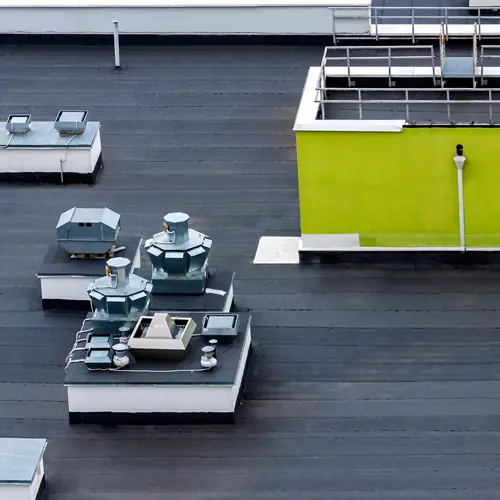
EPDM Roofing
Ethylene Propylene Diene Monomer, better known simply as EPDM, is perfect for commercial buildings with a low slope roof that are looking for an economical solution that’s still durable. EPDM is a synthetic rubber material that has been shown to do well in different climates. If you want to reduce heat absorption, opt for a lighter shade rather than black EPDM.
EPDM roofing can last up to 30 years, but it needs to be installed correctly to get the most years of use out of it. Learn more about the durability of EPDM Roofing.
Residential Roof Types in Austin
Most Austin homes have pitched roofs, such as gable and hip roofs, and the best roofing material for an Austin home depends on the roof’s design, your budget, and how long you plan to stay. Asphalt shingle roofs suit many roof types, are relatively affordable to repair, and last 15-30 years depending on the manufacturer.
Clay tile roofs fit Mediterranean and Spanish style homes and can last more than 50 years, though not every roof can support their weight without extra reinforcement. Metal roofing works with just about every roof style, has great strength, and can handle a storm; it costs more to install than asphalt shingles. We install all three for homeowners across North Austin, South Austin, East Austin, and West Austin.
Commercial Roof Types in Austin
You’ll see a lot of flat and low-slope roofs on commercial and industrial buildings in Central Texas, and they call for different roofing materials than a pitched home roof. TPO roofing is a single-ply membrane that reflects heat, costs less, and is easier to install, with an average lifespan of 20-30 years. EPDM is a durable, economical synthetic rubber that can last up to 30 years when installed correctly.
For low-slope or flat roofs, we also recommend built-up and modified bitumen systems, made from layers of roofing felt saturated with bitumen, or asphalt modified with rubber or plastic. Not sure which roofing materials in Austin suit your building? Call (512) 375-3654 for a free, same-day inspection.