Sagging Ridge Beam

Sagging Ridge Beam Repair
A sagging ridge beam isn’t just an eyesore that makes a home look ill-kept. It’s a structural failure signaling serious problems that are spreading throughout your entire roofing system. In older Austin homes and those hit by Central Texas storms, sagging ridges compromise water shedding and stress shingles and underlayment. Eventually it can lead to catastrophic roof collapse if it’s not addressed.
LOA Construction specializes in diagnosing and correcting ridge beam issues for Austin homes and commercial properties. We can tell you what it takes to restore structural integrity for proper roof function.
Need help correcting a sagging roof ridge beam?
A Free Roof Inspection From LOA Can Assess the Problem – Schedule Online in Minutes
What is a Ridge Beam and Why Does It Matter?
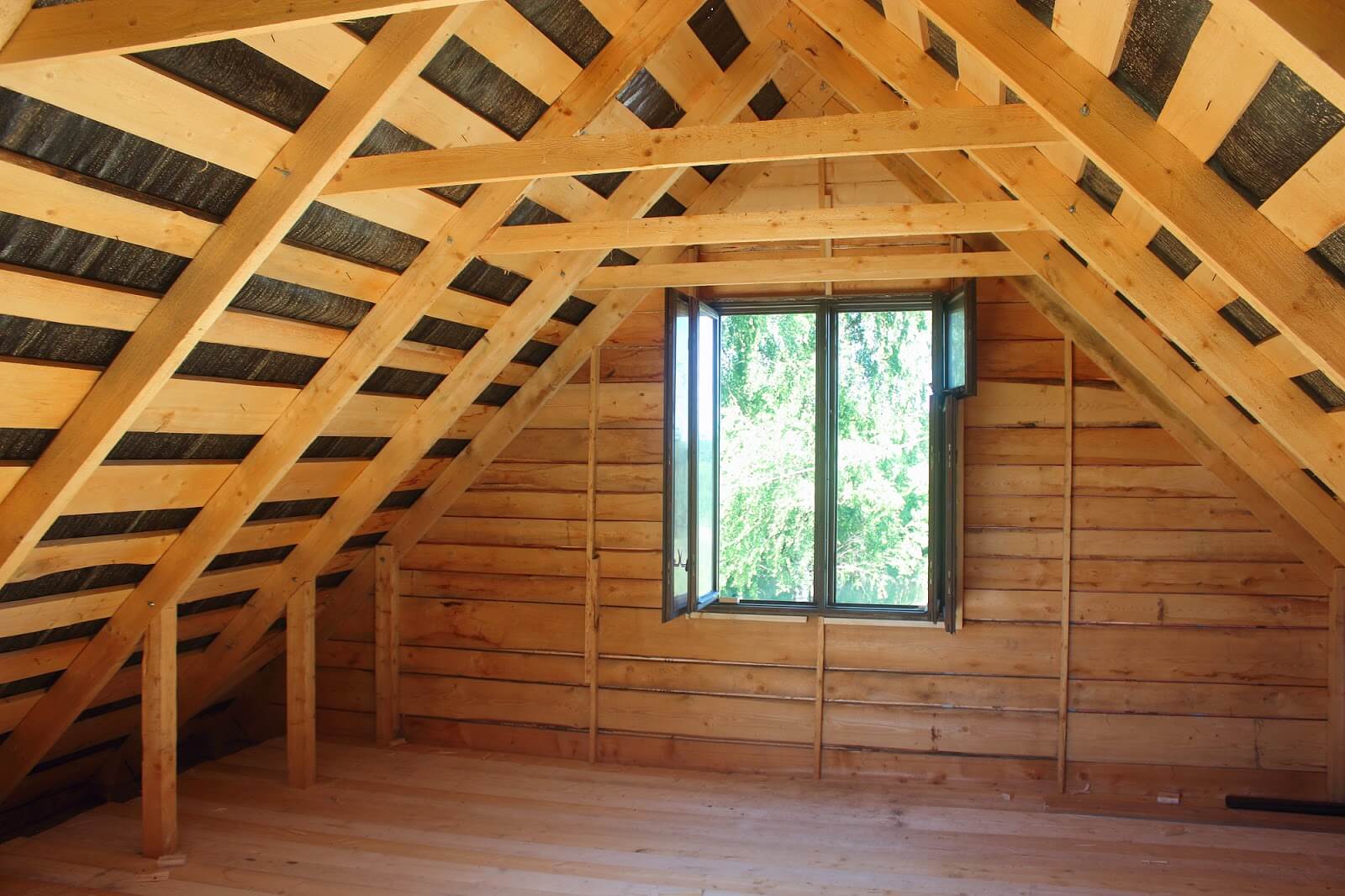
The ridge beam (or ridge board) is the straight, horizontal structural member that spans the length of your roof peak. It transfers roof loads from rain and snow down to load bearing walls and supports the upper ends of roof rafters or trusses to maintain the roof’s pitch and shape.
When the ridge beam sags, the roof line dips, creating a valley effect that traps water and stresses every layer from the surface roofing materials to decking. With time, the ridge beam won’t provide structural support like it should.
What Causes Sagging Ridge Beams in Austin Homes?
You may figure that a sagging ridge beam is something you only have to worry about if you own an old house. In reality, there are several factors common to Central Texas construction and the climate that leads to ridge beam failure in structures of all ages.
Original Undersizing or Material Failure
Older Austin homes (pre-1980s) often used undersized lumber not rated for modern roof loads. Over decades, original ridge boards made from #2 common pine or spruce deteriorate from:
- Wood rot at beam ends where roof leaks occur
- Insect damage (carpenter ants, powderpost beetles)
- Natural wood shrinkage (5-8% across grain as it dries)
- Original design inadequate for tile roofs or heavy architectural shingles
Water Damage and Rot Beyond the Ridge Board
Persistent moisture from roof leaks attacks ridge beam ends first then there are:
- Valley leaks running up under shingles to the peak
- Ridge vent flashing failures allowing water tracking
- Chimney and vent stack leaks following rafter lines to the ridge
- Poor attic ventilation creating chronic attic humidity
Rotten beam ends lose load-bearing capacity, causing progressive sagging.
Storm and Wind Damage
Central Texas wind events that are 60-90+ mph create uplift forces that:
- Rack roof trusses sideways, stressing ridge connections
- Pull rafters upward at birdsmouth cuts, rotating the ridge beam
- Damage ridge vent flashing, allowing water intrusion
- Twist the entire roof assembly, creating uneven loading
Truss or Rafter Settlement
Uneven foundation settlement or deteriorating bearing points cause:
- One side of roof settling faster than the other
- Rafters rotating at wall and gusset plates, pulling the ridge beam down
- Truss uplift straps overstressing ridge connections
- Progressive sagging as settlement continues
Improper Roof Additions or Alterations
Common Austin renovation problems include:
- Adding heavy clay tile roofs to homes designed for asphalt shingles
- Room additions that change roof loads without ridge reinforcement and extra support
- Vaulted ceilings without LVL ridge beam that don’t require ceiling joists or collar ties
- Solar panel arrays creating concentrated ridge loads
- HVAC equipment overloading roof structure near the peak
Signs Your Roof Has a Sagging Ridge Beam
You may have noticed ridge beam problems from multiple vantage points. The telltale signs include:
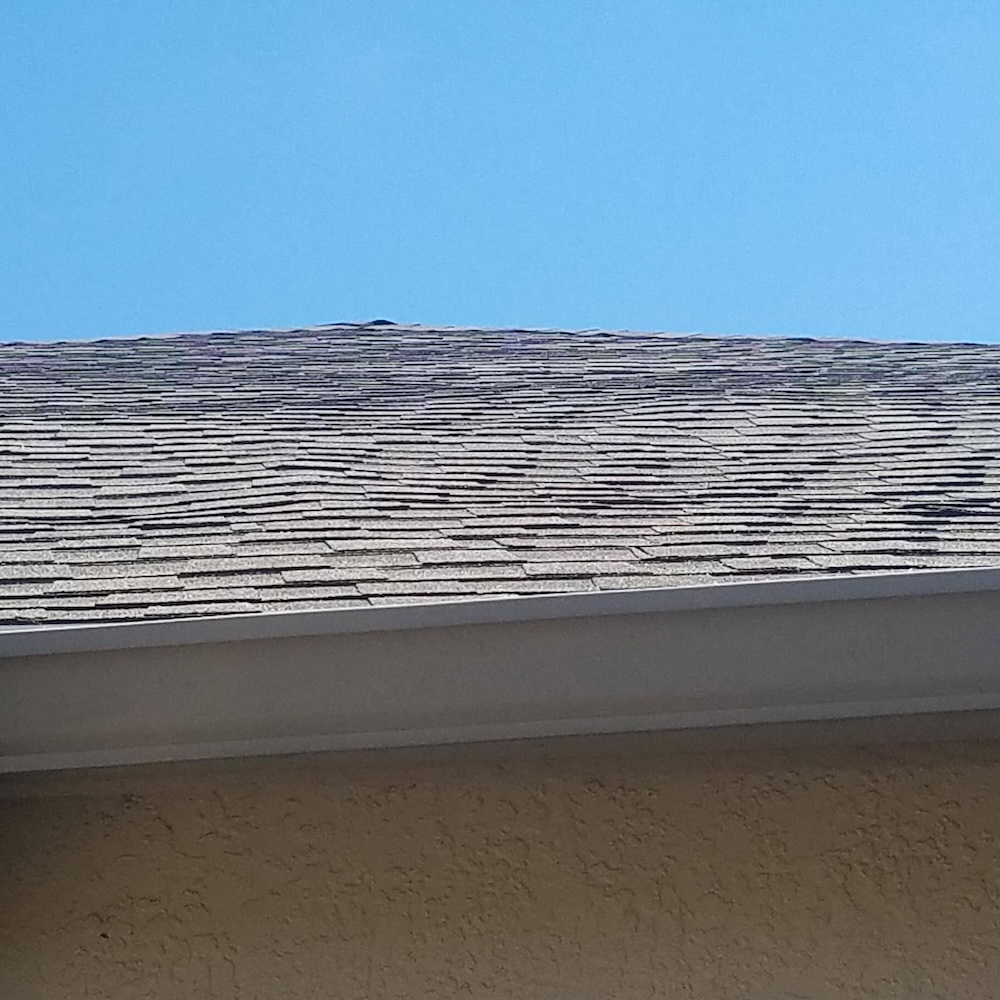
- Roof peak that appears lower than expected or dips visibly
- Interior ceiling that shows cracks radiating from center of house
- Attic rafters that have gaps at ridge beam connection
- Shingles that appear stretched or bunched at peak
- Water stains that are concentrated along ridge line in attic
- Ridge vent that shows collapsed screening or blocked airflow
The danger zone begins when sagging exceeds just 1/2″ over a 20-foot run. From there the issues only get worse, which is why you want to work with an experienced roofing company to get the ridge beam fixed ASAP.
Schedule a Free Ridge Beam Evaluation in Austin, TX With LOA
A sagging ridge beam is a sign of subpar residential construction that needs to be addressed. It can be stressful, but you can’t wait for leaks to form or part of the roof to collapse.
LOA Construction can inspect your ridge structure to assess its condition and calculate proper sizing that will provide a permanent correction.
Call LOA Construction today or request a free roof inspection online to restore your roof’s structural integrity and prevent damage throughout your entire roofing system.