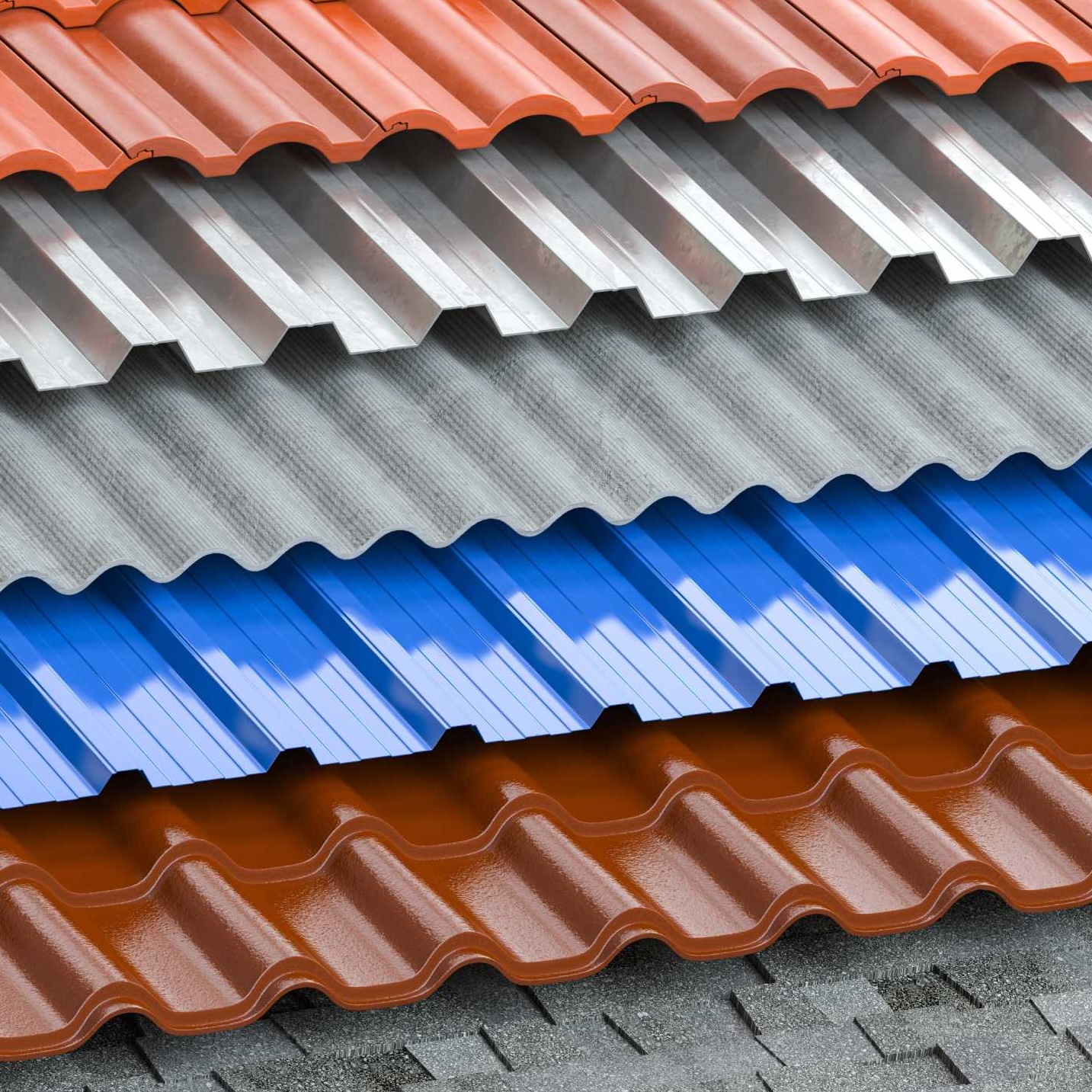
Common Roofing Problems in Over- and Under-Tightened Fasteners on Metal Roofing
Work With the Best Roofing Contractors in Central Texas
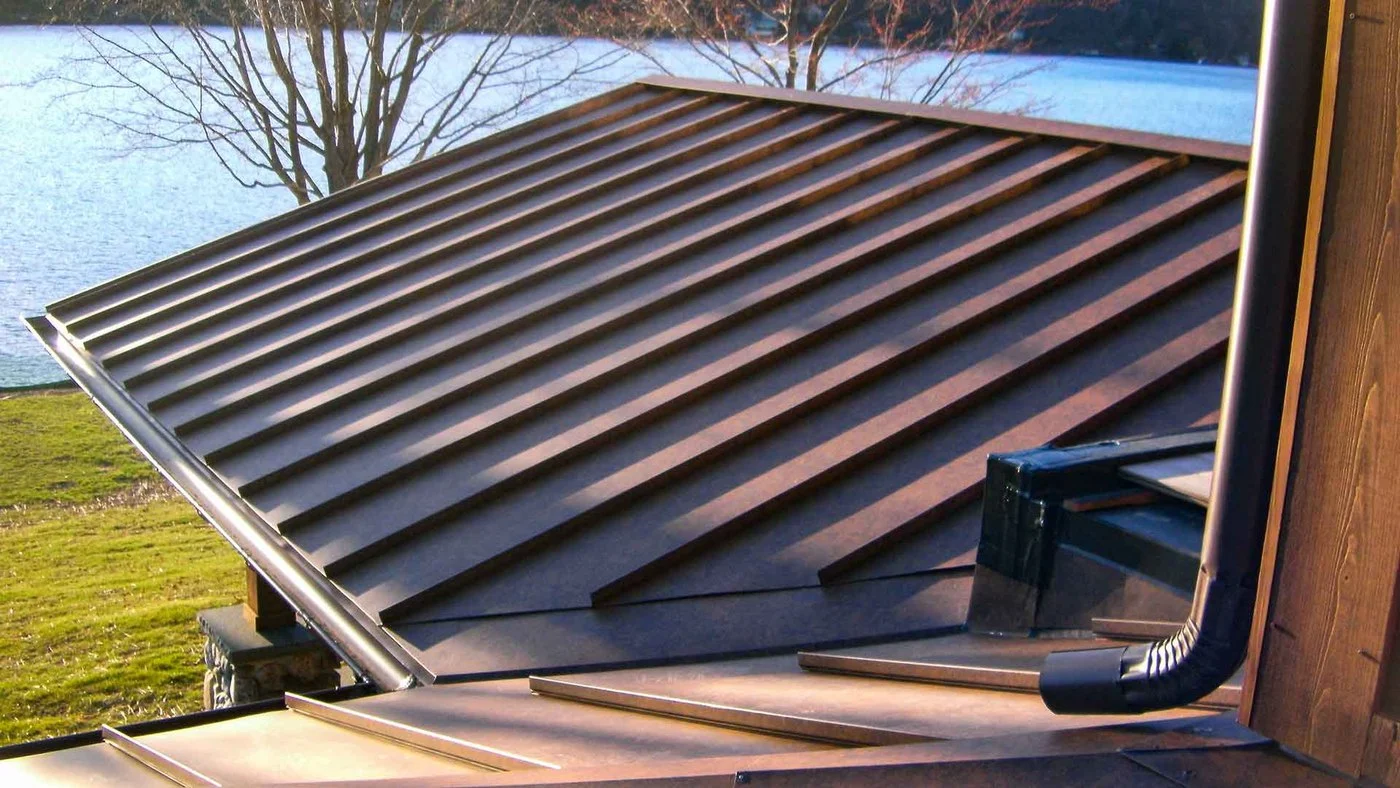

Common Roofing Issues: Over- and Under-Tightened Metal Roof Fasteners
Learn the Causes and Ways to Minimize Oil Canning in the Texas Heat
Metal roof fasteners are kind of like a Goldilocks and the Three Bears situation. They can’t be too tight or too loose. They have to be fastened just right.
When metal roof fasteners are under‑tightened or over‑tightened, you lose the precise clamping force those panels need to stay weather‑tight and move correctly with temperature changes. That’s when you start to see leaks, loose panels, noise and premature wear, especially in a climate like Texas where metal roofs expand and contract a lot.
Get a better idea of what leads to ill-tightened fasteners on metal roofing and how to fix the problem with this guide from the roofing experts at LOA.
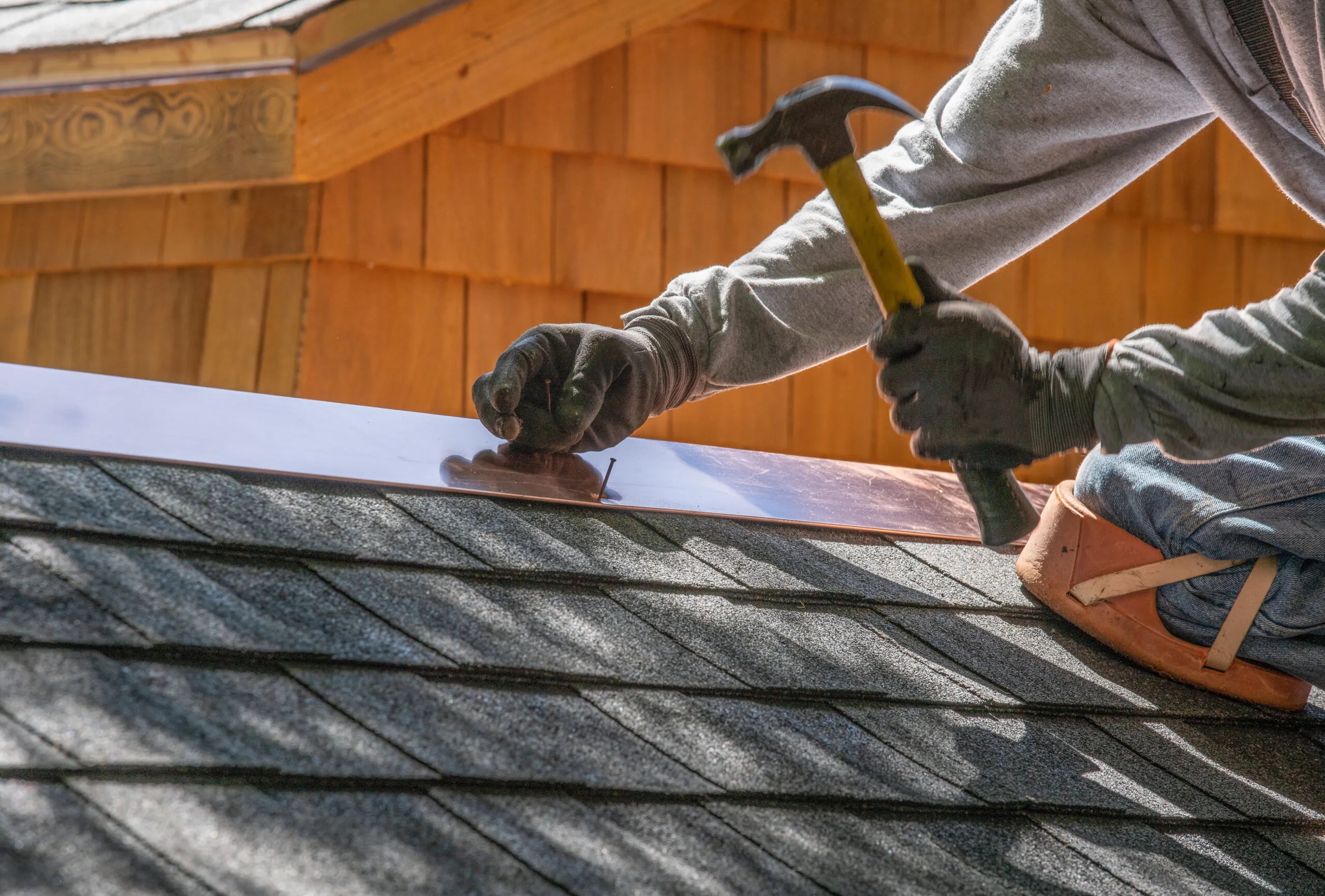
Why Fastener Tightness Matters on a Metal Roof
Every screw, washer and clip on a metal roof has a job: pull the panel snug to the substrate, compress the washer just enough to seal out water and still allow for a bit of movement as the metal expands and contracts. It’s a bit of a balancing act. And there are hundreds of fasteners, so it’s easy to see why it’s a common problem with metal roofs.
When fasteners are:
- Under‑tightened, they don’t fully seal or secure the panel.
- Over‑tightened, they crush the washer, distort the metal and can even damage the fastener itself.
Either way, you end up with roof leaks, all the problems that come with them and a shorter roof life. It made sound simple, but tightening the fasteners just right is a skill that has to be mastered by roofers.
What Happens When Fasteners Are Under‑Tightened
Let’s take a closer look at what can go wrong when under‑tightened screws aren’t pulled down firmly against the panel and substrate.
Poor Sealing and Early Leaks
Most metal roofing screws have a neoprene or EPDM washer under the head. That washer must be compressed slightly to seal the hole. When that’s not the case:
- The washer doesn’t fully contact the metal.
- Water can wick under the washer and into the fastener hole.
- Wind‑driven rain has an easier time working into small gaps.
Like any roof leak, you’ll eventually notice drips or stains on the ceilings during storms. Up in the attic there is probably damp insulation or decking around the loose fasteners.
Panel Movement and Noise
Loose fasteners that don’t hold the panel tight against the structure does more than cause leaks. It can also cause:
- Panels to rattle more dramatically in wind.
- Ticking or popping noises as the panel expands and contracts around loose screws.
- Holes that elongate over time as the panel moves, making the problem worse.
Vulnerability to Wind Uplift
When under‑fastened panels are perfectly flush against the roof deck they’re more susceptible to:
- Wind uplift pulling panels back.
- Edge and corner panels lifting completely up, where pressure is the highest.
In severe storms, that can mean partial panel loss or damage to the surrounding roofing materials.
Why These Problems Are Common in Metal Roofs – Especially in Texas
Metal roofing is highly sensitive to fastener tension for three key reasons:
1. Thermal movement: Panels need to give slightly as they expand and contract in different temperatures. Fasteners that are too tight or too loose both interfere with this natural movement.
2. Panel profile and gauge: Thinner panels and wide flat panels magnify any distortion caused by incorrect fastener torque.
3. Installer technique: On many jobs, fasteners are driven by feel rather than with torque‑limiting tools, which makes inconsistency almost a given.
In Texas, where roof surfaces can reach extreme temperatures and storms can be intense, small fastener issues are more likely to turn into visible problems. All the more reason to make sure metal roof installations are handled by experienced roofers.
How to Fix Under‑Tightened or Over‑Tightened Fasteners
The right repair depends on how many fasteners are affected and how severe the damage already is.
Inspect and Identify the Problem Areas
From the roof surface, look for:
- Under‑tightened screws:
- Washers not snug to panels.
- Screw heads sitting visibly off the surface.
- Panels visibly lifting or vibrating around the fastener.
- Over‑tightened screws:
- Washers extruded beyond the screw head or visibly split.
- Dimpling of panel metal around the screw.
- Rust or staining around distorted fasteners.
Inside the building, check for:
- Leaks or stains along fastener lines.
- Damp decking or insulation from leaks.
Tighten Under‑Tightened Fasteners So They Are Installed Correctly
Where washers are intact and the screws are simply loose:
- Carefully tighten screws just until the washer is fully seated and slightly compressed.
- Avoid “one extra turn for good measure”—that’s how over‑tightening starts.
- If the hole is wallowed out or the screw no longer bites, replace it with a slightly larger fastener designed for that purpose.
Replace Over‑Tightened or Damaged Fasteners
For fasteners that have become crushed, cracked or distorted from over-tightening:
- Remove the old screw and washer.
- Inspect the hole. If it’s stretched or damaged, use an appropriate over-sized fastener with a new washer so it can grip the metal or substrate.
- Seat the new screw carefully, stopping as soon as the washer compresses evenly against the panel (no mushrooming).
If there is extensive damage, it’s sometimes more efficient to replace all fasteners in a problem area rather than spot‑fixing individual screws.
Address Leaks and Secondary Damage
If fastener issues caused leaks you’ll need to do a few more roof repairs:
- Replace any rotted decking or framing in the affected area.
- Remove wet insulation and replace it once the area is dry.
- Repair stained or damaged ceilings and drywall.