Roof Services For Austin’s Historic Homes
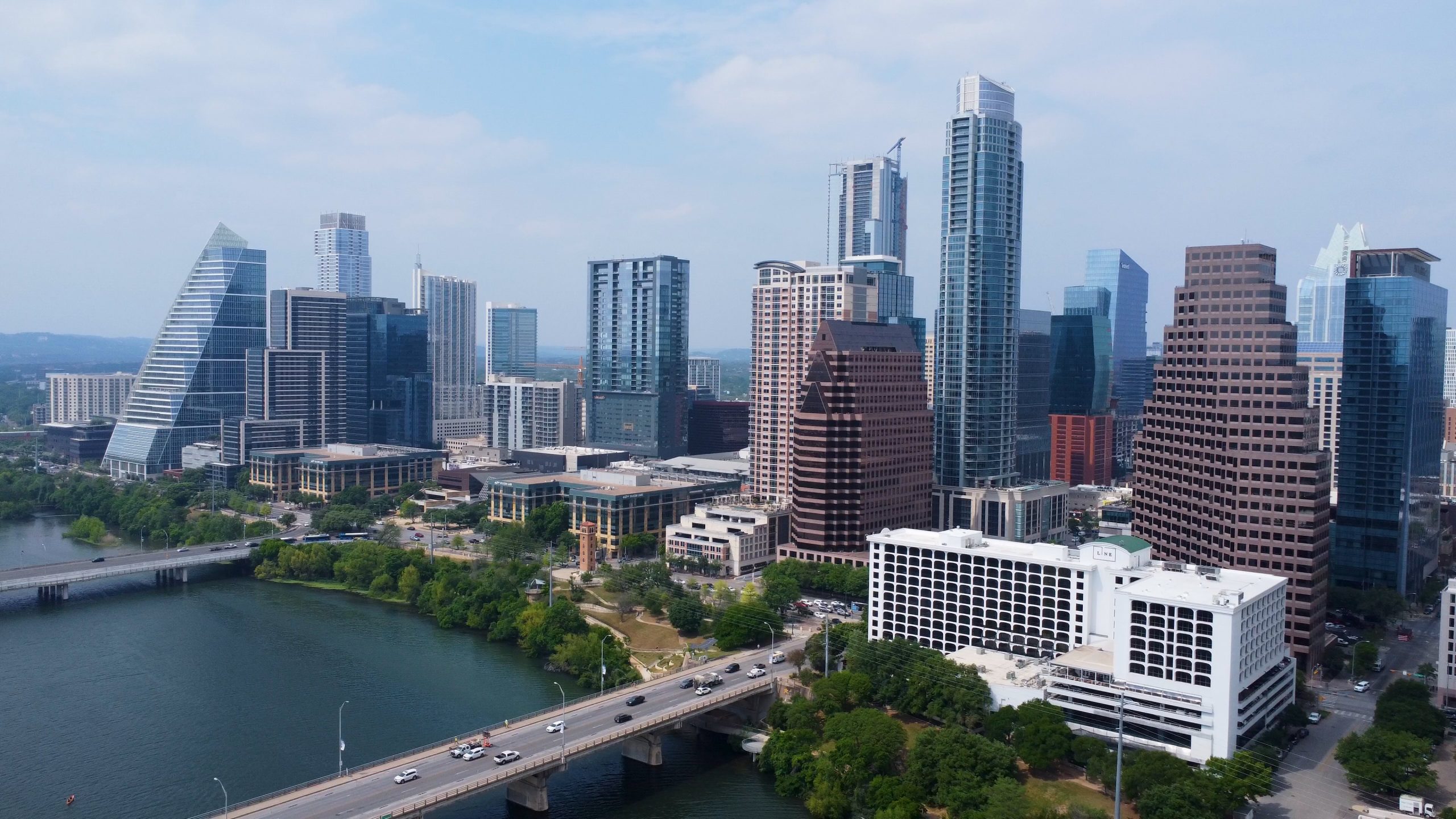

Roofing Experts That Respect the Past and Protect the Future
From the Queen Anne cottages of Hyde Park to the Craftsman bungalows of Travis Heights to the mid-century modern architecture of Barton Hills, Austin’s historic homes are part of what makes the city feel electric, which is an identity that is fully embraced. Working on these roofs takes more than standard roofing know-how. It takes an understanding of how these homes were built, what materials should be used and how to navigate Austin’s preservation rules without slowing your roof project down.
LOA Roofing & Construction is an experienced Austin contractor that is familiar with the local architectural styles both old and new. When we work on older homes preserving the architectural heritage is a top priority. With us, repairing, restoring or replacing a roof won’t compromise the historic character.
Contact LOA Today to Schedule a Roof Consultation For Your Historic Austin Home
Accepted Payments
We accept major credit cards

Services We Provide
- Residential Roofing
- Commercial Roofing
- Roof Coatings
- Roof Service & Maintenance
- Roof Repair
- Roof Replacement
- Hail Damage Repair
Specialized Categories
Proudly Serving
City of Austin, Travis County, Williamson County, Bastrop County, Hays County, Caldwell County
Nearby Places
St. David’s South Austin Medical Center, Bender, Cosmic Pickle, Summer Moon Coffee
Our Reviews and Accreditations
Roofing Materials That You’ll See on Austin’s Historic Homes
The materials used on Austin’s older homes generally trace back to the architectural style and era when they were built. In the Austin area it’s common to see:

Standing seam and tin metal roofing
This is one of the most common historic roofing materials in Central Texas. Galvanized and tin roofs have been used on Austin homes since the 1800s. They’re valued for their durability and distinctive look on farmhouses, Victorians and bungalows.
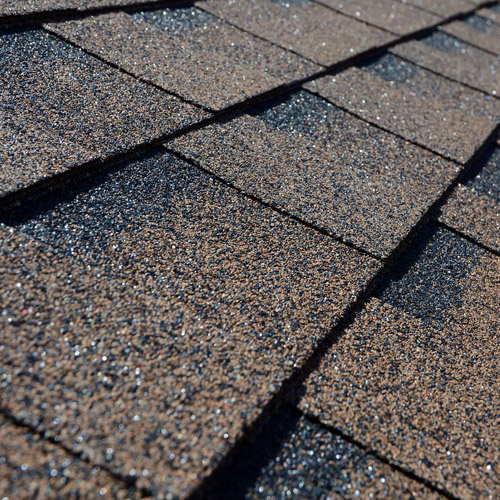
Wood shingles and shakes
A traditional choice for Queen Anne and Craftsman-style homes, wood shingles and shakes are often paired with decorative trim and wide porches.A traditional choice for Queen Anne and Craftsman-style homes, wood shingles and shakes are often paired with decorative trim and wide porches.
Slate
Found on some of Austin’s grander Victorian-era homes, slate roofing is prized for its durability, fire resistance and rich coloring. It’s on a select number of homes and less common locally than in regions where slate was easier to source.
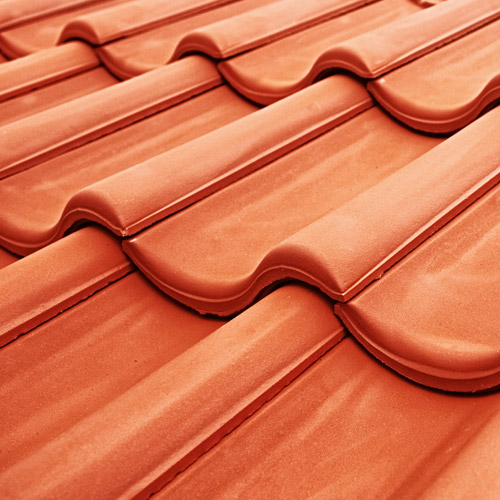
Clay Tile
Associated with Spanish Colonial Revival and Mission-influenced homes from the 1920s and ’30s, clay tile roofing gives certain Austin neighborhoods their distinct Southwestern character.
Composition asphalt shingles
Many bungalows and cottages transitioned to asphalt shingles in the early-to-mid 20th century as a more affordable, fire-resistant option, and they remain a common, appropriate choice on many historic Austin homes today.
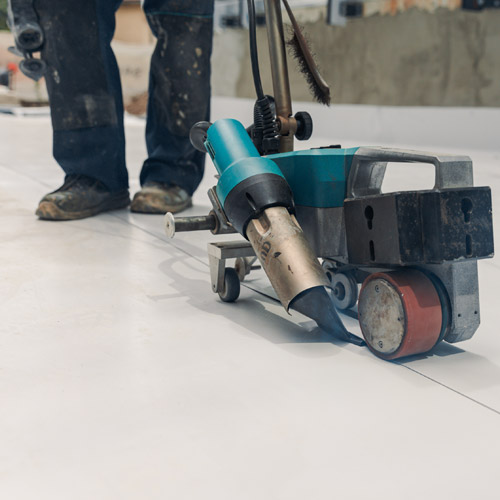
Copper and zinc detailing
Copper and zinc are less common as a full roof surface, but frequently found on flashing, gutters, dormers and decorative roof elements on higher-end historic properties.
Matching or appropriately replacing these materials means understanding not just how they perform, but how they were originally installed and how they factor into the home’s specific architectural style.
The Importance of Austin’sHistoric Preservation Rules
If your home sits within a local historic district or carries a landmark designation, roofing work isn’t just a construction decision. It’s dictated by regulations. The City of Austin’s Historic Preservation Office (HPO) and Historic Landmark Commission (HLC) oversee these properties, and changing roof materials on a contributing structure generally requires a Certificate of Appropriateness (COA) before a building permit can be released. Roof repairs and maintenance measures that use matching, like-for-like materials are typically exempt from this review, but a full material change is not.
LOA Roofing & Construction can help you navigate the regulatory process and understand:
- Whether your home falls within a local historic district, a National Register district or carries an individual landmark designation.
- What roofing materials and details are likely to be considered appropriate for your home’s district and style.
- How to document and present a roofing project for HPO or HLC review when a Certificate of Appropriateness is required.
- How to balance historic accuracy with practical, modern performance, including weather resistance and energy efficiency, within the review process parameters.
Ensuring compliance is absolutely essential. We can’t approve a COA application for you, but we can make sure your roofing plan is built to hold up to that review and protect your timeline.
LOA Respects the HistoricalSignificance of Austin Homes
Historic roofing is a discipline that requires patience, the right material knowledge and respect for the historical authenticity of the home. At LOA Roofing & Construction we are preservation specialists that take pride in our work.
Austin homeowners in historic neighborhoods reach out to us for our:
- Experience working with traditional materials like standing seam metal, wood shake, slate and clay tile.
- Careful assessment of original framing and decking before the repair, replacement or restoration process begins.
- Safe handling and disposal practices for older or original materials that may pose a health risk.
- Craftsmanship that preserves or faithfully replicates character-defining rooflines, trim and detailing of the original roof.
- Guidance through Austin’s historic preservation regulations and permitting process, so that the project moves forward without unnecessary delays or added expenses.
- The same full range of roofing services we offer on every property: inspections, repairs, full replacement, storm restoration and energy-efficiency upgrades that are thoughtfully adapted to a historic home’s needs.
- Ability to blend historic aesthetics with current building codes for improved structural integrity and performance.
Testimonials That Prove Complete Customer Satisfaction is Guaranteed
When it comes to roof repair and replacement for your home or business, you don’t want to hire just any contractor. At our roofing company, we’ve repaired and installed roofs all over the area—including Terry Black’s BBQ and other notable businesses across town.
See What Our Austin Roofing Clients Have to Say