Common Issues: Leaks in Roof Valleys
Work With the Best Roofing Contractors in Central Texas

5-Star Roofing Contractor
Quality is at the heart of our Austin roofing company in every project we take on. Contact our experienced Central Texas roofers for a same-day, pressure-free inspection. Call 512-375-3654 to book your free inspection.
If you need a new roof installed, LOA is the roofing company to call! Our roofing experts are known for providing quality workmanship at a fair price. If you own a house or business in Central Texas you can’t afford to work with another roofer.
Find out how much roof replacement will cost in Austin, Texas and the surrounding areas.
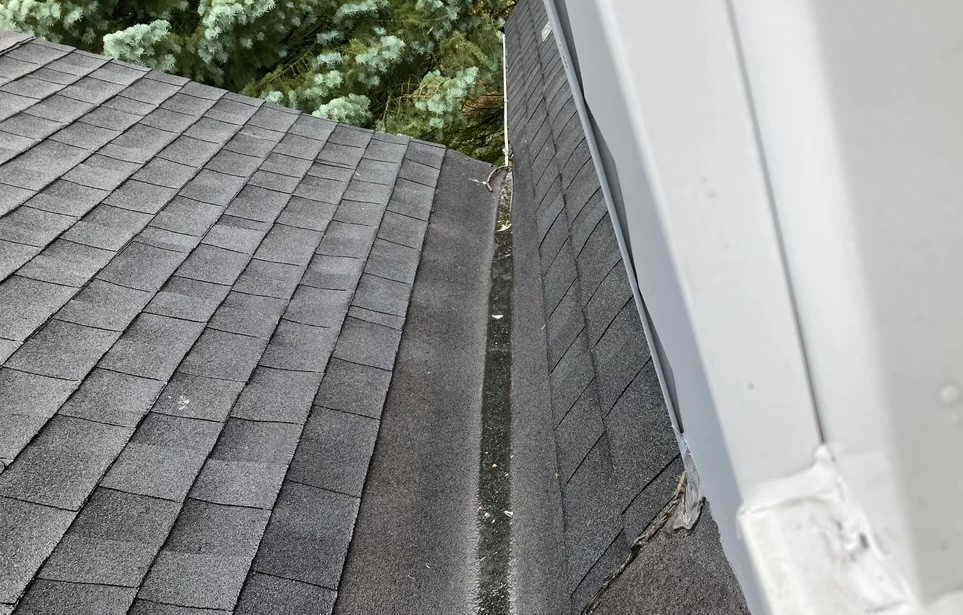
Leaks in Roof Valleys
When it comes to maintaining a durable and weather-resistant roof, understanding the most vulnerable points is crucial. Among the common roof issues faced by homeowners and property managers, roof leaks consistently rank near the top, especially those that originate from roof valleys. These critical junctions, where two roof slopes meet, play a major role in channeling rainwater and melting snow off the roof. But when things go wrong, they become hotspots for leaks and water damage.
Roof valley leaks can result in extensive problems ranging from damaged shingles and interior water stains to severe roof damage and costly repairs, necessitating timely roof repair. Left unchecked, these issues can shorten the roof’s lifespan, cause structural deterioration, and lead to mold and mildew inside the home. Whether you’re dealing with a leaking roof after a storm or noticing minor water infiltration near ceiling corners, early detection and expert care are key.
With expert guidance from a trusted professional roofing company like LOA Construction, you can protect your home with high-quality materials, proper installation, and consistent maintenance. Don’t wait for a small leak to become a major problem.
Schedule a Free Roof Inspection With the Expert Roofing Contractors at LOA
Understanding Roof Valleys and Their Function
A roof valley, including a closed valley, is the internal angle where two roof slopes meet, forming a channel that directs water and debris off the roof and into the gutters. These valleys are essential for proper water flow, especially during heavy rain or melting snow. Because they manage such high volumes of runoff, roof valleys are among the most vulnerable areas on roofs, making them common sources of roof leaks.
If a roof valley is not built or maintained correctly, it can quickly lead to serious roof problems, from moisture penetration to widespread structural damage.
Types of Roof Valleys
There are two primary designs used in modern roofing systems:
-
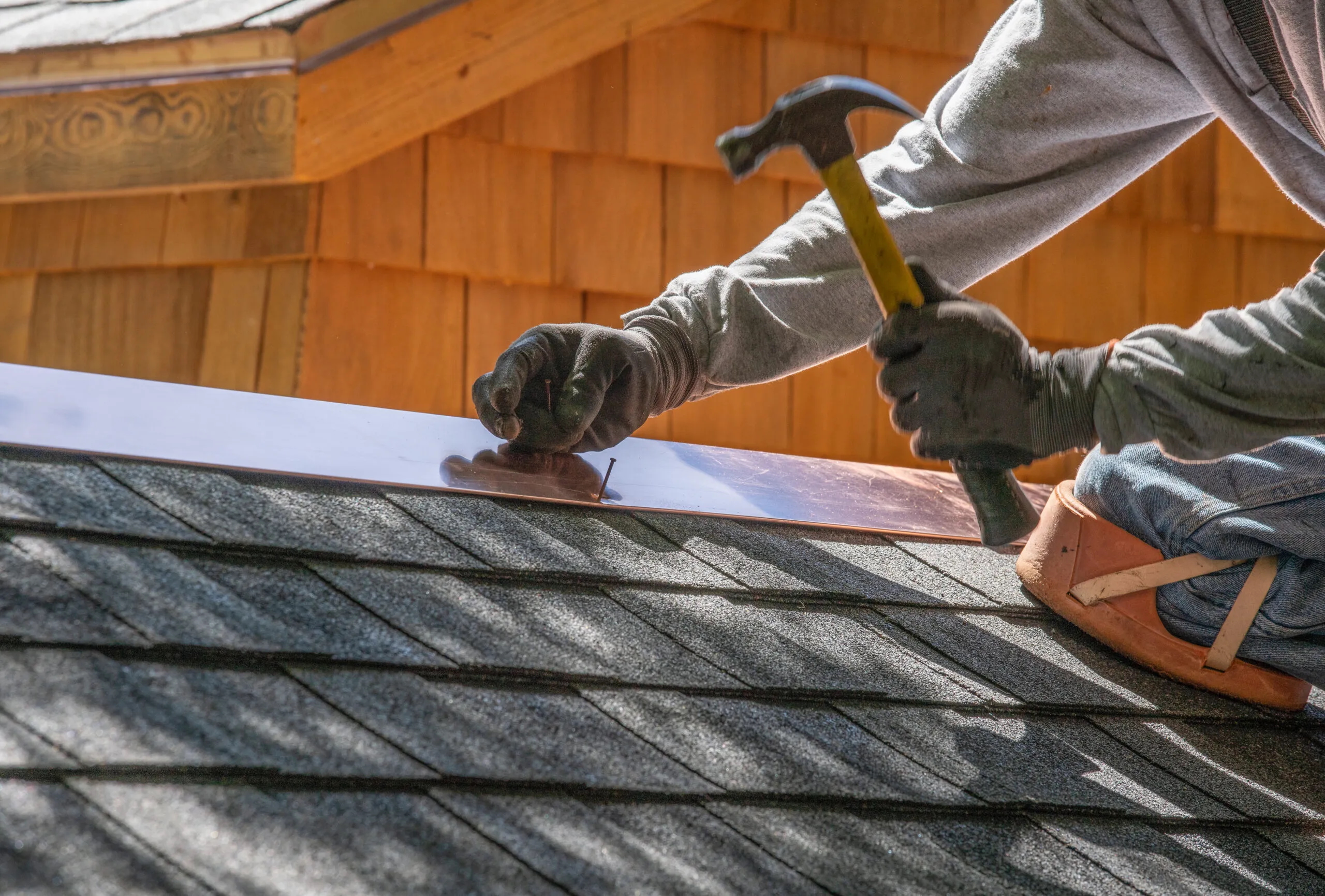
Open Roof Valley: An open roof valley features a visible strip of metal flashing that runs down the valley. The roofing material (usually asphalt shingles) is trimmed back along both sides, allowing water to flow directly over the flashing. This type of valley is easier to inspect and maintain and typically lasts longer due to better drainage and visibility.
-
Closed Roof Valley: Shingles or other materials cover the valley flashing in a closed roof valley, making the area appear seamless. While aesthetically appealing, this method can trap debris, especially if gutters are neglected or routine maintenance is overlooked, potentially leading to flashing problems. Water can then back up and seep under the shingles, leading to leaks. Many closed valley designs rely heavily on precise installation of roof to prevent early failure.
Materials Used in Roof Valleys
Common roofing materials used in valleys include, as recommended by a professional roofer :
- Asphalt shingles (popular and cost-effective)
- Metal flashing (durable and water-resistant)
- Flat bar steel for added strength in open systems
When improperly installed or aged beyond their service life, these materials become susceptible to roof leaks and damaged flashing. Even seemingly minor issues like exposed or rusted roofing nails can allow moisture to seep beneath the surface.
Why Roof Valleys Are Prone to Leaks
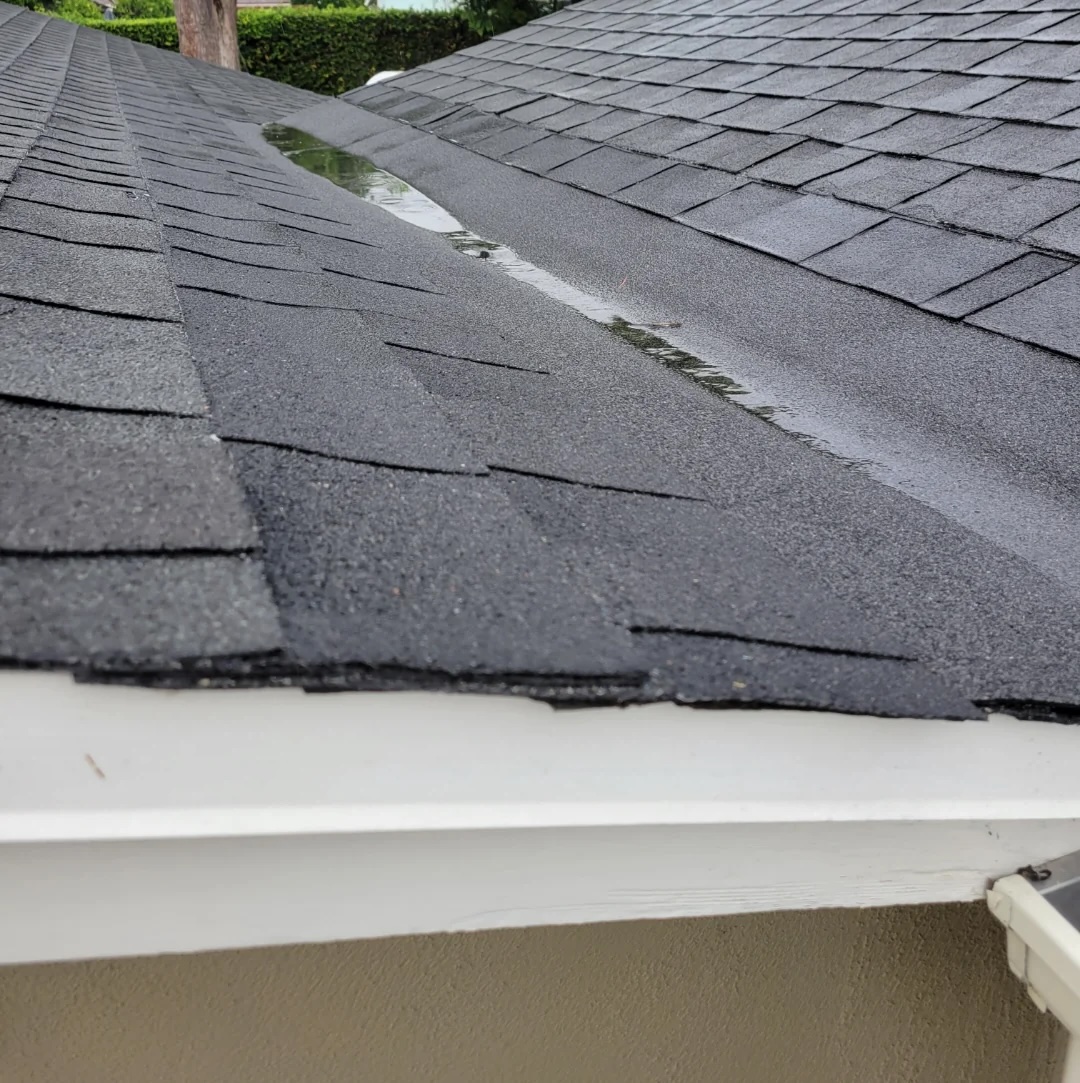
Because two roof slopes intersect at the valley, all water and debris naturally collect and funnel through this narrow channel. That volume of water increases the wear on materials and exposes any flaws. If the roof valley has been installed incorrectly, lacks proper sealant, or is blocked by debris, including improperly placed nail heads the risk of a leaking roof rises sharply.
Ultimately, understanding the structure, types, and materials used in roof junctions is critical to identifying potential roof issues and preventing leaks before they start.
How to Detect Roof Valley Leaks
Visible Signs on the Interior
One of the most common indicators of a roof junction leak is the appearance of water stains on ceilings or inside walls. These stains often start near the joints or corners of rooms, particularly below where two roof slopes meet. If you notice discoloration, bubbling paint, or musty odors, it’s a clear sign that moisture is making its way inside, possibly from a damaged roof valley.
Exterior Clues During a Roof Inspection
Regular roof inspections and investigations, whether performed by a homeowner or a professional roofer, are essential for catching early signs of trouble. During an inspection, pay close attention to:
- Damaged shingles or curling at the valley line
- Discoloration or rust on metal flashing
- Accumulated debris or blocked gutters obstructing flow of water
- Cracks in roof sealant
- Granule loss from asphalt shingles collecting in gutters or the valley
A comprehensive inspection by a roofing contractor may also reveal hidden vulnerabilities such as soft decking or shifting materials that are not easily seen from the ground.
Use of Technology for Accurate Detection
Modern tools, like drones and thermal imaging cameras, offer a non-invasive way to inspect your roof professionally. These methods help identify areas of trapped moisture, pooling water, or uneven heat distribution, signs of a leaking roof that may otherwise be missed.
Drone-assisted inspections, a service offered by companies like LOA Construction, ensure that your roof is clear and maintained without stepping on potentially damaged areas.
Routine Roof Maintenance Matters
Prevention is key when it comes to roof problems. Establishing a schedule for regular roof maintenance and inspections allows you to monitor changes in your roof’s condition over time. This proactive approach helps catch minor issues, such as small gaps in flashing or loosened shingles, before they develop into full-blown roof leaks.
Homeowners should also keep valleys free of debris, particularly in the fall and after storms. Even something as simple as debris buildup can disrupt drainage and trap moisture in the valley, increasing the risk of long-term roof damage.
Best Practices from a Professional Roofing Company
Hiring an expert roofing company like LOA Construction ensures that your roof valley issues are handled with expertise. Their teams use drone-assisted roof investigations, high-quality roofing materials, and proper flashing techniques, whether it’s open roof intersections or a closed valley system. With every project, they focus on long-term protection through precise roof installation, routine maintenance, and thorough repairs.
Their work helps extend your roof’s lifespan, prevent future problems, and protect your home from water damage. Trusting professionals means your roof is professionally maintained and ready to withstand any weather.
Take Action Today!
Ready to safeguard your home with expert roofing solutions? Contact LOA Construction today for a same-day, pressure-free inspection. Our experienced Central Texas roofers are committed to quality in every project. Call us at 512-375-3654 to schedule your free inspection and take the first step toward a durable, reliable roof.
Call LOA Construction at 855-661-3431 to schedule your free inspection today!