Roof Ventilation Imbalance: What It is, Why It Happens & How to Fix It

Roof Ventilation Imbalance: What It is, Why It Happens & How to Fix It
A roof ventilation imbalance doesn’t just make your attic stuffy. Few people realize the connection between proper attic ventilation and proper ventilation for the roof. If the ventilation system isn’t balanced it can quietly damage your roof, spike your energy bills and create moisture problems inside the home.
Poor roof ventilation and attic ventilation happens when intake and exhaust vents aren’t working together. Air gets trapped instead of moving through the attic the way it should. But that’s just the high level view of the problem. It’s important to understand more of the basics so that a poorly ventilated attic and roof doesn’t end up causing major issues.
What is a Roof Ventilation Imbalance?
The first step to understanding what’s behind poor ventilation that isn’t balanced is knowing the core components of the system. A balanced ventilation system has:
- Intake Vents – usually soffit or low‑slope vents that bring in cooler outside air.
- Exhaust Vents – ridge vents, roof vents, gable vents that let hot, moist air escape at the top.
A ventilation imbalance means that airflow is off. Common issues are:
- Too much exhaust and not enough intake.
- Too much intake and not enough exhaust.
- Vents placed/combined in ways that make air short‑circuit between vents instead of flushing the whole attic.
Functionally, the root problem is airflow pattern, not just more vents being needed.
An experienced Austin roofing company can evaluate your attic ventilation to identify airflow imbalances caused by improper intake, exhaust, or vent placement. A trusted Austin roofing company can recommend ventilation solutions that improve airflow patterns and help protect your roof from heat and moisture-related damage.
What Happens When Ventilation is Out of Balance?
As you can imagine, when the airflow is off it can lead to a lot of issues in the attic and on the roof. The biggest problems connected to imbalanced ventilation are:
Overheated Attic and Premature Roof Aging
Without proper airflow, summer attic temps can soar far above outdoor air and cause:
- Shingle roofing and underlayment to bake from below, aging faster and potentially voiding warranties.
- Roof decking can warp or soften over time.
- Upstairs rooms stay hot and the AC runs constantly to compensate.
Moisture Buildup, Condensation and Mold
Warm, moist indoor air naturally rises. If it’s pulled into the attic and can’t escape. When that happens:
- It condenses on cool roof decking and rafters, especially in cold weather.
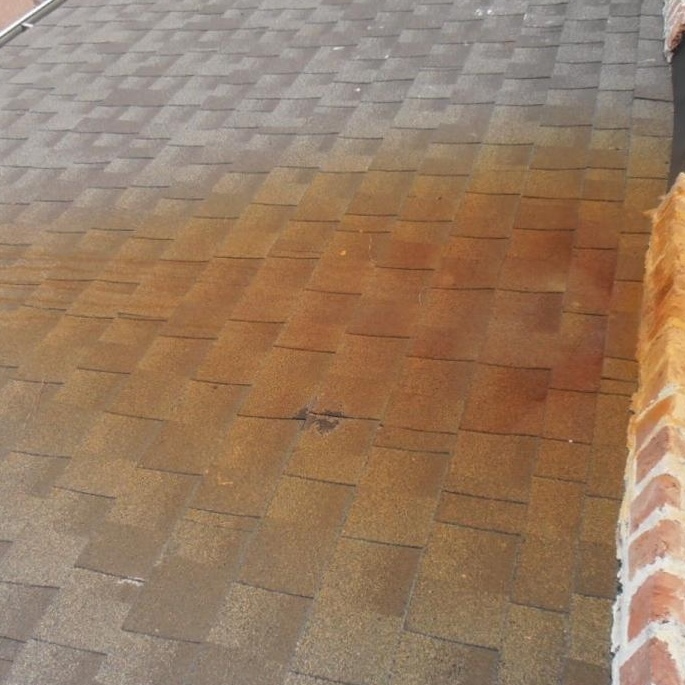
- You see frost, water droplets, rusted nail tips, damp insulation and dark stains on wood.
- Persistent moisture leads to mold growth and musty odors in the attic and upper rooms.
- Roof decking and framing will rot.
- Insulation degrades so it slumps and loses R‑value.
- Indoor air‑quality suffers.
Rust, Corrosion and Structural Damage
Trapped moisture can also cause problems with metal components. The problems include:
- Rusted roofing nails, hangers and metal connectors.
- Corrosion on metal roofing or fasteners from the underside.
- Long‑term structural weakening of roof components.
Comfort and Health Problems Inside the Home
An imbalanced system often shows up in daily life as:
- Uneven temperatures between floors.
- Stuffy, humid upper rooms.
- Higher energy bills year‑round.
- Musty odors or visible mold on upper‑floor ceilings and walls.
How Homeowners Can Prevent Ventilation Imbalance
- Ask about ventilation balance anytime a new roof or attic fan is proposed. More vents aren’t always better if they’re the wrong ones.
- Visually inspect soffits for perforations and keep them clear of paint and debris.
- Check the attic yearly for heat, moisture and signs of mold, or schedule periodic professional inspections.
- Insist that insulation installers protect soffit vents with baffles so intake stays open when insulation is added.
Roof ventilation isn’t just about having the right number of vents. It’s all about balanced airflow from having the right type of vents and maintaining the ventilation system. When intake and exhaust don’t work together, your attic becomes a heat trap and moisture reservoir that quietly destroys shingle roofing, decking, insulation and indoor air quality. The fix isn’t always more vents. It’s the right vents, in the right places, working as a system.
If you’re concerned that your attic ventilation or roof ventilation system is off at a property in the Austin area, give LOA a call. We provide free roof inspections that can determine if there’s proper airflow.
Call 512-375-3654 today to schedule your free inspection and protect your roof before the damage spreads
Call LOA Construction at 855-661-3431 to schedule your free inspection today!