Common Roofing Issues: Over-Application of Roof Coating
Work With the Best Roofing Contractors in Central Texas

Quality is at the heart of our Austin roofing company in every project we take on. Contact our experienced Central Texas roofers for a same-day, pressure-free inspection. Call 512-375-3654 to book your free inspection.
If you need a new roof installed, LOA is the roofing company to call! Our roofing experts are known for providing quality workmanship at a fair price. If you own a house or business in Central Texas you can't afford to work with another roofer.
Find out how much roof replacement will cost in Austin, Texas and the surrounding areas.
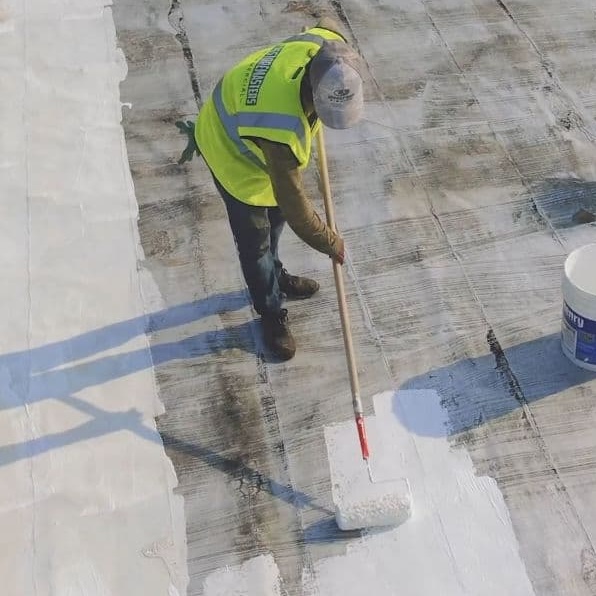
When https://www.loaconstruction.com/roof-services/roof-coatings/roof coating is applied too thick, it can actually undermine the durability and effectiveness of the protection it's supposed to give your roof. That might seem counter intuitive, but when you consider that mechanisms involved it makes sense.
Every roof coating from acrylic roof coatings to silicone coatings to elastomeric roof coatings is formulated to deliver flexibility, waterproofing and UV protection at a specific dry film thickness (DFT). Applying more than recommended doesn’t add strength. Instead, it increases the risk of failure and maintenance costs. Field studies and forensic inspections repeatedly show thick coatings degrade much faster than properly applied ones, especially in ponding areas, valleys and sections that are exposed to UV rays.
Less isn’t more, but more isn’t better either. With roof coatings, precision wins every time.
Think your roof coating is too thick?
Contact LOA to Schedule a Free Roof Inspection to Gauge the Thickness of Your Roof Coating!

Repairing Coating Systems That Were Applied Too Thick
Identify Problem Areas With a Thorough Roof Inspection
Roof restoration starts with an inspection from a qualified roofer. Inspect the roof coating for blisters, cracks, peeling or ponding water. Another red flag is soft or tacky spots that indicate improper curing due to thickness. Pay careful attention to the valleys, skylights and around rooftop equipment.
When restoring metal roofs you also need to look for signs of rust and corrosion.
Remove Damaged Coating
Carefully scrape off loose or blistered coating to reveal a clean, stable roof substrate beneath. After that, feather out the edges of the removed areas to create a smooth transition for repairs.
Surface Preparation
Clean the exposed surface to remove dirt, debris and contaminants to ensure good adhesion for repair coatings. Allowing water to fully evaporate so the roof is completely dry is essential, especially if moisture was trapped under the thick coating.
Repair and Re-Coat
Choose a roof coating that is suitable for your roofing material. If other specific needs are important, factor that into the selection as well, especially if it impacts business operations at a commercial building.
For example, if being low in volatile organic compounds is a priority, an elastomeric coating is ideal. And if you want a highly reflective coating, opt for a white silicone-modified coating. There are many benefits provided by other coatings to lower energy bills and increase tensile strength while still being cost-effective options that save money.
The local climate is going to play a role in the re-coating process. Before you start, check to make sure there are no extreme temperatures or rain in the forecast.
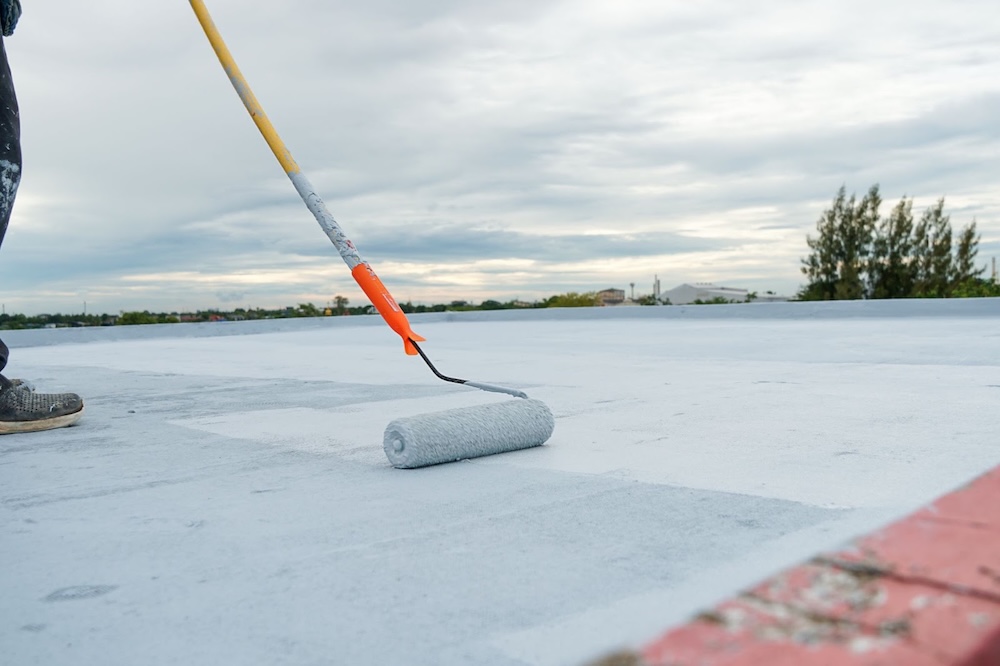
Apply repair products designed for roof coatings in thin, even layers according to manufacturer guidelines to avoid repeating thickness problems. For example, water-based coatings like acrylic coatings need to be thin enough for water to evaporate fully.
To enhance performance and keep the product warranty intact, the coating should be the minimum thickness recommended by the manufacturer without exceeding the maximum thickness.
When re-coating the roof, use reinforcing fabrics or mats if recommended to strengthen repaired roof areas and prevent future problems. Finish by blending new coating into the surrounding intact areas for a seamless finish.
Final Inspection and Maintenance
Do an adhesion test to check the repair areas after curing for proper adhesion and thickness. The coating shouldn't be wet in any spots.
Your roof coating will be repaired, but it can't be ignored. Make sure to establish a regular inspection and roof maintenance routine to catch early signs of coating failure in the future.
LOA has a talented team of roofers that know how to identify and repair roof coating issues. If you're dealing with similar problems in the Austin area call us at 512-375-3654 or schedule a free roof inspection online.