Common Roofing Issues: Moisture Trapped Under Roof Coating
Work With the Best Roofing Contractors in Central Texas

Quality is at the heart of our Austin roofing company in every project we take on. Contact our experienced Central Texas roofers for a same-day, pressure-free inspection. Call 512-375-3654 to book your free inspection.
If you need a new roof installed, LOA is the roofing company to call! Our roofing experts are known for providing quality workmanship at a fair price. If you own a house or business in Central Texas you can't afford to work with another roofer.
Find out how much roof replacement will cost in Austin, Texas and the surrounding areas.
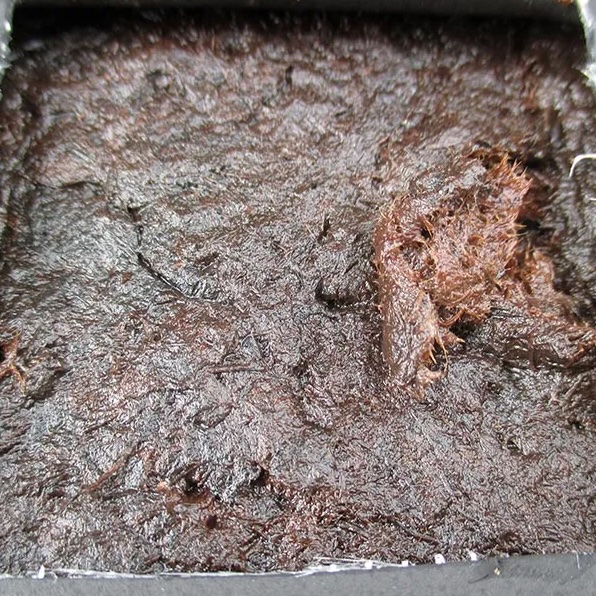
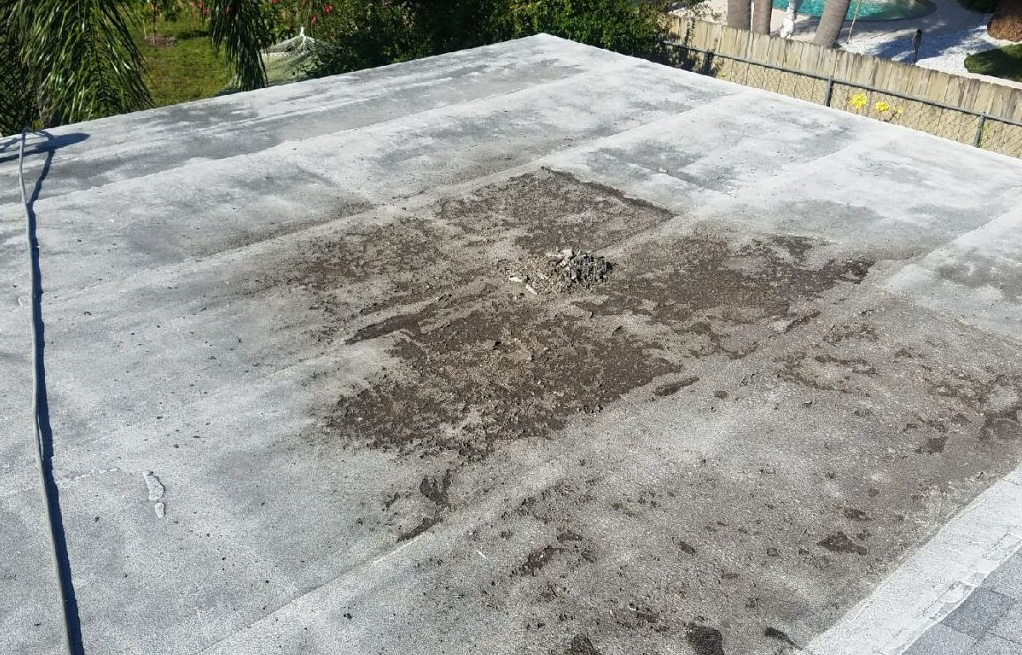
It may be hard to believe that the thin layer of roof coating can have a huge impact on a building envelope, but it most certainly does. If the coating isn't applied correctly and moisture is trapped beneath the surface it can affect the entire roof assembly.
The excess moisture trapped beneath the coating isn't just a surface layer problem. The moisture can seep down further causing damage to the roof deck and roof sheathing. From there, if the problem continues structural damage occurs, the energy efficiency is reduced and the roof's lifespan can be shortened.
Don't let that happen to your roof. Find out what's causing moisture to become trapped and what you can do about it.
Is trapped moisture compromising your roof coating?
Contact LOA to Check the Coating During a Free Roof Inspection!

Repairing Roof Coating Moisture Damage
Here's the hard truth: ignoring trapped moisture is never the solution, even with materials like metal roofing. The moisture will vaporize and migrate, causing blisters, peeling and continued rot to the underlying substrate.
Building owners that are dealing with trapped moisture will be relieved to know that the problem can be addressed properly with proactive, professional roof repairs, and a properly applied coating can extend roof life as expected.
Here's what a professional roofing contractor can do to repair the damage, help you avoid costly repairs and ensure structural integrity.
Inspection and Diagnosis
In addition to doing a visual roof inspection, there are advanced techniques that can be used to detect where moisture is trapped under the roof coating. The roofing company can use infrared moisture scans, capacitance meters and moisture probes to pinpoint contaminated areas beneath the coating.
Infrared imaging is quick and non-invasive, revealing temperature differences on the roof surface that often signal the presence of moisture hidden beneath the coating. Moist, heat-retaining spots show up as anomalies in the scans, helping pinpoint areas for further testing. For deeper confirmation, electrical capacitance or impedance meters are used to measure moisture content across the roof and plot moisture maps. These devices roll across the roof membrane and provide immediate detection of damp sections.
In challenging cases, destructive testing methods like core sampling and moisture probes are sometimes necessary. Technicians take small samples from suspicious areas, then analyze these cores for hidden moisture at various layers.
Remove and Replace Wet Materials
You'll first need to remove the affected areas prior to re-coating. Carefully cut out sections of roof with saturated substrate. Remove all wet and damaged materials down to the dry and structurally sound layer, then allow the area to dry completely.
Restore and Re-Coat
Once damp portions are removed and the substrate is dry, apply primer that's designed for the roof material before re-coating to maximize adhesion and future waterproofing. Next, re-coat the repaired sections and overlap the new coating over adjacent, intact areas for a fully sealed, continuous membrane.
Prevent Future Moisture Problems With Roof Maintenance
Preventing future moisture problems requires maintenance moving forward. Clogged gutters, poor drainage and ponding water issues could allow moisture to return. It's important to schedule routine inspections and take maintenance measures after the repairs to catch leaks and standing water early.
Detecting moisture, addressing these root causes and performing roof maintenance is essential, not only to prevent further failures but to ensure the roof lasts as long as expected. Regular inspections, alongside thoughtful repairs and rigorous surface prep, make all the difference.
The LOA team will always follow manufacturer recommendations for coating application, do the proper surface preparation and take environmental conditions into account. We give property owners assurance that there won't be moisture problems with the roof coating. If you're in the Austin metro give us a call at 512-375-3654 to schedule a roof inspection or set up any roof service online.