How Much Austin’s Climate Shortens Roof Lifespan

How Much Austin’s Climate Shortens Roof Lifespan (And How to Extend It)
How long does a roof last in Austin? Well now, that depends on the roofing materials and how well those materials can handle what the local climate throws at it. And trust us, it throws a lot at roofs. So much, that the Austin climate shortens a roof’s lifespan by as much as 15 years. That’s about half the average lifespan of an asphalt shingle roof.
It’s an important factor for Austin property owners to consider that gets overlooked a lot. Life expectancy is directly tied to lifetime cost since it establishes an approximate time for roof replacement. Because of Austin’s climate, many roofs don’t make it to the maximum age that’s quoted as the average.
Composite shingles are the perfect example. Asphalt roofs are the most common type of roofing system in Austin. Whether you have standard asphalt shingles or architectural shingles, these roofs age faster in Austin compared to other areas where the weather is more mild.
Most asphalt shingles carry a 25 – 30 year rating. In Austin, a roof that’s never been hit by a major storm or hail can still need replacing within 15-20 years.
In this breakdown we’ll show you exactly where those years go, and what stops the premature aging from happening so fast.
25 – 30 yrs
Manufacturer-rated lifespan, architectural asphalt shingle
15 – 20 yrs
Typical real-world lifespan on an Austin roof
6 Factors
Climate stressors doing the damage, broken down below
If you’re a homeowner who just moved into a brand-new community LOA provides assurance and consistency. For a developer building dozens of homes on a deadline, LOA brings efficiency, clear communication and reliability that keeps the build moving forward.
We proudly serve the greater Austin area and all of Central Texas. Contact us today for your FREE roof inspection and estimate!
Schedule a Free Consultationto Learn About New Roof Services From LOA
A Word About Roofing Warranties
Roofing warranties are written taking lab conditions and mild-climate averages into consideration not against a city that runs nearly 30 days a year above 100°F, gets pelted by hail more than almost anywhere else in the country and sits at “very high” UV index most of the summer. If you maintain the roof the best you can there’s a good chance the materials warranty will help with the replacement cost.
Accepted Payments
We accept major credit cards

Services We Provide
- Residential Roofing
- Commercial Roofing
- Roof Coatings
- Roof Service & Maintenance
- Roof Repair
- Roof Replacement
- Hail Damage Repair
Specialized Categories
Proudly Serving
City of Austin, Travis County, Williamson County, Bastrop County, Hays County, Caldwell County
Nearby Places
St. David’s South Austin Medical Center, Bender, Cosmic Pickle, Summer Moon Coffee
Our Reviews and Accreditations
Adding All the Climate Factors Together For a More Accurate Life Expectancy
These six factors overlap rather than stack neatly. UV-brittled shingles fail under hail that newer shingles would shrug off, and heat-loosened tabs are what wind actually lifts. But their combined effect is well documented. It’s the reason a roof rated for 25-30 years routinely needs replacing in Austin well before that window.
Figure 1
Estimated Lifespan Impact by Climate Factor
yrs
5-7
3-5
3-6
1-3
1-2
1-3
Ranges reflect typical impact on an unmaintained architectural asphalt shingle roof in the Austin area, drawn from regional climate data and roofing industry field experience. Effects overlap rather than add cleanly.
Figure 2
Rated Lifespan vs. Real-World Austin Lifespan – Asphalt Shingles
yrs
Rated 25-30 yrs
Austin real-world 15-20 yrs
Rated ~20 yrs
Austin real-world ~12-15 yrs
A 50-year shingle line typically performs at 80-85% of its rating even in mild climates; Austin’s combined UV, heat and hail load compresses that further. Standard 3-tab shingles (rated ~20 years) are often considered near the end of useful life by 12-15 years in Austin conditions. Figures are directional estimates based on regional roofing data, not a guarantee for any specific roof.
Other Roofing Material’s Durability Against Austin Weather – More Life Expectancy Expectations
Looking at different roofing materials you’ll find that Austin’s climate stresses all of them just in different ways. Here’s a look at a roof’s life expectancy for other common materials:
Metal Roofing
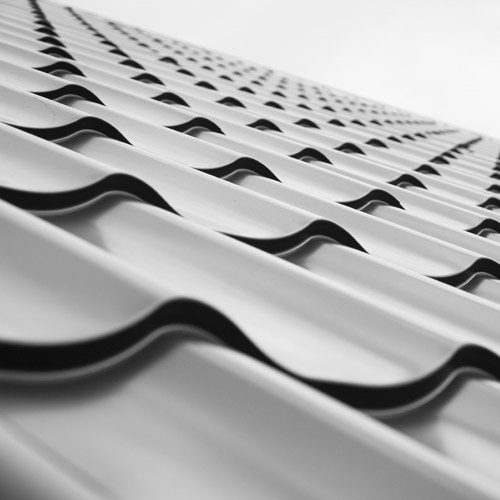
Standing seam metal roofing, metal shingles and panels are far less affected by UV and thermal cycling than asphalt and naturally reflect heat. This helps metal roofs last 40-70 years with maintenance. Austin hail can still leave cosmetic denting, and fastener and seam integrity needs periodic inspection.
Clay Tile & Slate Roofs
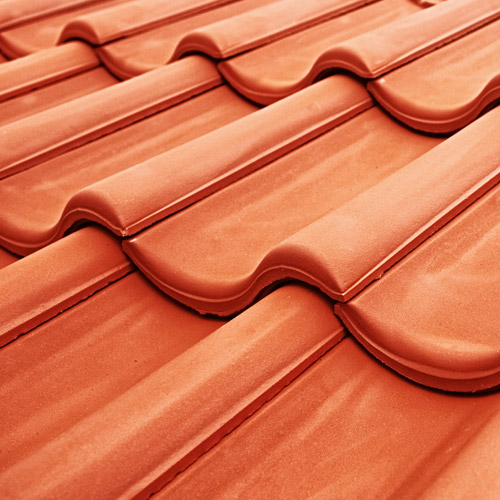
Excellent UV and heat resistance, but individual tiles can crack under a direct hail strike. Underlayment beneath the tile is usually the first thing to fail in Austin’s heat. That’s why tile roofs typically go 40+ years in Austin before needing replacement, and you might be able to reuse the tiles.
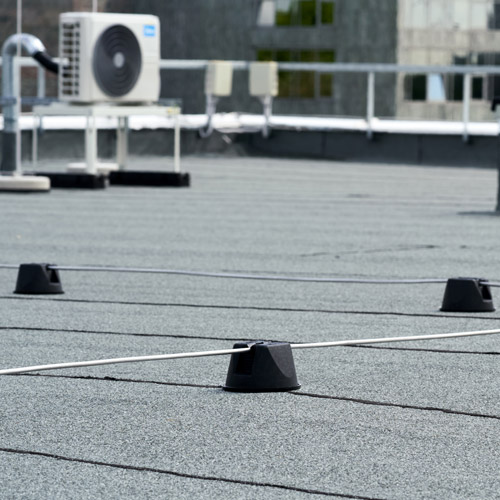
Low-Slope & Flat roofing (TPO, EPDM, Mod-Bit)
Common on Austin commercial buildings. No roof slope means no shaded relief from sun. The entire surface takes full UV load all day. Seam and flashing integrity drive most failures.
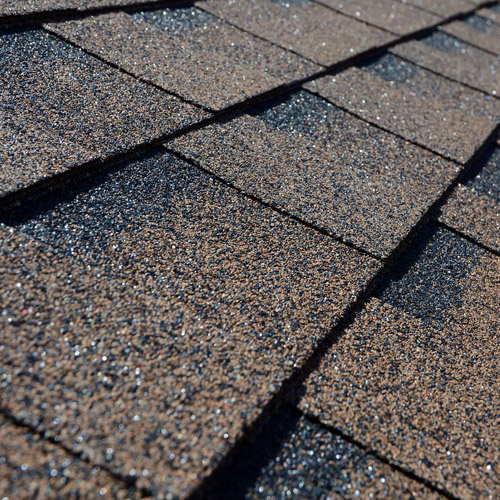
Wood Roofs
Wood shake is attractive but the least suited to Austin’s heat and dryness. Cracking and warping tends to show up earlier here than in milder, more humid climates.
Testimonials That Prove Complete Customer Satisfaction is Guaranteed
When it comes to roof repair and replacement for your home or business, you don’t want to hire just any contractor. At our roofing company, we’ve repaired and installed roofs all over the area—including Terry Black’s BBQ and other notable businesses across town.
See What Our Austin Roofing Clients Have to Say
LOA is Protecting Every Roof System in Austin Starting With a Free Professional Roof Inspection
- Free roof inspections, including drone inspections for hard-to-access roofs
- Hail and storm damage assessment, repair and insurance claim support
- UV-reflective and protective roof coatings for metal and flat/TPO/EPDM systems
- Algae, moss and mold treatment recommendations to stop moisture damage early
- Gutter services and drainage corrections to prevent water backup and pooling
- Storm and water damage restoration for roofs and the structures beneath them
- Material-specific repairs and replacements across every roofing type
- Proper maintenance guidance that’s built around Austin’s heat, UV and storm cycles – not a national average
We’ll also give you honest feedback on whether an aging roof is better off being replaced. Sometimes a roof system is just too weather-worn to extend the life any further and the replacement cost can’t be avoided.
If you do need a new roof we’ll help you account for Austin’s climate conditions right from the start so that you can extend the roof age as long as possible.
*Lifespan figures throughout this article are estimates based on regional climate data, manufacturer rating standards and roofing industry field experience in Central Texas. Actual roof lifespan depends on material quality, materials that are properly installed, slope orientation, maintenance history and individual storm exposure. A roof inspection is the only reliable way to assess the condition and remaining life of a specific roof.