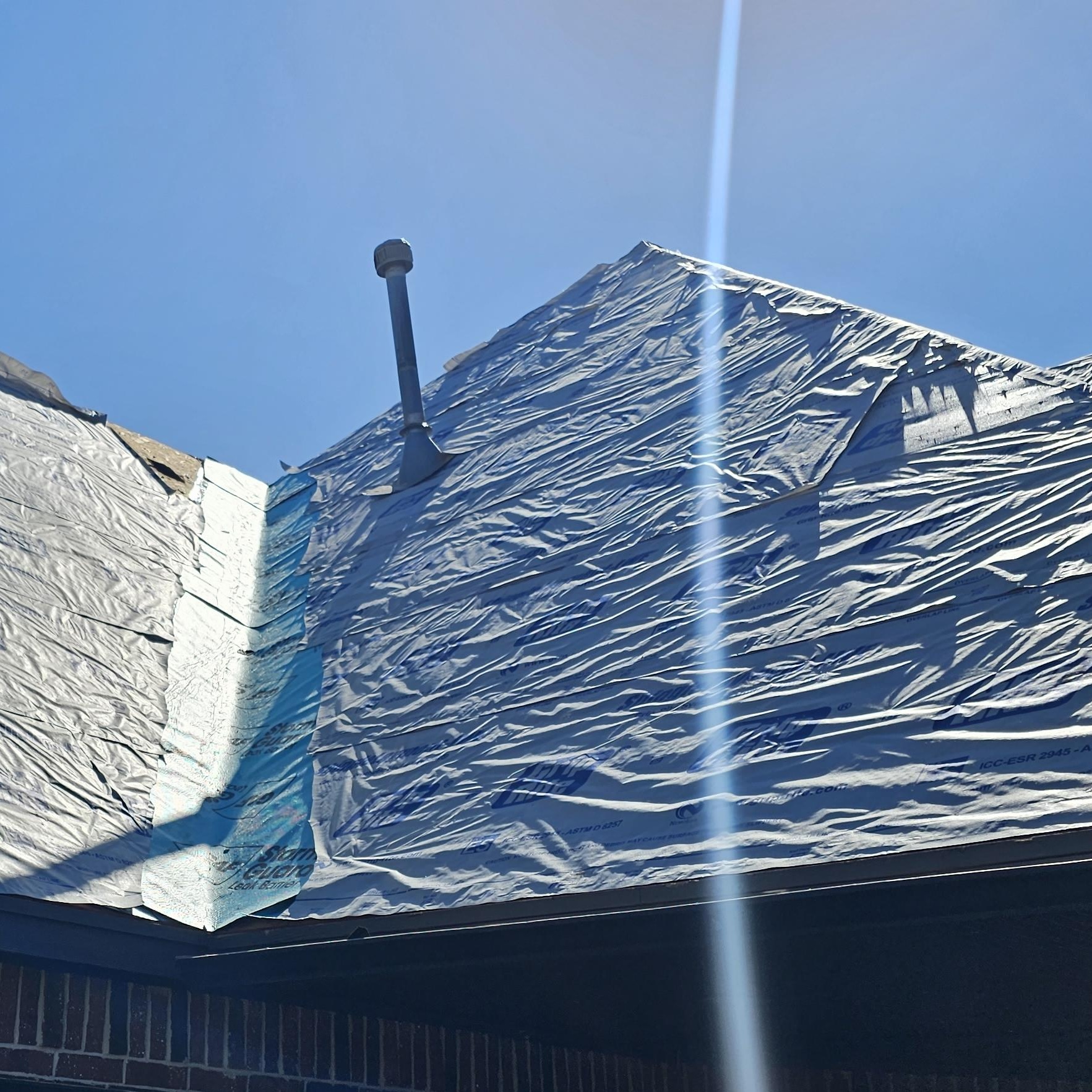
Common Roofing Issues: Underlayment Deterioration
Home Austin Underlayment Deterioration
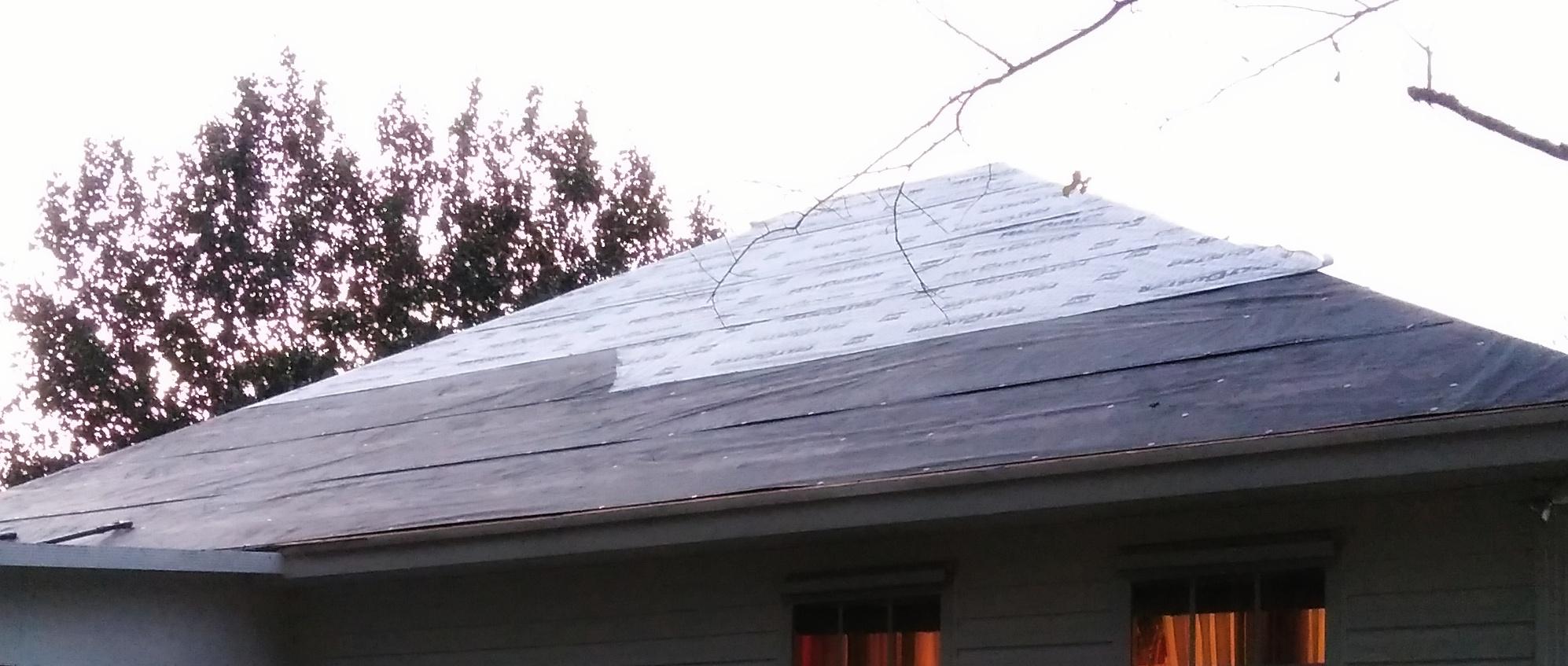

In Austin, TX Climate Conditions Can Quickly Deteriorate Roof Underlayment
Roof leaks and mystery stains often start long before shingles or metal roofing looks worn out. In many Austin homes, the real problem is deteriorated roof underlayment. This layer hidden beneath shingles, panels and tiles can cause issues above and below if it starts to deteriorate.
LOA Construction specializes in diagnosing and repairing underlayment issues for Central Texas homes and commercial roofing systems. We can tell you that underlayment deterioration is more common than most people expect, and it’s not a problem that you want to go unnoticed.
Is your roof underlayment deteriorating?
Schedule a FREE Roof Inspection to Know the True Condition of Your Underlayment
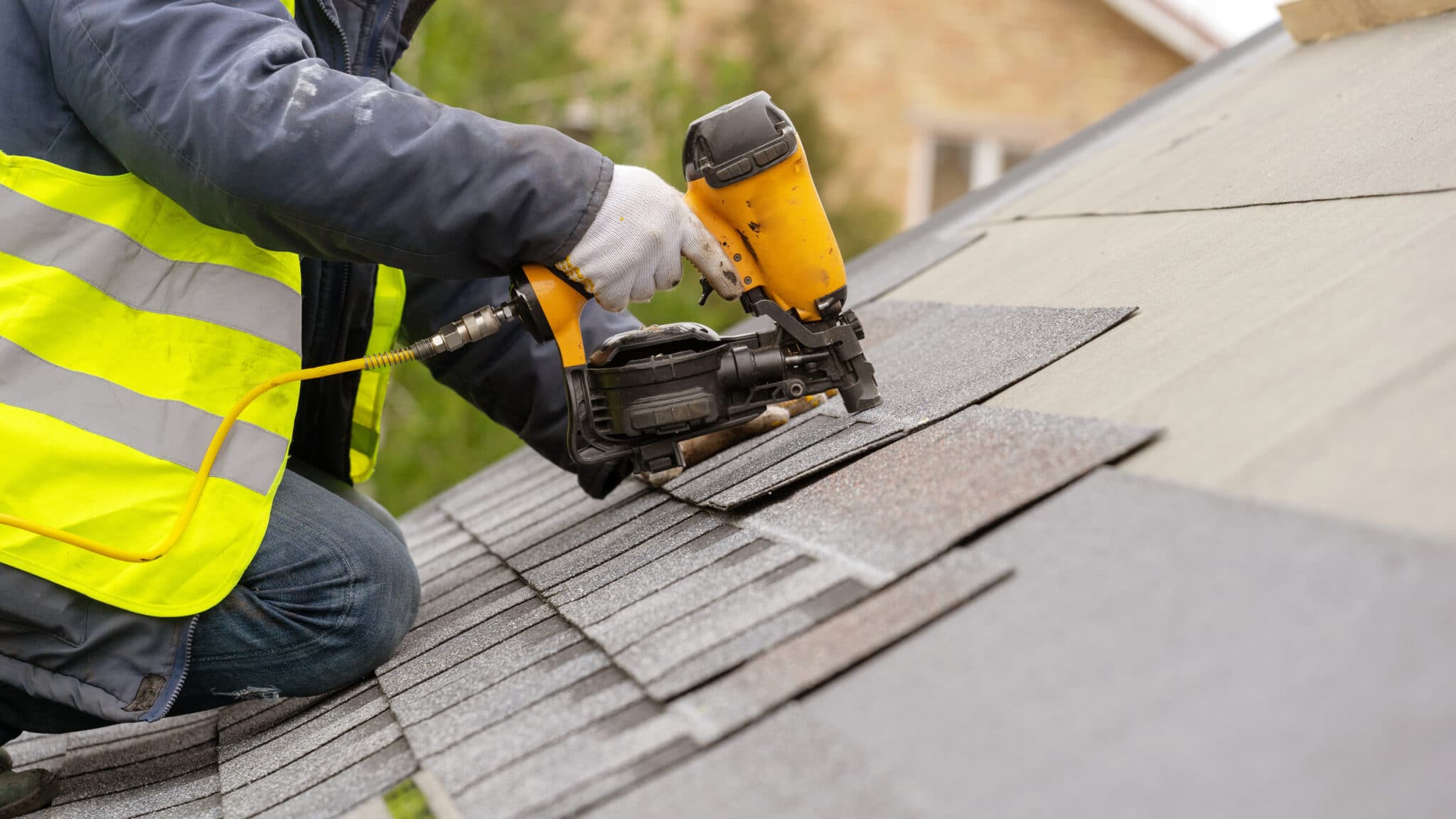
What is Roof Underlayment?
Underlayment is the water‑resistant or waterproof sheet that’s installed directly over the roof decking and under the roof surface. There’s underlayment beneath:
- Asphalt shingles
- Metal roofing
- Tile or composite systems
No matter what roofing material you have, the underlayment is there to:
- Provide a secondary water barrier if wind‑driven rain or hail gets past the roof covering
- Protect the deck while shingles or metal expand and contract
- Offer backup protection at valleys, eaves and penetration points
When underlayment deteriorates, your roof loses that safety net. Once a leak forms in the top layer there isn’t anything to stop the water from leaking past the underlayment where it will create rot, mold and mildew.
Causes of Roof Underlayment Deterioration
In the Austin area, we commonly see premature underlayment failure due to deterioration from:
Age and Heat
- Years of high attic temperatures
- The Texas sun cooking the roof from above
- Older felt paper drying out, becoming brittle and cracking
- Granule loss and shingle aging allowing more UV to reach the underlayment
Poor Ventilation
- Hot, trapped attic air accelerates excessive drying
- Moisture buildup from poor ventilation causes mold and rot in the deck and underlayment
- Condensation on the underside of the roof creates long‑term dampness
Storm and Hail Damage
- Hail impacts that bruise shingles and transfer the force into the underlayment
- Wind‑driven rain lifting shingles and exposing underlayment directly to the weather
- Repeated minor storm damage that slowly breaks down older felt
strong>Installation Issues
- Underlayment installed over damp or dirty decking
- Minimal overlaps or reverse laps that allow water intrusion
- Wrong fasteners, over‑driven nails or staples tearing the underlayment
- Low‑quality products not designed for Central Texas heat
An experienced Austin roofing company can inspect your roof underlayment for damage caused by age, excessive heat, poor ventilation, storm exposure, and installation problems. A trusted Austin roofing company can identify underlayment deterioration early and recommend appropriate repairs to help protect your roof deck from moisture, rot, mold, and further damage.
What Happens When Roof Drip Edge Is Missing or Improper?
If your house doesn’t have a roof drip edge, or if it’s improperly installed, the results can be costly. Water can seep under your roofing material and into the roof deck, creating moisture problems that lead to mold, mildew and rot. In colder months, it can even lead to ice dams in northern parts of Texas.
Missing or poorly installed flashing may also lead to:
- Peeling paint or rot on fascia boards
- Water stains inside your home
- Damaged roof shingles around the edges
- Shortened lifespan
- Significant damage to insulation, walls and even windows
Texas-Specific Flashing Challenges
Each region of Central Texas presents its own flashing issues:
- Austin: Steep-sloped roofs and limestone exteriors demand tight rake edge seals.
- San Antonio: High heat and hail mean you need tough, durable flashing.
- Houston: Humidity and heavy rain require rust-resistant materials.
This regional variance is why working with a local roofing contractor like LOA Roofing & Construction who understands these conditions is so important.
Signs It’s Time to Repair or Replace Roof Underlayment
Evaluating your roof underlayment is a good idea if you notice:
- Your 15+ year old roof is starting to leak
- Repeated spot repairs never fully solve the problem
- Ceiling stains near eaves, valleys, chimneys or skylights
- Soft or spongy areas at the roof edge
- Evidence of past DIY patches or multiple roof layers
The only way to truly confirm underlayment condition is to inspect under the roofing.
How LOA Construction Fixes Roof Underlayment Deterioration
Step 1 – Comprehensive Roof and Attic Inspection
Our process starts with a detailed inspection that includes:
- Exterior roof inspection to look for age, storm damage, flashing issues and soft spots
- Attic inspection for stains, mold and deck condition
- Targeted lifting of shingles or panels (where needed) to inspect underlayment
Step 2 – Written Assessment and Recommendations
We then provide a written assessment with photos and a clear explanation of what’s happening under your roof. There will be professional recommendations as well as an estimate for the work.
Step 3 – Localized Underlayment Repair or Full Roof Underlayment Replacement
If underlayment deterioration is limited to specific areas (like valleys, eaves or around a chimney), we can often:
- Remove shingles or panels in the affected zone
- Replace any rotten decking
- Install new high‑performance synthetic underlayment or self‑adhered membrane
- Reinstall or replace the roofing above the repair area
This restores your secondary water barrier where it’s needed most.
If the underlayment is failing across large areas or the roof is near the end of its life, a full roof replacement with a new underlayment is usually the most cost‑effective solution:
- Remove existing roofing and old underlayment
- Repair or replace any damaged decking
- Install upgraded underlayment (synthetic material with ice and water shield in critical areas)
- Install new shingles, metal or tile to manufacturer specifications
We design systems that use underlayment and roofing materials that work together to perform well in Central Texas conditions.
Step 4. Ventilation and Upgrades to Prevent Future Underlayment Damage
To prevent future underlayment deterioration and damage, we may recommend:
- Improving attic ventilation (ridge vents, soffit vents)
- Adding a ice and water shield in valleys, eaves and around roof penetrations
- Correcting flashing details and terminations
- Using high‑temp underlayment under metal or dark shingles
These upgrades significantly extend the life of your new underlayment, help the roof perform better and decreases the risk of leaks.
What to Keep in Mind If You Have Compromised Underlayment
- Hire roofers that have local Central Texas experience with heat, hail and wind‑driven rain
- A thorough inspection is one that looks beyond the shingles
- Modern synthetic underlayments and premium self‑adhered membranes offer the best protection
- You’ll need full documentation for insurance claims when storm damage is involved
Quality roof repairs go beyond the surface to the hidden layers of the roofing system that actually keep water out.
Schedule a Roof Underlayment Evaluation
If your roof is aging, leaking in storms or you’ve had multiple patch jobs that never fully solve the problem, it’s time to look deeper. It’s time to have your roof underlayment evaluated.
The pros at LOA Construction can:
- Inspect your roof and attic
- Identify underlayment deterioration and decking damage
- Provide honest options for targeted repair or full underlayment replacement
- Install a long‑lasting roofing system that’s designed for Central Texas weather
LOA is an Austin roofing company with expertise on repairing or replacing any layer of a roofing system. If you think your underlayment may be deteriorating call us at 512-375-3654 or schedule a free inspection to know for sure.