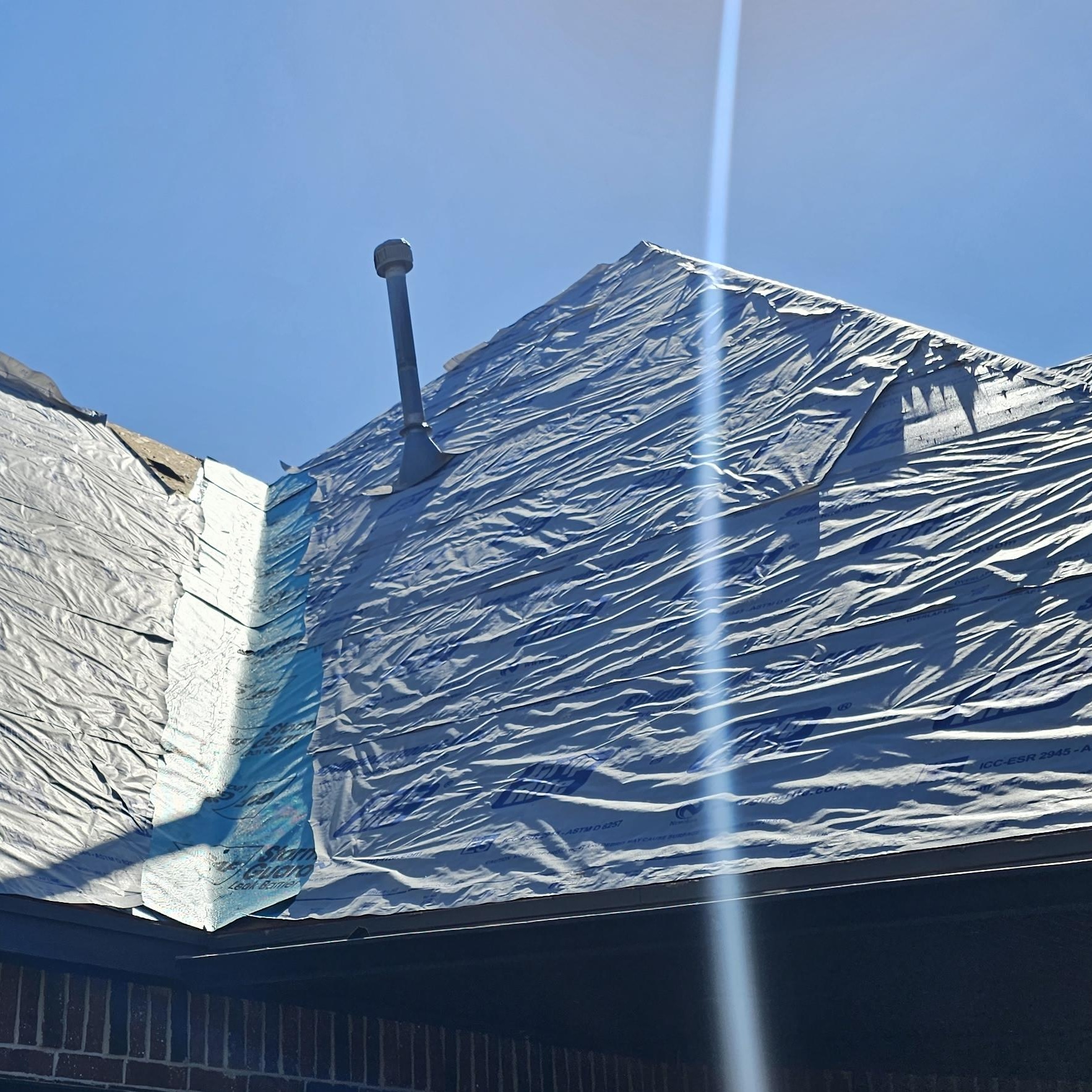
Common Roofing Issues: Underlayment Wrinkling
Work With the Best Roofing Contractors in Central Texas
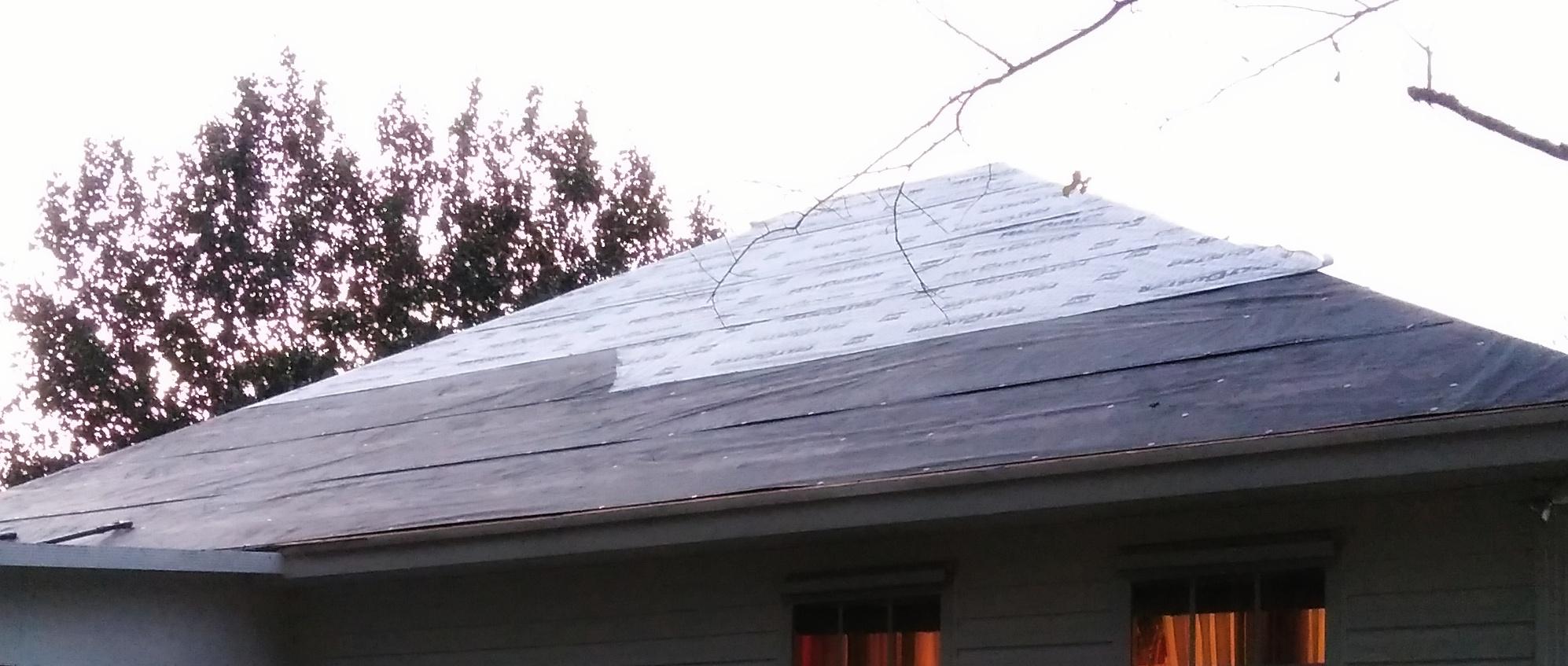

Roof Underlayment Wrinkling Causes, Related Problems and Repair
If your roof looks wavy or bubbled in spots, or you’ve got leaks that don’t match obvious shingle damage, the problem may be hiding underneath. Roof underlayment wrinkling is a common issue on Austin roofs, especially with our heat, storms and occasional rushed installs after hail events.
LOA Construction helps Central Texas property owners diagnose and repair underlayment problems so the rest of the roofing system and structure doesn’t suffer. Here’s the information we share with clients so they are fully informed about roof underlayment wrinkling.
Think your underlayment is wrinkling up?
The LOA Roofing Pros Can Find Out – Schedule a FREE Roof Inspection
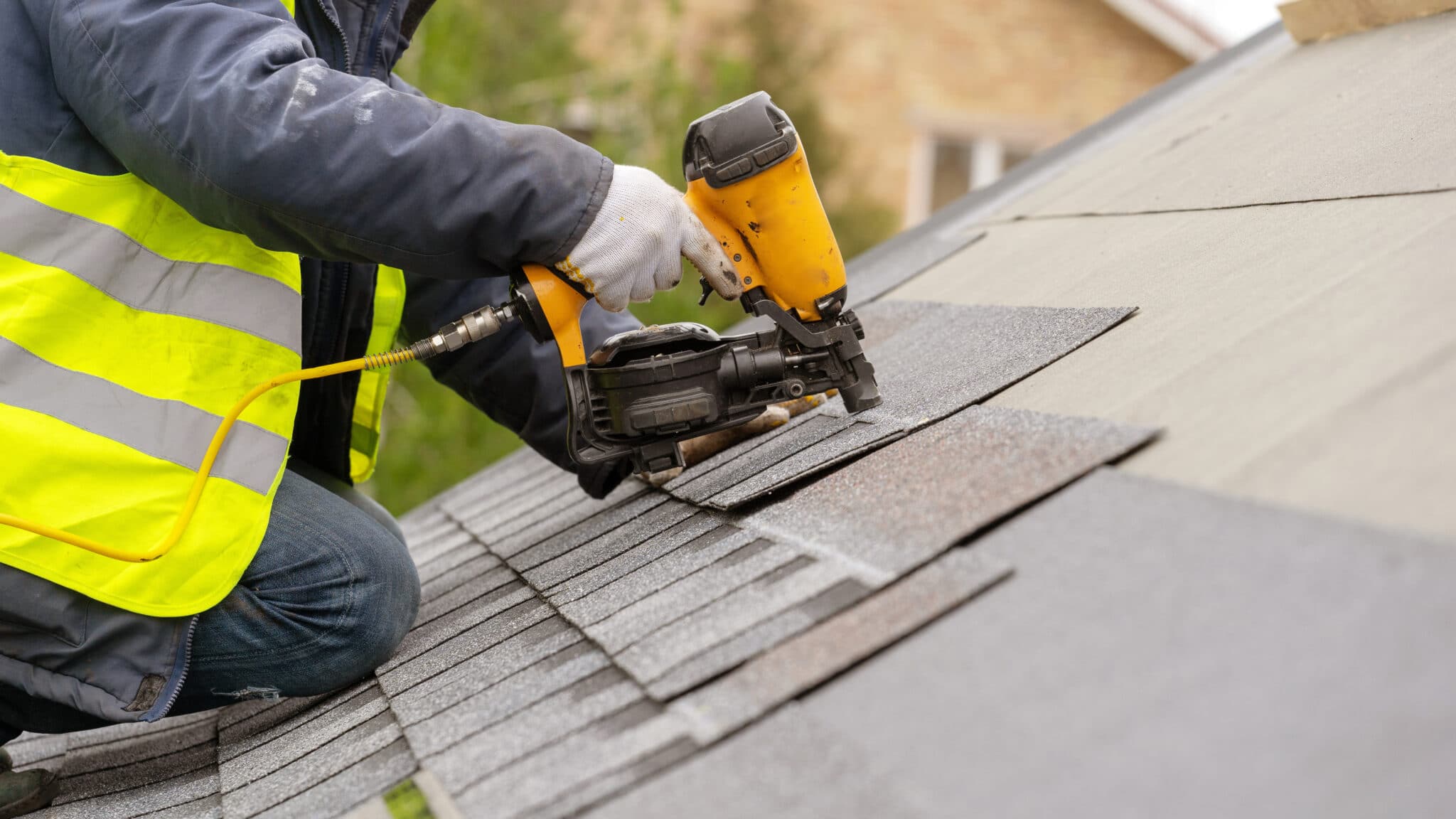
What is Roof Underlayment Wrinkling?
Roof underlayment is the sheet material installed on top of the roof deck and under your shingles, metal panels or roof tiles. Its job is to act as a backup water barrier when storms push water where it shouldn’t go. Some underlayment materials also act as a vapor barrier.
Underlayment wrinkling happens when that protective layer:
- No longer lies flat against the deck
- Develops ridges, waves, bubbles or ripples
- Starts to shift, pull, buckle or telegraph through to the roofing above
Those wrinkles don’t just look bad when they show up under shingles. They also create pockets where water can collect and create paths for moisture to reach the wood deck.
What Causes Roof Underlayment Wrinkling in the Austin Area
Our climate and building conditions make Austin roofs especially prone to wrinkled underlayment. The most common causes are:
Moisture in the Deck or Underlayment
- Underlayment installed over damp decking from recent rain or morning dew.
- Felt or some synthetics that absorb moisture, swell and then dry unevenly.
- Condensation from poor attic ventilation that keeps the deck slightly damp.
As the material swells and dries repeatedly, it puffs up and shrinks in different areas, forming permanent wrinkles.
Heat and Thermal Movement
- Roof surfaces in Central Texas often reach 160+ degrees in the summer.
- Asphalt felt and thinner synthetics expand when hot and contract as they cool.
- If they’re covered by hot shingles and on top of a hot deck, they can’t move freely and buckle instead of sliding.
Over time, this expansion–contraction cycle exaggerates any small imperfection into visible ripples.
Improper Installation Practices
- Underlayment rolled out too tight or stretched instead of laid naturally.
- Insufficient fastening or fasteners concentrated in the wrong places, allowing material to lift between nails or staples.
- Overlaps not aligned with printed lines, causing uneven thickness and pressure points.
- Multiple layers of underlayment added during patch jobs, creating “speed bumps” under shingles.
Any of these mistakes make it easier for the underlayment to wrinkle when stressed by moisture or heat.
Trapped Air or Debris
- Underlayment installed over dust, shingle granules, old felt or other debris.
- Air pockets formed when self‑adhered membranes aren’t rolled and pressed properly.
These high spots act like seeds for wrinkles as the roof cycles through wet and dry or hot and cold.
Signs Your Roof May Have Underlayment Wrinkling
From the ground, you can’t see the underlayment itself, but these are common red flags that indicate there are problem areas:
- Wavy or uneven shingle lines, especially on newer roofs.
- Shingles that appear lifted in narrow bands but are still nailed down.
- Localized granule loss that doesn’t match obvious hail damage.
- Leaks that show up during wind‑driven rain but not every storm.
- In the attic, narrow bands of staining that follow a seam or valley line.
The only way to confirm underlayment wrinkling is to carefully lift shingles or panels in suspect areas. It’s a service we provide as part of our professional roof system inspection.
How LOA Construction Fixes Roof Underlayment Wrinkling
Step 1: Professional Roof and Attic Evaluation
We start by looking at the whole roof system:
- Exterior inspection to spot wavy areas, subtle surface distortion and prior patch work.
- Attic inspection for stains, moisture, ventilation issues and deck condition.
- Targeted lifting of shingles or metal in key areas to visually confirm:
- Underlayment bubbles, wrinkles or ridges
- Tears or gaps created along those wrinkles
- Any damage to the underlying deck
We then review photos and findings with you so you know exactly what’s going on.
Step 2: Localized Repair Where Practical
If wrinkles are limited to certain sections (often near eaves, valleys or past roof repair areas), we can often repair just those zones by:
1. Removing the shingles in and around the affected area.
2. Removing wrinkled or damaged underlayment down to the deck.
3. Inspecting and repairing any compromised decking.
4. Installing new, high‑quality synthetic or self‑adhered underlayment laid flat, with proper overlaps and fastening.
5. Reinstalling or replacing shingles, making sure they sit flat on the new base.
This restores a smooth surface and a reliable water barrier where the underlayment had failed.
Step 3: Full Re‑Roof and Underlayment Upgrade (When Needed)
If the wrinkling is widespread or the roof is nearing the end of its life, it’s often more cost‑effective to address the problem with a full roof replacement:
- Tear off all existing shingles and underlayment.
- Inspect the entire deck, replacing any soft, rotted or delaminated sections.
- Install modern synthetic underlayment designed for high heat and low expansion, plus self‑adhered products in critical areas like valleys, eaves and penetrations.
- Install new roofing (shingles, metal or other system) to manufacturer specs.
This approach gives you a clean, flat substrate and a roof system built to handle Austin’s heat and storms for years to come.
Step 4: Address Root Causes
To reduce the risk of wrinkling happening again, we look at factors like:
- Ventilation: Improving intake and exhaust to reduce attic temperatures and moisture.
- Product choice: Using underlayments rated for high temperatures and compatible with your roofing type.
- Installation details: Ensuring underlayment is installed on a dry, clean deck with correct overlaps and fastening patterns.
- Drainage and gutters: Fixing issues that keep edges of the roof damp and more prone to movement.
Schedule a Roof Underlayment Inspection in Austin, TX
If you’re seeing wavy shingles, subtle roof ripples or leaks that don’t seem to match visible damage, underlayment wrinkling might be the hidden culprit. You need a professional contractor that understands the problem to evaluate what’s going on.
LOA Construction can:
- Inspect your roof and the attic for signs of underlayment wrinkling and related damage.
- Show you exactly what we find and explain your options.
- Provide targeted repairs or full underlayment upgrades that are tailored to Central Texas conditions.
Call LOA Construction today or request a free roof inspection online to make sure the layer under your roofing materials is flat, secure and doing its job so your roof can perform its best.