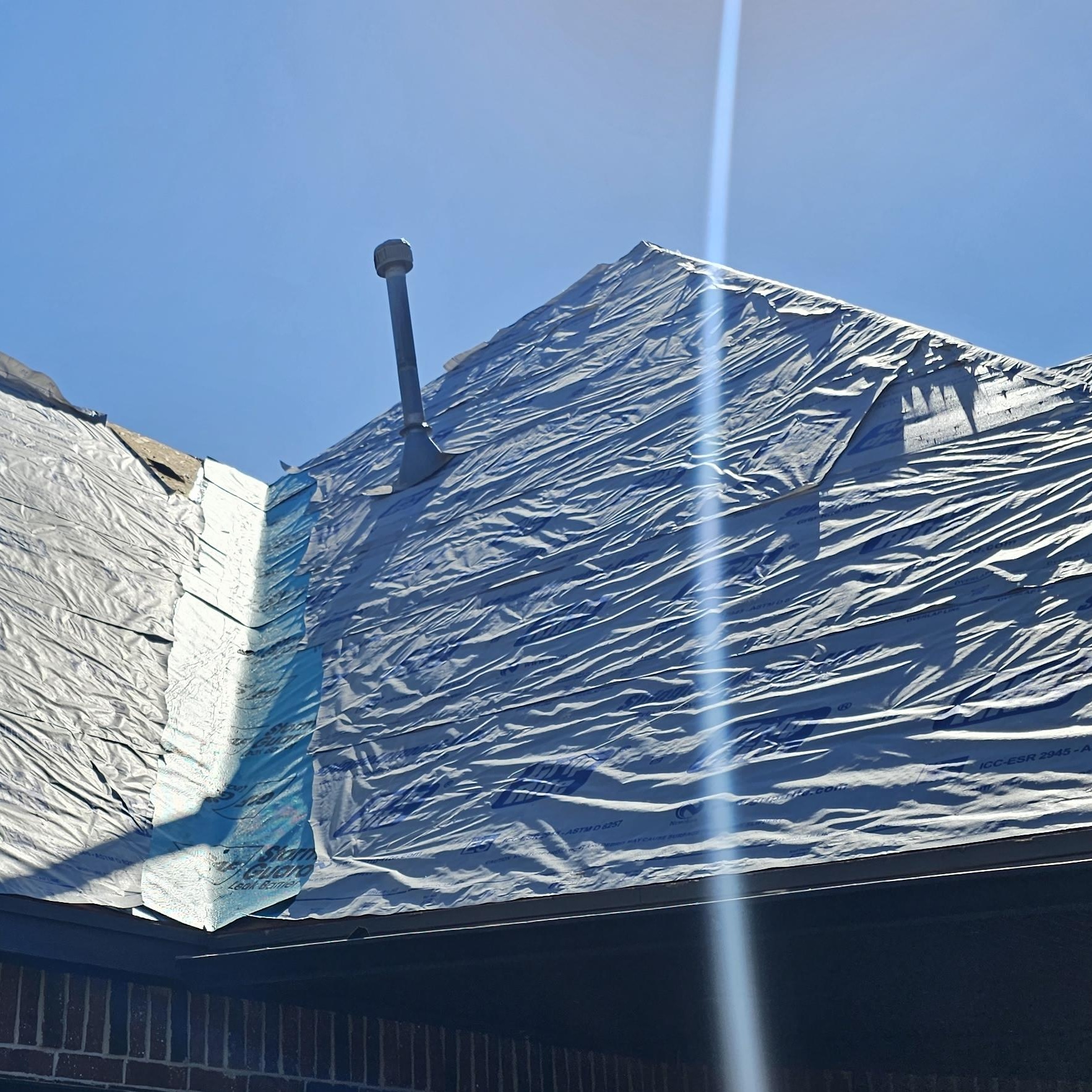
Common Roofing Issues: Underlayment Contraction
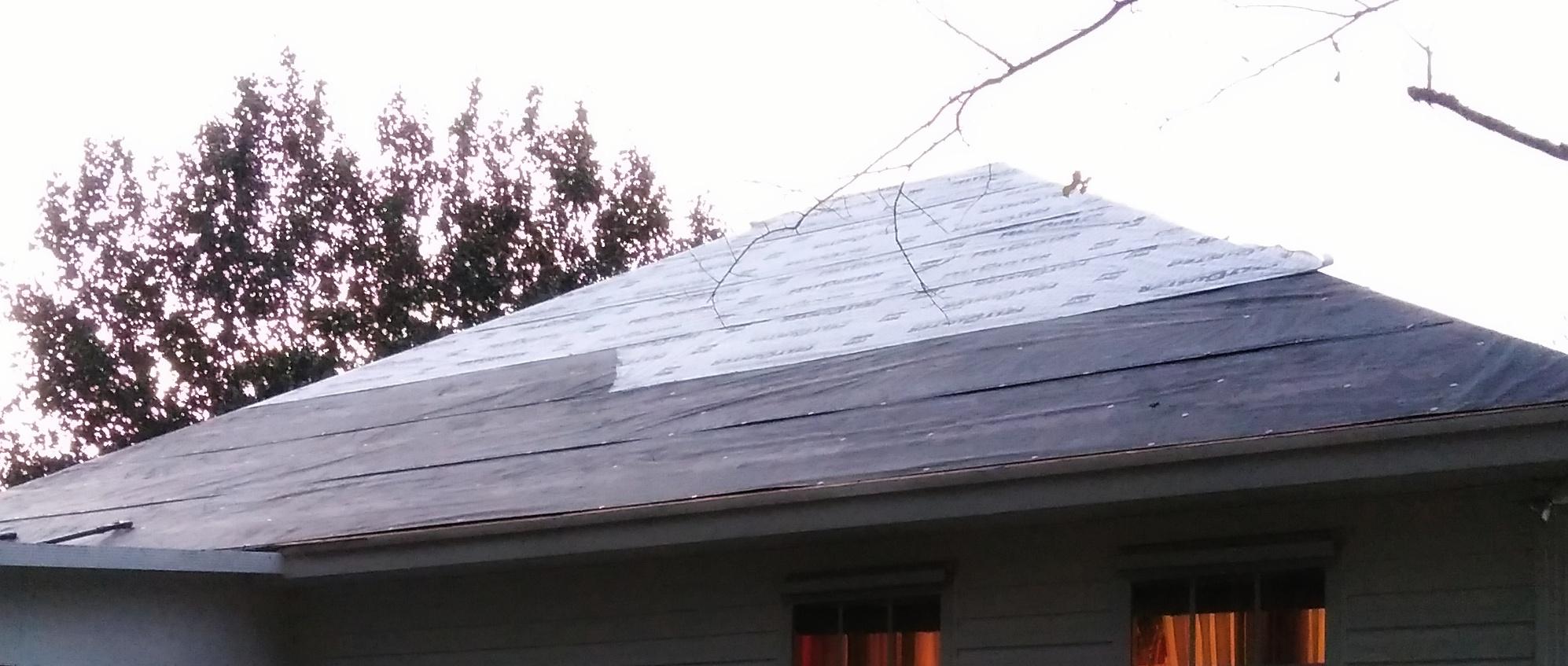

Roof Underlayment Contraction Causes, Problems and Repair Solutions
The roofing material may look okay from the ground level, but the layers underneath can be quietly failing. One of the most overlooked issues we see in Central Texas is roof underlayment contraction. When the hidden underlayment materials beneath your shingles, tile roof or metal roof shrinks it pulls tight and starts to tear or gap over time.
LOA Construction helps Austin homeowners find and fix these hidden underlayment problems before they turn into major leaks and structural issues. But it’s up to the property owner to recognize the problem as early as possible to minimize the damage.
Is contraction damaging your underlayment?
Let Our Pros Figure It Out – Schedule a Free Roof Inspection
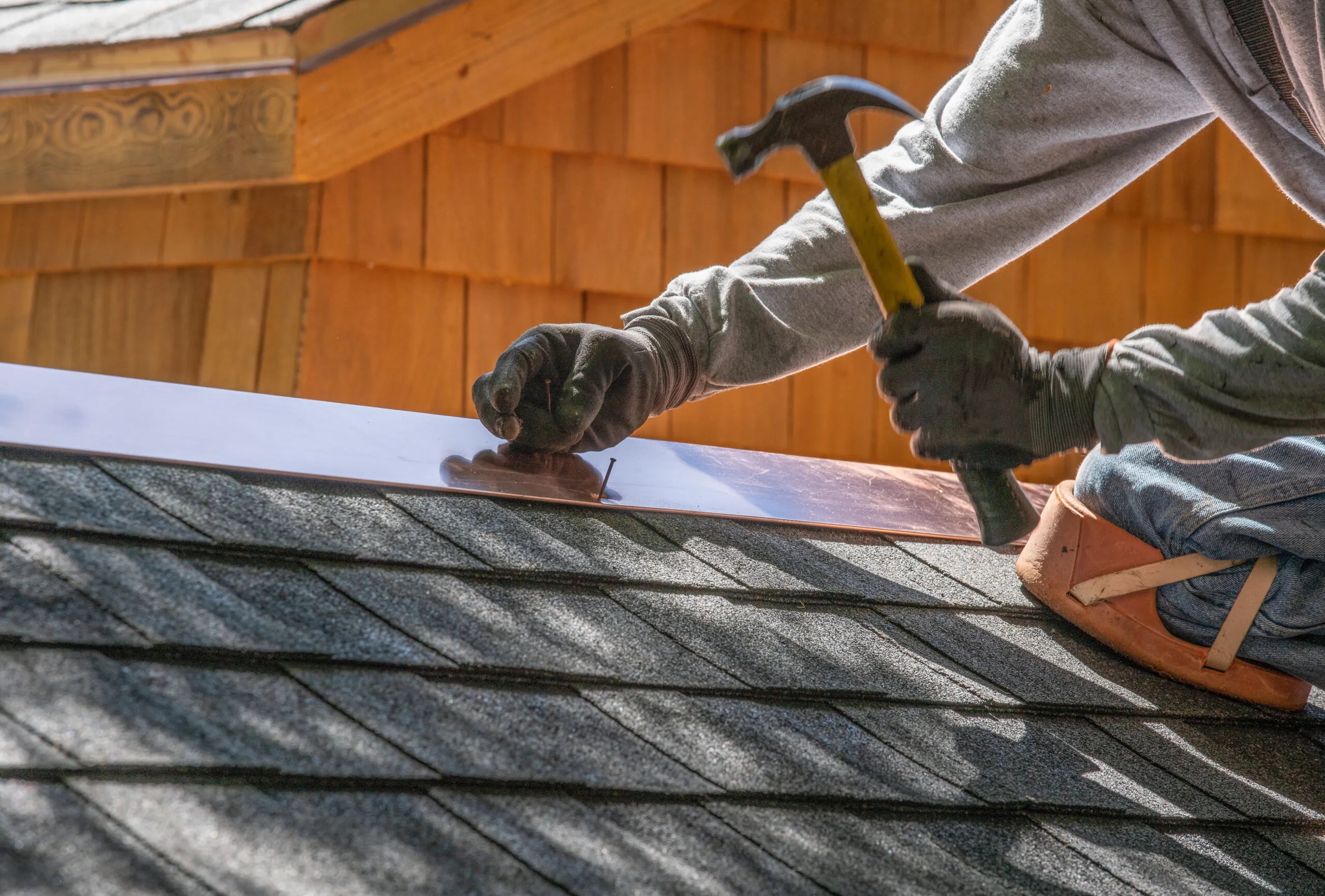
What is Roof Underlayment Contraction?
Roof underlayment is the sheet of material installed between your roof deck and the visible roofing. Underlayment serves as a secondary moisture barrier that catches wind‑driven rain and backup that gets past the surface layer. It’s designed to withstand some expansion and contraction, but only to a certain degree.
Underlayment contraction happens when that material:
- Shrinks over time from heat and aging
- Pulls away from laps, edges and penetrations
- Tightens and tears around fasteners and seams
Once it shrinks and gaps open, then water has a much easier path to your wood deck and into your home.
What Causes Roof Underlayment Materials to Contract in Austin
Central Texas is tough on roofing throughout the year. There are environmental factors that can stress every part of the roofing system in residential homes and commercial buildings. For the underlayment, these are the big drivers of contraction:
Extreme Heat and UV Exposure
- Roof surfaces in Austin’s hot climate can reach 160–180°F in the summer.
- Traditional asphalt‑saturated felt dries out, becomes brittle and shrinks back.
- Some early or thin layers of synthetic underlayments also pull tight under prolonged heat.
Aging and Material Breakdown
- Over 10–20 years, underlayment loses plasticizers and oils.
- TAs it dries and hardens, it contracts and curls, especially near edges and laps.
- This is more pronounced under dark shingles and in roofs with poor attic ventilation.
Moisture Cycling
- Repeated wet–dry cycles (storms followed by hot, dry periods) cause underlayment to swell slightly when wet and contract as it dries.
- Over hundreds of cycles, the “dry” state gets smaller and tighter, stressing seams and fasteners.
Installation Stresses
- Underlayment installed too tight with no slack has no room to move.
- Over‑driven nails or staples weaken the material so that when it shrinks, it tears around fasteners.
- Insufficient overlaps mean even small amounts of shrinkage create exposed gaps.
- Subpar underlayment was installed that isn’t appropriate for the climate.
Incompatible Layering
- Certain combinations (old felt under newer, hotter shingles, poorly ventilated decks or multiple roof layers) trap heat.
- Higher temperatures accelerate shrinkage and embrittlement of older underlayment.
Problems That Underlayment Contraction Creates For the Roofing System and Structure
When the underlayment shrinks, it rarely announces itself right away. Instead, you see symptoms that look like “random leaks” or “aging shingles.”
Gaps at Laps and Seams
As underlayment contracts:
- Horizontal and vertical laps open up, creating narrow gaps.
- Water that gets under shingles or metal no longer hits a continuous barrier. It finds these gaps and runs straight to the deck.
- This is especially problematic in valleys, eaves and around chimneys or skylights.
Tears Around Fasteners
Shrinking material pulls away from nails and staples:
- Small cracks and crescent‑shaped tears form at fastener points.
- Under wind‑driven rain, water follows nail shanks down to the wood.
- Over time, these tiny leaks cause localized rot and staining.
Raised, Wavy or Bridging Areas
Underlayment that contracts unevenly can:
- Bridge between rafters, pulling tight in some areas and loosening in others.
- Create wavy shingle lines or uneven surfaces that collect water.
- Lead to premature shingle cracking where they’re forced to bend over irregularities.
Deck Rot and Structural Damage
Once contraction creates pathways for water:
- The roof deck starts absorbing moisture in those spots.
- Plywood or OSB can delaminate, soften and rot, especially near eaves and valleys.
- In advanced cases, rafters, fascia and soffits are also affected.
Interior Leaks and Mold
As the roof deck deteriorates:
- You may see ceiling stains, bubbling paint or peeling drywall.
- Insulation can become wet and moldy, losing its effectiveness.
- Attic mold and musty odors can spread into living spaces.
Why Austin Homeowners Choose LOA Construction
- Local expertise: We work on Austin and Central Texas roofs every day and understand how heat, storms, and age affect underlayment.
- System approach: We don’t just swap shingles. We look at the entire roof system, from deck to ventilation to figure out the right underlayment.
- Transparent inspections: Clear photos, honest explanations and practical options are given based on what provides the most value.
- Quality materials: We use modern underlayments designed to handle Central Texas extreme temperatures and storm conditions.
Schedule a Free Roof Underlayment Evaluation in Austin, TX
If you believe underlayment contraction could be the hidden culprit behind leaks or repairs that just don’t stay fixed, then give the LOA team a call.
LOA Construction can:
- Inspect your roof and attic for contraction‑related damage.
- Show you exactly what’s happening under your shingles or metal.
- Recommend smart, long‑term repair or roof replacement options that fit your budget.
Call LOA Construction today or request a free roof inspection online to make sure the layer you can’t see is still providing essential moisture protection.