Common Roofing Issues: Underlayment Thermal Expansion
Work With the Best Roofing Contractors in Central Texas

LOA Roofing Specialists Explain Linear Expansion and Thermal Stress That Impacts Roof Underlayment
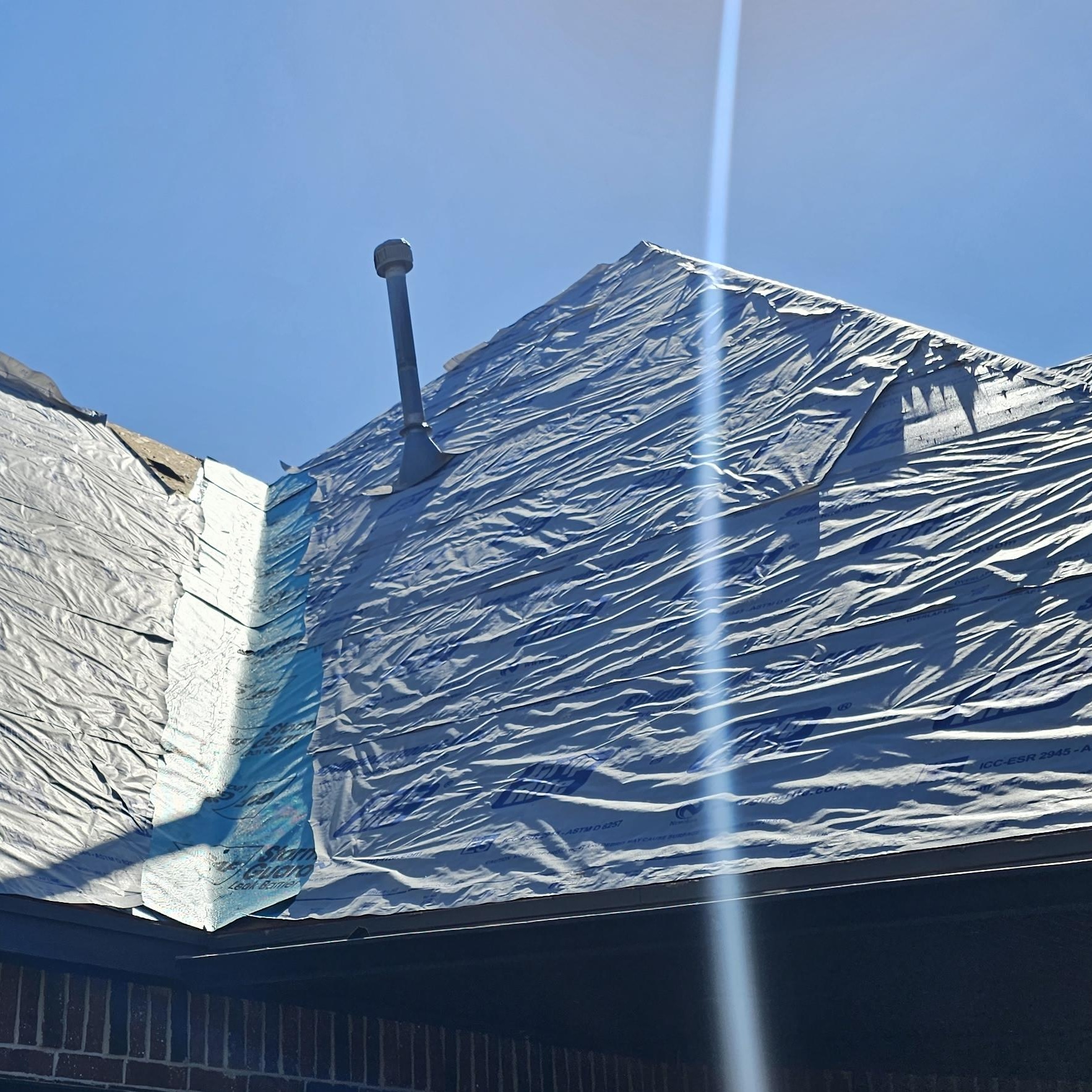
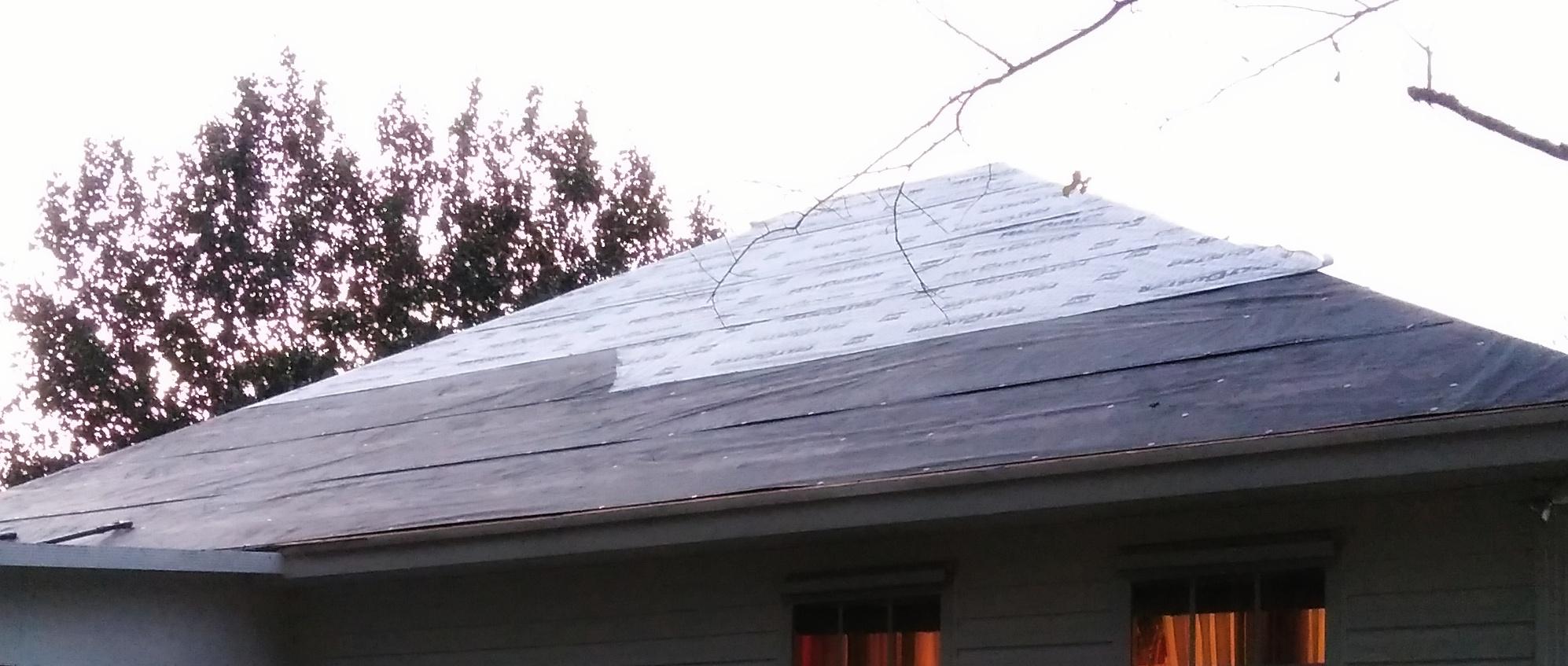
Buckling shingles, wavy rooflines and mysterious cracks aren’t always about poor installation. In Austin’s extreme heat, how the roof underlayment acts can be in response to thermal expansion. This common roofing issue quietly damages roofs from underneath, sometimes within just a few years.
LOA Construction is an experienced roofing team that can diagnoses underlayment expansion issues and provide roof repair solutions that will keep it from causing more costly damage. Before you start the process, get a better idea of what causes thermal expansion damage across Central Texas and what it will take to get a stable roofing system.
Is thermal expansion destroying your underlayment?
Schedule a FREE Roof Inspection to Know How Well Your Roofing System Handles the Heat
What Causes Roof Underlayment Thermal Expansion in Central Texas
Thermal expansion is a result of kinetic energy that causes temperature changes throughout the day.
Austin roofs experience some of the most extreme daily temperature swings in the U.S. Here the roof surface temperatures can hit 160°F+ on sunny days and decreasing temperatures can drop to 60-80°F at night. Just as metal expands from linear thermal expansion and thermal contraction, the roof underlayment absorbs this heat cycle and there’s area expansion.
Primary Causes in Central Texas:
Heat Absorption and Expansion
- Dark shingles or metal panels transfer intense solar heat into the underlayment
- Asphalt-saturated felt or thin synthetics expand significantly (up to 1-2% of their length)
- Upper layers push against lower layers, creating buckles and wrinkles
Moisture Cycling
- Daytime heat drives out moisture, causing shrinkage
- Nighttime dew/condensation or morning humidity causes the underlayment to absorb moisture and swell
- Repeated wet-dry cycles create stress wrinkles that worsen over time
Material Limitations
- Traditional asphalt felt (#15/#30) is most prone to expansion damage
- Thin synthetic underlayments (<15 mil) without proper slip sheets can be damaged
- Older products not designed for modern high-temp asphalt shingles have issues
Confinement Issues
- Underlayment is trapped between fixed decking and non-breathable shingles
- There’s no room to expand without pushing up shingles or tearing at seams
- Poor attic ventilation traps heat and accelerates the cycle
Austin’s Thermal Reality: Key Metrics to Consider
Summer roof surface: 160-180°F
Daily swing: 80-100°F
Annual cycles: 2,500+ heat expansions
Result: Underlayment will stretch beyond the original length and fatigue 2x faster compared to northern climates where low temperatures limit thermal expansion.
What Happens When Roof Drip Edge Is Missing or Improper?
If your house doesn’t have a roof drip edge, or if it’s improperly installed, the results can be costly. Water can seep under your roofing material and into the roof deck, creating moisture problems that lead to mold, mildew and rot. In colder months, it can even lead to ice dams in northern parts of Texas.
Missing or poorly installed flashing may also lead to:
- Peeling paint or rot on fascia boards
- Water stains inside your home
- Damaged roof shingles around the edges
- Shortened lifespan
- Significant damage to insulation, walls and even windows
Texas-Specific Flashing Challenges
Each region of Central Texas presents its own flashing issues:
- Austin: Steep-sloped roofs and limestone exteriors demand tight rake edge seals.
- San Antonio: High heat and hail mean you need tough, durable flashing.
- Houston: Humidity and heavy rain require rust-resistant materials.
This regional variance is why working with a local roofing contractor like LOA Roofing & Construction who understands these conditions is so important.
How LOA Construction Repairs Thermal Expansion Damage
When your underlayment isn’t performing as it should it can create problems throughout the roofing system. It’s an issue that needs to be addressed before it gets worse. But doing it right requires a thorough approach from an experienced team. When LOA is hired to repair thermal expansion damage our process includes:
Phase 1: Thermal Expansion Assessment
Our 4-step diagnostic process includes:
1. Thermal imaging scan (daytime) → Identifies heat-trapped wrinkled zones
2. Attic inspection → Checks deck condition, ventilation, moisture
3. Targeted shingle lift → Confirms underlayment expansion/buckling
4. Moisture meter testing → Quantifies trapped water damage
Phase 2: Targeted Repair System
For moderate expansion damage we’re able to provide roof repairs that resolve the problem:
Remove affected shingles → 3-6′ wide strips
Replace buckled underlayment → High-temp synthetic + ice/water shield
Repair minor deck damage → Sister damaged plywood
Reinstall impact-rated shingles → 6-nail pattern, proper offset
Cost: $8-12/sq.ft. for repair zones (typically 10-25% of roof)
Phase 3: Full Underlayment Replacement (Recommended)
For widespread expansion or aging systems roof replacement is recommended:
Complete tear-off → All shingles + old underlayment
Deck inspection/repair → Replace soft/rotted sections
New thermal system → High-temp synthetic underlayment + proper ventilation
Premium shingles → Class 4 impact-rated architectural
Cost: Full roof replacement cost, but free thermal expansion upgrade
Prevention: LOA Construction’s Thermal Expansion Solution
You have to account for thermal expansion when you are choosing your roofing materials. Something to pay attention to is the linear expansion coefficient of each material. The linear coefficient is a measure of how much a material lengthens with temperature change. The volume expansion of underlayment is very important since it’s sandwiched in between layers.
The Modern Austin Roof Stack
Roof Deck (5/8″ plywood)
Synthetic Underlayment (20+ mil) that can handle higher temperatures
Ice & Water Shield (eaves, valleys, penetrations) 140mph for moisture resistance
Architectural Shingles (Class 4 impact)
Ridge + Soffit Ventilation (1:150 ratio minimum)
Key Thermal Features and Benefits
- Low-thermal-expansion synthetic underlayment
- Slip sheets under metal roofs
- Proper shingle offset (never align nail lines)
- Adequate attic ventilation
- Light roof colors (reduce surface temps)
Most Common Materials: Felt Paper vs. Modern Synthetic Underlayment
Traditional Felt: Expands 1.8% at 140°F
Modern Synthetics: Expands <0.3% at 180°F
Difference: 6x less buckling/shingle damage
LOA Construction Underlayment Thermal Expansion Services
Free thermal expansion assessment
Targeted repair or full replacement
Modern synthetic underlayment upgrade
Ventilation system optimization
25-year workmanship warranty
Insurance claim assistance
Serving Central Texas: Austin, West Lake Hills, Cedar Park, Round Rock, Buda, Kyle, Manor
Schedule a Free Inspection to See If You Have the Right Underlayment For Thermal Expansion
Is your roof showing wavy shingles, granule loss or edge leaks? Thermal expansion could be working underneath. Find out with a free roof inspection from LOA.
 Call LOA Construction: 512-686-3983
 Schedule a Roof Inspection Online
 Same-Week Inspections Available
Stop guessing what the underlayment is like below the roof surface. Schedule a free inspection to know for sure!
Real Results From LOA:
“Shingles looked fine, but attic had black streaks everywhere. LOA found buckled felt paper and replaced it with synthetics. No leaks since 2019.” – Mike T., Northwest Austin
Licensed | Insured | Central Texas Roofing Since [Year]