Common Roofing Issues: Misaligned Metal Roof Panels
Work With the Best Roofing Contractors in Central Texas


Common Roofing Issues: Misaligned Metal Roof Panels
Discover the Reasons For Panel Misalignment and Metal Roof Repair Options
When metal roof panels are misaligned, the problems go far beyond a crooked appearance that looks off. Misalignment can interfere with water flow, stress the panels and fasteners and shorten the life of the entire roof system, especially under Texas heat and harsh weather conditions.
This guide walks you through the common mistakes that lead to improper alignment, the type of problems that it can cause and how to rectify the situation so that your metal roofing system performance isn't compromised.

What Does “Misaligned” Mean on a Metal Roof?
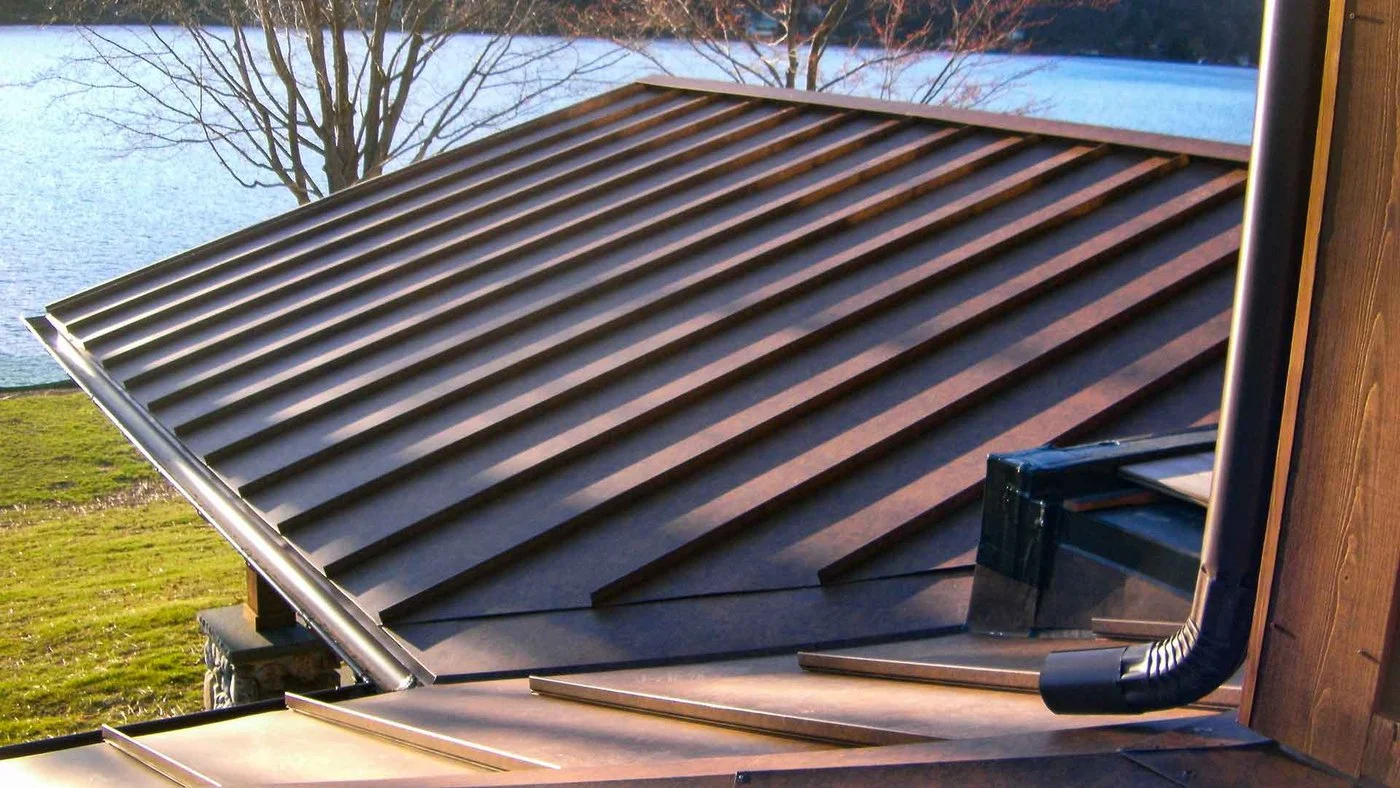
Metal panels are designed to be installed in straight, consistent courses so that:
- Vertical seams line up from eave to ridge.
- Horizontal laps or panel ends line up across the roof.
- Panel ribs run parallel and stay on course.
When the panels are misaligned it can look very different. A number of things can look off:
- Ribs that wander or taper as they move up the roof.
- Panel ends that don’t line up at the eave or ridge.
- Seams that don’t lock cleanly or appear twisted.
- Panels that aren't square at hips, valleys and transitions.
Sometimes it’s subtle, and sometimes it’s obvious from the curb when panels are misaligned. Whether you notice it or not, this is a problem that will only get worse and can cause serious damage.

What Cause Improper Alignment With Metal Roof Panels
Starting Out of Square
Metal roofs must be laid out from a square reference line when they are installed or they will start out misaligned:
- If the first panel is set slightly crooked to the eave or rake, every subsequent panel “inherits” that error and it compounds across the roof.
- On long runs, even a small initial misalignment can lead to a noticeable taper or “drift” several panels over.
Once panels are locked together or screwed down, correcting that initial mistake is difficult without pulling the panels back up.
Inconsistent Panel Spacing
On through‑fastened or exposed fastener systems there could be a few other problems that cause misalignment:
- Screw placement may be used as a visual guide, rather than precise measurements.
- Installers might “stretch” or “shrink” panel spacing to make things line up at a feature (like a vent or chimney), creating cumulative misalignment elsewhere.
On standing seam metal roof systems:
- If clips aren’t set exactly, panels can be pulled slightly one way or another during seaming.
Out‑of‑Plane or Uneven Framing
Sometimes the root of the problem is below the roofing materials. When the substrate or framing isn’t straight and true it can cause the metal panels to also be askew. You may notice:
- Purlins or rafters that wander, bow or twist can drag panels off line.
- Uneven deck edges can make panel ends appear staggered when the panels themselves are straight.
Installers sometimes “follow the framing” instead of snapping new reference lines. When that happens existing errors can creep into the layout of the metal panels.
Panel Manufacturing or Handling Errors
Panels cut slightly off‑square at the factory or in the field will never line up perfectly at both ends. It's simply impossible. Likewise, panels that are bent or kinked in transport or while being handled can resist being laid straight, especially at seams.
Rushing or Poor Quality Control
Rushing a roofing project is never ideal. Crews under time pressure may prioritize speed over checking alignment at each course to ensure alignment. Lack of supervision or layout checks increase the likelihood that small deviations go unnoticed until the job is nearly complete.
What Happens When Panels Are Misaligned?
- Open or stressed seams: Standing seam locks may not fully engage or can be twisted, leaving small gaps where wind‑driven rain can get in.
- Improper drainage at laps: On lapped systems, if overlaps are not true to the slope, water can be directed sideways into joints instead of down the panel.
- Valleys and transitions: Misaligned panels feeding into valleys, hips or gutters can dump water in the wrong place or reduce the effective water channel.
- Seams, ribs, fasteners and roofing sealant that may be in constant tension or torsion.
- Thermal expansion and contraction has to fight misalignment, leading to oil canning, noisy movement and potential fatigue at seams and fastener points.
- Fitting the ridge caps, hip caps and gable trim cleanly.
- Aligning closures and foam blocks with panel ribs, leaving small openings for wind‑driven rain, insects and debris.
- Tying into penetrations neatly and reliably.
Water Management Problems
Misalignment can interfere with how water moves across the roof. When things aren't sealed properly water infiltration becomes an issue for a few reasons:
The result of these problems is a higher risk of visible leaks, roof deck damage and wet insulation, especially in heavy or wind‑driven Texas thunderstorms.
Panel Stress and Premature Wear
When panels aren't aligned and don’t sit where they want to naturally it becomes a problem. The two biggest issues are:
Over time, that mechanical stress can loosen fasteners, work seams open and contribute to roof coating cracks along stressed lines.
Flashing and Trim Problems
Misaligned panels make it difficult to get other parts of the roofing system to sit right. You may have additional problems:
This often leads to heavy reliance on caulk and foam as “gap fillers” that don’t last as long as properly fitted metal panels would.
Aesthetic and Resale Concerns
Even when the roof isn’t leaking and the structural integrity is good the roof might not look right. Crooked seams and staggered panel ends are very visible from the ground. On commercial projects or high‑end homes, misalignment can hurt curb appeal and lead to disputes about workmanship.
Buyers and inspectors frequently flag these issues, which can lower the perceived value.


How to Fix Misaligned Metal Roof Panels So They Are Properly Aligned
The right fix for misaligned metal roof panels depends on how severe the misalignment is and when it’s discovered. The quicker it's caught the easier the correction will be.
Identify the Pattern and Source
A qualified metal roofing contractor will:
- Map where the misalignment starts.
- Check if panels are square to the eave and ridge or if the eave itself isn’t straight.
- Determine whether the issue is cosmetic only or tied to other issues that are creating leaks or degrading the materials.
Minor Misalignment During Installation
If caught while the new roof is still being installed the fix is fairly easy, especially with exposed fastener panels. The roofers will need to do the following:
- Panels can often be backed off, repositioned and re‑fastened starting from a true reference line.
- Clips or fasteners may be adjusted to bring panels into correct alignment.
- Layout around penetrations can be re‑worked so panels stay straight and details are shifted instead.
This is the ideal time to fix misalignment, before everything is locked in.
Visible Misalignment on a Finished Roof
Many times minor misalignment isn't caught during the installation process. It's only afterward, sometimes when the alignment gets worse, that the problem is noticed. Once the roof is complete, repair options are more invasive:
- Localized panel removal and reset:
- Remove trim and affected panels in the misaligned area.
- Snap new layout lines square to the eave and ridge.
- Reinstall panels on the corrected layout, replacing any damaged ones.
- Selective panel replacement:
- On high‑visibility areas, replace only the most obviously crooked panels and adjust layout to minimize visual impact.
- This may involve slight trimming at eaves or rakes to square up the appearance while preserving water‑shedding function.
If misalignment is mild and not creating performance issues, some owners choose to live with it, especially if correcting it would require extensive tear down.
Address Underlying Substrate or Framing Issues
If panel misalignment traces back to crooked eave lines, bowed or twisted purlins or out‑of‑square framing those structural issues may need to be corrected for a lasting solution. That can include:
- Shimming or replacing framing members.
- Straightening or re‑establishing eave lines and edge blocking.
- Adjusting decking so panel ends have a straight, true line to follow.
How to Prevent Misaligned Panels on New Metal Roofs
If you're in the process of getting a new metal roof installed there are a few things to keep in mind to prevent misalignment problems right from the onset.
Start Square and Stay Square
- Snap clear reference lines at the eave and up the roof for the first panel.
- Double‑check the first few panels for squareness to both eave and ridge.
- Re‑check the layout periodically during installation, especially before and after obstacles like dormers, skylights and valleys.
Follow Manufacturer Layout Guidelines
- Use recommended rib spacing, clip spacing and panel placement instructions.
- Avoid “forcing” panels to hit an arbitrary mark (like a vent) at the expense of overall alignment. Adjust the detail instead.
Verify Panel Quality and Cuts
- Ensure panels are cut square at the factory or with specialized tools on site.
- Reject or trim panels with obvious manufacturing skew before installing them.
Make the Substrate True Before Roofing
- Check to make sure that eaves, ridges and gables are straight and square.
- Correct framing anomalies rather than assuming the metal will hide them.
- On retrofits, address known deck irregularities before the panel install.
Train and Supervise Crews
Everyone on the roofing crew needs to understand that alignment issues aren't just cosmetic. They affect performance and warranties in addition to aesthetics.
Have a foreman or superintendent check alignment at key milestones along the way, not just at the end. This assured that alignment problems are caught early and can be easily corrected.
When metal roof panels are misaligned, it’s more than just a visual annoyance. Crooked panels can redirect water, stress seams , weaken fasteners and undermine trims and flashing. The earlier misalignment is caught the easier and cheaper it is to correct.
For existing roofs, a good metal roofing contractor can tell you whether misalignment is just an aesthetic issue or a sign of deeper problems, and outline realistic options for correcting or managing it.
Anyone who has a roofing repair need or roofing project going on in the Austin area can call on LOA to schedule a complimentary roof inspection that will check the alignment of metal panels. We'll give you honest, straightforward advice on the condition of your roof and what's needed to get it in the best shape possible.

