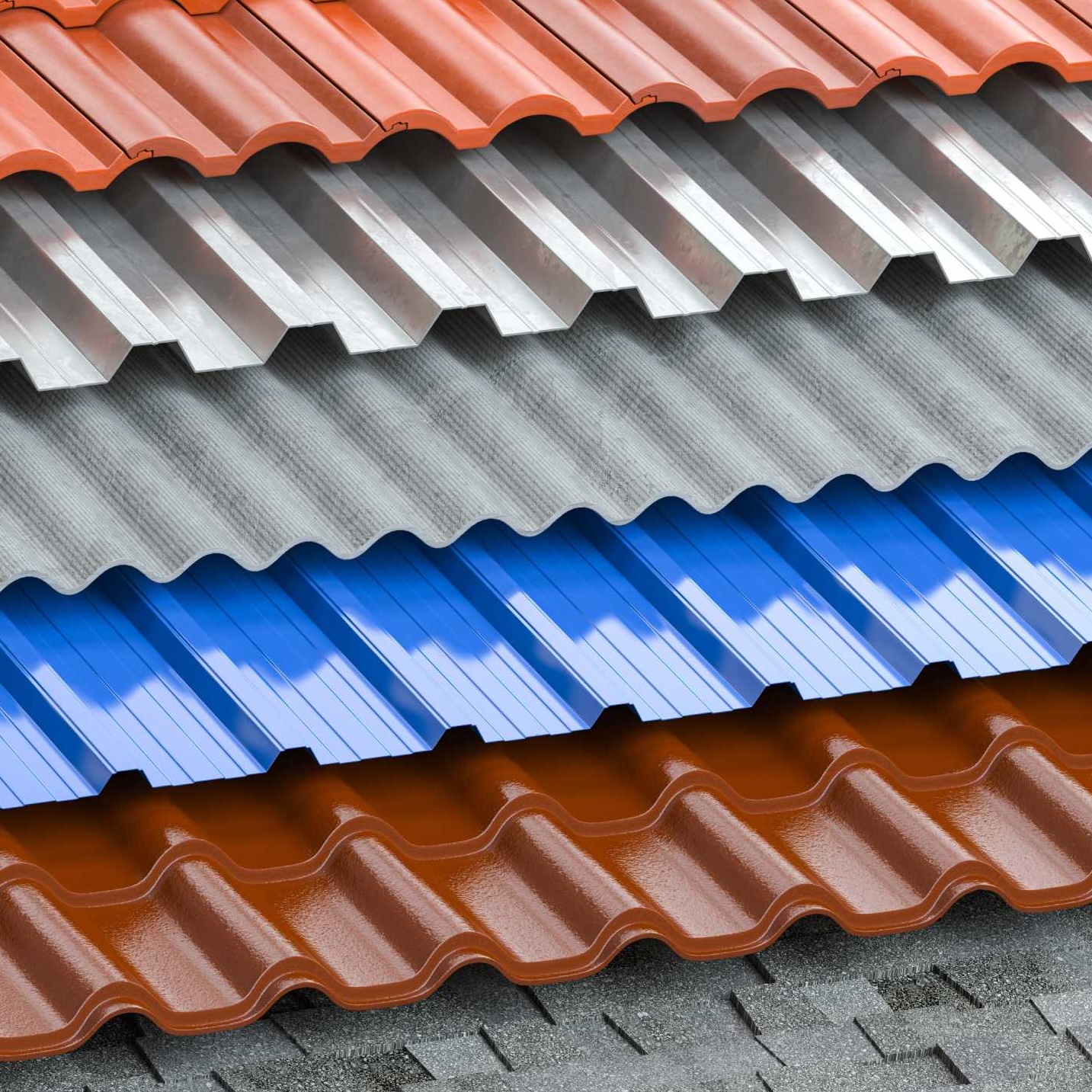
Oil Canning on Metal Roofs
Work With the Best Roofing Contractors in Central Texas
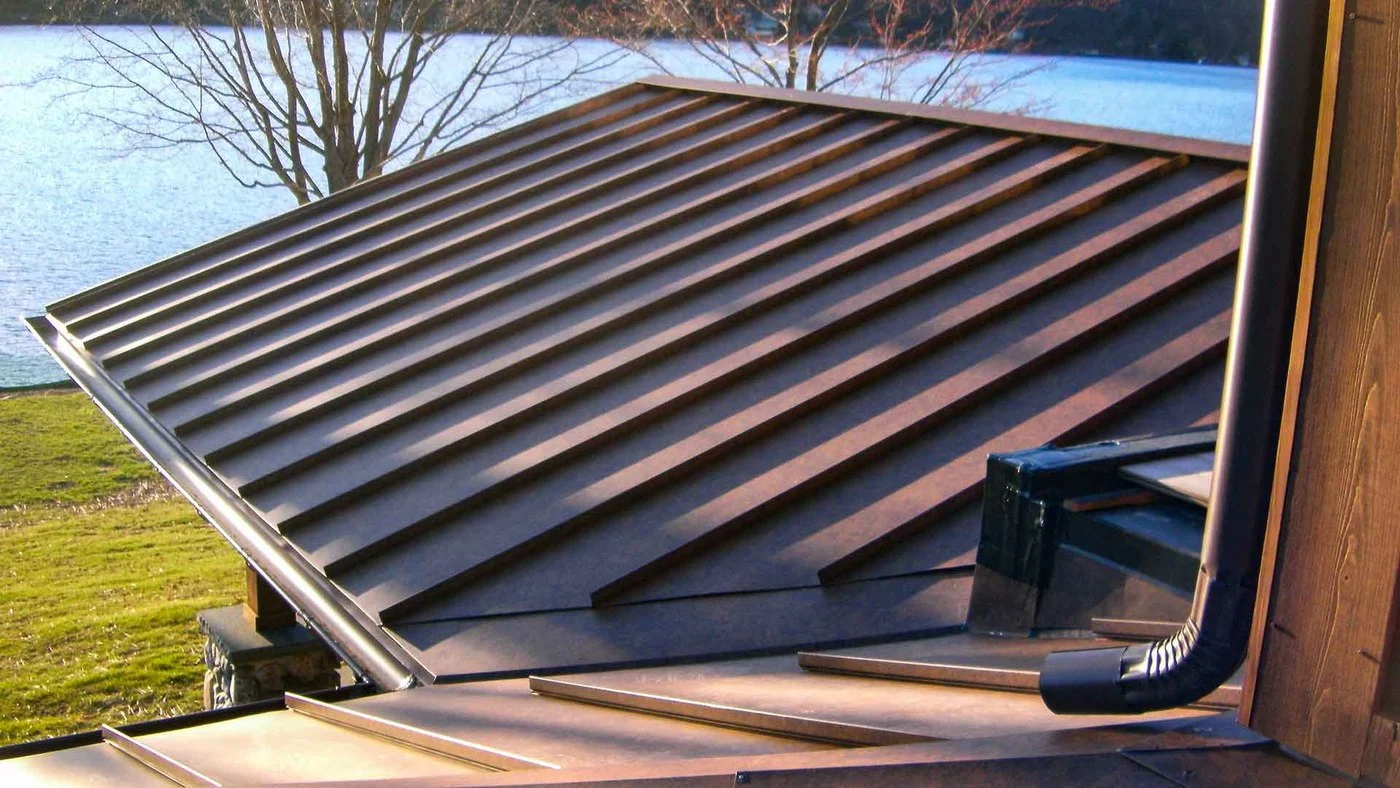

Common Roofing Issue: Oil Canning on Metal Roofs
Learn the Causes and Ways to Minimize Oil Canning in the Texas Heat
Oil canning on a metal roof is a lot more common in Texas than most homeowners realize. Between extreme summer heat, big temperature swings and long spells of sunny exposure, Texas conditions push metal panels hard. And those forces often show up as ripples and waves on the roof surface of standing seam metal roofs and other types of metal roofing.
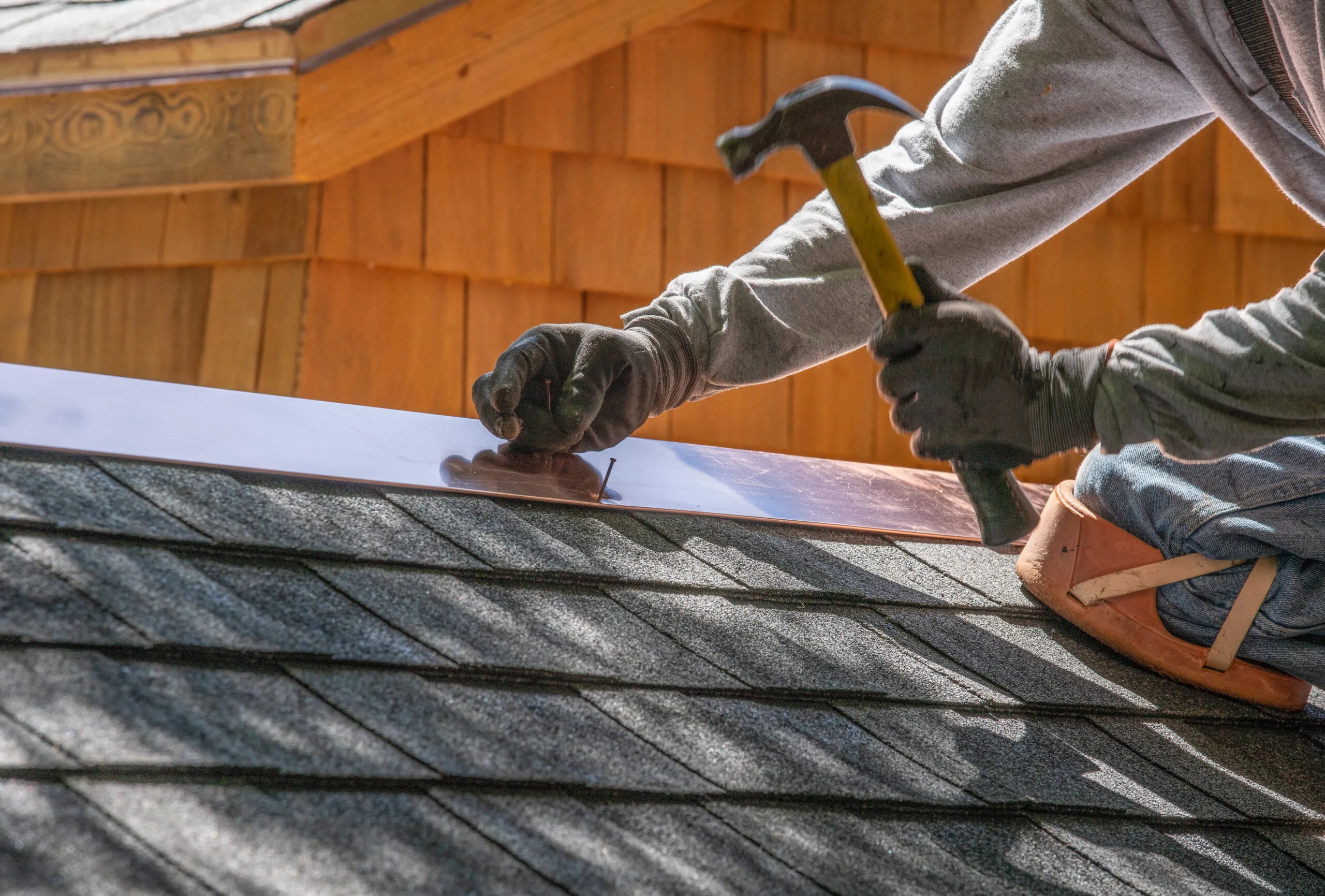
Oil Canning Effect on Metal Roofs in the Texas Heat
The risk of developing oil canning increases with the temperature. Oil canning is the visible waviness you sometimes see in flat areas of standing seam or metal panel roofs. In certain light it can look like the metal is “bubbling” or dented, even though nothing has hit the roof.
In Texas, oil canning is especially common because:
- Roof surfaces routinely bake in 100°+ heat, then cool rapidly at night.
- Dark roof colors and low slopes soak up intense sun for hours.
- Long, wide metal panels are popular on modern homes, barndominiums and commercial buildings.
Most of the time, visible oil canning is an inherent characteristic of being in direct sunlight and intense heat, not a sign your roof is about to fail. But it can point to design and installation choices that don’t play well with our climate.
Why the Flat Surface of Metal Panels Oil Can So Much in Texas
What causes oil canning is related to a combination of climate and construction. In the right conditions it leads to the stress wrinkling over what should be a flat space.
Extreme Thermal Expansion and Contraction
Metal expands when it heats up and contracts when it cools down. In Texas:
- Summer roof surface temperatures can climb 60–80°F above the air temperature.
- Late‑day thunderstorms or cool nights can drop roof temps quickly.
The constant expansion and contraction has nowhere to go if panels are:
- Fastened too tightly
- Installed without enough room to slide at the clips
- Spanning long distances without proper detailing and support system
The metal relieves stress by bowing slightly between supports, which is what you see as oil canning.
Heat takeaway: The harsher the temperature swings are, the more any small installation or design mistake will show up as an uneven surface.
Dark Colors and Reflective Glare
In Texas, many property owners prefer sleek, flat standing‑seam profiles in deep, modern colors like charcoal, black or dark bronze. Dark colors absorb more heat and amplify expansion. Glossy finishes also make every ripple and wavy edge more obvious, especially in the morning and late afternoon when the sun hits at a low angle.
Long, Wide Metal Siding Panels on Barndos and Big Spans
The Metal Construction Association notes that oil canning isn’t just an issue on the roof. Texas uses a lot of:
- Long roof runs on metal buildings, shops and barndominiums
- Wide, flat panel profiles for that clean, modern look
The longer and wider the flat part of a panel, the easier it is to see even small irregularities. Any slight bow in the framing or roof deck gets magnified on a long, flat metal surface as opposed to a narrower panel width or corrugated panels.
Substrate and Framing Irregularities
On older houses, metal reroofs over existing roof decking or metal buildings framed quickly may not be perfectly flat. In our storm and wind conditions:
- Framing can twist or settle over time.
- Decking can hump, dip or separate at seams.
Metal will faithfully show whatever is underneath. With the Texas sun constantly heating and moving the metal, those imperfections become more visible as oil canning progresses.
How to Minimize Oil Canning on Texas Metal Roofing Systems
Texas homeowners, builders and designers can all help prevent oil canning, or at the very least minimize it. The avoid oil canning:
Choose Profiles and Gauges Wisely
- Avoid the widest flat panels on large, visible roof faces.
- Opt for pan striations or minor ribs built into the profile. They don’t look “cheap”, they’re there to improve appearance in real‑world conditions.
- Use thicker heavier gauge metal where budget allows, especially on long runs in dark colors.
Design For the Heat
- Assume the roof will see extreme expansion and contraction and design details so panels can move.
- Use manufacturer‑recommended floating clip systems and slotted fastener holes where needed.
- Pay special attention to long slopes facing south and west, where heat and waxing/waning sunlight make oil canning most visible.
Build a Flat, Stable Base
- Make sure framing and decking are straight, level and well‑braced before panels go on.
- Fix dips and humps in the substrate.
- Account for Texas soil movement and settling where applicable by designing to minimize long‑term framing twist.
Install to Spec (Not “By Feel”)
- Do not over‑tighten fasteners just to “suck the panel down.” That’s one of the fastest ways to invite oil canning in Texas heat.
- Follow the panel manufacturer’s fastener spacing and clip details exactly.
- Handle panels carefully on site to avoid bending or pre‑stressing them before installation.
In a cooler, cloudier climate, mild oil canning might never be noticed. In Texas, with harsh sun and big heat swings, even small stresses in a metal roof show up clearly on the surface.
Oil canning usually isn’t a leak or structural emergency, but in Texas, it’s a visible sign that your roof is working hard. The right profile, color, metal thickness and installation details can dramatically reduce it. If you’re already seeing waves in your panels, a good metal roofing contractor can confirm whether it’s just cosmetic or a symptom of a bigger problem, and help you decide if relief measures or selective panel replacement are worth the investment.
If you’re planning a metal roofing project or you’re concerned there’s oil canning on an existing metal roof, LOA is a reliable roofer you can count on in Central Texas. You can schedule a complimentary roof inspection that will examine the oil canning issues and provide solutions.