Common Roofing Issues: Improper Flashing Design
Work With the Best Roofing Contractors in Central Texas

Quality is at the heart of our Austin roofing company in every project we take on. Contact our experienced Central Texas roofers for a same-day, pressure-free inspection. Call 512-375-3654 to book your free inspection.
If you need a new roof installed, LOA is the roofing company to call! Our roofing experts are known for providing quality workmanship at a fair price. If you own a house or business in Central Texas you can’t afford to work with another roofer.
Find out how much roof replacement will cost in Austin, Texas and the surrounding areas.

How Improper Flashing Design Happens
Someone may have many years of experience installing siding, door and window flashing, but that doesn’t mean they understand what’s needed up on the roof. Sealing up the building envelope to prevent water intrusion and air leaks is different throughout the structure.
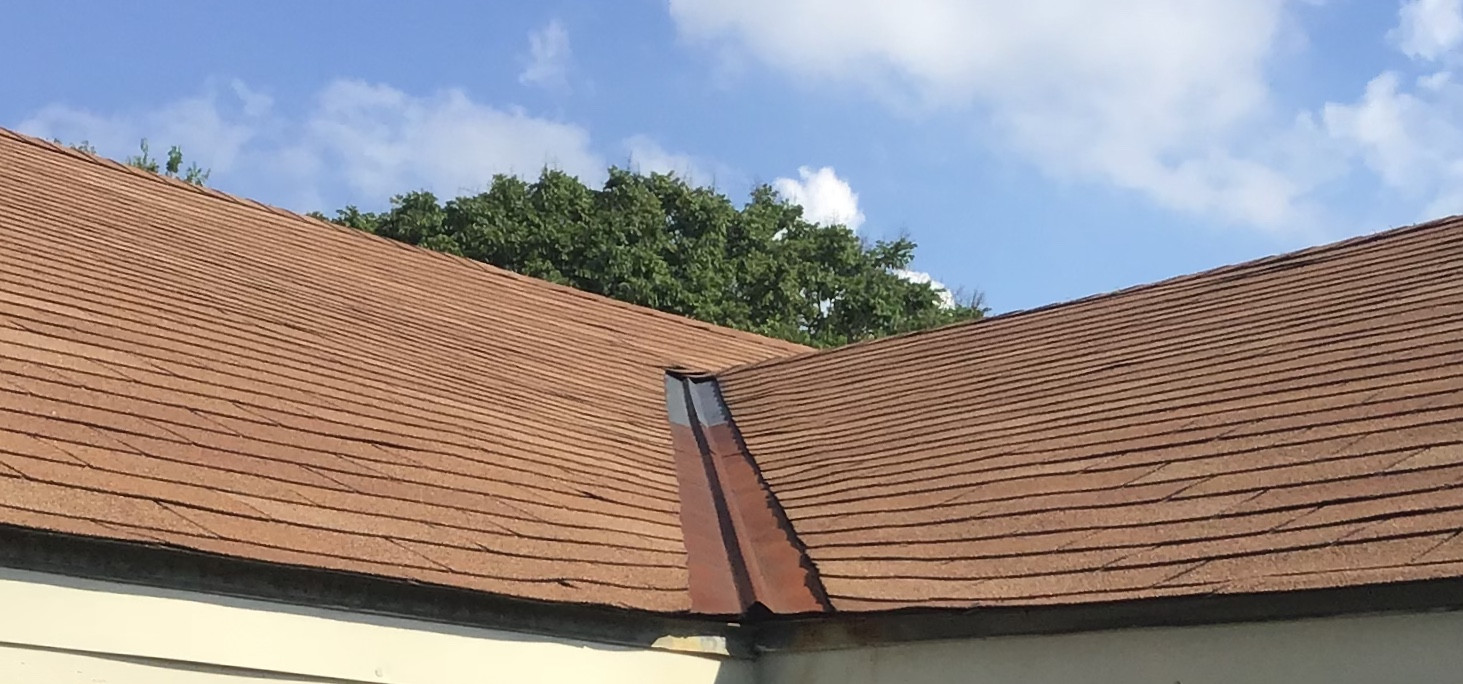
When improper flashing design is used on a roof, even the highest-quality asphalt shingle, clay tile or metal roof materials can’t save the system from failure. Flashing is an essential part of roof assembly because it directs water away from critical vulnerabilities like chimneys, valleys and walls. Poor flashing design turns these protective details into leak highways that can quickly cause rot, mold and structural problems that go far beyond the roof.
The flashing design isn’t where you want to take shortcuts, sacrifice quality or simply go with the least expensive material to save money. How the flashing is designed is going to have a direct effect on performance, maintenance and the need for repair in the near future.
Some of the most common problems with flashing design are:
- Insufficient Overlaps or Flashing Width: Flashing pieces that are not overlapped correctly (less than 4 inches) or too narrow fail to shed water outward, letting it wick behind the metal.
- Missing Kickout Flashing: A big mistake is having no kickout flashing where the sloped roof meets with the vertical surface of walls to direct water into gutters instead of down exterior walls where it pools around the foundation. The metal diverter is usually a code requirement.
- No Drip Edge Flashing at the Roof Edges: Metal drip edge flashing should be installed around the entire roof edge to direct water into the gutter system and away from the fascia. This helps prevent moisture from getting under the roofing shingles or metal panels, fascia and siding where it can cause significant water damage.
- Incorrect Step Flashing Sequence: Flashing installed under shingles only instead of over them or without proper shingle integration can create water dams instead of channels completely reversing the drainage plane.
- No Counterflashing or Apron Flashing Materials: Chimneys and vent pipes that lack dual-layer protection (base + counter) allow wind-driven rain to infiltrate mortar joints or gaps.