Common Roofing Issue: Roof Flashing Angled Incorrectly
Work With the Best Roofing Contractors in Central Texas

Quality is at the heart of our Austin roofing company in every project we take on. Contact our experienced Central Texas roofers for a same-day, pressure-free inspection. Call 512-375-3654 to book your free inspection.
If you need a new roof installed, LOA is the roofing company to call! Our roofing experts are known for providing quality workmanship at a fair price. If you own a house or business in Central Texas you can’t afford to work with another roofer.
Find out how much roof replacement will cost in Austin, Texas and the surrounding areas.
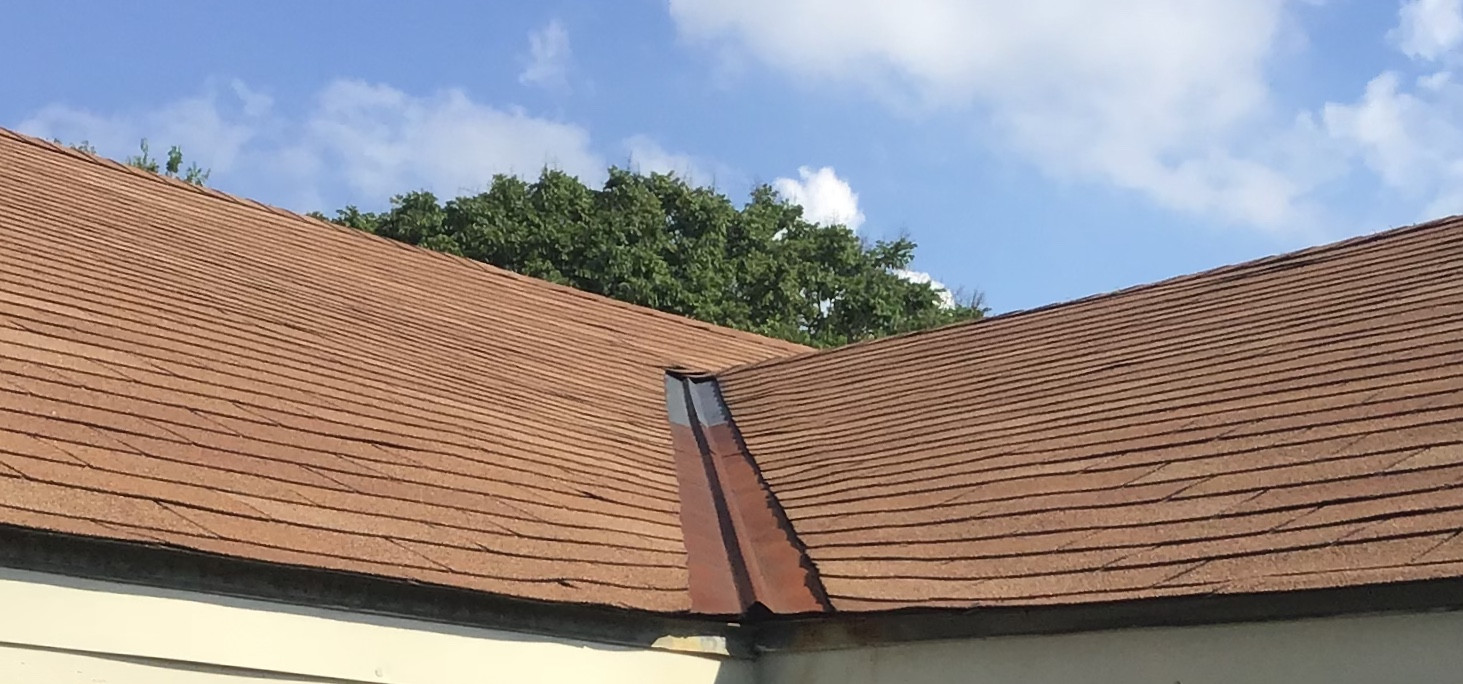
Causes and Solutions For Metal Roof Flashing That Isn’t at the Correct Angle
When roof flashing isn’t angled correctly, it stops working with gravity and starts working against you. Instead of moving water safely off the roof surface or into a gutter system, it lets water linger, run sideways or back up under the roofing materials.
Keep reading for a full explanation of why this happens, the damage that can occur and proper installation techniques for flashing that’s angled correctly.
Why Roof Flashing Failure Happens Without the Right Angle
Flashing is designed to do one simple job: collect water at vulnerable junctions and move it away quickly to prevent leaks. For that to happen, it must be shaped and angled to match the roof slope and adjoining surfaces.
When the flashing angle is wrong:
- Water can sit on the metal instead of draining off.
- The metal flashing may fight the surfaces it touches, springing away and creating gaps.
- Overlaps and laps may no longer direct water in the right direction.
In short, the correct angle is what allows flashing to shed water off the roof edge instead of trapping it.
What Causes Flashing to Be Angled Incorrectly
There are several common issues that lead to bad flashing angles:
Factory 90° and Real-World Roof Geometry Isn’t Exactly the Same
Standard L‑shaped flashing often comes bent at 90 degrees. But where the roof meets a vertical sidewall may need a more open or tighter angle to line up and create the proper slope. If the flashing isn’t adjusted, water may not run off as intended.
Improper Installation
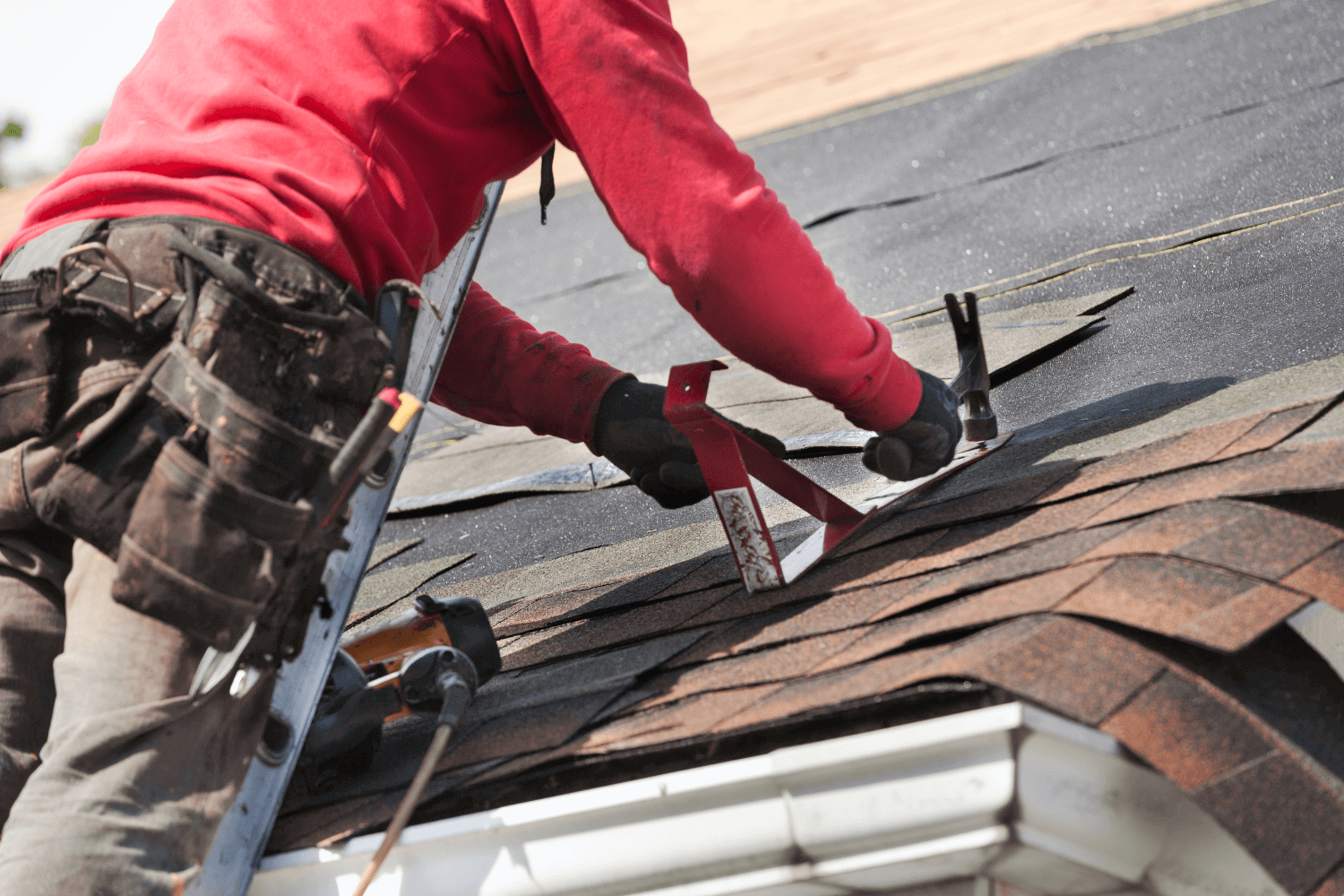
Flashing that’s bent on-site without a brake can end up kinked, inconsistent or over‑bent. When this happens it rocks or refuses to sit flat against the roof and wall.
Wrong Product for the Roof Pitch
Using a pipe boot or pan flashing that’s designed for a steep slope on a very low-slope roof (or vice versa) means the built‑in angles and flanges won’t match the actual roof.
Under‑ or Over‑Bending Step Flashing
Step flashing that’s not bent to match the angle where the roof meets a vertical surface can either pull away or create a gap that nails and sealant can’t reliably close.
Movement and Warping Over Time
Even if flashing was installed right, structural movement, thermal expansion, extreme weather conditions or warping that causes loose flashing can change the angle so water no longer drains correctly. It’s especially problematic on long runs of valley flashing and ridge flashing.