Ventilation Blockages: A Hidden Cause of Common Roof Issues
Work With the Best Roofing Contractors in Central Texas

5-Star Roofing Contractor
Quality is at the heart of our Austin roofing company in every project we take on. Contact our experienced Central Texas roofers for a same-day, pressure-free inspection. Call 512-375-3654 to book your free inspection.
If you need a new roof installed, LOA is the roofing company to call! Our roofing experts are known for providing quality workmanship at a fair price. If you own a house or business in Central Texas you can’t afford to work with another roofer.
Find out how much roof replacement will cost in Austin, Texas and the surrounding areas.
Ventilation Blockages: A Hidden Cause of Common Roof Issues
A properly functioning roof ventilation system is the unsung hero of a healthy and long-lasting roof, working tirelessly to regulate temperature and moisture levels within your attic. This crucial airflow helps prevent many issues compromising your home’s structural integrity and comfort. However, ventilation blockages, often out of sight and mind, can severely impede this essential process, leading to roofing problems.
Understanding the intricate causes and far-reaching consequences of blocked attic ventilation is not just important; it’s necessary for every homeowner seeking to protect their investment. Just as ensuring proper airflow helps prevent the destructive power of ice dams in colder climates, so does understanding the often-overlooked impact of overall ventilation on the entire roof system.
Schedule a Free Roof Inspection With the Expert Roofing Contractors at LOA
Consequences of Ventilation Blockages
Overheating Attic Spaces
When attic ventilation is obstructed, the heat from the sun beating down on your roof becomes trapped in the attic like an oven. During hot summer, attic internal temperatures can soar to over 150 degrees Fahrenheit. This intense heat can bake your asphalt shingles, causing them to deteriorate prematurely, leading to cracking, warping, and a significantly reduced roof’s lifespan. Furthermore, it stresses the roof sheathing, potentially causing warping or structural damage over time.
Breeding Ground for Mold and Decay
Poor ventilation disrupts the crucial process of expelling moisture from daily household activities and even seasonal humidity. This trapped warm, moist air rises into the cooler attic space, condensing on surfaces. Over time, this persistent moisture creates an ideal environment for the growth of mold and mildew. Mold can not only damage building materials, leading to wood rot and compromised structural integrity, but also pose significant health risks to your family. Moisture also severely diminishes the effectiveness of your attic insulation.
Exacerbating Ice Dam Formation
In regions where temperatures drop below freezing and snow is common, poor ventilation plays a significant role in forming destructive ice dams. A poorly ventilated attic allows heat to escape from the living spaces below into the attic, warming the underside of the roof and melting snow. This meltwater then flows down the roof until it reaches the colder roof’s edge, where it refreezes, forming an ice dam. This dam prevents subsequent meltwater from draining properly, leading to standing water on the roof and potentially causing a roof leak as water backs up under the shingles and damaged flashing.
Reduced Roof Lifespan
The cumulative impact of overheating and moisture buildup caused by ventilation blockages significantly shortens the lifespan of your entire roof system. The premature deterioration of shingles, warping of the roof deck, and rot of structural components all contribute to the need for costly and premature roof replacement. Investing in proper roof ventilation is an investment in the longevity of your roof.
Increased Cooling Costs
An overheated attic, a direct consequence of poor ventilation, forces your air conditioning system to work considerably harder, increasing cooling costs. Conversely, trapped moisture can saturate insulation in colder months, reducing its R-value and leading to increased heating costs. Proper roof ventilation helps regulate the internal temperature of the attic and maintain dry, adequate insulation, leading to significant energy savings over time.
Solutions for Ventilation Blockages
Physically Remove Obstructions
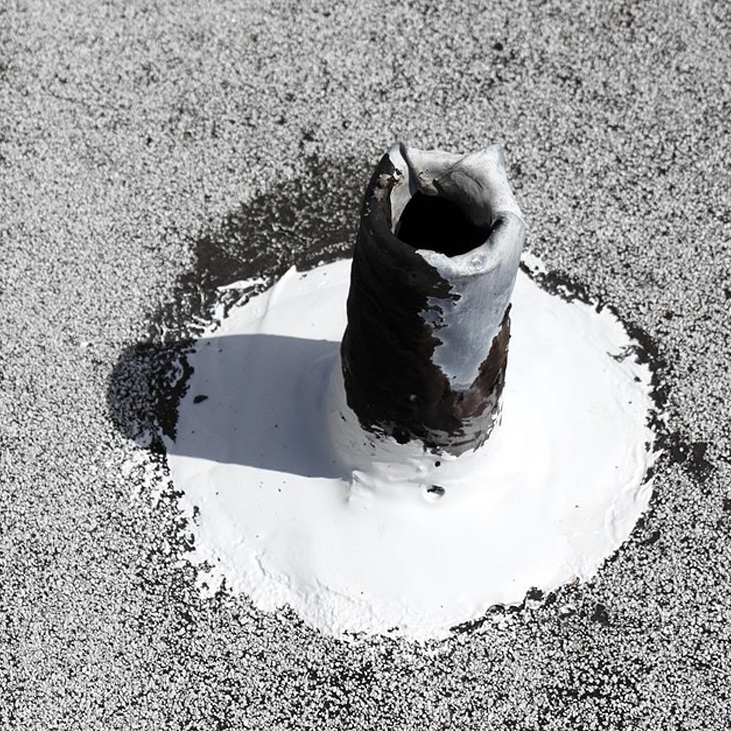
The first step in addressing a ventilation blockage is identifying and clearing any physical obstructions. This includes insulation that has shifted over soffit vents and leaves, dust, and animal nests that may be clogged in ridge vents, box vents, or gable vents. If insulation covers intake areas, carefully reposition it to maintain an open path for airflow. Using ventilation baffles can help preserve the airflow channel. Could you make sure the awkward areas sealed do not impede ventilation?
Roof Repair for Ventilation Issues
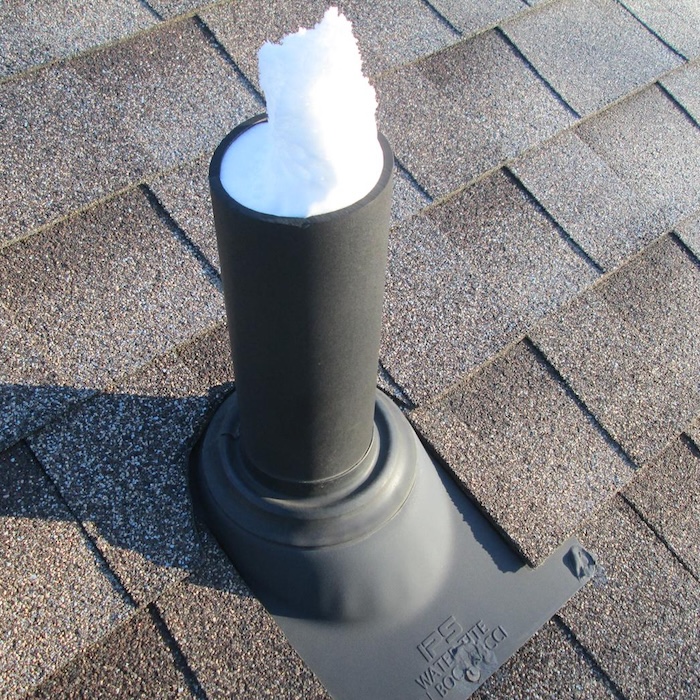
If the blockage is caused by damaged components such as broken vent covers, damaged flashing, or compromised shingles around vent openings, prompt roof repair is essential. These repairs restore airflow and prevent moisture or pests from entering exposed gaps. Repairing or replacing these components resolves the immediate issue and helps protect the roof system from future stress and deterioration. Addressing a roof leak promptly can also prevent ventilation issues from worsening.
Schedule a Professional Inspection
In cases where the blockage is widespread, persistent, or difficult to access, it is advisable to consult a qualified roofing contractor. A professional can comprehensively inspect both intake and exhaust systems, identify hidden blockages, and evaluate whether your existing roof ventilation system is adequately balanced. They can also recommend long-term upgrades if your current setup is underperforming or flawed in design. Professional assessments help homeowners avoid trial-and-error fixes and ensure the issue is resolved correctly the first time, preventing expensive repairs and further damage. For flat roofs, ventilation solutions may differ, requiring specialized knowledge.
Call LOA Construction at 855-661-3431 to schedule your free inspection today!