Shingle Curling or Cupping: Identifying the Most Common Roof Issues
Home Austin Shingle Curling or Cupping: Identifying the Most Common Roof Issues
Work With the Best Roofing Contractors in Central Texas

Quality is at the heart of our Austin roofing company in every project we take on. Contact our experienced Central Texas roofers for a same-day, pressure-free inspection. Call 512-375-3654 to book your free inspection.
If you need a new roof installed, LOA is the roofing company to call! Our roofing experts are known for providing quality workmanship at a fair price. If you own a house or business in Central Texas you can’t afford to work with another roofer.
Find out how much roof replacement will cost in Austin, Texas and the surrounding areas.
Identifying the Most Common Roof Issues
Protecting your home’s roof is essential, as it does the heavy lifting. Homeowner can be worried if their asphalt shingles start curling or cupping. Firstly, this issue may seem small, but after some time, it can cause severe damage, leaks, and even structural problems if left untreated. Let’s understand why curling shingles are a clear sign of roofing problems, how they can damage your entire roof, what steps you can take to prevent further damage and expensive repairs.
What Are Curling Shingles?
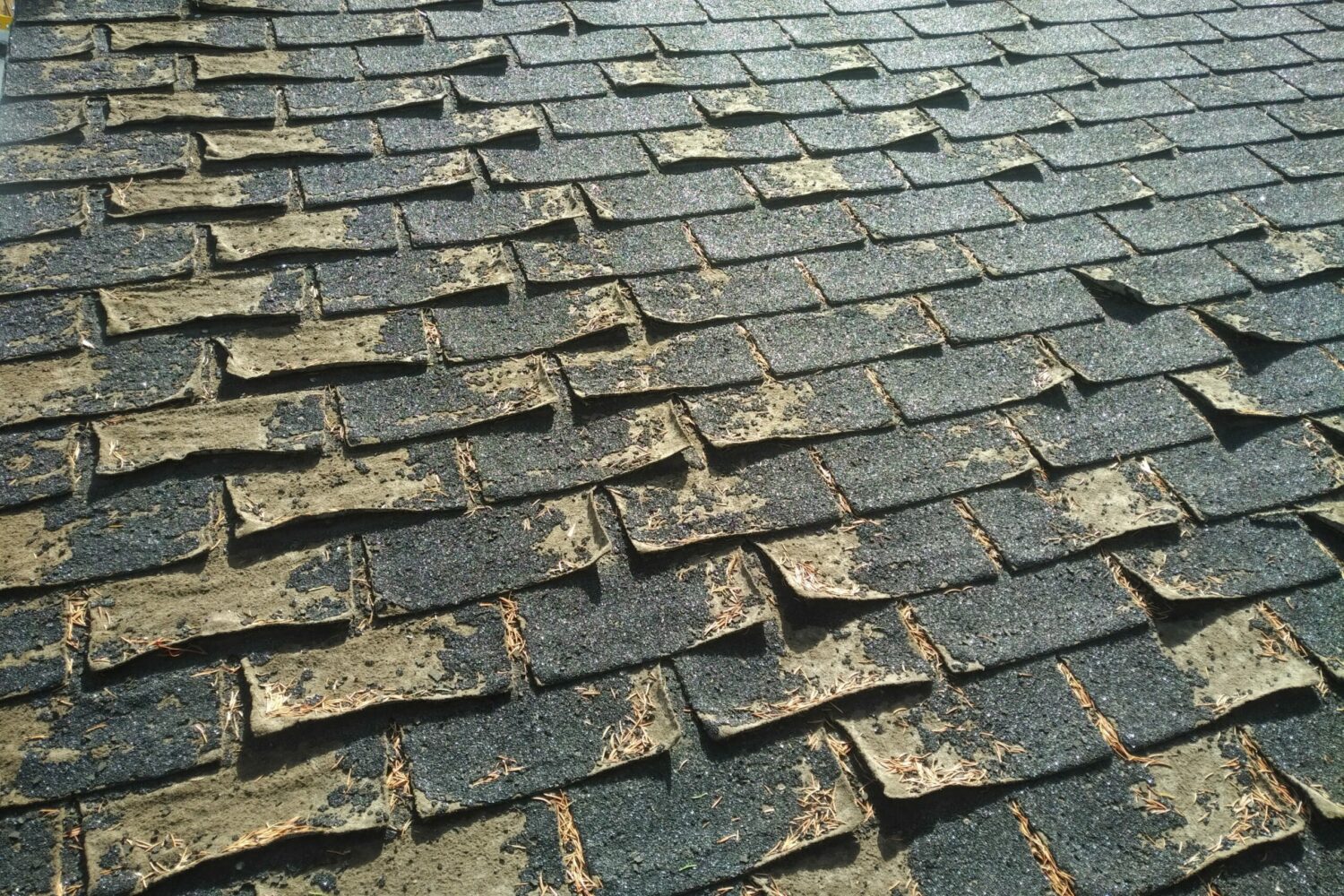
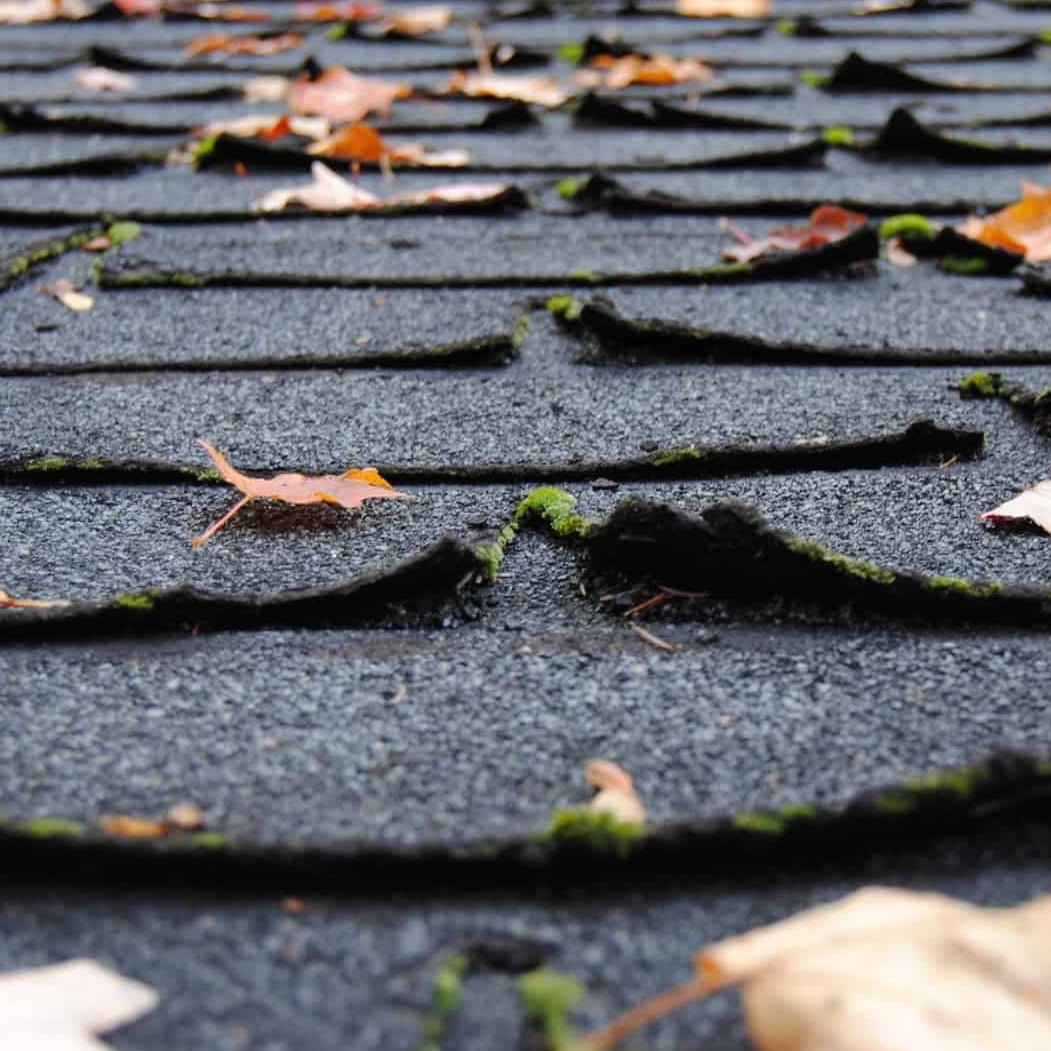
Curling shingles refer to shingles that are essential in lifting the roof at the edges (curling) or in the center (cupping). Homeowners often see asphalt shingles aging. Well, this is not about aging, it’s about deformation that can weaken the roof’s ability, leading to roof leaks, moisture, buildup, and ultimately structural damage.
Schedule a Free Roof Inspection With the Expert Roofing Contractors at LOA
Why Curling Shingles Are a Serious Concern
Curling shingles are an essential consideration for homeowners. If left untreated, this problem can cause severe roof damage. Over time, your roof’s shingles will start to curl, making it vulnerable to future roof leaks or even more damage.
Here are some serious consequences:
- Roof Leak: Water can easily pass through the curled shingles, leading to a leaking roof.
- Water Damage: Your roof can accumulate moisture that passes through your attic, leading to mold and rot.
- Structural Damage: If your roof is experiencing direct water, this can reduce the lifespan of the ceilings and beams.
- Insulation Issues: Curling shingles can cause severe insulation issues, meaning your roof does not bear direct heat or cool air.
- Safety Issues: If you do not perform repairs over time, you may experience curling shingles that create safety issues.
How to Spot Curling Shingles Early
Homeowners can easily prevent curling shingles if they perform regular roof inspections. If they don’t clean themselves, they can get a comprehensive inspection from experienced professionals who can spot curling shingles before causing further damage. Fortunately, there are signs to identify curling shingles, including cupped edges on shingles, cracks in roofing material, water stains in your attic, and standing water near gutters.
When to Consider Roof Repair or Roof Replacement
f curling shingles are high on the roof, repair might not be the perfect choice. Instead, you need to replace the roof with a cost-effective option. Homeowners must perform replacement if the roof is 15-20 years old or older, has high curling, structural damage, or recurring roof leaks. Fortunately, a new roof gives you the perfect look and saves money by not requiring repeated repairs.
The Real Cost of Ignoring Curling Shingles
If you ignore curling shingles, which can save you more money later on, you will experience serious water damage and structural damage that will cost you a lot. Therefore, you should invest in properly maintained roofs. And regular inspections can extend your roof’s lifespan.
Fixing Curling Shingles the Right Way
Curling shingles must be addressed properly and never ignored. This issue is caused by improper installation, poor ventilation, moisture, or normal wear. If left untreated, it can easily damage your entire roof, leading to mold, structural issues, and leaks.
Therefore, you should perform regular roof inspection, clean gutters properly, check your attic for water stains, replace damaged shingles, and get an expert roofing company.
The Importance of Choosing a Reputable Roofing Company
Choosing a professional roofing contractor can be challenging, whether for roof inspections, resolving leaking roofs, or roof replacement. It is recommended to consider the one that provides comprehensive inspections, maintains good ratings, and offers warranties on roofing repair.
If you require asphalt roof repair experts in Austin, we are trained in repairing and restoring asphalt roof systems. We can also provide routine inspections to ensure your roof is working well. If you need help with your asphalt roof repair, don’t hesitate to contact LOA Construction at +1 (512) 375-3654.
Call LOA Construction at 855-661-3431 to schedule your free inspection today!