Common Roof Issues: Roofing Material Compatibility
Work With the Best Roofing Contractors in Central Texas
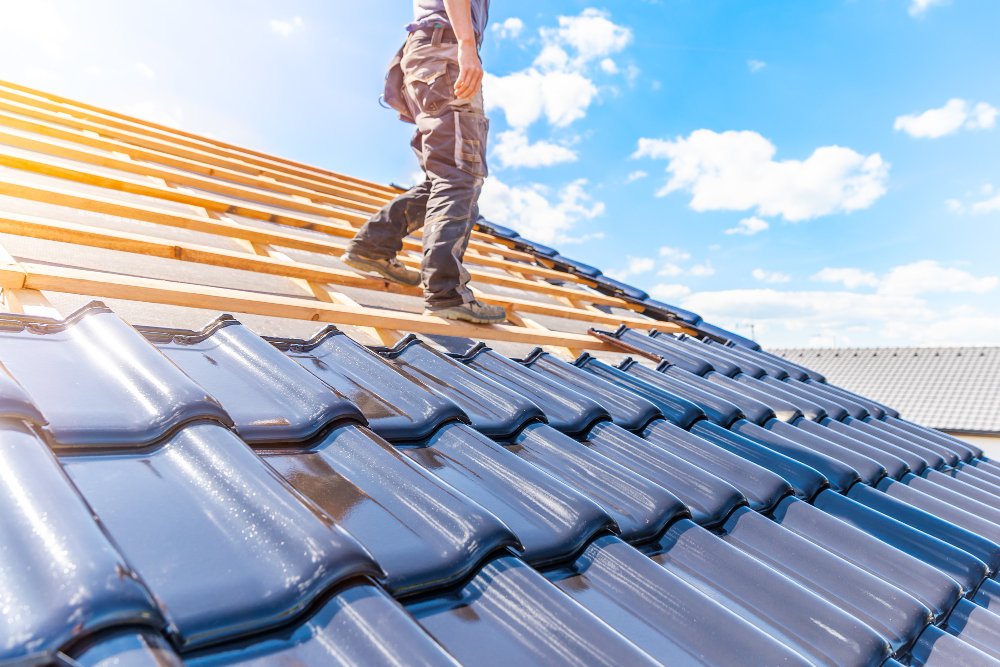

Quality is at the heart of our Austin roofing company in every project we take on. Contact our experienced Central Texas roofers for a same-day, pressure-free inspection. Call 512-375-3654 to book your free inspection.
If you need a new roof installed, LOA is the roofing company to call! Our roofing experts are known for providing quality workmanship at a fair price. If you own a house or business in Central Texas you can’t afford to work with another roofer.
Find out how much roof replacement will cost in Austin, Texas and the surrounding areas.
Roofing Material Compatibility
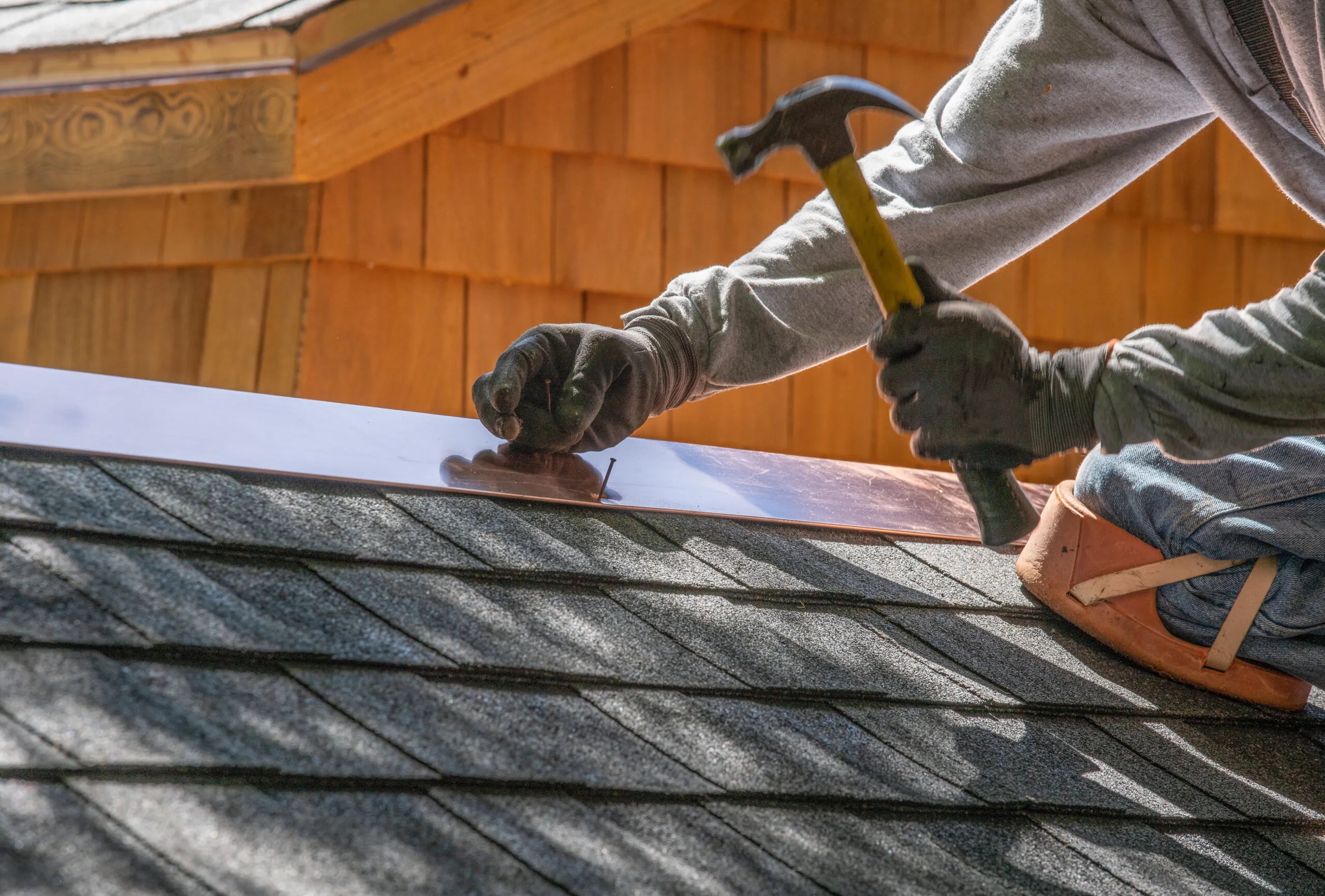
When it comes to roofing, material compatibility matters more than most homeowners realize. Choosing the right roofing materials is more than aesthetics or cost—it’s about making sure everything on your roof works in harmony to provide the best protection possible. At LOA Roofing & Construction, we’ve seen everything from stunning but mismatched materials that led to costly leaks, to roofs that failed prematurely because the products used weren’t meant to work together. Let’s dive into the typical roof issues that arise from poor material compatibility and how to avoid them.
Call LOA Construction at 855-661-3431 to schedule your free inspection today!
Before we look at specific problems, it’s important to define what we mean by roofing material compatibility. Simply put, it’s about ensuring that all the components on your roof, from shingles to underlayment to flashing, are designed to work together seamlessly. Compatibility impacts everything from performance to warranties to the overall durability of your roofing project.
Using incompatible materials often leads to:
- Premature aging and degradation
- Water infiltration and mold
- Structural stress or sagging
- Increased maintenance and repair costs
- Voided manufacturer warranties
Your roof isn’t just a surface—it’s a system. Every layer plays a role in durability and weather resistance.
A roof isn’t just one thing, it’s a system. And every part of that system needs to be chosen with care. From underlayment to shingles, solar panels, flashing and ridge vents, compatibility is key to longevity and performance. When each component complements the next, your roof can handle everything from heavy winds to hail storms to scorching UV rays.
Flat and Low-Slope Roofs
Built-up roofing is a common system for flat roofs. While effective, it must be installed in layers with compatible adhesives and insulations. Adding green roof elements or solar panels can introduce extra weight and moisture. Without careful planning, the layers may fail.
Living roofs are eco-friendly and great for energy efficiency. But they come with their own set of needs. These roofs require specific waterproof membranes, drainage systems, and soil barriers. If paired with incompatible underlayments, the entire roof system can become waterlogged and fail.
Used mostly on low sloped roofs, membrane roofing provides excellent waterproofing. However, it’s highly sensitive to incompatible adhesives, fasteners, and top layers like solar panels or recycled materials. A single misstep in the pairing process can compromise the seal.
Rolled roofing is an economical option, often used for sheds or temporary structures. But mixing it with more expensive roofing materials isn’t a good idea. It has a short life expectancy and lower resistance to UV rays and strong winds. Pairing it with higher-end materials can lead to uneven wear and curb appeal issues.
Specialized Roofing Considerations
Architectural shingles offer depth, style, and added durability. However, they require enhanced ventilation and a high-quality underlayment. If incompatible ridge vents or flashing are used, the result may be moisture buildup or even ice damming in colder climates.
Recycled plastic and other materials are gaining popularity for their sustainability. But these materials often behave differently under heat or moisture. Mixing them with traditional shingles can lead to cracking, shifting, or separation. Compatibility testing is crucial before installation.
Solar panels can be installed on most roofs, but they must be mounted correctly. Installing panels on slate tiles or natural wood without proper adjustments can puncture the roof surface or compromise water protection. Always work with a roofing company that understands solar integration.
Combining materials with different fire resistance ratings can be dangerous. For example, pairing fire-resistant concrete tiles with flammable natural wood underlayments creates a fire hazard. Uniform fire resistance across all layers ensures safety.
Not all roofing materials are equally energy efficient. Green roof systems paired with reflective metal roofs might create thermal imbalances if not properly designed. Proper insulation, material pairing, and installation are vital to achieving true energy efficiency.
Installation and Maintenance Matters
Incompatible roofing materials often demand more maintenance. Mismatched thermal expansion, drainage capacity, or adhesive strength may require constant upkeep. Compatible materials reduce the need for regular maintenance.
Metal roofs and synthetic slate are known for being low maintenance. But if paired with more maintenance-prone options like natural wood or asphalt, overall upkeep increases. It’s best to match low maintenance materials with others that require similar attention.
Mixing expensive roofing materials with cheaper ones might seem cost-effective initially, but the long-term repair costs and performance issues can outweigh the savings. Always consider total lifecycle costs when selecting materials.
Roof Replacement Planning
When replacing your roof, using compatible roofing materials across the entire system is crucial. It ensures:
- Stronger performance
- Longer lifespan
- Better energy efficiency
- Full manufacturer warranty coverage
Many manufacturers offer limited warranties that are voided when incompatible materials are used together. Choosing a full system from the same brand or verified compatible materials ensures coverage and peace of mind.
Roofing Company Expertise Matters
Working with an experienced company like LOA Roofing & Construction ensures that material compatibility is considered from day one. Our team understands how each component affects the whole.
What Is Considered Good Roofing Material?
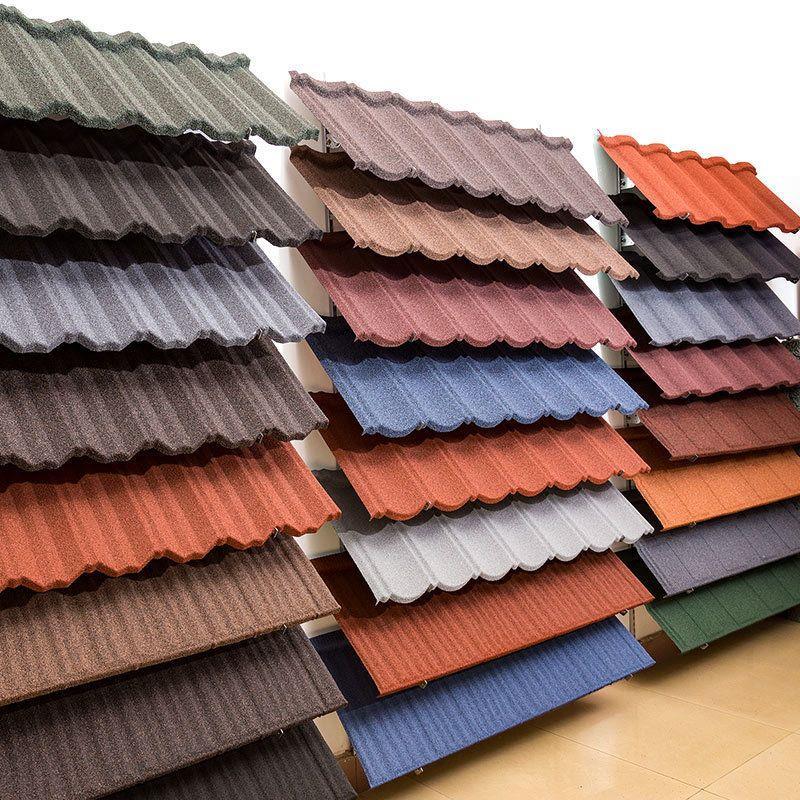
A good roofing material option isn’t just durable—it also needs to work well with other elements in your roofing system. We’ll help you choose materials that not only last, but also complement each other beautifully.
Choosing New Materials Wisely
New materials enter the market regularly, each with its own benefits. But newer isn’t always better if it doesn’t play nicely with existing systems. We’ll help you evaluate your options.
Avoiding Common Roofing Material Mistakes
We’ve seen the mistakes—installing slate on a roof that can’t handle the weight, combining clay with recycled plastic or using adhesives that weaken over time. With us, those mistakes don’t happen.
Curb Appeal vs. Compatibility
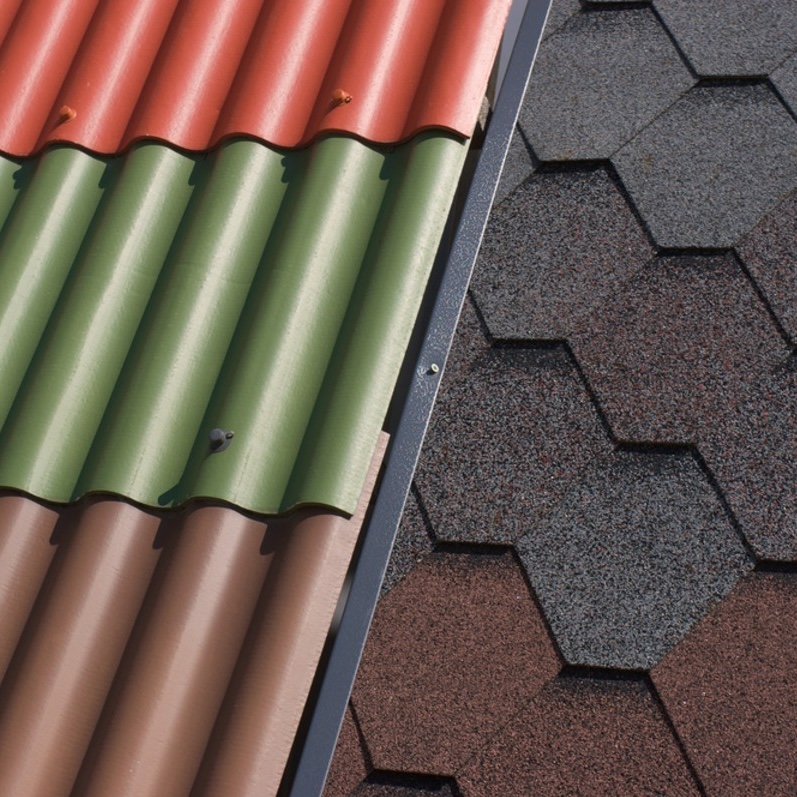
That unique combo of shingles and tiles might look incredible, but it could cause major compatibility issues. Let us help you find a blend that delivers both visual appeal and lasting performance.
Cost per square foot is important, but so is long-term value. Sometimes it’s smarter to spend more on compatible, higher-quality materials to avoid future issues and save money over the years.
Working With the Right Pros to Build a Roof That Lasts
We pride ourselves on being more than just a roofing company—we’re your trusted partners. From selecting popular roofing materials to planning your roof replacement, we’ve got your back.
Your roof isn’t just a collection of products, but your home’s first line of defense. Choosing compatible materials ensures your roof performs its best, lasts longer and saves you money in the long run. Let’s help you build a roof that stands the test of time.
If you’re planning a new roofing project or roof replacement, we’ll make sure everything works together from day one. Give us a call at LOA Roofing & Construction, and let’s talk about creating a truly compatible roofing system.