How Roof Overhangs Prevent Common Roofing Issues and Boost Efficiency
Work With the Best Roofing Contractors in Central Texas

Roof Overhangs & Common Roofing Issues
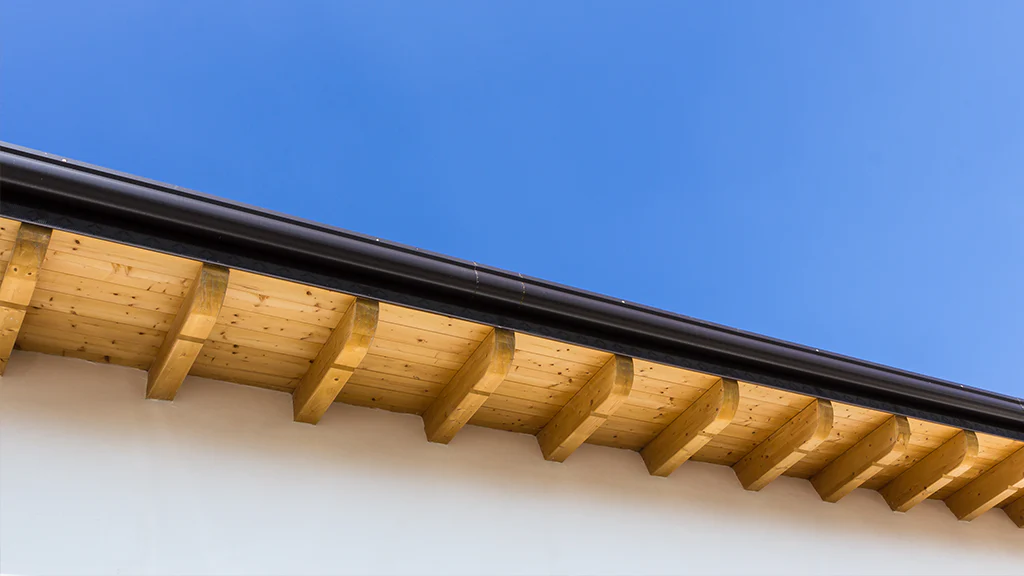
A well-designed roof protects a home from the elements and enhances visual appeal, energy efficiency, and structural integrity. The roof overhang, often overlooked, plays a crucial role in managing sun exposure, directing water away from walls, and keeping indoor spaces cooler. Homeowners usually face leaks, damaged shingles, and poor ventilation, many of which stem from the roof’s edge, especially when considering the various types of roof overhangs.
Whether planning a new roof installation or evaluating your current setup, understanding the role of overhangs can help prevent costly problems. At LOA Construction, quality roofing begins with innovative design and proper execution to improve energy efficiency.
Schedule a Free Roof Inspection With the Expert Roofing Contractors at LOA
What is a Roof Overhang?
A roof overhang extends beyond a building’s walls, serving as an essential architectural feature that provides protection and aesthetic value. It shields the exterior from rain, snow, and sunlight, preserving structural integrity.
Key Components
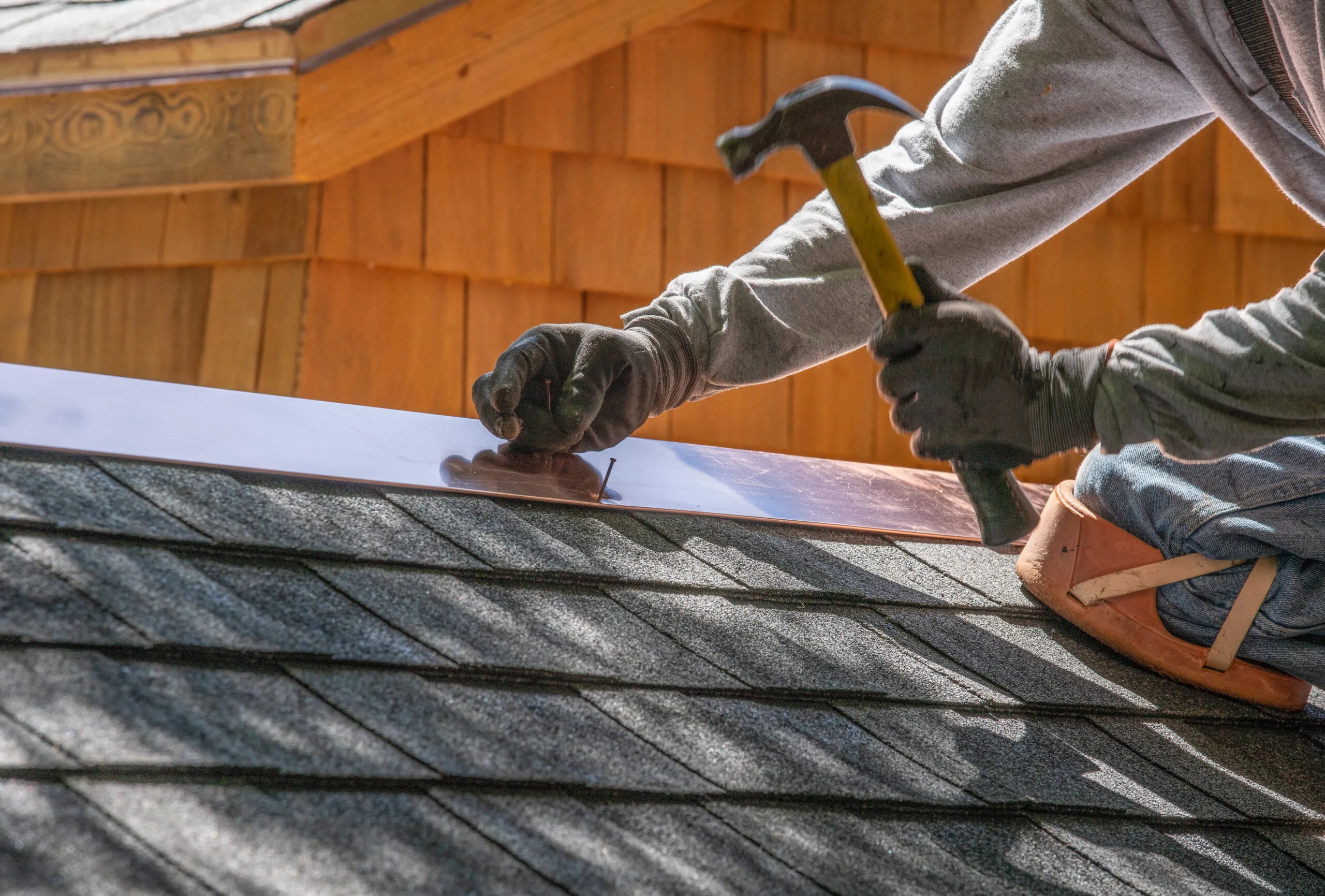
Drip Edge
- It is a crucial component of roof overhangs, positioned along the roof’s edge.
- It directs water away from the roof and walls, preventing moisture buildup and water damage.
- A well-installed drip edge helps maintain the integrity of the home’s exterior, safeguarding the foundation and preventing potential ice dams or clogged gutters that could disrupt proper water flow.
Gable Roof Overhangs Explained
A gable roof overhang is a key feature in protecting gable ends from wind, rain, and sun. It diverts water from the walls, avoiding moisture accumulation and structural deterioration while shading windows for better energy conservation. Poorly designed overhangs can lead to back-to-back roof issues like roof leaks, particularly in areas with heavy rain or strong winds.
The Role of Soffits and Fascia
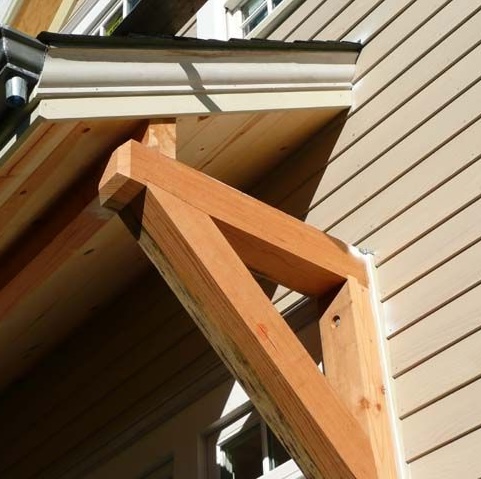
Soffits and fascia are key components of a roof overhang. The eave board supports the shingles and protects against the elements, while the soffit, often vented, allows attic airflow. Soffit vents prevent water buildup, improve ventilation, and help reduce air conditioning costs. Together, they protect against water damage and mold, boosting the roof’s durability.
Lower and Upper Slope Functions
The lower slope (3–7 inches) directs water to the gutters, preventing pooling and leaks, while the upper slope (2–4 inches) ensures roof stability and proper water flow. These slopes, especially in hip roofs or gable roof overhangs, protect against ice dams and wind-driven rain, reducing roofing issues and water buildup.
Shed and Flat Roof Overhangs
Shed roofs, overhangs, and flat roof extensions are common in modern and industrial architecture. These types of overhangs are designed to provide functional benefits, especially in areas with varying climates.
Shed Roof Overhangs
Shed roofs, with their single-pitched slope, often incorporate overhangs that help manage water runoff while offering a clean, minimalist design. These overhangs are particularly effective for homes with outdoor spaces and are a popular choice for small structures or additions.
Flat Roof Overhangs
Flat roofs need well-designed overhangs to divert water and prevent pooling. Low-pitched overhangs provide shade, reduce heat exposure, and help control cooling costs. They also minimize moisture buildup and lower the risk of blocked gutters and related issues.
Preventing Moisture and Mold with Overhangs
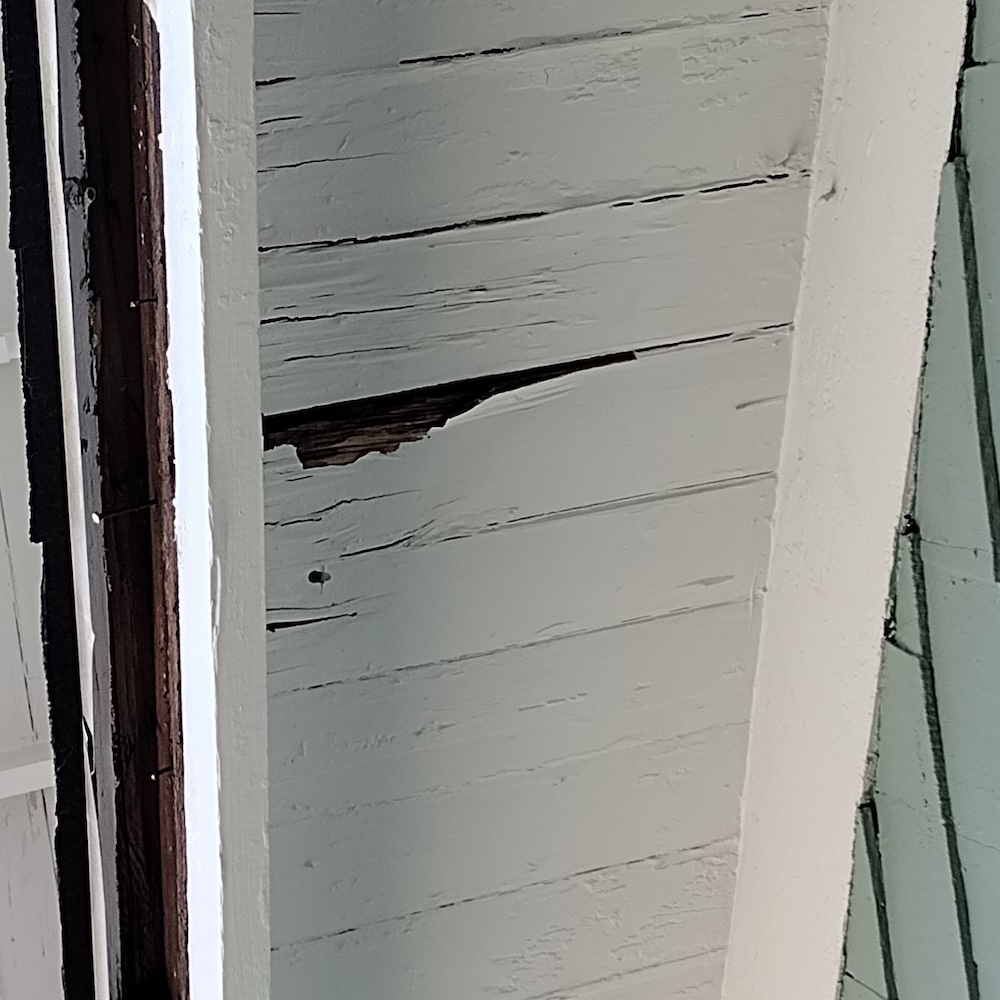
One key benefit of roof overhangs is their ability to protect your home from moisture buildup, which can lead to mold growth and structural deterioration. The extended roof edge helps direct rainwater away from walls and windows, preventing it from seeping into the foundation.
Properly designed overhangs also reduce the chances of blocked gutters, which can cause water to back up and damage the roof. By keeping your roof well-maintained and ensuring the overhang is functioning correctly, you can avoid the costly consequences of water buildup and the need for extensive repairs.
Proper Installation Matters
A well-designed roof overhang is crucial for potential roof repair if you want to enhance your home’s energy efficiency, protect against frequent roofing issues, or simply improve visual appeal.
At LOA Construction, our expert team is ready to help you choose the proper overhang for your roof type and ensure it’s appropriately installed for maximum durability and protection.
Call LOA Construction at 855-661-3431 to schedule your free inspection today!
Protect your home. Preserve your investment. Trust LOA to get the job done right.