Common Roof Issues: Improper Roof Slope Design
Work With the Best Roofing Contractors in Central Texas

Quality is at the heart of our Austin roofing company in every project we take on. Contact our experienced Central Texas roofers for a same-day, pressure-free inspection. Call 512-375-3654 to book your free inspection.
If you need a new roof installed, LOA is the roofing company to call! Our roofing experts are known for providing quality workmanship at a fair price. If you own a house or business in Central Texas you can’t afford to work with another roofer.
Find out how much roof replacement will cost in Austin, Texas and the surrounding areas.
Improper Roof Slope Design
One of the most typical roof issues we see in both homes and commercial buildings is improper roof slope design. The slope or pitch of a roof plays a significant role in how well it handles water, snow and wind. If the slope isn’t right, it can lead to costly repairs, structural problems, and a shorter lifespan for roofing materials. A roof is more than just a cover, it’s a system. That system starts with slope.
Call LOA Construction at 855-661-3431 to schedule your free inspection today!
The roof slope is the steepness of your roof, measured as the vertical rise over the horizontal run (from the center of the roof to the gutter line). For instance, a roof with a 4:12 pitch rises 4 inches for every 12 inches it spans horizontally. That slope ratio helps us choose the best roofing materials and ensures your roof can effectively shed water and snow.
We also use the term roof pitch, often expressed as a fraction—like 6/12 or 8/12—which:
- Measures the steepness
- Guides roofing design and installation
- Ensures proper load management and waterproofing
The roof pitch is the starting point for a successful roofing project.
By the Numbers
How We Calculate Roof Pitch
Want to know the pitch of your roof? All you need is a tape measure, a level, and a little math—or we can take care of it for you using a roof pitch calculator. Note: If you’re a DIY-minded homeowner, roof pitch calculators can help, but we’re always happy to double-check your math and give you professional advice based on experience and local code. Online calculators are helpful, but they don’t replace expertise.
We always double-check our measurements when we calculate the pitch of your roof to ensure the proper slope for your specific needs. This helps us avoid guesswork and ensures a longer-lasting roof.
Minimum Roof Pitch: What the Numbers Mean
Every roofing material comes with a minimum roof pitch requirement. For example, asphalt shingles typically require at least a 2:12 pitch. Metal roofing and concrete roof tiles may vary based on manufacturer guidelines. We always follow those specs to ensure long-term performance. Using a material outside its recommended slope range can eventually lead to faster wear and water intrusion.
Ignoring minimum roof pitch requirements can also lead to voided warranties, especially with specialty products like slate or synthetic roofing materials. We make sure everything is done to code and to spec.
Choosing Roofing Materials That Match Your Slope
We help you select roofing materials that are compatible with your slope. Clay tiles and wood shingles work best on steeper pitches, while low slope roofs often require membrane systems. We’ll make sure your roofing materials match the pitch for the best performance and longest lifespan. Choosing the right combo from the start makes all the difference.
If your roof slope doesn’t match the material, it can cut the lifespan of your system in half. For example, asphalt shingles on a shallow roof pitch may allow water to seep through, so we make sure your pitch supports your chosen materials. Every detail matters for long-term protection.
Matching slope to material isn’t just about function—it’s also about visual appeal. We’ll help you pick a solution that performs well and complements your building’s look.
Roof Pitch and Energy Efficiency
Slope affects attic airflow. If your roof is too flat or steep, it might trap heat and force your HVAC system to work harder. That’s why we design with both structure and energy efficiency in mind. A well-ventilated attic can reduce energy bills and increase comfort year-round.
Proper roof pitch design also plays a role in solar panel placement, skylight performance and ventilation effectiveness. It all adds up.
Common Roof Pitch Scenarios
Most commercial roofs have a low slope, which makes them more vulnerable to drainage problems. Our team knows how to spot the early signs of trouble and keep your system performing. The right commercial roof pitch can prevent future operational headaches.
Most homes have a roof pitch between 4:12 and 9:12. This gives good runoff and supports a variety of materials. We’re happy to take a look if you’re unsure where yours falls. Understanding your roof’s design helps plan for the future.
Many neighborhoods also have style preferences or HOA regulations around pitch, which is another reason it’s important to plan accordingly.
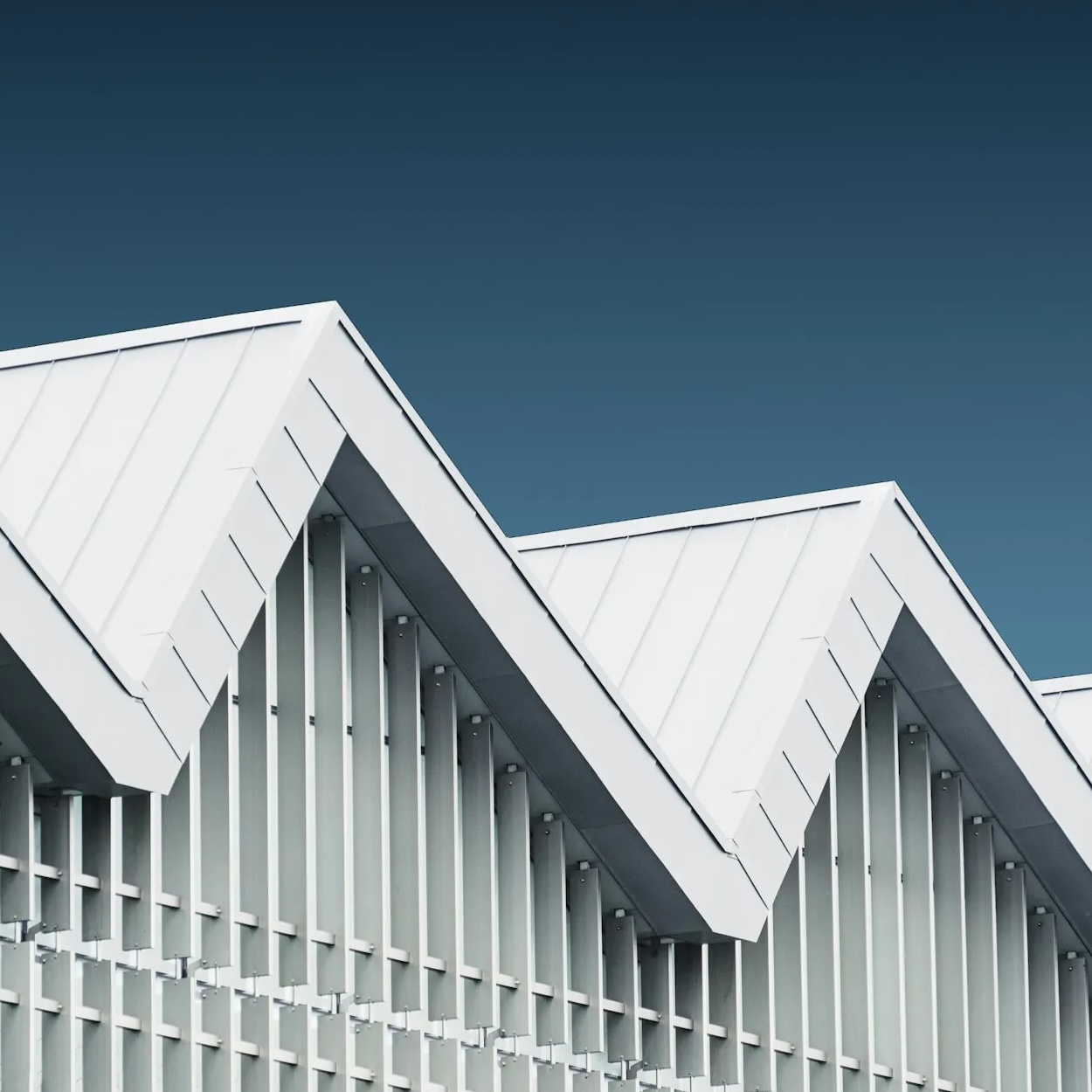
Pitched roof types, like gable roofs, are great for shedding water and snow. In areas with heavy snowfall, we often recommend steeper roof pitches to reduce the risk of collapse and ensure long-term strength. Low pitch roofs hang onto snow, which can lead to dangerous ice dams. In colder climates, we design roofs with slopes steep enough to shed snow efficiently and avoid water backup.
Rafter Length and Installation Costs
Steeper roof pitches require longer rafters and more materials, which can increase upfront costs. But those costs often pay off in better drainage and longer roof life. We help you weigh the options. A higher-pitched roof might require more time and labor, but it also reduces maintenance needs over time.
During planning, we provide detailed cost comparisons so you can make an informed decision based on both budget and long-term value.
Beyond looking at the slope, we evaluate insulation, ventilation, drainage and structural load. It’s all part of designing a roofing system that performs for years to come. A properly sloped roof functions in harmony with the rest of your home’s systems.
Picking the Right Roofing Contractor (Hint: That’s Us)
When you choose LOA Roofing & Construction, you’re hiring a professional roofing contractor who understands slope inside and out. We’ll measure, calculate and construct to spec, avoiding problems and protecting your investment. We bring decades of hands-on experience and technical knowledge to every job site.
Our team doesn’t cut corners. We document every step of the process and communicate openly, so you always know what’s going on with your project.
When the roof pitch is wrong, materials wear out faster. Water pools, snow piles up and wind damage increases. Getting it right the first time can add years to your roof’s life. Whether you’re dealing with minor wear or major deterioration, the root cause often comes down to slope.
We’ve helped hundreds of homeowners and property managers avoid early replacement by adjusting slope issues before they become catastrophic.
Spotting and Fixing Slope Issues
How to Spot Slope-Related Issues
Watch for these signs of slope-related roof problems:
- Ponding water
- Sagging areas
- Water stains on ceilings
- Frequent leaks after storms
- High attic humidity
- Uneven wear on roofing materials
We offer thorough inspections and look out for these warning signs to tell us where to take a closer look. It might not be the material that’s failed, but rather the slope beneath it.
Can You Fix a Bad Slope?
Yes, in some cases, we can add a new roof layer to improve roof pitch. In other cases, a complete redesign is best. We’ll walk you through your options and find the proper fix.
Ready for an Inspection or Quote?
Improper roof slope design might not be obvious right away, but over time, it can cause serious problems. Whether you’re planning a new build, replacing an old roof or just want peace of mind, LOA Roofing & Construction is here to help. Contact our experienced team today for a thorough inspection or a custom roof consultation!
Special Considerations for Roof Types
Metal Roofs and Slope Flexibility
Metal roofs are great for many slopes, but even they need a minimum roof pitch. We follow the manufacturer’s guidelines to ensure proper drainage and lasting performance.
Why Maintenance Is Non-Negotiable
Routine roof maintenance helps catch slope-related problems early. We offer affordable inspection and other services to keep your roof in top shape. Regular checkups let us spot subtle changes before they become big, expensive issues.
What About Shed Roofs?
Shed roofs are simple in design but still require precise slope calculation to function properly. With LOA Roofing & Construction, your addition will be built to last. We make sure water flows away from your home, not toward it, and that the framing can handle the chosen materials.
Whether you’re building a garden shed, studio or garage, we’ll calculate the right roof pitch based on size, materials and your regional weather patterns.