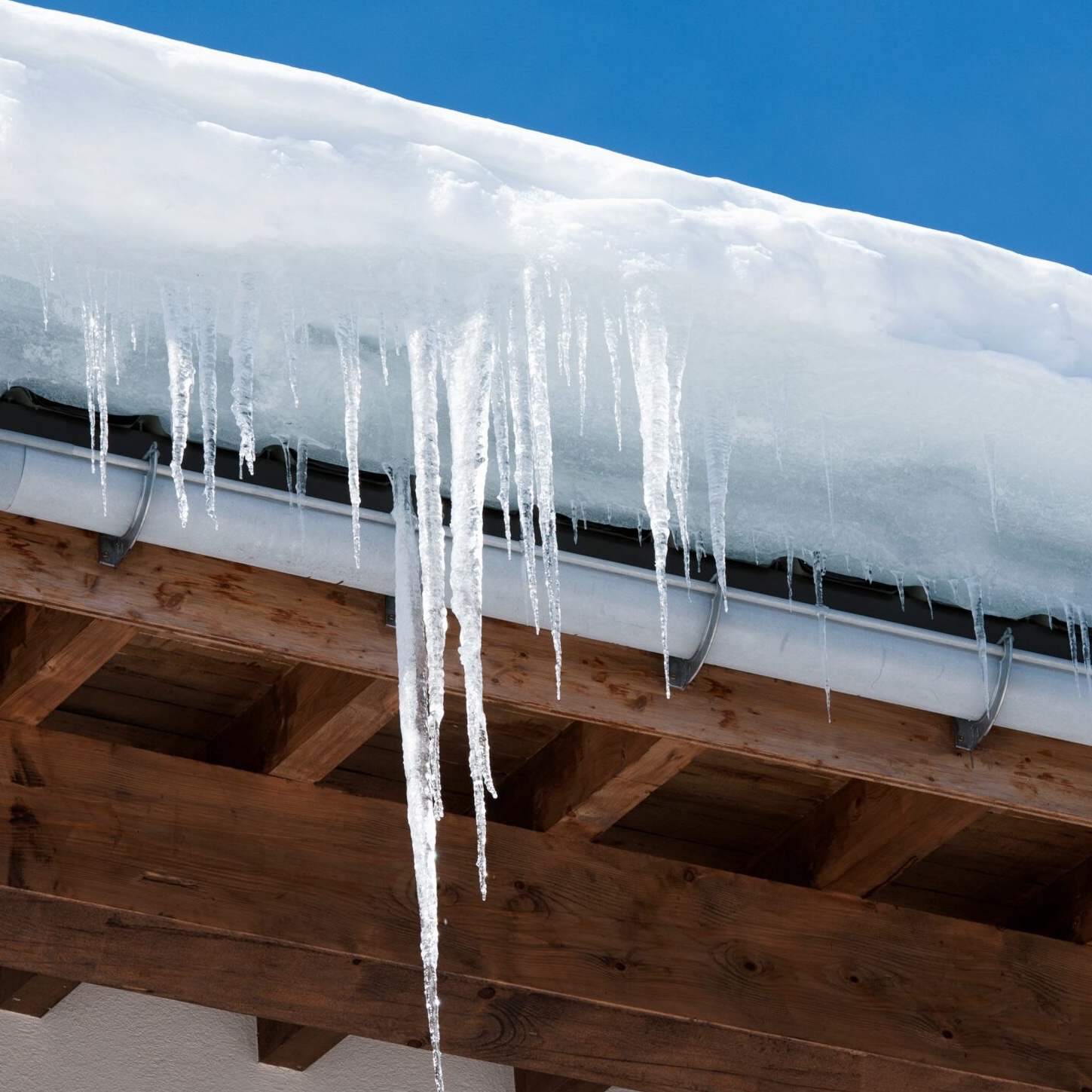
Roof Ice Dams
Work With the Best Roofing Contractors in Central Texas

Quality is at the heart of our Austin roofing company in every project we take on. Contact our experienced Central Texas roofers for a same-day, pressure-free inspection. Call 512-375-3654 to book your free inspection.
If you need a new roof installed, LOA is the roofing company to call! Our roofing experts are known for providing quality workmanship at a fair price. If you own a house or business in Central Texas you can’t afford to work with another roofer.
Find out how much roof replacement will cost in Austin, Texas and the surrounding areas.
What to Do About Ice Dams and Preventing Ice Dam Formation in Texas
Texas is known for the summer heat, but that doesn’t mean ice dam formation on a roof isn’t possible in the winter. The Lone Star State has had some notable snow storms in recent years that left some roofs needing repairs.
Many Texas property owners are completely unaware an ice dam forming is even a possibility. They are taken off guard when it happens and don’t realize it could cause major water damage if left unaddressed.
Although ice dams are less common in Texas, an unexpected freeze or snow event can still put additional stress on a roofing system. An Austin roofing company can help property owners check for areas that may be vulnerable to water intrusion when winter weather occurs. A local Austin roofing company can also address existing roof damage that could make ice and snow-related problems more likely to affect the property.
If ice dams are causing roof damage schedule a free inspection to get it fixed.
Contact LOA for a FREE Roof Inspection!
What Can Prevent Ice Dams From Forming
Ice dam problems are more common in the Northern climates, but they can still cause serious issues here in Texas. You can’t control whether there’s a snowstorm that brings heavy snow and freezing temperatures, but there are other things you can control to prevent ice build up on your roof.
Improve Water Drainage
An ice dam is more than a result of significant snowfall. Ice dams occur because snow melt doesn’t drain from the roof properly. Preventing ice dams starts with addressing why water is collecting on the roof.
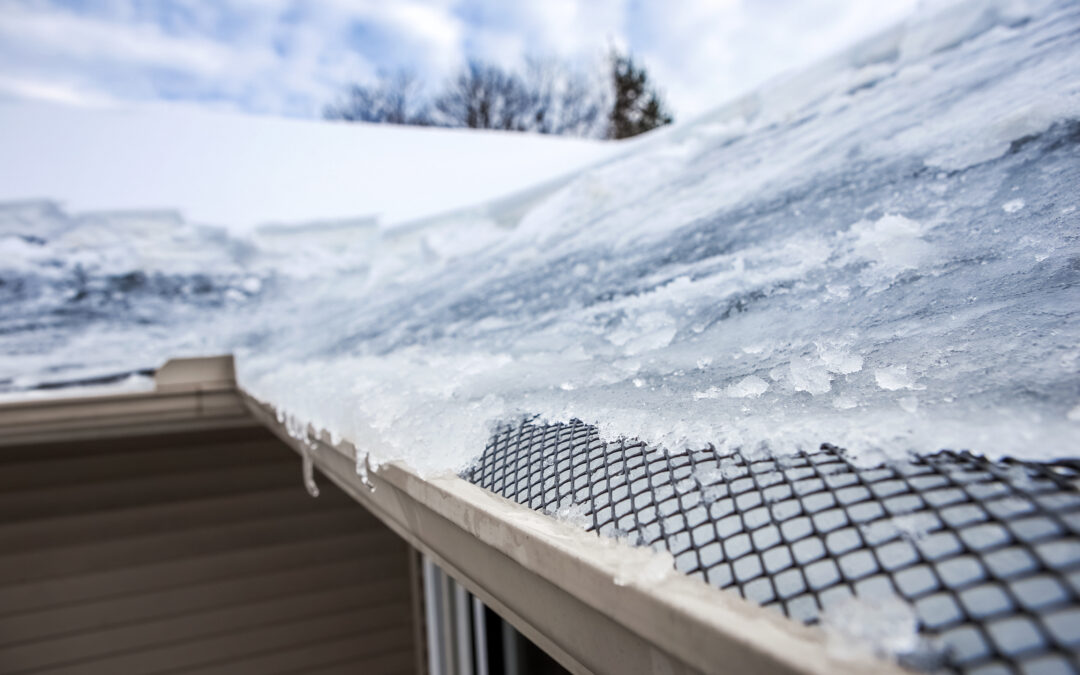
The problem could be caused by clogged gutters and down spouts that need a good cleaning. It’s also a good idea to add gutter guards and keep the vegetation trimmed back away from the roof.
Improve Attic Insulation
Another way to prevent a melt-refreeze cycle is to improve the attic insulation. Inconsistent roof surface temperatures is another big contributor to ice dams. If heat loss causes one section of the roof to be warm enough to melt snow while another section is so cold water freezes or remains frozen you’re going to run into ice dam issues.
This uneven roof temperature is often the result of poor attic insulation. Adequate insulation prevents both ice dam formation and heat loss, making it beneficial for a few reasons. Experts recommend that homes in Texas have proper insulation that’s rated R-30 or higher.
How much insulation is needed depends on a number of factors. For starters, the excess moisture from ice dam leaks could have damaged insulation that now needs to be replaced. The rating of the existing insulation will also determine what’s needed to make sure the attic is properly insulated.
Air Sealing Between the Ceiling and Attic Space
Warm air from the HVAC system is meant to stay inside the home, not drift up into the attic space where there should be cold air keeping the roof at a constant temperature. Sealing around the ceiling will reduce air leakage so that less heat escapes and warms the attic air. You’ll need to seal around edges, recessed lights, ceiling fans and crown molding.
Improve Ventilation Systems
Ventilation is another factor that affects the temperature of the roof because it helps the attic air stay at a constant cool temperature. Air should flow from the underside of the roof through the eaves or soffit vents to help prevent ice dams.
Use a Roof Rake to Get the Snow Off
The less snow there is up on the roof the less chance there is of an ice dam forming. There’s a tool called a roof rake that can be used to manually remove snow from the ground level, which is much safer for property owners. Another benefit of using roof rakes for keeping heavy snow loads to a minimum is that you’ll avoid potential damage from the weight of ice and snow that collects.
Property owners must be very careful when using roof rakes to avoid damaging the roofing materials.