Roof Common Issues: Flashing Corrosion

Common Roofing Issues: Flashing Corrosion

Work With the Best Roofing Contractors in Central Texas
Quality is at the heart of our Austin roofing company in every project we take on. Contact our experienced Central Texas roofers for a same-day, pressure-free inspection. Call 512-375-3654 to book your free inspection.

If you need a new roof installed, LOA is the roofing company to call! Our roofing experts are known for providing quality workmanship at a fair price. If you own a house or business in Central Texas you can’t afford to work with another roofer.

Find out how much roof replacement will cost in Austin, Texas and the surrounding areas.
Schedule a FREE Roof Inspection

What to Do If Your Metal Flashing is Corroding

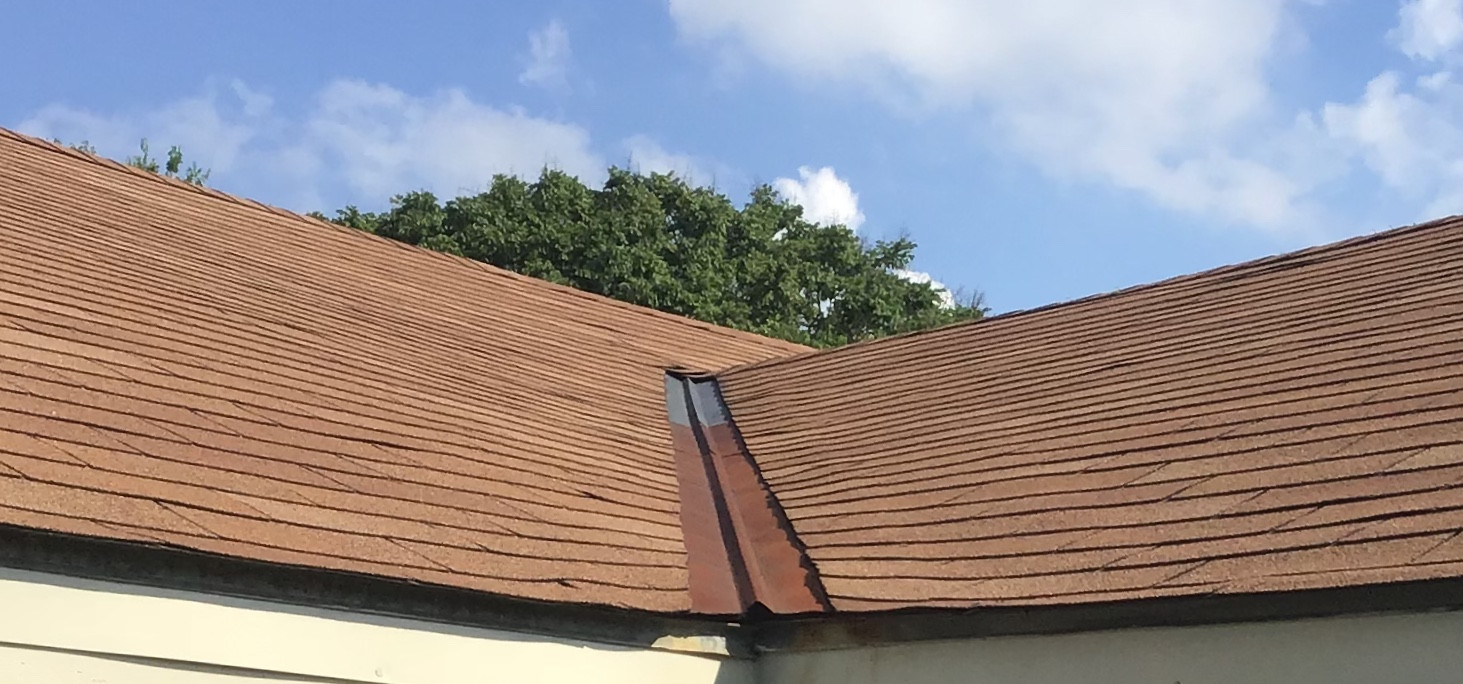
Even if you don’t have a metal roofing system, there’s a good chance you have metal on your roof. The flashing that is used around roof penetrations, in valleys and where the roofing meets a wall is made of metal.

The flashing is a critical component of the roofing system that helps to prevent leaks in spots where they are most likely. For that reason, it’s imperative that the metal surface of the flashing is in good condition.

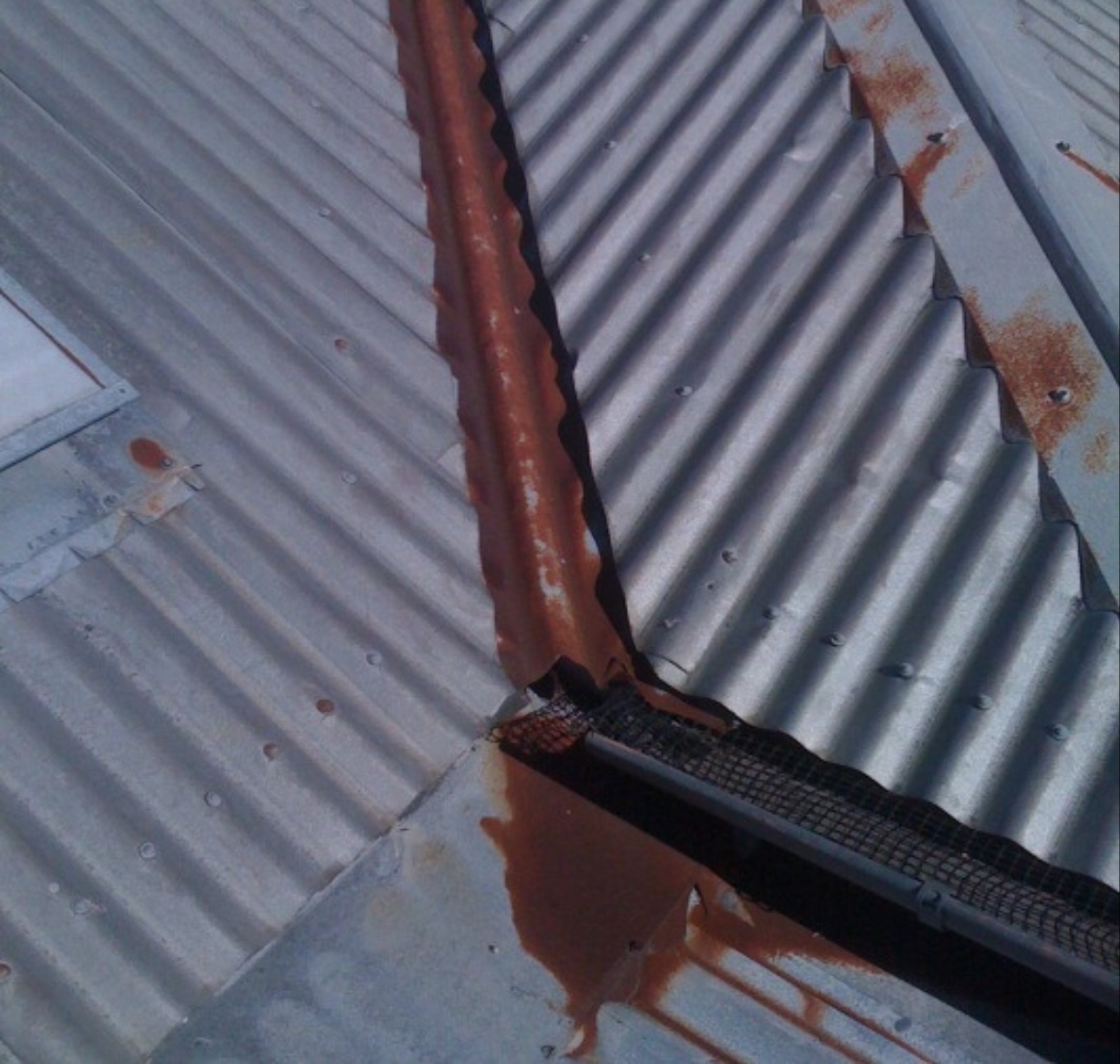
Has your metal flashing started corroding?

The Roofing Experts at LOA Know How to Handle and Prevent Corrosion – Contact LOA For a FREE Roof Inspection

Understanding the Corrosion Process to Prevent Problems

Exposed metal surfaces that are out in the elements are at risk of corrosion. We’ve all seen it, but what exactly is it and why does it happen? This explanation will help you better understand the issue and why it can be a serious problem for roof flashing.

    • How Different Metals Corrode

      A material’s corrosion resistance depends on its chemical makeup. Corrosion is the result of electrochemical reactions that cause metals to degrade and revert to a mineral form. Some metals are better protected than others from this process.

      For example, stainless steels are very corrosion resistant because they contain chromium. The chromium provides a protective layer that helps prevent corrosion. That’s why stainless steels are commonly used for metal roof materials.

      Copper corrosion is very different from other metals. It’s highly resistant to corrosion degradation, and instead of a brown rust forming, copper develops a green patina that is actually protective.

      However, most flashing is made out of aluminum. Aluminum is resistant to corrosion because it has an oxide layer formation that makes it less susceptible to oxygen that can cause metals to corrode.


    • What’s Considered a Corrosive Environment

      The environment also plays a role in corrosion, particularly in how quickly different metals corrode. A corrosive environment is one where there’s moisture, warm temperature and the presence of corrosive substances like salt and certain acids.


  • Types of Corrosion

    There are different types of corrosion that can occur depending on the materials, environment and situation.

    With flashing crevice corrosion can occur. This is when water is trapped within a crevice and the loss of oxygen in the space reduces the protective oxide layer of metal.

    There’s also galvanic corrosion, that’s also called bimetallic corrosion because it occurs when two different metals are touching and there’s water present. The presence of another metal will actually speed up the corrosive process.

    Pitting corrosion is much more localized. This is when small but deep pits can form and weaken the material structurally.

Problems Caused by Corroded Flashing

Corrosion is going to weaken metal flashing, which can lead to a lot of problems. There’s an increased chance of:

  • Leaks
  • Mold growth
  • Staining
  • Stress corrosion cracking

When the flashing is corroded it can end up impacting other roofing materials and even cause structural damage. Simply put, when metal flashing is corroded it can’t do it’s job properly.


Steps to Take If There’s Metal Corrosion on Your Flashing

Seeing signs of corrosion on the flashing is a clear sign that repairs are needed. It’s a roofing issue that can have a domino effect leading to much bigger problems. Here are the steps to take when your flashing is corroded.

    • Get an Inspection

      A professional roofer can take a look at the flashing to gauge the extent of the problem and whether it’s localized or widespread.


    • Make Repairs or Replace the Flashing

      The roofer’s inspection will tell you if the flashing can be salvaged. For limited corrosion you can repair the flashing by cleaning, patching and sealing it. If the corrosion is extensive you’ll need to go ahead and replace the flashing.


  • Select the Right Flashing Material

    There’s a good chance you’ll need to replace the corroded flashing, which gives you the opportunity to select a material where that’s less likely in the future. Copper is often considered the best option, but it can be expensive. Aluminum is a good alternative, but just make sure the flashing has a protective coating to reduce the chance of corrosion.

Replacing and repairing flashing is among the many roofing services that LOA offers. If corroded flashing is a problem call our team at 512-375-3654 to schedule an inspection.

We're One of the Highest Rated Roofers in Austin for a Reason

Choose quality roofing for a lasting investment in your home.

Request an Inspection

Dedicated to excellence, our Austin roofing company ensures quality in every project. Contact our skilled Central Texas roofers for a same-day, hassle-free inspection. Call +1 (512) 375-3654 to book your free inspection.

Accessibility: If you are vision-impaired or have some other impairment covered by the Americans with Disabilities Act or a similar law, and you wish to discuss potential accommodations related to using this website, please contact our Accessibility Manager at 855-661-3431.
Contact Us