Roof Blistering on Built-Up Roofing
Home Austin Roof Blistering on Built-Up Roofing
Work With the Best Roofing Contractors in Central Texas

Quality is at the heart of our Austin roofing company in every project we take on. Contact our experienced Central Texas roofers for a same-day, pressure-free inspection. Call 512-375-3654 to book your free inspection.
If you need a new roof installed, LOA is the roofing company to call! Our roofing experts are known for providing quality workmanship at a fair price. If you own a house or business in Central Texas you can’t afford to work with another roofer.
Find out how much roof replacement will cost in Austin, Texas and the surrounding areas.
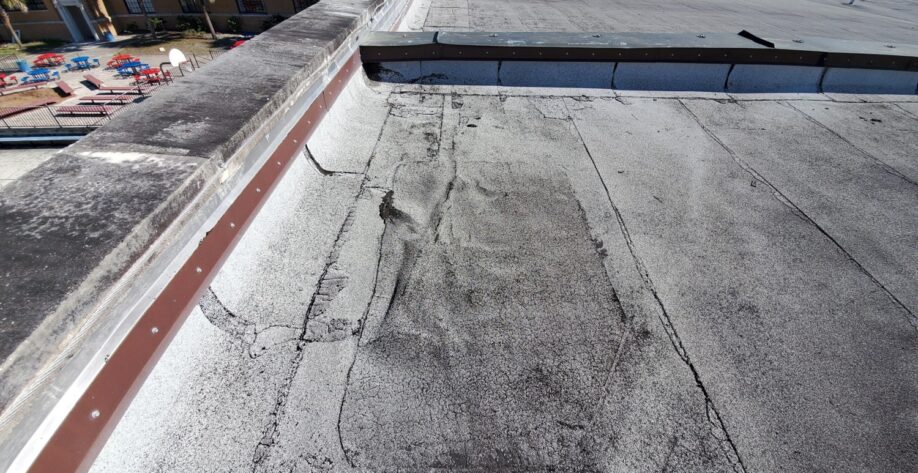
Why a Roof Membrane Might Split or Tear and What to do if it Does
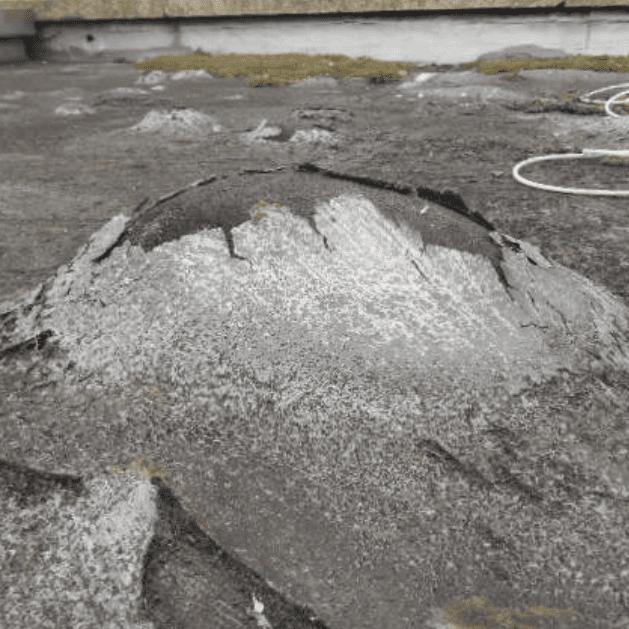
If you see raised up spots that look like bubbles on your built-up roof your eyes aren’t playing tricks on you. What you’re seeing is something called roof blistering. Some roof blisters are so small you can’t see them while others are large and can damage the protective surface of the roofing system.
Blistering on a built-up or mod bit roof is similar to asphalt shingle blisters in how they form. However, the chance of roof blisters can be even higher with built-up roofing because there are more layers of material, and it’s usually installed on a low slope and flat roofs that are more prone to moisture problems.
Need to fix roof blisters on a built-up roofing system?
Take the First Step – Contact LOA to Request a FREE Roof Inspection!
Other Contributing Factors for Roof Blisters
Research has shown that improper installation and application alone isn’t the sole cause of most roof blisters. Even if everything is done correctly a blister can still form because no built-up roof system is 100% free of voids that can trap air and moisture.
Problems during installation may be the underlying cause but other contributing factors come into play that can increase the chance of a blister forming with or without installation issues.
- Extreme Temperatures and Fluctuations
Areas where the temperature fluctuates from hot to cold tend to have more roof blistering problems. The expansion and contraction from the temperature changes can cause voids where air and moisture can get trapped. Temperature fluctuations also increase the amount of condensation that’s present and can get trapped to create a blister.
- Poor Ventilation
Poor attic ventilation or ventilation between the layers of the roofing can cause moisture build up. When trapped air and moisture have nowhere to go a blister can grow.
- Drainage Issues
If water isn’t draining off the roof it will pool and possibly seep below the surface. Drainage issues can stem from the entire slope of the roof being off, lack of a drainage system that directs water off the roof or debris build up in gutters.
- Improper Maintenance
Regular maintenance helps correct and prevent many roofing issues, including the formation of blisters. Having the roof inspected regularly allows you to detect leaks that can allow moisture to get trapped below the surface. When you fail to take maintenance measures small leaks can turn into bigger issues.
- Hail Damage
In areas like Texas where hail storms occur there’s a higher likelihood of roof blistering. Hail damage in the form of tiny tears can allow moisture accumulation in the lower layers.
- Heavy Foot Traffic
Heavy foot traffic alone may not cause air or moisture to get trapped, but it can make problems worse and increase the presence of blisters when there are issues with the substrate.