
Thermal Splitting or Cracking
Work With the Best Roofing Contractors in Central Texas
Last updated:

Quality is at the heart of our Austin roofing company in every project we take on. Contact our experienced Central Texas roofers for a same-day, pressure-free inspection. Call (512) 375-3654 to book your free inspection.
If you need a new roof installed, LOA is the roofing company to call! Our roofing experts are known for providing quality workmanship at a fair price. If you own a house or business in Central Texas you can’t afford to work with another roofer.
Find out how much roof replacement will cost in Austin, Texas and the surrounding areas.
What Causes Thermal Splitting or Cracking on Austin Roofs?
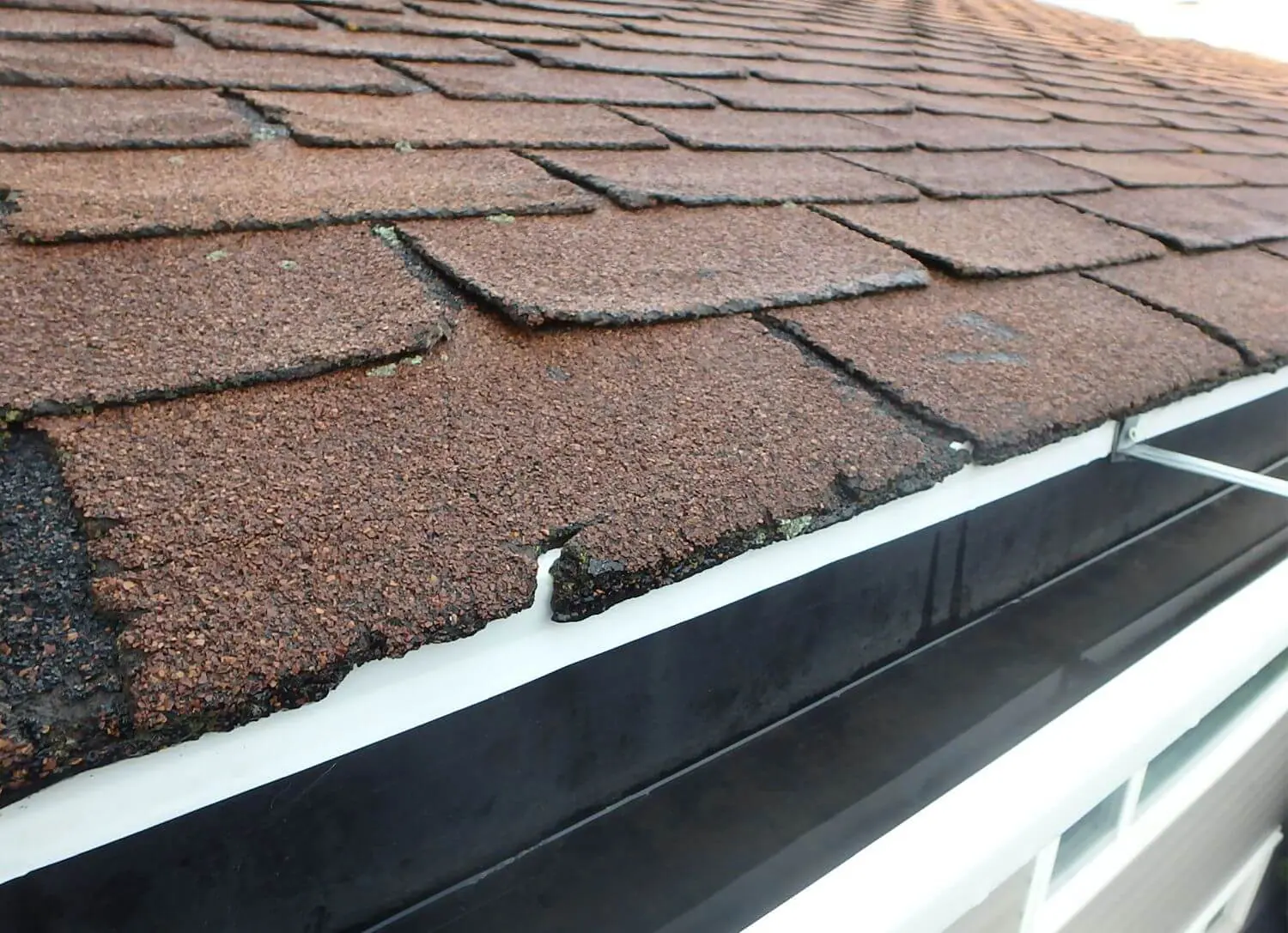
One of the more common types of asphalt shingle damage is thermal splitting. It leads to splits and cracks in asphalt shingles that can be the precursor to other problems like roof leaks and reduce the lifespan of the roofing system as well as its structural integrity. If you need roof repair in Austin, our team can help.
This is a problem that has a root cause, but there are other factors that can increase the chance of it happening and make shingle damage much worse.
Thermal splitting can become more serious when cracked shingles allow moisture to reach the layers beneath the roof surface. An Austin roofing company can examine cracked or splitting shingles to determine how extensive the damage is and what may be contributing to it. A qualified Austin roofing company can recommend the appropriate repair or replacement options to help prevent further deterioration and protect the roofing system.
Have you noticed cracked roof shingles or splitting?
The Team at LOA Can Help Solve the Problem – Schedule a FREE Roof Inspection
How LOA Repairs Thermal Splitting or Cracking in Austin
Asphalt roof cracking and splitting affects the appearance, performance and longevity of your asphalt roofing system. Fortunately, if you catch the problem early the repairs aren’t too complex or costly. But if the problem goes on for a while the damage will be more extensive and it can lead to costly repairs or even roof replacement.
Here’s what you need to do to repair shingle cracking from thermal splitting.
- Get a Roof Inspection
A roof inspection from a professional will give you an idea of the extent of the damaged shingles as well as exactly where they are cracked. You may discover that the damage extends well beyond the shingle cracks that you can see.
- Repair Minor Cracked Shingle Damage
If minor cracking occurs in a limited area it can be repaired without having to replace the shingles.
Clean cracked shingles: Before you can repair cracks and splits, the affected shingles need to be thoroughly cleaned and allowed to dry.
Apply roofing cement over cracks and splits: Apply a generous amount of roofing cement over the cracks and splits. The roofing cement needs to be pressed into the crack to makes sure it’s filled in completely. Next, smooth the roofing cement out to ensure it’s even with the surrounding shingles.
Use a Roofing Sealant Around the Edges: Use a caulking gun to apply a small amount of roofing sealant along the edges of any shingles that have lifted up or become loose due to the splitting to prevent water from getting underneath.
- Replace Badly Damaged Shingles
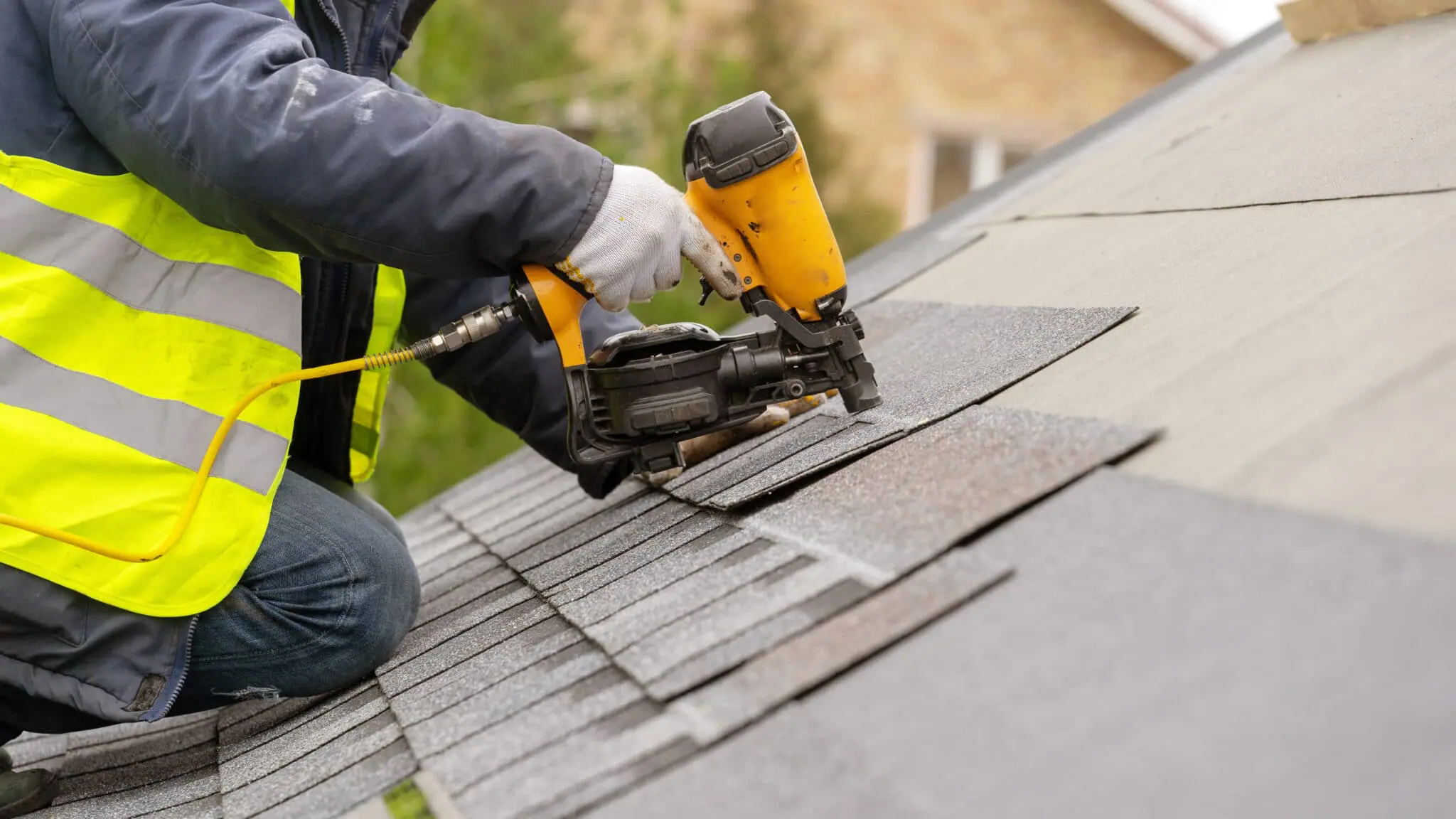
If the shingles are cracked and split beyond repair they need to be replaced. This can be done for a single shingle or a group of shingles.
Remove damaged shingles: A pry bar can be used to lift the tabs of the damaged shingles. Next, remove nails that are holding the damaged shingles in place.
Install the new shingles: Place the new shingles so that they align properly with the surrounding shingles. Secure the shingles with roofing nails of the correct length under the tabs of the shingles above it.
Seal around the edges of shingles: Finally, apply sealant or roofing cement underneath the edges of the new shingles to prevent lifting and roof damage.
By following these steps, you can extend the life of your asphalt shingles and prevent further damage from thermal splitting.
LOA installs and repairs asphalt roofs in Austin on a daily basis. We can quickly repair cracked and splits asphalt shingles and correct the underlying issues so it doesn’t happen in the future. Get started by Scheduling a free roof inspection!
Warning Signs of Thermal Splitting or Cracking
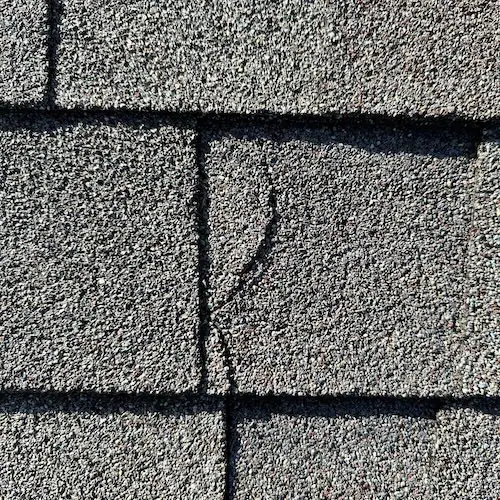
A damaged shingle here and there is going to happen, but a number of shingles cracking and splitting apart is cause for concern. These splits can be the precursor to roof leaks and reduce the lifespan of the roofing system. Shingles in climates with big daily or seasonal temperature swings are the most likely to split.
Preventing Thermal Splitting or Cracking
Proper installation keeps added stress off the shingles, which makes the effects of thermal expansion and contraction worse. A roof inspection shows how many shingles are damaged and exactly where, so cracked shingles can be repaired or replaced before water gets in.
We're One of the Highest Rated Roofers in Austin for a Reason
←
→