
Thermal Bridging
Work With the Best Roofing Contractors in Central Texas
Last updated:

Quality is at the heart of our Austin roofing company in every project we take on. Contact our experienced Central Texas roofers for a same-day, pressure-free inspection. Call (512) 375-3654 to book your free inspection.
If you need a new roof installed, LOA is the roofing company to call! Our roofing experts are known for providing quality workmanship at a fair price. If you own a house or business in Central Texas you can’t afford to work with another roofer.
Find out how much roof replacement will cost in Austin, Texas and the surrounding areas.
What Causes Thermal Bridging on Austin Roofs?
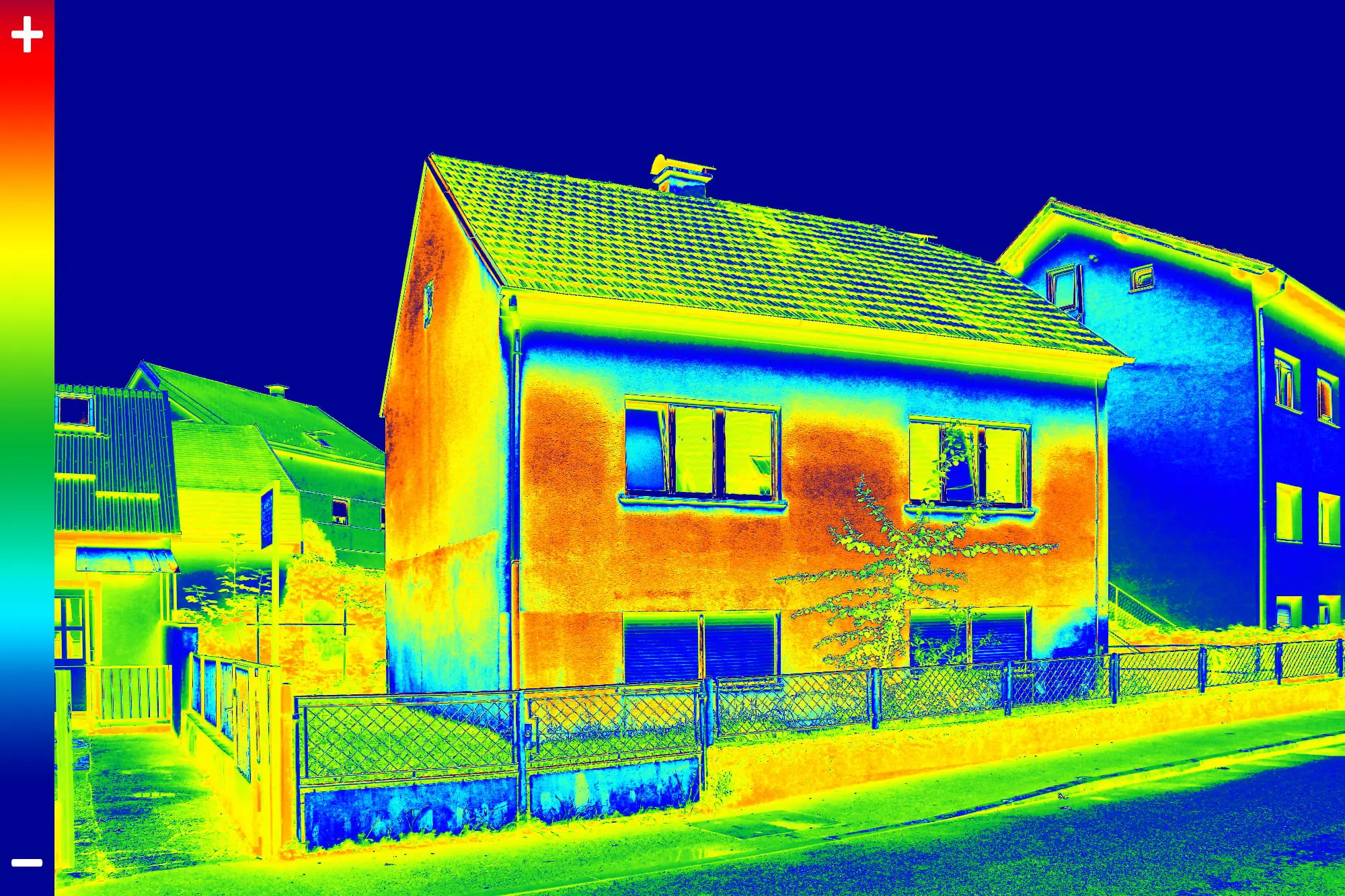
Thermal bridging is a common but often overlooked issue in residential and commercial roofing systems that affects heat retention. It occurs when a more conductive material increases heat flow across a building envelope, bypassing the insulation layer, reducing thermal resistance. This unwanted heat flow can compromise indoor comfort, drive up energy costs, and reduce energy efficiency. If you need roof repair in Austin, our team can help.
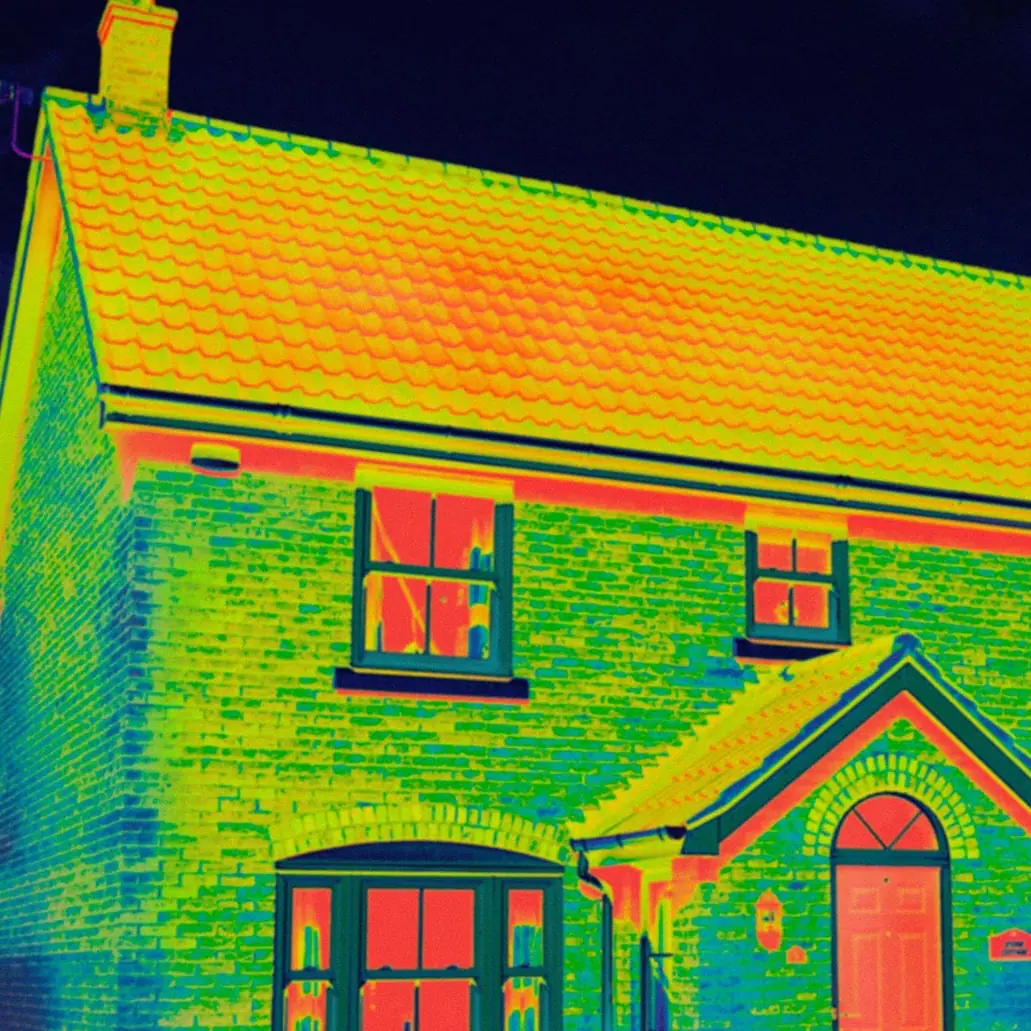
With the help of a thermal image, homeowners and contractors can now detect thermal bridging early as part of a comprehensive inspection. These images reveal areas of abnormal temperature variation, signaling where insulation may be weak or improperly installed.
An experienced Austin roofing company can use thermal imaging as part of a roof inspection to identify areas affected by thermal bridging. A trusted Austin roofing company can help determine whether insulation issues are affecting your roof’s energy efficiency and recommend appropriate solutions.
If you suspect thermal bridging may affect your roof, call LOA Construction and Austin Roofing today at 855-661-3431 to schedule a free roof inspection and protect your home’s energy efficiency.
Preventing Thermal Bridging
Use Continuous Insulation
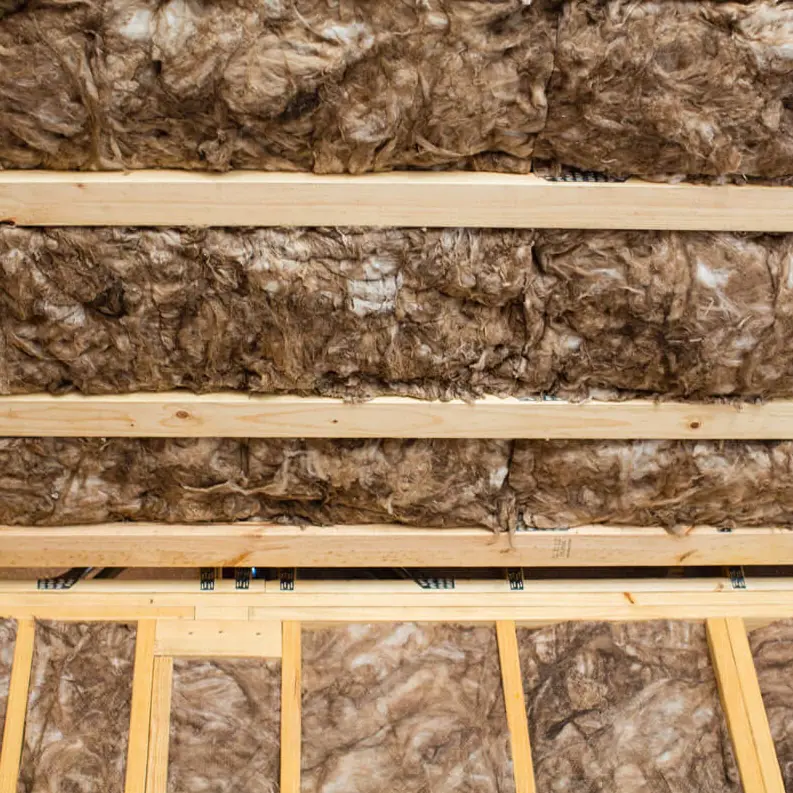
Installing continuous fiberglass insulation across all roof and wall surfaces prevents heat from bypassing through studs or other framing elements, creating a more effective thermal barrier.
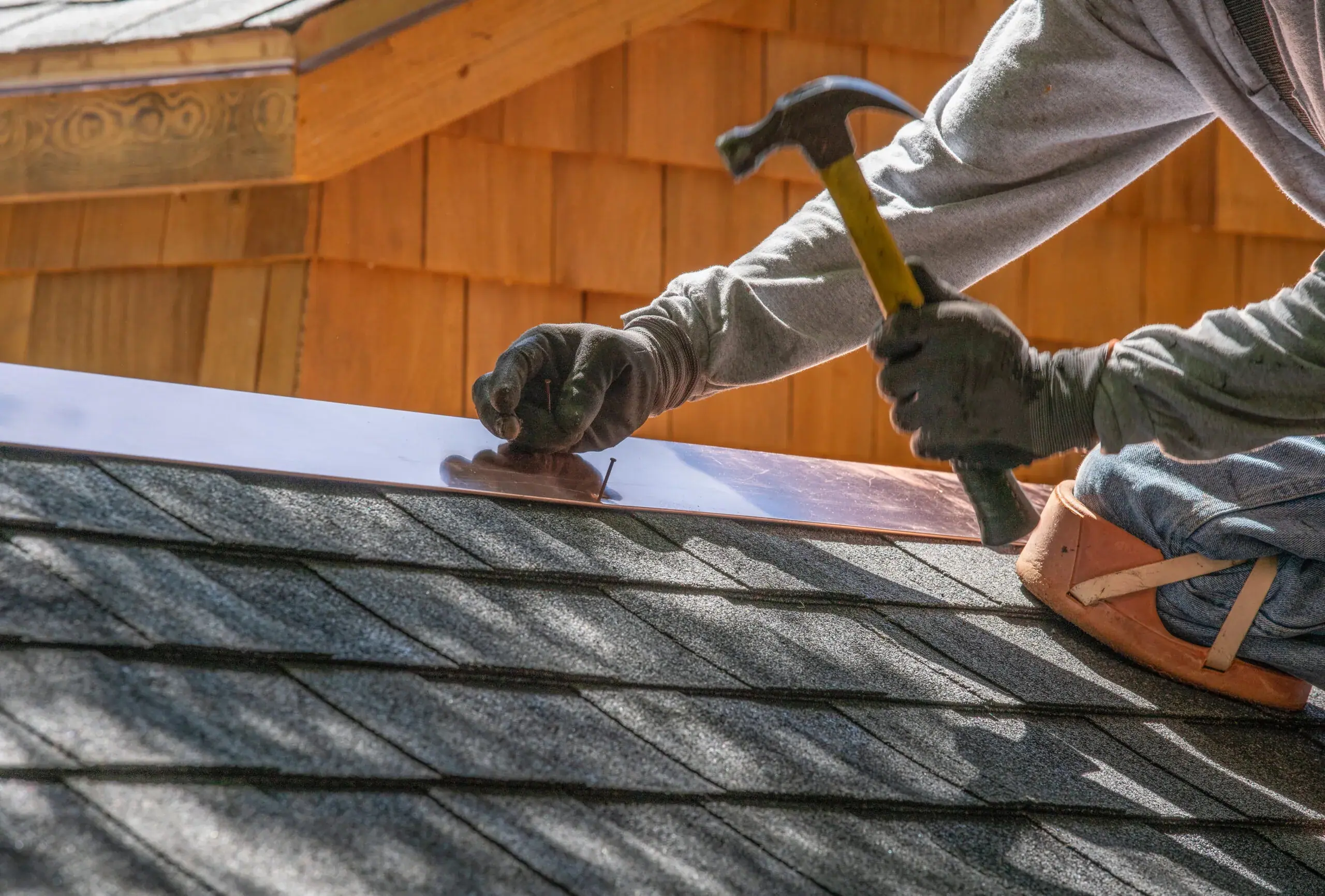
Repair Damaged Shingles & Flashing Promptly
Fixing or replacing worn roofing materials, especially flashing around roof penetrations, helps maintain the building envelope and prevent moisture intrusion and energy loss.
Install Thermal Breaks
Thermal breaks (non-conductive materials) between structural elements disrupt the heat flow path, significantly reducing thermal bridging.
Perform Regular Roof Maintenance
Routine inspections help detect minor issues, such as gaps, leaks, or failing seals, before they become larger energy or structural problems.
Utilize Thermal Imaging
Infrared scanning during inspections reveals hidden thermal bridges, pinpointing exactly where improvements are needed, including installing gutter guards.
Warning Signs of Thermal Bridging
Recognizing the early signs of roof damage caused by thermal bridging is crucial to preventing expensive repairs and maintaining an optimal internal temperature. One of the most visible indicators is water stains on ceilings or walls, which suggest that warm, moist air has condensed and infiltrated the structure.
Additional signs include mold growth, which can thrive where heat loss has led to cold surfaces and trapped moisture. You may also notice damaged shingles, particularly in areas affected by ice dams, or signs of roof shrinkage in aging roofing systems.
Left unchecked, these symptoms can lead to serious structural issues, affecting the roof’s stability and shortening its lifespan considerably.
Prevent Thermal Bridging by Sealing Building Elements Properly
One of the most effective ways to prevent thermal bridging is by carefully sealing all building elements, especially at connection points where materials change or overlap. Gaps around wall studs, wood studs, or roof trusses often act as paths for heat flow, creating localized point thermal bridges.
To combat this, ensure all joints, seams, and penetrations are sealed adequately during construction or renovation. This includes applying insulation continuously and without interruption across critical junctions and sealing awkward areas for better energy efficiency.
When awkward areas are sealed and reinforced with continuous insulation, the result is a tighter, more efficient building envelope with reduced energy loss.
How LOA Repairs Thermal Bridging in Austin
Don’t let thermal bridging and related roof issues compromise your home’s comfort and thermal efficiency. With over 30 years of combined experience, LOA Construction and Austin Roofing offers expert residential and commercial roofing services across Central Texas. Our team is dedicated to quality craftsmanship, transparent service, and customer satisfaction.
Take advantage of our same-day, no-obligation roof inspections to identify and address potential problems early. Whether you’re dealing with damaged shingles, missing flashing, or insulation concerns, our professionals are here to help.
Contact us today at 855-661-3431 to schedule your free inspection and ensure your roof is in top condition.
We're One of the Highest Rated Roofers in Austin for a Reason
←
→