Roof Thermal Shock
Work With the Best Roofing Contractors in Central Texas
Last updated:

5-Star Roofing Contractor
★★★★★5.0 Stars 1000+ Reviews
Quality is at the heart of our Austin roofing company in every project we take on. Contact our experienced Central Texas roofers for a same-day, pressure-free inspection. Call (512) 375-3654 to book your free inspection.
If you need a new roof installed, LOA is the roofing company to call! Our roofing experts are known for providing quality workmanship at a fair price. If you own a house or business in Central Texas you can’t afford to work with another roofer.
Find out how much roof replacement will cost in Austin, Texas and the surrounding areas.
What Causes Roof Thermal Shock on Austin Roofs?
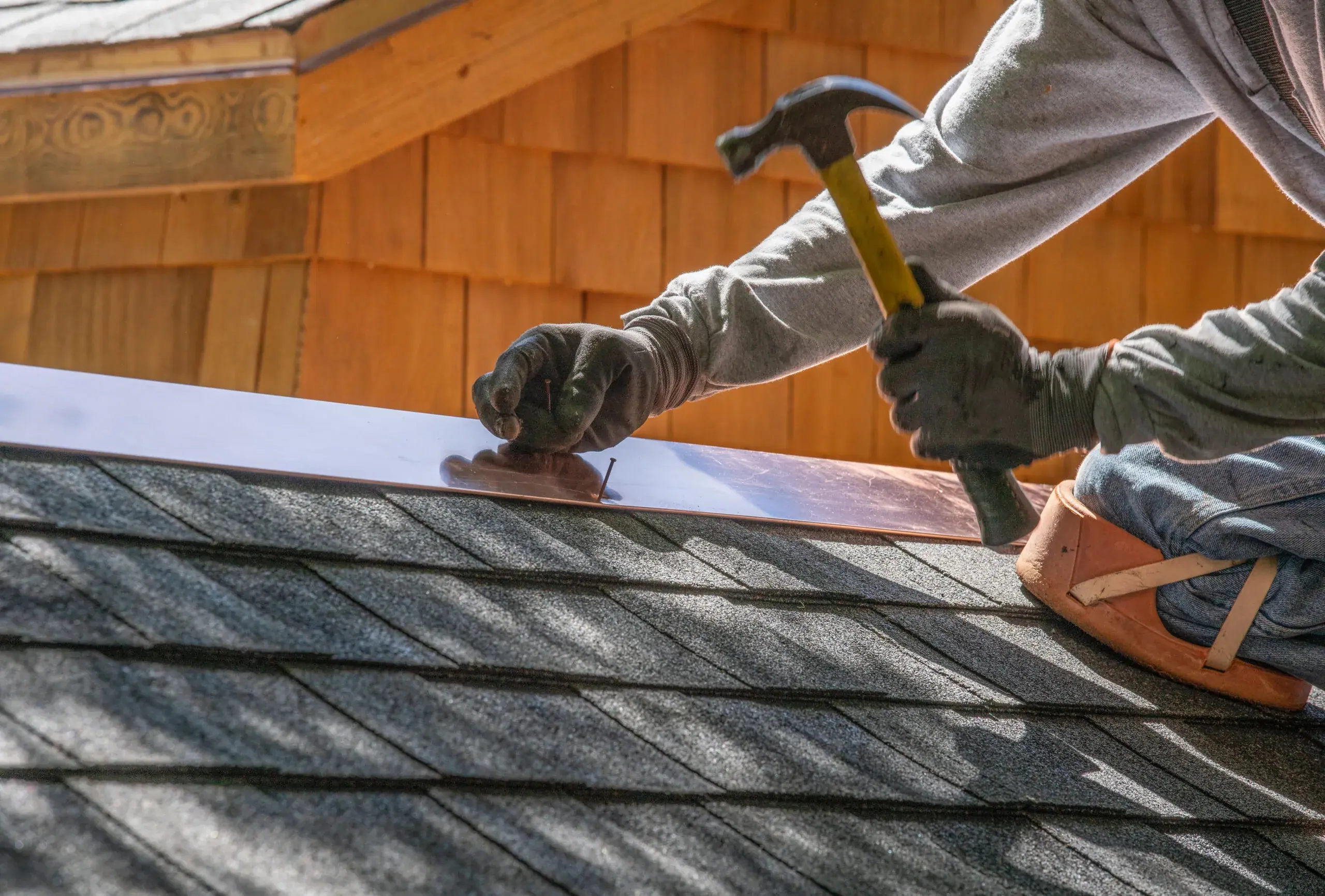
We fix the most common roofing issues for businesses and homeowners in Austin, Texas. Whether you’re dealing with a leaking roof, thermal shock, damaged shingles, poor installation, or other structural damages like roof shrinkage, damaged flashing, our experts are ready to help with roof repair or replacement.
For comprehensive inspections, call (512) 375-3654 and schedule a same-day assessment with zero pressure. We are always ready to offer a thorough roof inspection for residents in central Texas.
Schedule a free roof inspection to determine how much preventing thermal shock would cost!
What is Heat Build-up or Thermal Shock on Roof?
Heat build-up or thermal shock is roof damage that happens when the roof expands and contracts quickly due to rapid temperature changes. Roofs are designed to withstand the daily rigors of changing temperatures, such as very hot summers, high winds, and snow/ice (although not common in Texas). However, with years of expanding and contracting comes wear and tear, with a wide range of structural issues like tiles separating, seams splitting, missing flashing, etc.
It is one of the most common roof issues that can reduce a roof’s lifespan, and the extreme weather in central Texas leaves your roof vulnerable to thermal shock every day. This level of impact accelerates wear and tear on the roof.
Need roof repair services for heat build-up or thermal shock? Contact LOA for a free roof inspection.
Warning Signs of Roof Thermal Shock
From damaged shingles to poor ventilation, ice dams and other roof issues, here are some of the clear signs of thermal shock on the roof.
Damaged shingles
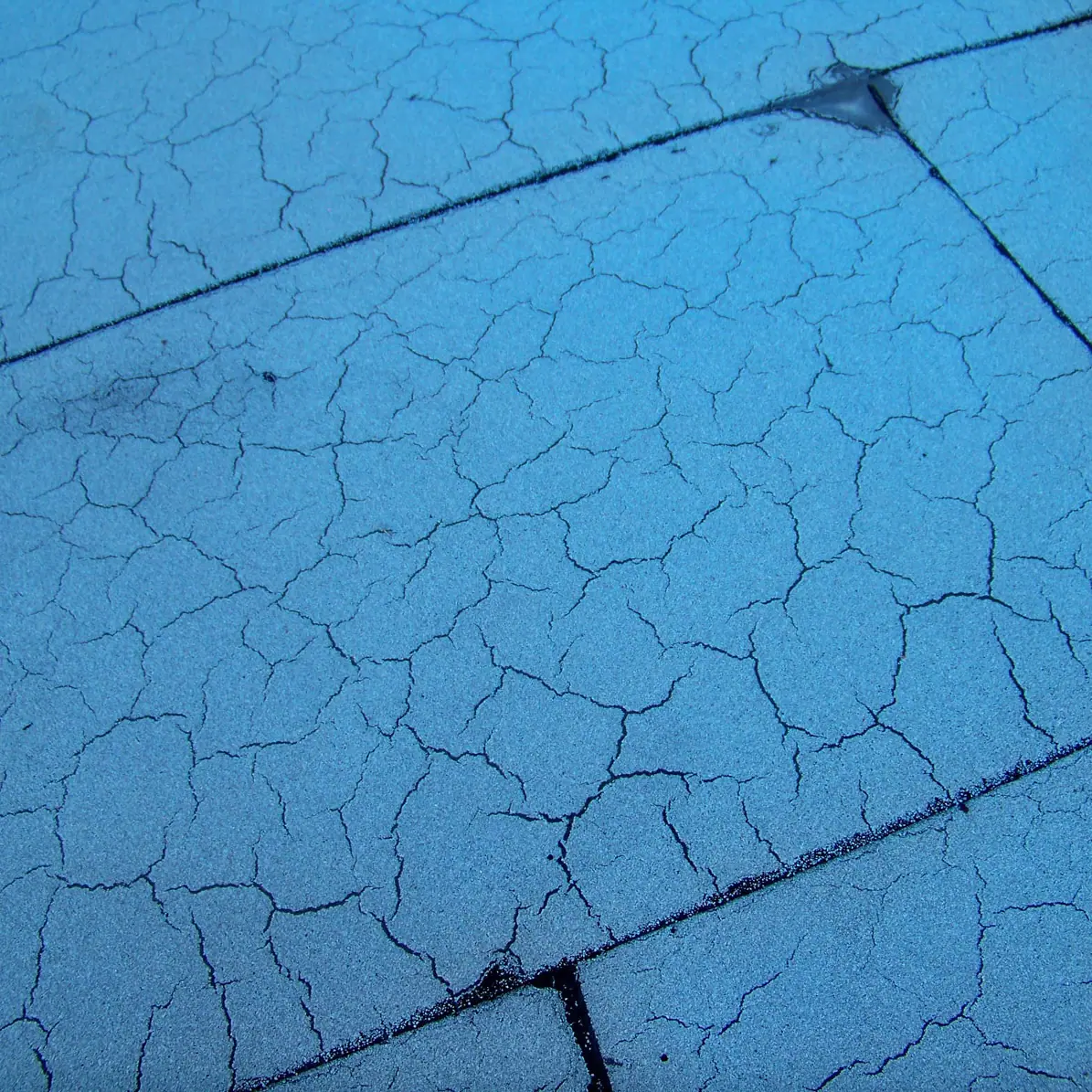
Rapid expansion and contraction caused by temperature swings can lead to visible cracks in shingles, clay tiles, or even roofing membranes. The longer damaged shingles go unfixed, the more you will experience problems if the roof is not properly maintained.
Blistering or Peeling
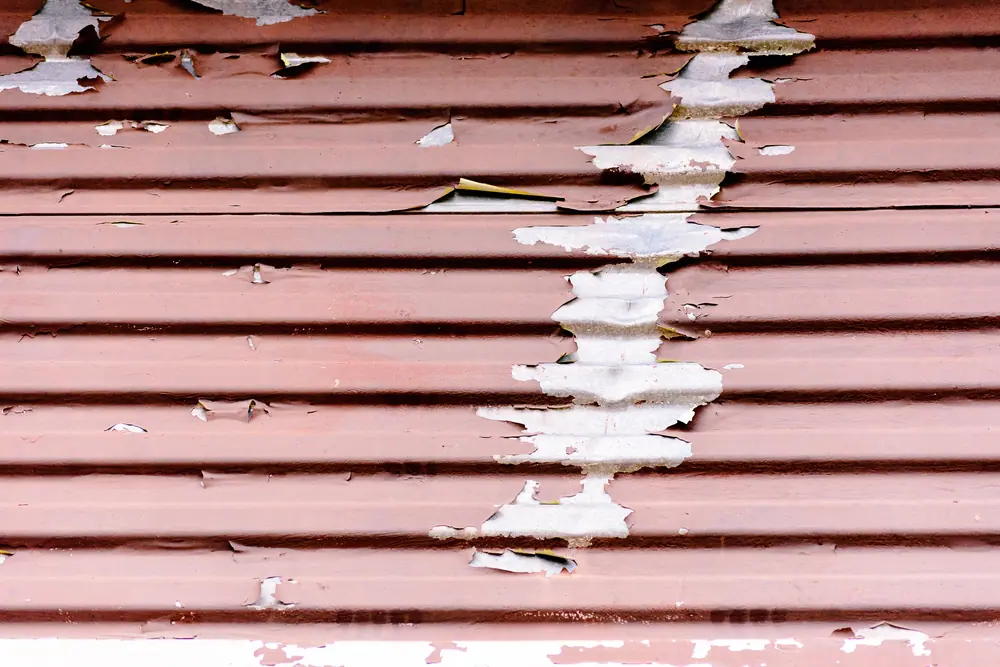
When materials are subjected to extreme heat, the surface can blister or peel, especially in asphalt or membrane roofs. This is a result of air or moisture getting trapped beneath the surface layers as they expand.
Buckling or Warping
Warped shingles, curled edges, or uneven roofing surfaces often indicate that heat stress has distorted the structure. In certain roofs, this may appear as bubbling or rippling across the membrane, indicating more serious roof problems.
Separation at Joints and Flashings
Thermal movement can loosen flashings, sealants, and joints between roofing materials, creating gaps that compromise waterproofing and lead to leaks. This roof problem can easily be spotted during roof inspections.
Roof Leaks
If you notice water damage signs like water stains, damp spots, unexplained leaks, or standing water, especially after hot weather or sudden snow around the roof’s edge, it could be due to heat-damaged roofing elements like degraded caulking or broken seals.
Sagging Roof Deck
Prolonged heat exposure may lead to the warping of rafters or trusses, causing sections of the roof to sag, causing more severe roof damage. This is a structural roof problem that can cause even more damage and needs immediate attention.
Premature Roof Aging
A very common roof problem is that roofs exposed to repeated thermal shock tend to deteriorate faster. Signs like fading, granule loss, and brittle shingles suggest the roofing system is aging prematurely and losing its protective qualities.
Choosing Materials That Resist Thermal Shock
Not all materials respond to heat in the same way, so selecting heat-tolerant materials from the start or upgrading during renovations can save you from the common roof problems. Clay tiles are a popular choice in hot climates with intense sun because they expand less and are naturally resistant to heat. Metal roofing with reflective coatings, or high-performance membranes designed for durability, is also an excellent option.
Contact LOA Construction and Austin Roofing to schedule a free roof inspection to address and fix common roof problems like thermal shock damage.
We're One of the Highest Rated Roofers in Austin for a Reason
←
→