
Improper Flashing at Roof Edges
Work With the Best Roofing Contractors in Central Texas
Last updated:

Quality is at the heart of our Austin roofing company in every project we take on. Contact our experienced Central Texas roofers for a same-day, pressure-free inspection. Call (512) 375-3654 to book your free inspection.
If you need a new roof installed, LOA is the roofing company to call! Our roofing experts are known for providing quality workmanship at a fair price. If you own a house or business in Central Texas you can’t afford to work with another roofer.
Find out how much roof replacement will cost in Austin, Texas and the surrounding areas.
What Causes Improper Flashing at Roof Edges on Austin Roofs?
Living in Central Texas means dealing with intense sun, heavy rains and the occasional hurricane-force wind. From the limestone hills of Austin to the humid subtropics of Houston and the storm-prone neighborhoods of San Antonio, one thing every homeowner needs is a roof built to stand up to the elements. But even the most durable system can run into trouble when flashing, especially at the roof’s edge, isn’t properly installed. If you need roof repair in Austin, our team can help.
At LOA Construction and Austin Roofing, we’ve seen it all. One of the most common roof issues we deal with in the Central Texas region is improper flashing at the edges. It might not sound like a big deal, but poor installation or deterioration of the roof drip edge can lead to water damage, roof deck rot and even structural issues.
Call LOA Construction and Austin Roofing at 855-661-3431 to schedule your free inspection today!
What Is Roof Flashing and Why Does It Matter?
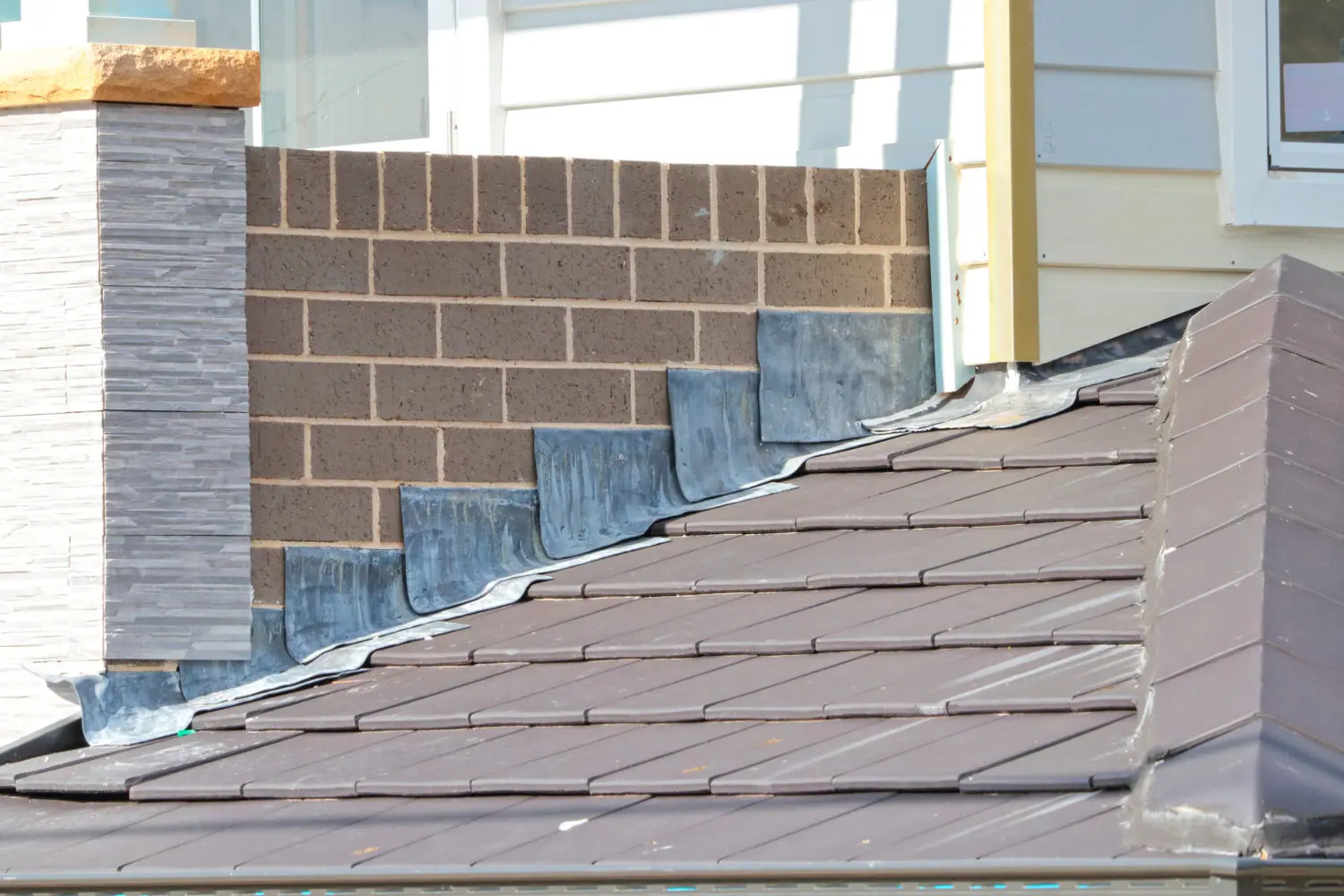
Flashing is a thin layer of corrosion resistant material, often galvanized steel or aluminum, installed around vulnerable areas of your roof. These include chimneys, skylights, vents and most importantly, the edges of your roof. Flashing’s main purpose is directing water away from seams and preventing moisture from working its way into your attic, fascia and walls.
In a place like Central Texas where severe weather can take place year-round, flashing is one of the most essential features of a well-built roofing system.
The Role of Roof Drip Edge Flashing in Texas
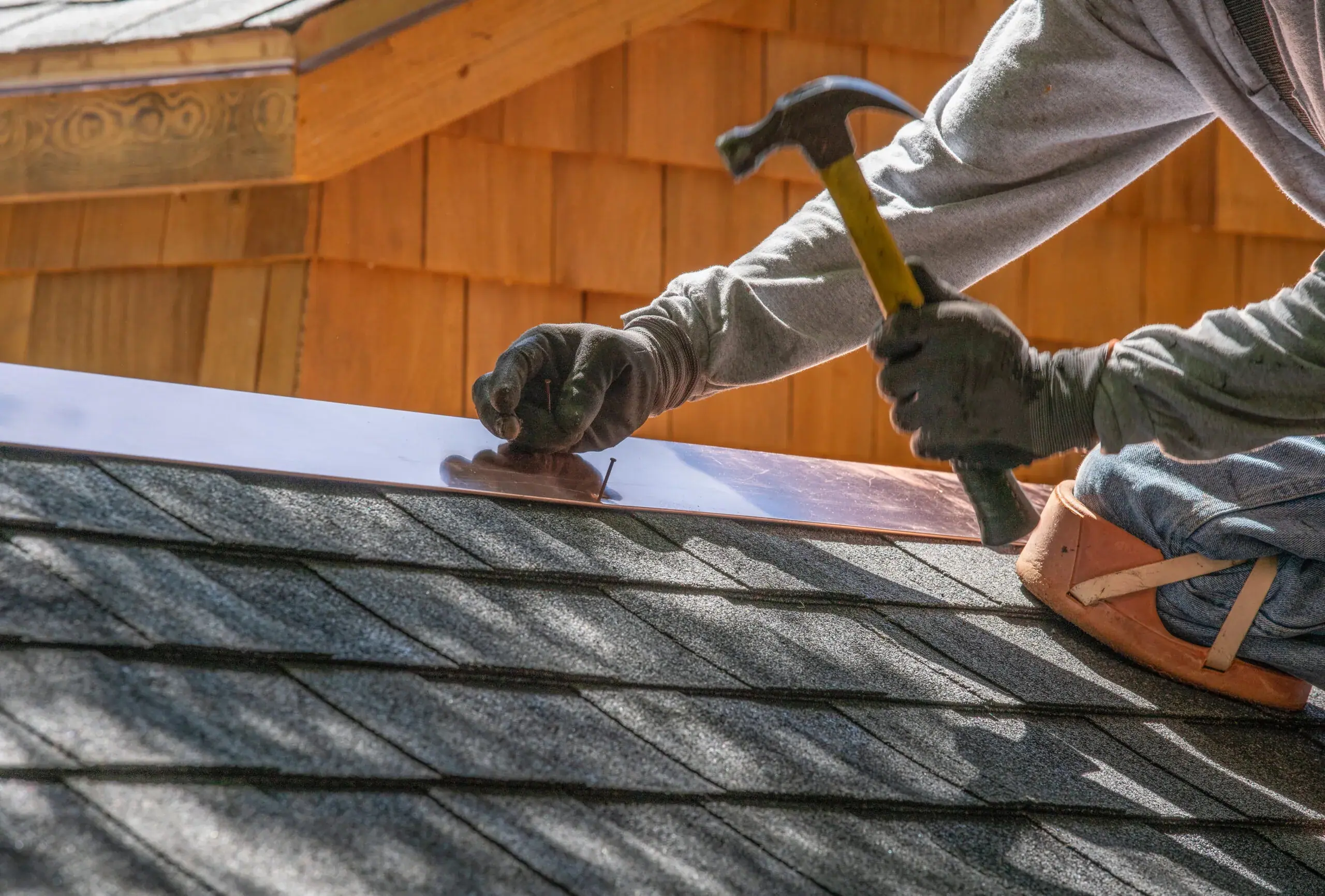
Let’s focus in on roof drip edge flashing. This metal flashing is installed along the eaves and rake edges of your roof. In Central Texas, where sudden storms are common, a properly installed roof drip edge is essential. It helps water slide off the roof without curling under the shingles and causing expensive damage to your fascia or roof deck.
The hot Texas sun and unpredictable weather patterns put extra stress on this component, making its correct installation more important than ever.
What Happens When Roof Drip Edge Is Missing or Improper?
If your house doesn’t have a roof drip edge, or if it’s improperly installed, the results can be costly. Water can seep under your roofing material and into the roof deck, creating moisture problems that lead to mold, mildew and rot. In colder months, it can even lead to ice dams in northern parts of Texas.
Missing or poorly installed flashing may also lead to:
- Peeling paint or rot on fascia boards
- Water stains inside your home
- Damaged roof shingles around the edges
- Shortened lifespan
- Significant damage to insulation, walls and even windows
Texas-Specific Flashing Challenges
Each region of Central Texas presents its own flashing issues:
- Austin: Steep-sloped roofs and limestone exteriors demand tight rake edge seals.
- San Antonio: High heat and hail mean you need tough, durable flashing.
- Houston: Humidity and heavy rain require rust-resistant materials.
This regional variance is why working with a local roofing contractor like LOA Construction and Austin Roofing who understands these conditions is so important.
Why You Might Need an Extended Drip Edge
In Central Texas, we often recommend an extended drip edge—especially for homes near the Gulf or in high-wind areas. With its longer leading edge, this style gives water and debris extra clearance, reducing the chances of it being blown back under the roof shingles by strong winds.
Homes surrounded by trees may also benefit from extended drip edges, as they help prevent debris from collecting along the roof’s edge and causing backup into the shingles or gutters.
Flashing Issues Around Roof Penetrations
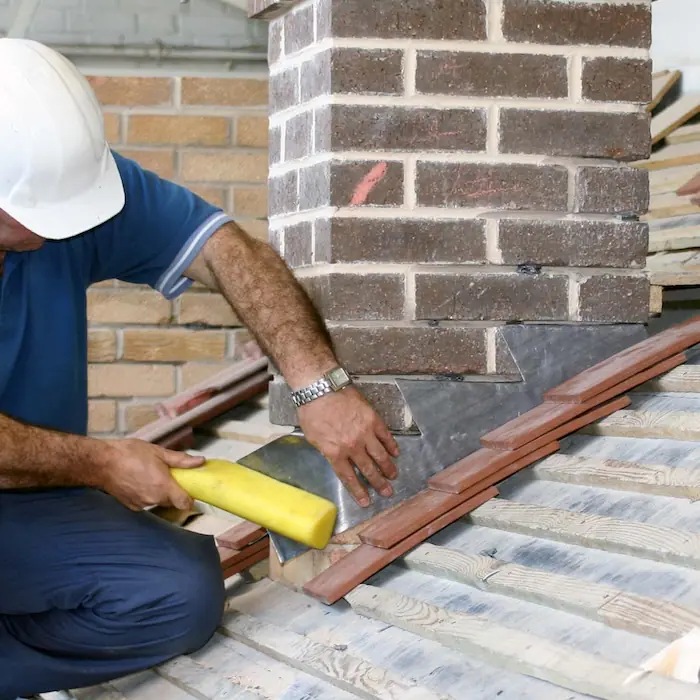
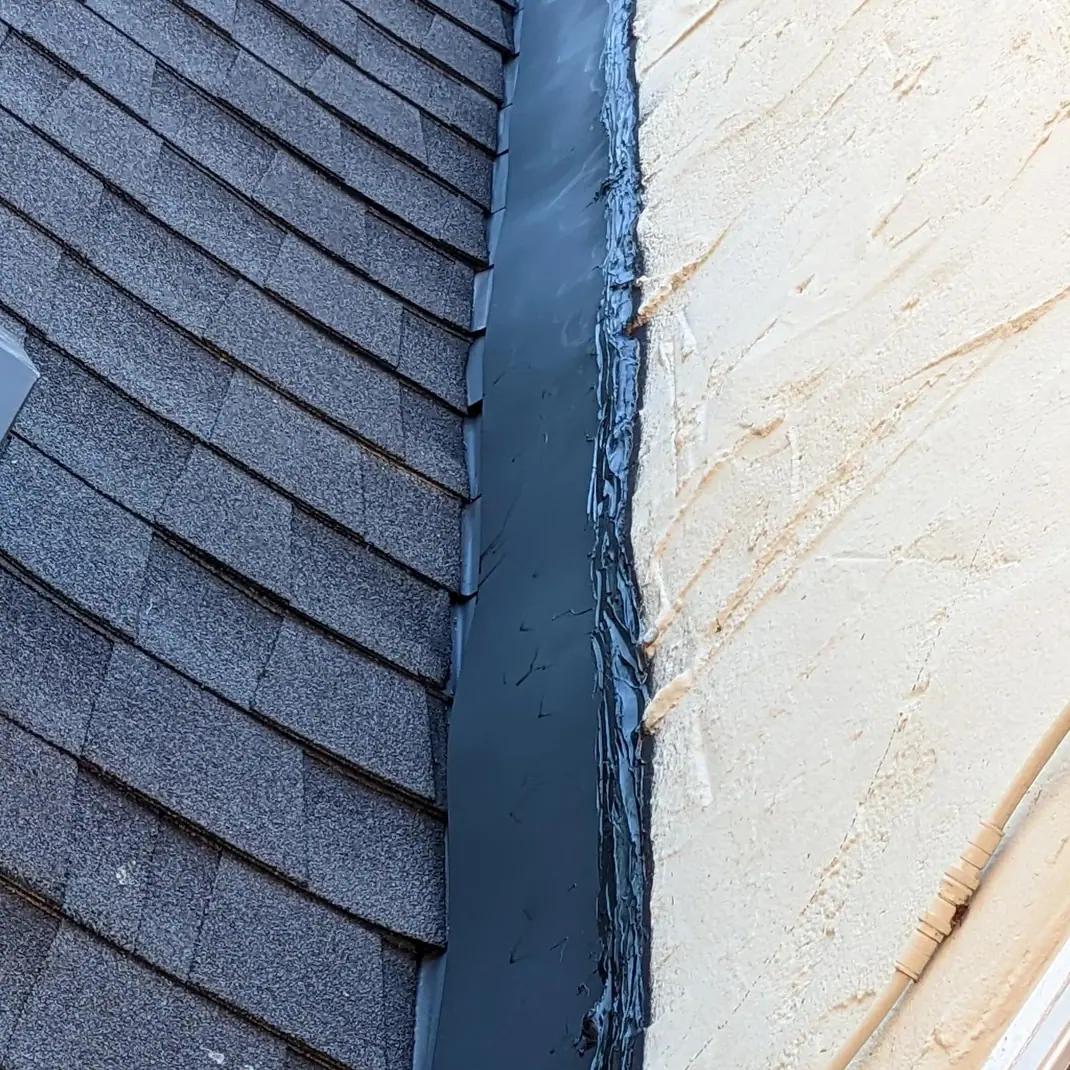
While drip edge flashing focuses on the roof perimeter, flashing around roof penetrations is equally important. Improper flashing around chimneys, vents, or skylights can allow moisture into the attic or living space. In our inspections, we often find gaps around these areas that were never properly sealed.
Poor installation at these points can also lead to long-term problems like attic mold growth, weakened framing, or even ceiling collapse due to unnoticed moisture build-up.
Regular Roof Inspections Are Key
The best way to prevent flashing issues is with regular inspections, especially after severe weather. After hailstorms, high winds or heavy rain (which are all common in Central Texas), have a professional roofer check your drip edge, shingles and gutters for signs of trouble.
We recommend scheduling inspections at least once a year and again after any major storm. Catching a loose piece of flashing early can mean the difference between a quick fix and a costly roof repair.
The Impact of Poor Flashing on Different Roof Styles
Whether you have a traditional gable roof in Austin, a tile roof in San Antonio, or a flat roof in Houston, flashing is critical. Flat roofs in particular need special attention since water tends to pool instead of run off. On steep-slope roofs, the edge flashing needs to be especially durable to stand up to driving rain and strong wind.
Flashing and Your Roofing System
Flashing may seem like a small detail, but it plays a big part in your entire system. It supports the function of shingles, helps guide water into the gutters, and protects the underlying structure. When flashing is missing or installed wrong, it undermines every other component of your roof.
What a Roof Repair Involving Flashing Looks Like
If we discover improper flashing during a roof inspection, here’s how we typically fix it:
- Carefully remove the existing shingles along the roof’s edge
- Install new drip edge flashing that fits your roof’s style
- Ensure the drip metal overlaps correctly and lies above the underlayment
- Secure the flashing with roofing nails
- Reinstall or replace damaged shingles as needed
Should You Replace the Flashing During Roof Replacement?
Absolutely. Any time you get a full roof replacement, the flashing should be replaced too. Leaving old flashing in place with new roofing material is a recipe for leaks, mismatches and premature failure.
Flashing and Gutters: A Vital Connection
Your drip edge flashing and gutter system need to work together. If flashing is misaligned or missing, water can sneak behind the gutters and rot your fascia or walls. A proper gutter apron or extended drip edge can eliminate this risk and improve water flow overall.
How Flashing Affects the Roof’s Lifespan
Poor flashing installation is one of the leading causes of premature roof failure in Central Texas. Water that sneaks under shingles or behind fascia will eventually lead to rot, mold and costly roof repairs. Proper flashing, on the other hand, protects your investment and can add years to your roof’s lifespan.
The Importance of Working with a Professional Roofer
Not every roofing contractor understands the specifics of flashing in a climate like ours. That’s why it’s so important to work with a professional roofer familiar with Central Texas conditions and code requirements. At LOA Construction and Austin Roofing, we’ve built our reputation on quality, durability and doing every job right the first time.
We take special care to assess your roof’s shape, design and needs as our first order of business. Whether your home needs a quick fix or a full roof replacement, we make sure your flashing is installed properly and built to last.
If you’re unsure about the state of your existing roof, or if you’ve experienced leaks, water stains or other red flags, give us a call. We’ll perform a detailed inspection and recommend the right fix, whether that’s a new drip edge, roof repair or complete roof replacement.
Call LOA Construction and Austin Roofing at 855-661-3431 to schedule your free inspection today!
Warning Signs of Improper Flashing at Roof Edges
Missing or poorly installed edge flashing can lead to peeling paint or rot on fascia boards, water stains inside your home, damaged shingles around the roof edges and damaged insulation. Common causes include drip edge installed under the shingles instead of over them, flashing that isn’t nailed securely with proper roofing nails, and older homes built before codes required drip edge.
How LOA Repairs Improper Flashing at Roof Edges in Austin
LOA checks the drip edge, shingles and gutters along the eaves and rake edges, then corrects what’s wrong: drip edge installed in the right position, securely fastened, and of the right type, such as Type D, which is better at directing water away from the fascia, or a gutter apron designed to work with your gutters.
Preventing Improper Flashing at Roof Edges
In Central Texas, where sudden storms are common, a properly installed drip edge is essential. After hailstorms, high winds or heavy rain, have a professional roofer check your drip edge, shingles and gutters for signs of trouble, so moisture doesn’t build up unnoticed in the attic, fascia and walls.
We're One of the Highest Rated Roofers in Austin for a Reason
←
→